
Understanding the financial realities of navigating unemployment, particularly in a state as dynamic and popular as Florida, is crucial for individuals and families. While the title “How Much Does Florida Unemployment Pay?” might seem solely focused on monetary figures, its implications extend deeply into the realm of Lifestyle for those experiencing a temporary disruption in their employment. This article will delve into the intricacies of Florida’s unemployment benefits, exploring not just the weekly payout but also the broader lifestyle considerations that accompany this period, from managing finances to adapting daily routines and planning for future endeavors within the Sunshine State.
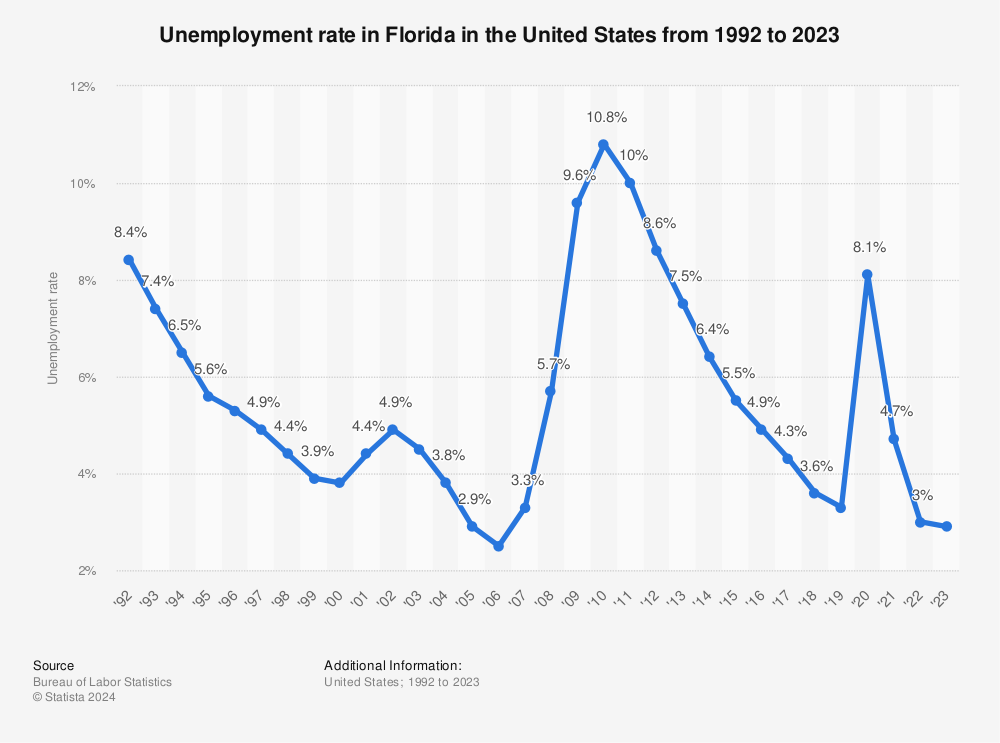
Understanding Florida’s Unemployment Compensation System
The Florida Reemployment Assistance program, often colloquially referred to as unemployment, is designed to provide temporary financial support to individuals who have lost their jobs through no fault of their own. The amount an individual receives is not a flat rate but is calculated based on a variety of factors, primarily reflecting their past earnings. This system aims to offer a safety net that allows individuals to maintain a semblance of their previous lifestyle while they actively seek new employment.
Calculating Your Weekly Benefit Amount
The weekly benefit amount (WBA) in Florida is determined by dividing the total gross wages earned during your highest-paid quarter of the base period by 52 and then multiplying that figure by 0.05. The base period typically consists of the first four of the last five completed calendar quarters before you file your claim. However, there are statutory maximums and minimums.
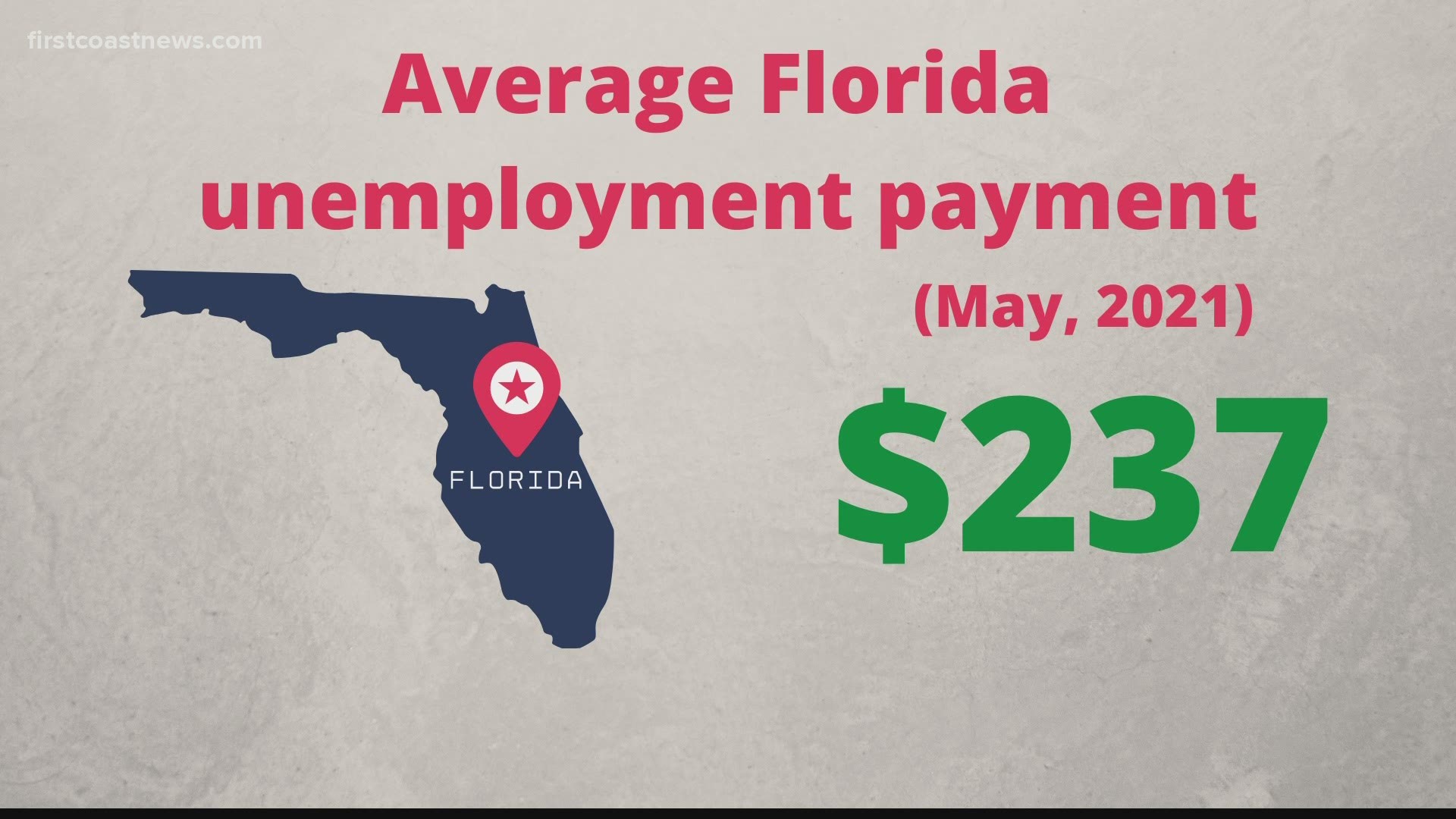
- Maximum WBA: As of recent updates, the maximum weekly benefit amount in Florida stands at $375.
- Minimum WBA: The minimum weekly benefit amount is $32.
- Duration of Benefits: Generally, eligible individuals can receive benefits for up to 26 weeks. However, this duration can be extended during periods of high unemployment, as determined by federal and state legislation.
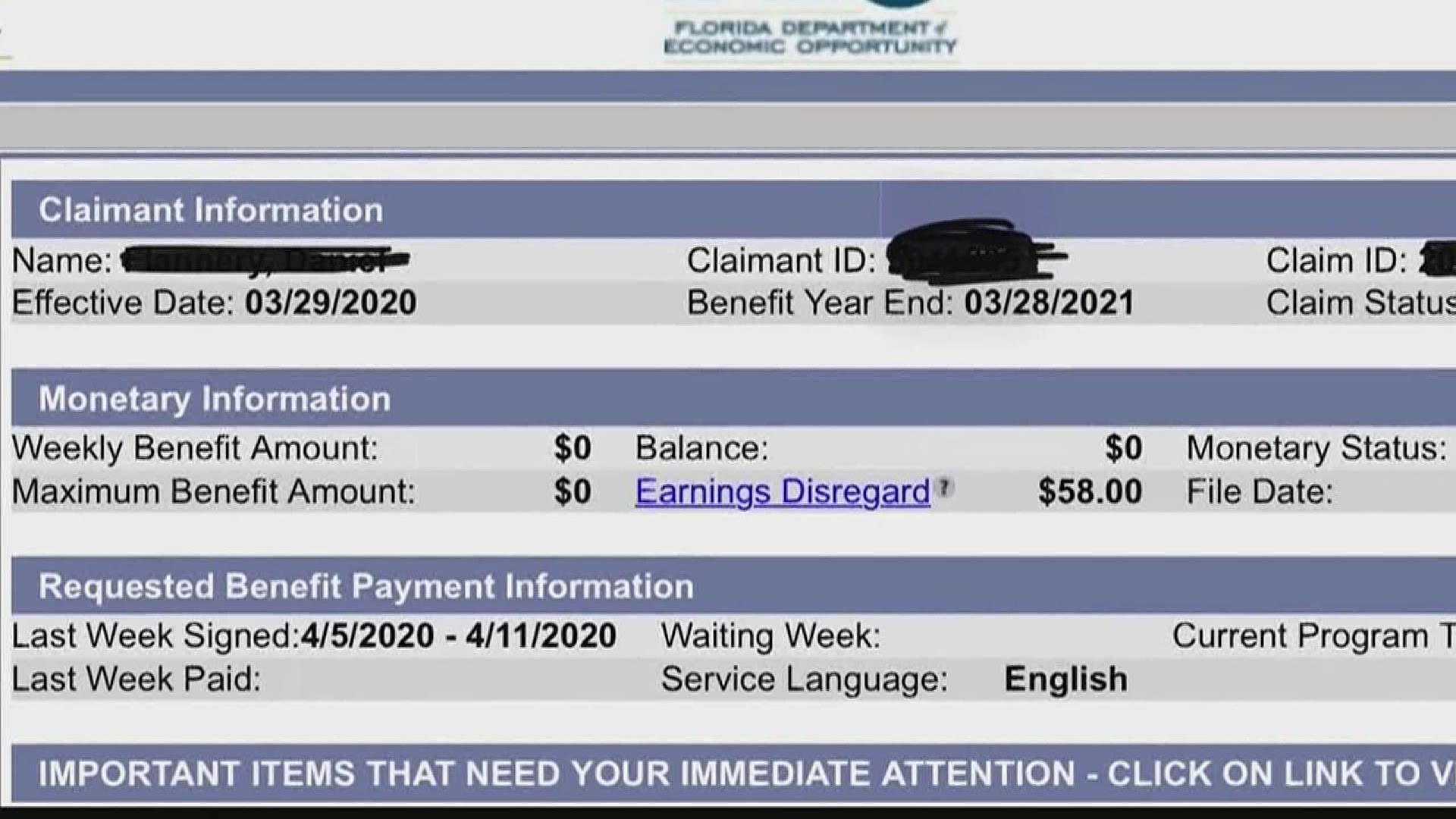
It’s important to note that these figures are subject to change based on legislative actions and economic conditions. claimants are encouraged to consult the official Florida Department of Economic Opportunity (DEO) website for the most current information and specific calculations.
Eligibility Requirements and Filing a Claim
To be eligible for reemployment assistance in Florida, individuals must meet several criteria:
- Monetary Eligibility: You must have earned sufficient wages during your base period to qualify.
- Non-Monetary Eligibility: You must have lost your job through no fault of your own (e.g., layoff, business closure). Quitting voluntarily without good cause or being fired for misconduct typically disqualifies an individual.
- Work Search Requirements: You are generally required to actively search for suitable employment each week you claim benefits. This involves documenting your job search efforts, which the DEO may review.
- Availability for Work: You must be physically able to work and available for work.
Filing a claim is typically done online through the DEO’s portal. Prompt filing is recommended to avoid delays in receiving benefits. The process involves providing detailed information about your employment history, the reasons for separation from your last employer, and your personal contact information.
Lifestyle Adaptations: Beyond the Weekly Payout
While the monetary aspect of unemployment benefits is significant, its impact on an individual’s lifestyle in Florida is multifaceted. The reduced income necessitates careful budgeting and a reevaluation of daily spending habits, which can profoundly affect one’s quality of life.
Budgeting and Financial Management
Receiving unemployment benefits often means a significant reduction in income compared to full-time employment. This calls for stringent budgeting and a conscious effort to prioritize expenses.
- Essential Expenses: Housing, utilities, food, and healthcare should be the top priorities. Individuals may need to explore options like payment plans with utility companies or seek assistance from local charities for food.
- Discretionary Spending: Entertainment, dining out, and non-essential purchases will likely need to be significantly curtailed. This might mean exploring free or low-cost activities available in Florida.
- Debt Management: It’s advisable to communicate with creditors about potential financial hardship. Many lenders may be willing to work out temporary arrangements.
- Emergency Fund: If an emergency fund exists, this period is when it becomes most valuable. However, for those without one, the focus shifts to preventing the depletion of any available savings.
Adapting to a tighter budget might also involve making difficult choices, such as postponing major purchases or reviewing subscription services. The psychological impact of financial strain should not be underestimated, and seeking support from financial advisors or community resources can be beneficial.
Adapting Daily Routines and Well-being
Unemployment, even with the support of reemployment assistance, can disrupt the established routines that provide structure and purpose. Maintaining well-being during this transitional phase is paramount for successful job searching and overall mental health.
- Structure and Routine: Even without a formal job, establishing a daily schedule is crucial. This might include waking up at a consistent time, dedicating hours to job searching, and scheduling time for exercise and relaxation.
- Physical Health: Maintaining a healthy lifestyle through regular exercise and a balanced diet can improve energy levels and reduce stress. Florida offers numerous opportunities for outdoor activities, from parks and beaches to recreational trails, many of which are accessible at little to no cost.
- Mental Health: The emotional toll of job loss can be substantial. Engaging in activities that promote mental well-being, such as mindfulness, hobbies, or spending time with loved ones, is important. Many communities offer free or low-cost mental health services.
- Social Connection: Isolation can exacerbate the challenges of unemployment. Staying connected with friends, family, and former colleagues can provide emotional support and networking opportunities. Participating in local community events or volunteer activities can also foster a sense of purpose and connection.
Leveraging Florida’s Resources for Job Seekers
Beyond the financial assistance, Florida provides a wealth of resources for individuals seeking to re-enter the workforce. Utilizing these services can significantly enhance the job search process and potentially lead to better employment outcomes.
- Career Centers: Florida’s CareerSource centers offer free services, including resume writing assistance, interview coaching, career counseling, and access to job boards. These centers are invaluable for gaining insights into the local job market and identifying potential opportunities.
- Training Programs: For individuals looking to upskill or change careers, Florida offers various training and certification programs, some of which may be subsidized or covered by reemployment assistance. Exploring programs at local community colleges or vocational schools can open new career pathways.
- Networking Events: Attending industry-specific networking events, job fairs, or professional association meetings can provide direct access to employers and valuable industry contacts.
- Online Job Search Platforms: While the DEO has its own system, leveraging popular online job boards and professional networking sites is essential. Many employers in Florida, from the hospitality sector in Orlando to the tech industry in Tampa, actively recruit through these channels.
The Broader Economic Impact on Lifestyle Choices in Florida
The amount of unemployment pay in Florida has a direct correlation with the lifestyle choices available to individuals. During periods of unemployment, residents may find themselves reassessing their participation in activities and purchases that were once commonplace.
Consumption Patterns and Leisure Activities
The disposable income available to an individual or household directly influences their ability to engage in leisure activities and discretionary spending. For those relying on unemployment benefits, there is often a significant shift in consumption patterns.
- Dining Out: Expensive restaurant meals become a rarity, replaced by home-cooked meals and more budget-friendly takeout options.
- Entertainment: Trips to theme parks like Walt Disney World or Universal Studios, movie tickets, and live entertainment may be put on hold. Instead, individuals might opt for free outdoor activities such as visiting local parks, beaches like Clearwater Beach, or exploring free museums.
- Shopping: Non-essential retail therapy is curtailed. Focus shifts to needs rather than wants, and bargain hunting becomes a necessity.
- Travel: While Florida is a major tourist destination, internal travel or weekend getaways become less feasible on a reduced income.
This shift in spending can impact various sectors of Florida’s economy, particularly those heavily reliant on consumer discretionary spending. Conversely, it can boost demand for more affordable goods and services.
Housing and Accommodation Considerations
For many in Florida, housing represents the largest monthly expense. Unemployment can put significant pressure on maintaining housing stability.
- Rent vs. Mortgage: Whether renting or owning, the ability to meet monthly payments is critical. Some individuals may need to explore options like subletting a room, moving to more affordable housing, or seeking mortgage forbearance if applicable.
- Short-Term vs. Long-Term Stays: The concept of long-term accommodation might become more challenging to maintain. While not directly related to unemployment benefits themselves, the financial strain can lead individuals to reconsider their living situations. For those considering extended stays or temporary relocation during this period, understanding the cost differences between hotels, serviced apartments, and long-term rentals in various Florida cities becomes paramount. The savings from a more affordable accommodation option could significantly offset a portion of the income shortfall.
- Impact on the Rental Market: A rise in unemployment can lead to increased demand for lower-cost rental units, potentially impacting rental prices in certain areas.
The Road to Reemployment and Future Lifestyle Planning
The period of unemployment is, by its nature, temporary. The ultimate goal is to secure new employment and restore financial stability. The experience of navigating unemployment can also shape future lifestyle choices and financial planning.
- Career Reevaluation: Unemployment can be an opportune time to reflect on career goals. Individuals may decide to pursue a different career path, seek further education, or start their own business, influenced by the skills they’ve gained or the experiences they’ve had.
- Financial Preparedness: The vulnerability experienced during unemployment often motivates individuals to build a more robust emergency fund and improve their overall financial literacy.
- Resilience and Adaptability: Successfully navigating unemployment builds resilience and adaptability, valuable traits in both personal and professional life. The skills learned in budgeting, resourcefulness, and persistent job searching are transferable and beneficial for future endeavors in Florida and beyond.
In conclusion, while Florida’s unemployment pay provides a vital financial cushion, its impact on an individual’s lifestyle is a complex interplay of financial management, personal well-being, and proactive engagement with available resources. Understanding the nuances of the system and its broader implications is key to navigating this period successfully and emerging stronger on the other side.
LifeOutOfTheBox is a participant in the Amazon Services LLC Associates Program, an affiliate advertising program designed to provide a means for sites to earn advertising fees by advertising and linking to Amazon.com. Amazon, the Amazon logo, AmazonSupply, and the AmazonSupply logo are trademarks of Amazon.com, Inc. or its affiliates. As an Amazon Associate we earn affiliate commissions from qualifying purchases.