
Determining the exact cost of a hotel stay is one of the most variable aspects of travel planning. Unlike a fixed-price commodity, accommodation rates fluctuate based on a complex algorithm of demand, geography, property standards, and timing. Whether you are planning a budget-conscious backpacking trip or a high-end corporate retreat, understanding the mechanics behind these prices is essential for maximizing value. The question “How much does it cost for a hotel?” rarely has a single answer, but by dissecting the market, travelers can better predict their expenses and navigate the global landscape of lodging.

Factors Influencing the Base Rate of Hotels
The fundamental price of a hotel room is rarely arbitrary. It is the result of several overlapping variables that define the property’s position in the market.
Location and Proximity to Major Attractions
In the world of accommodation, geography is the primary driver of cost. A room in the heart of Manhattan will inherently carry a premium compared to a similar room in New Jersey. This is largely due to the convenience of being near business districts or iconic landmarks. For instance, staying within walking distance of the Eiffel Tower in Paris or the Colosseum in Rome ensures high occupancy rates, allowing hotels to maintain elevated pricing. Conversely, properties located on the outskirts of major hubs or near airports like Heathrow Airport in London often offer more competitive rates to lure travelers willing to commute.
Seasonality and the Impact of Demand
Seasonality is perhaps the most volatile factor in accommodation pricing. During “peak season,” such as the cherry blossom period in Kyoto or the summer months in the Amalfi Coast, prices can triple or even quadruple. Conversely, traveling during the “shoulder season” or “off-peak season” provides significant savings. For example, visiting Dubai during the height of summer or Florida during the peak of hurricane season often results in the lowest possible rates for five-star luxury. Demand is also spiked by major events; a hotel room in Las Vegas during the Consumer Electronics Show or in Munich during Oktoberfest will reflect the massive influx of visitors.
Property Tiers and Star Ratings
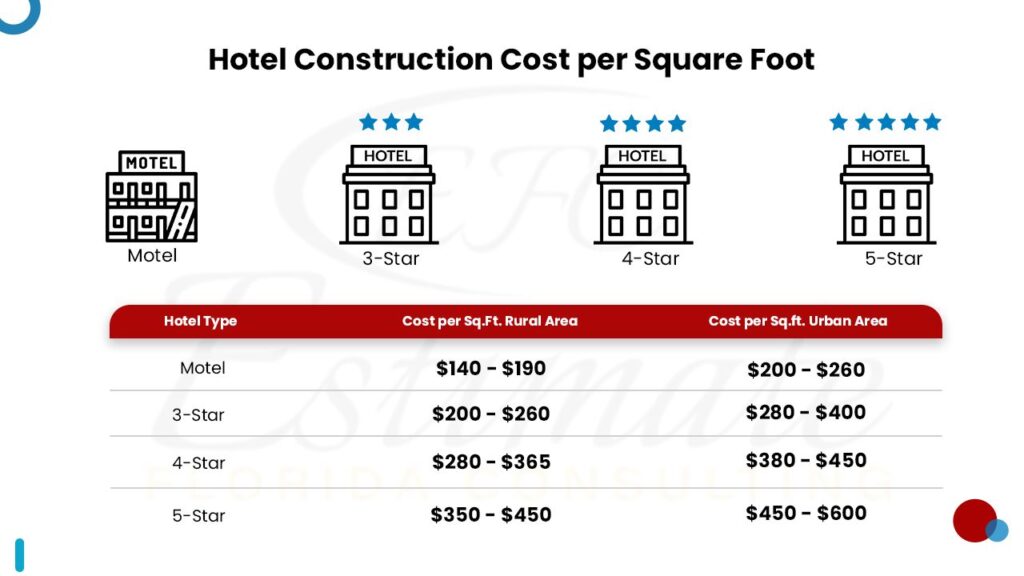
The classification of a hotel—ranging from one to five stars—dictates the baseline expectation for pricing. Budget chains like Ibis or Motel 6 focus on providing essential services at a low price point. Mid-range options, such as Courtyard by Marriott or Hilton Garden Inn, offer more amenities like on-site gyms and business centers. At the top of the spectrum, luxury brands like Four Seasons, The Ritz-Carlton, and St Regis command premium prices due to high staff-to-guest ratios, high-end interior design, and personalized services.
Navigating Regional Variations in Global Lodging Markets
The cost of a hotel is deeply tied to the local economy of the destination. What constitutes a “budget” price in one country might be a “luxury” price in another.
High-End Urban Hubs: North America and Europe
In major Western metropolises, the cost of living translates directly into high nightly rates. In cities like San Francisco, Zurich, and Hong Kong, even basic three-star accommodations can exceed $200 per night. These regions have high labor costs and significant property taxes, which are passed down to the consumer. In London, the density of the city means that even high-priced rooms in historic buildings may be smaller than expected, forcing travelers to pay for the prestige of the West End rather than square footage.
Competitive Value in Southeast Asia and South America
For travelers seeking luxury on a budget, regions like Southeast Asia offer unparalleled value. In Bangkok or Bali, it is common to find five-star resorts for the price of a standard motel in the United States. Properties like the Shangri-La Hotel or the Mandarin Oriental in these regions provide world-class service at a fraction of the cost found in Europe. Similarly, destinations like Mexico City and Buenos Aires offer high-quality boutique experiences that cater to international travelers while remaining accessible due to favorable exchange rates.
The Hidden Realities of Booking: Fees and Taxes
The price displayed on a booking website is frequently not the final amount you will pay. Understanding the breakdown of “hidden” costs is vital for accurate budgeting.
Understanding Resort Fees and Urban Destination Charges
A growing trend in the hospitality industry, particularly in North America, is the implementation of mandatory “resort fees” or “facility fees.” These are often added to the bill at checkout and are not always included in the initial advertised price. In Las Vegas or Hawaii, these fees can range from $25 to $60 per night, purportedly covering amenities like Wi-Fi, pool access, and fitness centers—services that many guests assume are part of the base rate. Always check the fine print for these surcharges when booking properties in tourist-heavy zones.
Local Occupancy Taxes and VAT
Taxes vary significantly by jurisdiction. In many European Union countries, the Value Added Tax (VAT) is often included in the quoted price, but a local “city tax” might be charged per person, per night, payable directly to the hotel. In the United States, prices are almost always quoted exclusive of tax. In cities like Chicago or Seattle, the combination of state, local, and occupancy taxes can add 15% to 20% to your total bill. It is important to look for the “total price” before confirming a reservation on platforms like Expedia or Booking.com.
Strategies for Securing the Best Value for Your Stay
While hotel prices are dynamic, there are proven strategies to ensure you are not overpaying for your accommodation.
Leveraging Booking Platforms and Aggregators
Using price comparison tools is the first step in understanding the market rate for a specific date. Websites such as Kayak and Trivago aggregate data from hundreds of sources to show you where a room is cheapest. However, a professional tip is to use these sites for research but check the hotel’s official website—such as Marriott or Hyatt—before booking. Many chains offer a “Best Rate Guarantee,” promising to match or beat any price found elsewhere, often throwing in extra loyalty points or room upgrades as an incentive.
Timing Your Reservation for Maximum Savings
The “sweet spot” for booking depends on the type of destination. For business-heavy cities like Frankfurt or Tokyo, weekend rates are often significantly lower as corporate travelers head home. Conversely, leisure destinations like Orlando see price spikes on Fridays and Saturdays. Regarding how far in advance to book, the data is mixed. For peak holiday periods like Christmas, booking months in advance is essential. For standard travel, booking approximately 15 to 30 days out often yields the best balance between availability and price. Last-minute booking apps like HotelTonight can also provide deep discounts for unsold inventory, though this requires a high degree of flexibility.

Membership Programs and Direct Booking Benefits
Joining loyalty programs is one of the most effective ways to lower the long-term cost of hotels. Programs like IHG One Rewards or World of Hyatt are free to join and immediately grant access to member-only rates. Over time, these points can be redeemed for free nights, significantly reducing the average cost of your travels. Additionally, holding certain credit cards, such as those from American Express or Chase, can provide automatic elite status, leading to free breakfasts, late check-outs, and room upgrades—all of which add tangible value to the price paid.
In conclusion, the cost of a hotel is a reflection of the global economy, local demand, and the specific level of service provided. By understanding the factors that drive these prices—from the location in Singapore to the hidden fees in Miami—travelers can make informed decisions. While the “sticker price” is the starting point, the true cost of accommodation is found by looking at the total value, including taxes, amenities, and the convenience of the stay. With strategic planning and a keen eye for regional differences, it is possible to find comfortable and high-quality lodging at almost any price point.
LifeOutOfTheBox is a participant in the Amazon Services LLC Associates Program, an affiliate advertising program designed to provide a means for sites to earn advertising fees by advertising and linking to Amazon.com. Amazon, the Amazon logo, AmazonSupply, and the AmazonSupply logo are trademarks of Amazon.com, Inc. or its affiliates. As an Amazon Associate we earn affiliate commissions from qualifying purchases.