
Navigating the financial landscape of a divorce in Texas can be a significant concern for many individuals. Beyond the emotional complexities, understanding the monetary implications is crucial for planning and making informed decisions. The cost of filing for divorce in Texas is not a fixed amount; rather, it is a dynamic figure influenced by various factors, including court fees, attorney retainers, and the level of legal complexity involved in your specific case. This guide aims to demystify these costs, offering a comprehensive overview to help you prepare for the financial journey ahead.

Understanding the Basic Filing Fees in Texas
The initial step in any divorce proceeding involves filing specific legal documents with the court. These actions incur mandatory court fees, often referred to as filing fees or court costs. While these fees are generally consistent across the state, they can vary slightly depending on the county. It’s important to note that these fees represent only a fraction of the total divorce expenses.
County Court Costs
In Texas, the statutory fee for filing a divorce petition is set by the Legislature. As of recent updates, this fee typically falls in the range of $300 to $350. However, this is a baseline. Additional fees may be added for services such as:
- Service of Process: When your spouse is officially notified of the divorce proceedings, a fee is charged for the sheriff’s department or a private process server to deliver the documents. This can range from $50 to $150 or more, depending on the location and number of attempts.
- Abstract of Judgment: If the divorce involves significant financial settlements or property division, an abstract of judgment may be filed to ensure compliance. This incurs a small additional fee.
- Certified Copies: Obtaining certified copies of court orders and final decrees will also incur a per-page fee.
It is advisable to contact the district clerk’s office in the county where you intend to file for the most accurate and up-to-date fee schedule. Some counties might have slightly different administrative charges.
Waivers and Fee Reductions
For individuals who demonstrate financial hardship, it is possible to request a waiver of court filing fees. This is typically done by filing a “Statement of Inability to Afford Payment of Court Costs.” The court will review your income, assets, and expenses to determine if you qualify for a fee waiver. If granted, you will not be required to pay the initial filing fees.
The Impact of Legal Representation on Divorce Costs
While it’s possible to represent yourself in a Texas divorce (known as proceeding “pro se”), most individuals opt for legal counsel. Hiring an attorney significantly influences the overall cost of divorce, but it also provides invaluable expertise, guidance, and protection throughout the legal process.
Attorney Retainers and Hourly Rates
Divorce attorneys in Texas typically charge a retainer fee upfront. This retainer is an advance payment against which the attorney’s hourly rate is billed. Retainers can vary widely based on the attorney’s experience, reputation, location, and the perceived complexity of the case.
- Typical Retainer Ranges: In Texas, retainers for divorce cases can range anywhere from $2,500 for simpler, uncontested matters to $10,000 or more for complex, high-conflict situations.
- Hourly Rates: Hourly rates for divorce attorneys in Texas commonly fall between $200 and $500 per hour, with more experienced or specialized attorneys commanding higher rates.
The retainer is not a flat fee for the entire divorce; it is an initial deposit. As the attorney works on your case, their time spent on tasks such as drafting documents, communicating with you and opposing counsel, conducting research, attending hearings, and negotiating settlements is billed against the retainer. Once the retainer is depleted, you will be billed for additional work.
Factors Influencing Legal Fees
Several factors contribute to how quickly a retainer is depleted and, consequently, the total legal fees incurred:
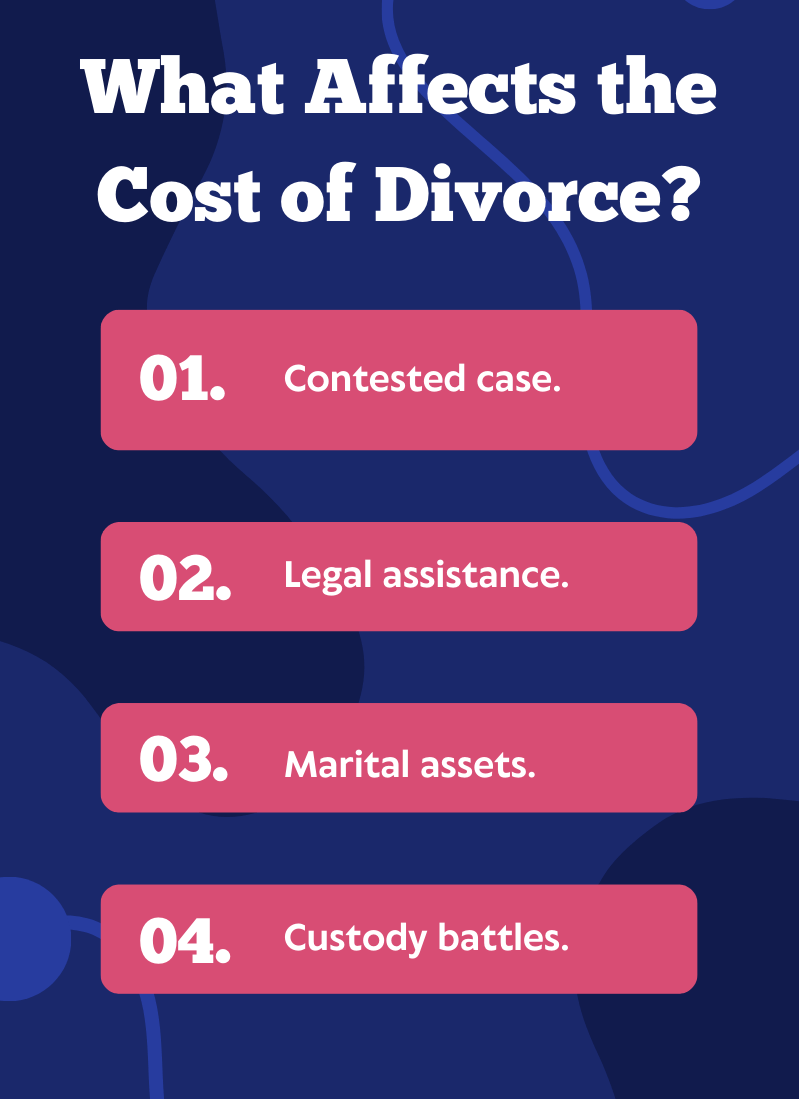
- Complexity of the Case: Divorces involving complex asset division, such as businesses, multiple properties, or significant investments, require more attorney time and expertise, leading to higher costs.
- Presence of Children: Cases involving child custody, visitation schedules (conservatorship and possession orders), and child support often necessitate extensive negotiation and court appearances, increasing legal fees.
- Disagreements and Litigation: When spouses cannot agree on key issues, the case may become contested, leading to depositions, motions, and potentially a trial. Litigation is invariably more expensive than amicable settlement.
- Cooperation Level: The willingness of both parties to cooperate and negotiate can significantly impact the duration and cost of the divorce. Uncooperative spouses can prolong proceedings, driving up expenses.
- Attorney’s Experience and Skill: Highly experienced and specialized divorce attorneys may have higher hourly rates, but their efficiency and expertise can sometimes lead to a faster resolution, potentially offsetting some of the cost.
Types of Divorce and Their Cost Implications
The nature of your divorce—whether it’s uncontested or contested—is a primary determinant of its overall financial impact.
Uncontested Divorce
An uncontested divorce occurs when both spouses agree on all terms of the divorce, including property division, spousal support, and child custody arrangements. This is generally the most cost-effective type of divorce.
- Simplified Process: With full agreement, the process involves drafting a Marital Settlement Agreement, which outlines all agreed-upon terms. This document is then submitted to the court along with other necessary forms.
- Lower Attorney Fees: Legal fees in an uncontested divorce are typically lower because less attorney time is required for negotiation, litigation, and court appearances. Many attorneys offer flat-fee services for truly uncontested divorces.
- Estimated Costs: For an uncontested divorce, expect to pay the basic court filing fees (around $300-$350) plus attorney fees that could range from $1,000 to $3,000, depending on the attorney and the complexity of the agreement.
Contested Divorce
A contested divorce arises when spouses cannot agree on one or more issues. This often requires significant negotiation, mediation, and potentially court intervention.

- Increased Attorney Involvement: Contested divorces involve extensive work by attorneys, including drafting pleadings, responding to motions, conducting discovery (requesting documents and information), negotiating, and possibly attending hearings or trials.
- Mediation: Many Texas courts require parties to attend mediation to attempt to resolve disputes outside of court. Mediation involves a neutral third party who facilitates discussions between the spouses. Mediation fees are separate from attorney fees and can range from $300 to $1,000 per party, depending on the mediator.
- Litigation Costs: If mediation is unsuccessful, the case may proceed to trial. Trial preparation and courtroom time are the most expensive aspects of a divorce. This can involve extensive evidence gathering, witness preparation, and multiple court appearances.
- Estimated Costs: The cost of a contested divorce can range from $5,000 to $20,000 or significantly more, especially in high-conflict cases involving complex assets or lengthy trials.
Additional Costs to Consider
Beyond filing fees and attorney retainers, several other expenses can arise during a Texas divorce.
Appraisals and Valuations
If your divorce involves valuable assets like real estate, businesses, or significant investments, you may need to hire experts to appraise their value.
- Real Estate Appraisals: The cost can range from $300 to $800 or more, depending on the property’s complexity and location.
- Business Valuations: These are more complex and can cost anywhere from $3,000 to $15,000 or more, depending on the size and nature of the business.
- Forensic Accountants: In cases of suspected hidden assets or complex financial transactions, a forensic accountant may be hired, with fees starting at $300 per hour.
Expert Witness Fees
If your case goes to trial, expert witnesses (such as appraisers or financial analysts) may be required to testify. Their fees for preparing reports and testifying can add substantially to the overall cost.
Court Reporter Fees
If depositions are taken or a trial is held, a court reporter will be present to create an official transcript. These costs can add up, with fees often charged per page of transcript.
Temporary Orders Hearings
In some cases, especially when children are involved or there are immediate financial concerns, a party may request temporary orders. These orders establish rules for issues like temporary child custody, child support, spousal support, and who lives in the marital home during the divorce proceedings. Hearings for temporary orders require attorney time and court appearances, adding to the expense.
Strategies to Manage Divorce Costs
While divorce can be expensive, several strategies can help manage and potentially reduce the financial burden.
Aim for Amicable Resolution
The most effective way to control divorce costs is to strive for an amicable resolution whenever possible. Open communication and a willingness to compromise can prevent unnecessary legal battles.
Consider Mediation
Even in contested cases, mediation can be a cost-effective alternative to protracted litigation. A mediator can help facilitate an agreement, saving both time and money.
Be Organized and Prepared
When meeting with your attorney, come prepared with all necessary documents and a clear understanding of your goals. Being organized saves your attorney time and reduces billing hours.
Understand Your Attorney’s Billing Practices
Have a clear conversation with your attorney about their retainer, hourly rates, and billing policies before engaging their services. Ask for regular billing statements to track expenses.
Explore Pro Se or Limited Scope Representation
For very simple, uncontested divorces, you might consider filing pro se. Alternatively, some attorneys offer “limited scope representation,” where they assist with specific tasks rather than the entire case, which can be more affordable.
Conclusion
The cost of filing for divorce in Texas is a multifaceted equation with no single answer. While basic filing fees are relatively modest, the involvement of attorneys, the complexity of your case, and the willingness of both parties to cooperate all play significant roles in the final expenditure. By understanding the various components of divorce costs and employing strategies for cost management, individuals can better prepare for and navigate this challenging but often necessary legal process. It is always recommended to consult with experienced Texas divorce attorneys to get a personalized assessment of potential costs based on your specific circumstances.
LifeOutOfTheBox is a participant in the Amazon Services LLC Associates Program, an affiliate advertising program designed to provide a means for sites to earn advertising fees by advertising and linking to Amazon.com. Amazon, the Amazon logo, AmazonSupply, and the AmazonSupply logo are trademarks of Amazon.com, Inc. or its affiliates. As an Amazon Associate we earn affiliate commissions from qualifying purchases.