
The allure of the Sunshine State is undeniable. With its warm climate, stunning coastlines, vibrant cities, and a generally lower cost of living compared to many other popular destinations, Florida has long been a magnet for those seeking a change of scenery, a retirement haven, or simply a more relaxed pace of life. But as with any major life decision, understanding the financial implications is paramount. So, how much does it really cost to live in Florida? This comprehensive guide will delve into the various factors that contribute to the overall expense, from housing and transportation to everyday necessities and leisure activities.
Unpacking the Sunshine State’s Price Tag: A Comprehensive Cost Breakdown
The cost of living in Florida is a complex mosaic, influenced by a multitude of variables. While the state as a whole is often cited as being more affordable than the national average, this is a broad generalization that can be misleading. Location, lifestyle choices, and individual spending habits play a significant role. For instance, the cost of living in a bustling metropolis like Miami or Orlando will differ considerably from that in a quieter, coastal town or a more rural inland community.
Housing: The Biggest Piece of the Pie
Without a doubt, housing is the most substantial expense for most residents in Florida. The market is diverse, offering everything from luxurious beachfront condos to charming single-family homes and more affordable apartments. The price of real estate, whether renting or buying, is heavily influenced by its proximity to major cities, popular tourist destinations, and coastal areas.
Rental Markets Across Florida
For those considering a rental, Florida offers a wide spectrum of options. In Miami-Dade County, for instance, a one-bedroom apartment can range from $1,800 to $2,500 or more per month, especially in highly desirable areas like South Beach or Brickell. The price will naturally decrease as you move further inland or to less sought-after neighborhoods.
Orlando, a hub for theme parks and entertainment, also commands competitive rental prices. Expect to pay around $1,500 to $2,000 for a one-bedroom in popular areas close to Walt Disney World or Universal Orlando Resort. However, more affordable options can be found in the surrounding suburbs.
Moving towards the Gulf Coast, cities like Tampa and St. Petersburg offer a more balanced rental market. A one-bedroom apartment might cost between $1,300 and $1,700, depending on the specific location and amenities.
Smaller towns and more rural areas present the most budget-friendly rental opportunities. In places like Gainesville (home to the University of Florida) or smaller communities in Central Florida, you might find a one-bedroom apartment for $1,000 to $1,300.
The Homeownership Dream
Purchasing a home in Florida also varies dramatically. Median home prices fluctuate constantly, but as of recent data, the median sale price for a single-family home can range from the mid-$300,000s to well over $700,000 in popular coastal cities like Sarasota or parts of Naples.
In Miami-Dade County, the median home price often exceeds $500,000, with luxury properties in areas like Coral Gables or Boca Raton reaching into the millions.
Orlando and its surrounding areas typically offer more accessible homeownership opportunities, with median prices hovering around the $400,000 to $500,000 mark.
The Panhandle region, including cities like Pensacola and Panama City, often presents more affordable real estate options, with median home prices sometimes falling below $300,000.
It’s crucial to remember that these figures are averages. Property taxes, homeowner’s insurance (which can be substantial in coastal areas due to hurricane risk), and potential HOA fees will add to the monthly cost of homeownership.
Utilities: Keeping the Lights On and the AC Running
Utility costs in Florida can be significant, particularly due to the heavy reliance on air conditioning for much of the year. Electricity bills can range from $100 to $300 or more per month, depending on usage, home size, and the efficiency of your appliances.
Water and sewer services typically range from $50 to $100 per month. Internet and cable packages can add another $70 to $150, depending on your chosen provider and service level. Trash and recycling services are often included in rent or property taxes, but can add an extra $20 to $40 if billed separately.
Transportation: Navigating the Sunshine State
Getting around Florida is another key consideration. While public transportation is available in larger cities, it is not as extensive as in some other parts of the country. Owning a car is often a necessity for many residents, especially outside the major urban centers.
Car Ownership Costs
The cost of owning a car includes car payments (if financing), insurance, gas, maintenance, and registration. Florida‘s car insurance rates can be higher than the national average, particularly for drivers in high-traffic areas or those with a history of accidents. Expect to budget at least $100 to $200 per month for insurance, and potentially more.
Gas prices fluctuate, but Florida is generally in line with national averages. For a daily commuter, fuel costs could add $100 to $200 or more per month. Regular maintenance, such as oil changes and tire rotations, will add to these expenses.
Public Transportation and Ride-Sharing
In cities like Miami, Orlando, and Tampa, public transportation systems like buses and light rail offer a more affordable way to get around for those who don’t own a car. Monthly passes can range from $50 to $100. Ride-sharing services like Uber and Lyft are widely available and convenient but can become expensive for frequent use.
Everyday Expenses: Food, Healthcare, and More
Beyond housing and transportation, the cost of daily living encompasses a range of necessities and discretionary spending.
Groceries: Fueling Your Body
Grocery costs in Florida are generally comparable to the national average, but can vary depending on your shopping habits and the types of stores you frequent. Shopping at discount grocers like Publix or Walmart will be more affordable than shopping at specialty stores or organic markets. A single person might spend $300 to $500 per month on groceries, while a family of four could easily spend $600 to $1,000 or more.
Healthcare: A Critical Consideration
Healthcare costs are a significant factor for everyone. Florida‘s healthcare landscape is diverse, with a mix of private and public options. The cost of health insurance premiums, deductibles, and co-pays will depend on your age, health status, and the specific plan you choose. It’s advisable to factor in at least $300 to $600 per month for individual health insurance, and significantly more for families. Prescription medications can also add a substantial amount to monthly expenses.
Dining Out and Entertainment: Embracing the Florida Lifestyle
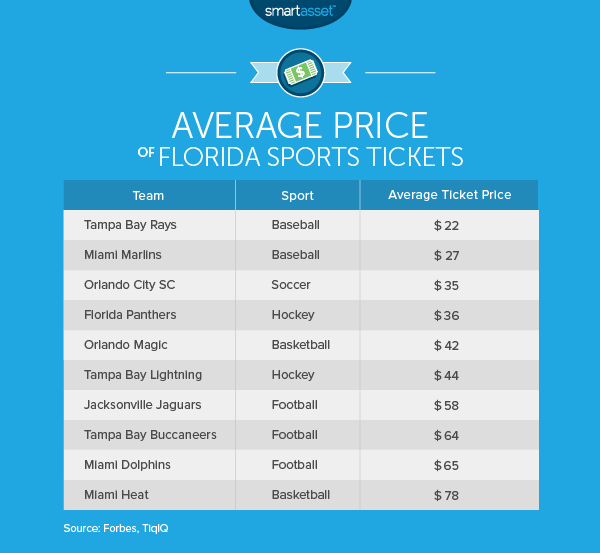
One of the major draws of Florida is its vibrant lifestyle, which often includes dining out and engaging in recreational activities. The cost of these activities can vary wildly. A casual meal at a local diner might cost $15-$25 per person, while a fine-dining experience in a city like Miami can easily set you back $100 or more per person.
Admission to theme parks like Walt Disney World or Universal Studios Florida can be expensive, with single-day tickets often exceeding $100. However, there are numerous free or low-cost attractions, such as beaches, state parks like Everglades National Park, and local festivals, that offer affordable entertainment options.
Many Floridians enjoy outdoor activities like boating, fishing, and golf, which can incur their own costs for equipment, club memberships, or rental fees.
Lifestyle and Income: The Personal Equation
Ultimately, the cost of living in Florida is a deeply personal equation, heavily influenced by your income and lifestyle choices.
Luxury vs. Budget Living
If you’re looking for a luxury travel experience or a high-end lifestyle, Florida can certainly accommodate. Cities like Miami are renowned for their upscale boutiques, five-star hotels such as the Fontainebleau Miami Beach, and gourmet dining. This lifestyle, however, comes with a premium price tag.
Conversely, budget travel and living are very achievable in Florida. By choosing more affordable accommodation options, cooking at home more often, utilizing public transportation where possible, and seeking out free or low-cost activities, you can significantly reduce your expenses. Many retirees choose Florida specifically for its relative affordability compared to other popular retirement destinations, allowing them to stretch their savings further.
Family and Business Considerations
For families, the cost of living includes expenses like childcare, schooling (public vs. private), and family-friendly activities. For business travelers, the cost will be influenced by accommodation choices, dining preferences, and the need for rental cars or ride-sharing services in cities like Jacksonville or Fort Lauderdale.

Conclusion: Is Florida the Right Fit for Your Budget?
The question of “How Much Does It Cost To Live In Florida?” doesn’t have a single, definitive answer. It’s a question that requires introspection about your personal financial situation, your desired lifestyle, and your preferred location within the state.
On average, Florida offers a cost of living that is generally more affordable than the national average, particularly when it comes to housing and taxes (as there is no state income tax). However, this can be offset by higher costs in certain areas, particularly for utilities and hurricane-related insurance.
By carefully researching specific cities and regions, understanding the nuances of the rental and real estate markets, and being mindful of your spending habits on everyday necessities and leisure, you can make an informed decision about whether the Sunshine State is the right financial fit for you. Whether you’re dreaming of a tranquil retirement by the sea, a vibrant urban adventure, or a fun-filled family vacation destination, Florida offers a diverse range of experiences, and with careful planning, can be an accessible and rewarding place to call home.
LifeOutOfTheBox is a participant in the Amazon Services LLC Associates Program, an affiliate advertising program designed to provide a means for sites to earn advertising fees by advertising and linking to Amazon.com. Amazon, the Amazon logo, AmazonSupply, and the AmazonSupply logo are trademarks of Amazon.com, Inc. or its affiliates. As an Amazon Associate we earn affiliate commissions from qualifying purchases.