
Miami is a city defined by its dual identity: a global playground for the wealthy and a rapidly evolving metropolitan hub for the ambitious. As the Magic City gains international prestige, prospective residents and long-term visitors are increasingly asking what it actually costs to plant roots here. Understanding the financial landscape of Florida’s most prominent city requires a look beyond the glitz of South Beach and into the nuts and bolts of urban living.
The Reality of Housing and Rental Markets
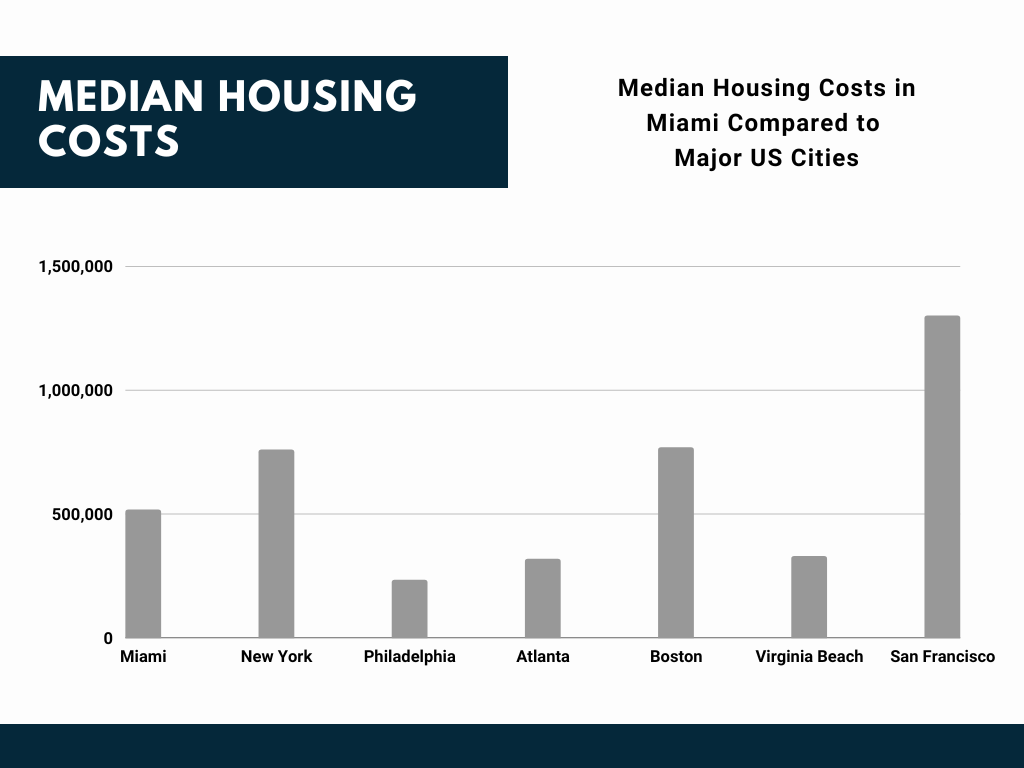
Housing remains the most significant line item in any Miami budget. Over the last few years, the city has experienced a real estate surge that has pushed prices higher than many other major United States cities.
Renting vs. Owning
For those looking to rent, the neighborhood you choose dictates your lifestyle and your bank balance. Premium areas such as Brickell or Edgewater command high monthly premiums for luxury high-rises that offer amenities like concierge services, state-of-the-art gyms, and pools with skyline views. On average, a one-bedroom apartment in these central hubs can range anywhere from $2,800 to $4,500 per month.
If you prefer a quieter, more residential feel, neighborhoods further from the Atlantic Ocean coast—such as Coral Gables or Coconut Grove—might offer slightly more space for the price, though they remain competitive. For those looking to purchase, the entry price for a modest condo in a prime location often starts in the mid-to-high $500,000 range, with taxes and homeowners association (HOA) fees adding several hundred to thousands of dollars to your monthly obligations.
Utilities and Hidden Costs
It is important to remember that Miami living involves more than just rent. Electricity costs are significantly influenced by the intense tropical climate. Keeping an apartment cool during the humid summer months requires heavy air conditioning usage, which can drive utility bills up quickly. Furthermore, if you are purchasing, you must factor in the cost of property insurance, which is a major point of discussion in Florida due to weather patterns and flood risk management.
Daily Expenses: Transportation and Sustenance
Once you have secured a roof over your head, the cost of day-to-day survival becomes the next priority. Miami is historically a car-dependent city, though this is gradually changing.

Transportation Needs
While areas like Downtown Miami offer access to the Metromover—a free public transit loop—most residents find that owning a vehicle is essential for navigating the broader metropolitan area. Between car payments, full-coverage insurance (which is notoriously high in Florida), gas, and parking, a car owner should allocate at least $700 to $1,000 per month to keep their transportation running smoothly. Rideshare services are abundant but can quickly erode a budget if used daily to commute from areas like Wynwood or Little Havana to the business district.
Grocery and Dining Costs
Miami is a culinary capital, boasting world-class dining. However, the cost of groceries and dining out reflects the city’s upscale reputation. A grocery budget for a single person can easily hit $400 to $600 per month depending on where you shop. When dining out, the “Miami tax”—a combination of high demand, service charges, and elevated menu pricing—means that even a standard casual dinner out can be pricier than in other mid-sized American cities. Budget-conscious residents often frequent local staples in Little Haiti for more affordable, authentic meals, whereas dining on Ocean Drive or near Lincoln Road will command a premium.
Lifestyle, Leisure, and Discretionary Spending
The allure of living in Miami is the lifestyle. You aren’t just paying for an apartment; you are paying for access to the arts, nightlife, and beaches.
The Cost of Entertainment
The city is home to incredible cultural institutions. A visit to the Pérez Art Museum Miami or an evening at the Adrienne Arsht Center for the Performing Arts is a quintessential experience. While these venues offer memberships that can save money over time, individual ticket prices are robust. Nightlife is another significant variable. Entrance fees, bottle service, and premium drinks in clubs are part of the local ecosystem, and those who participate frequently in the scene find that their discretionary spending can easily double their monthly budget.
Health, Wellness, and Outdoor Activity
Fortunately, much of the city’s best lifestyle perks are free. The South Pointe Park and the miles of public beaches provide endless entertainment without a price tag. Fitness enthusiasts will find that Miami caters heavily to wellness, with boutique gyms and yoga studios often charging $150 to $250 per month for memberships. Whether you spend your weekends hiking at Oleta River State Park or enjoying the amenities of your building, balancing high-cost indulgences with the natural beauty of the Florida environment is the key to managing a sustainable budget in this city.
Strategic Financial Planning for Miami Residents
To live comfortably in Miami, experts generally suggest that housing costs should not exceed 30% of your gross income, though this can be difficult to achieve in the current market. Many residents choose to mitigate costs by securing roommates or moving to “up-and-coming” neighborhoods that have not yet reached the price ceiling of the primary tourist zones.

Budgeting for the Long Term
Tax advantages represent a significant offset to the high cost of living. Because Florida does not have a state income tax, many residents find that their take-home pay is higher compared to living in cities like New York City or Los Angeles, even when the cost of services is comparable.
When totaling the requirements, a single individual should ideally have a monthly budget of $4,000 to $6,000 to live with a degree of comfort that allows for both savings and enjoyment of the vibrant Miami culture. For those seeking the high-end, luxury lifestyle in buildings overlooking the Biscayne Bay, the sky is truly the limit. Ultimately, the cost of living here is an investment in a unique, sun-drenched, and fast-paced environment that offers an experience unlike anywhere else in the world. By planning carefully, prioritizing expenses, and leveraging the tax benefits of the region, residents can thrive in this iconic coastal metropolis.
LifeOutOfTheBox is a participant in the Amazon Services LLC Associates Program, an affiliate advertising program designed to provide a means for sites to earn advertising fees by advertising and linking to Amazon.com. Amazon, the Amazon logo, AmazonSupply, and the AmazonSupply logo are trademarks of Amazon.com, Inc. or its affiliates. As an Amazon Associate we earn affiliate commissions from qualifying purchases.