
The Boston Marathon, a legendary fixture in the world of distance running, is more than just a race; it’s a pilgrimage for thousands of athletes each year. While the glory of crossing the finish line in Boston is its own reward, the financial investment required to participate can be substantial. From the initial registration fees to the extensive travel and accommodation arrangements, aspiring marathoners face a multifaceted budgeting exercise. This guide delves into the various costs associated with running the Boston Marathon, offering insights for both seasoned runners and those dreaming of their first B.A.A. Boston Marathon experience.
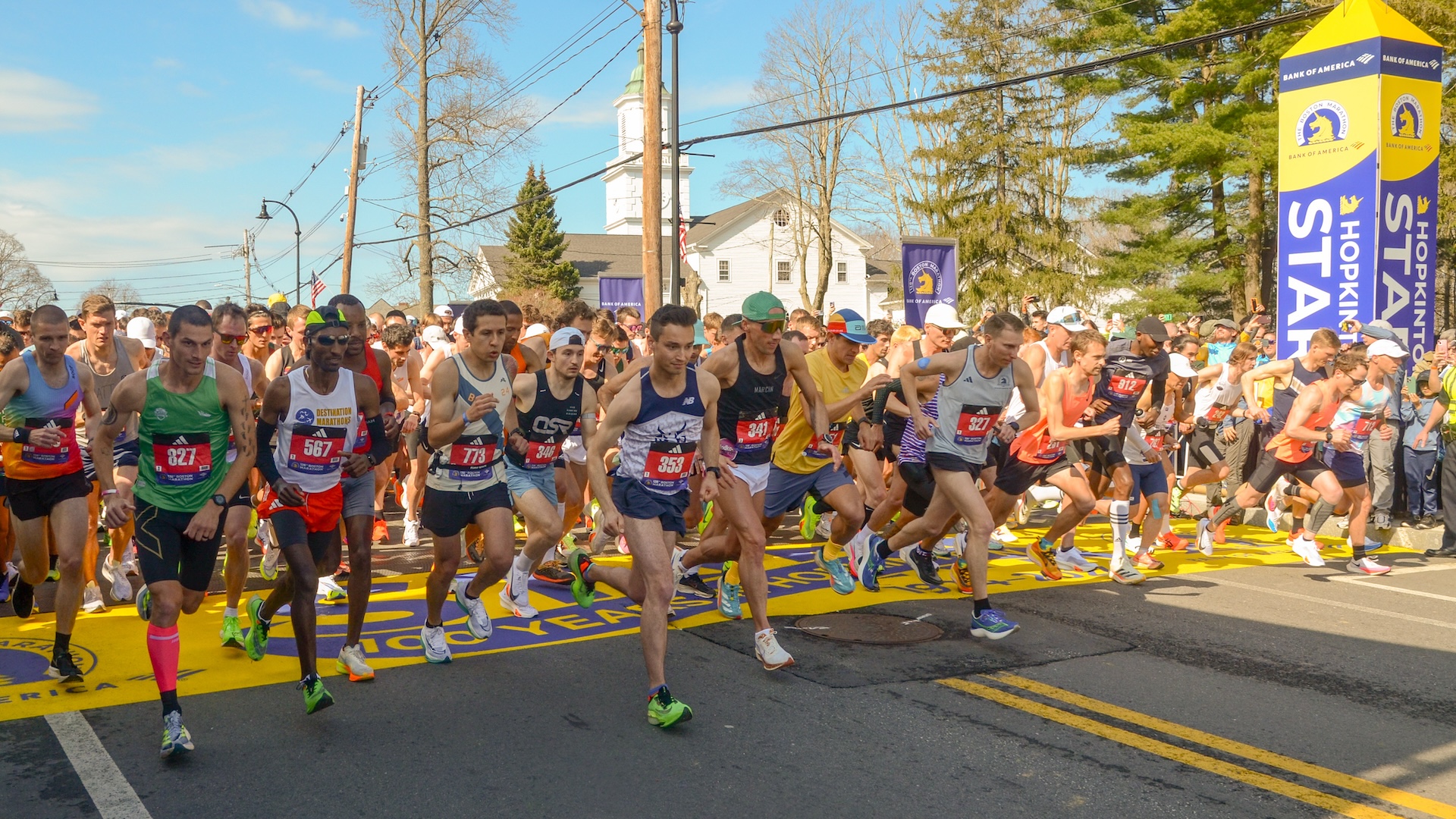
The cost of running the Boston Marathon is a culmination of several key expenditure categories. These include the registration fee, travel to Boston, accommodation for the duration of the trip, and the essential gear and training expenses incurred in the months leading up to race day. Beyond these direct costs, many runners also factor in the cost of pre-race meals, post-race celebrations, and potential charitable fundraising obligations. Understanding each of these components is crucial for developing a realistic budget.
The Core Costs: Registration and Travel
The journey to the Boston Marathon begins with securing a spot in the race itself. The registration process is notoriously competitive, and the associated fees, while not the largest single expense, are the initial gateway to participation. Following this, the significant logistical undertaking of traveling to Boston comes into play.
Registration Fees
The Boston Marathon, organized by the Boston Athletic Association (B.A.A.), has a tiered registration fee structure. These fees can vary annually, reflecting inflation and any changes in event management. For the 2024 edition, for instance, residents of Massachusetts generally pay a slightly lower fee than those from outside the state. The standard registration fee typically ranges from approximately $200 to $250 USD. It’s important to note that these fees are non-refundable and often require runners to meet stringent qualification standards based on previous marathon performance. For those who gain entry through a charity, the registration fee might be waived, but they are then obligated to meet a significant fundraising minimum. This fundraising aspect can add a substantial, albeit voluntary, financial commitment to the overall cost.
Travel Expenses
Getting to Boston from your home base is often one of the most significant financial outlays. The cost of travel will be heavily influenced by your starting point, the time of year you book, and your preferred mode of transportation.
Air Travel
For international runners or those coming from distant parts of the United States, airfare is usually the most practical and often the most expensive travel option. Flights to Boston Logan International Airport can fluctuate dramatically. Booking well in advance, typically six months to a year ahead of the race, can secure more favorable prices. During peak travel times, such as the week of the marathon, prices can soar. A round-trip ticket from a major international hub could range anywhere from $500 to $1,500 USD or even more, depending on the origin city and class of service. Domestic flights within the United States might range from $200 to $600 USD, again, depending on distance and booking timing.
Ground Transportation
For runners located closer to Boston, driving might be a more economical option. The cost of fuel and potential overnight stays on the road can accumulate. For instance, a drive from New York City to Boston would involve fuel costs and possibly tolls, estimated to be between $50 and $150 USD for a round trip. Parking in Boston can also be an additional expense, with hotel parking or public parking garages potentially costing $30-$60 USD per day. Train travel, such as Amtrak from New York City or Washington D.C., offers a comfortable alternative. Train tickets can range from $50 to $200 USD for a round trip, depending on the booking time and service class.
Accommodation and Daily Expenses in Boston
Once in Boston, the need for comfortable and convenient accommodation becomes paramount. The race weekend is a period of high demand, driving up hotel prices significantly. Beyond lodging, daily expenses for food and local transportation also contribute to the overall budget.
Hotel Stays
The cost of hotels in Boston during the marathon weekend is perhaps the most variable and potentially the largest single expense after travel. Hotels in close proximity to the finish line in Back Bay or along the race course are highly sought after.
High-End Hotels
Luxury hotels like the Fairmont Copley Plaza Boston or the Four Seasons Hotel Boston offer premium amenities and proximity to the race action. During marathon week, room rates at these establishments can easily exceed $700-$1,000 USD per night. Given that most runners stay for at least 3-4 nights to acclimate and recover, this can amount to thousands of dollars for accommodation alone.
Mid-Range Options
More moderately priced hotels, such as those found in areas slightly further from the immediate downtown core or those that are part of larger chains like Hyatt or Marriott, can offer a more accessible price point. Even these, however, will see inflated rates during race weekend, with prices potentially ranging from $300 to $600 USD per night. Booking very early is critical to securing these rooms at these rates.
Budget-Friendly Alternatives
For budget-conscious runners, options like Airbnb apartments, hostels (though limited in Boston), or hotels in surrounding towns accessible by public transportation (MBTA) can be explored. Renting an apartment via Airbnb might offer savings, especially for groups, but prices for entire apartments in desirable locations can still reach $200-$400 USD per night. Staying in suburbs like Cambridge or Somerville and commuting via the T (Boston’s public transit system) could reduce accommodation costs to $150-$300 USD per night, but adds travel time and daily transit fares.
Daily Living Expenses
Beyond the hotel room, daily expenses in Boston for food and local transportation can add up.
Food and Dining
Boston offers a wide range of dining options, from quick bites to fine dining. Runners typically need to fuel their bodies with nutritious meals. Budgeting for breakfast, lunch, and dinner, along with post-run snacks and hydration, is essential. A modest daily food budget might range from $70 to $150 USD per person, depending on whether meals are eaten at casual eateries, prepared in an apartment, or at sit-down restaurants. Race week often sees many runners choosing to eat at their accommodation or opt for more casual dining to manage costs and avoid digestive issues.
Local Transportation
While many marathon-related activities are centered around the finish line in Back Bay and the expo at the Boston Convention and Exhibition Center, runners will need to travel. The MBTA (subway and bus system) is an efficient way to get around. A weekly CharlieCard can provide unlimited travel for a reasonable cost, around $22 USD. However, if relying on ride-sharing services like Uber or Lyft, costs can quickly escalate, especially with surge pricing during busy periods. A few taxi or ride-share trips could easily add $50-$100 USD to the budget.
Training, Gear, and Miscellaneous Costs
The financial commitment to running the Boston Marathon extends far beyond the race weekend itself. The rigorous training required throughout the year necessitates investment in specialized gear, nutritional supplements, and potentially professional coaching.
Running Gear and Apparel
High-quality running gear is essential for comfort, performance, and injury prevention. This includes:
- Running Shoes: A good pair of running shoes is paramount. Runners typically go through 2-3 pairs during their marathon training cycle. Each pair can cost between $120 and $180 USD. For the year, this could amount to $360-$540 USD.
- Apparel: Technical running shirts, shorts, compression socks, and weather-appropriate layers are necessary. A comprehensive running wardrobe can cost anywhere from $300 to $800 USD over time, depending on brand choices and frequency of purchases.
- GPS Watch: A reliable GPS watch for tracking pace, distance, and heart rate is a common investment for serious runners. These can range from $200 to $500 USD or more.
- Other Accessories: Items like hydration belts, foam rollers, massage guns, and running lights also add to the gear budget, potentially totaling another $100-$300 USD.
Training and Health
The physical demands of marathon training can lead to unforeseen expenses.
- Nutrition and Supplements: A runner’s diet needs to be optimized for energy and recovery. This may include spending more on healthy foods, energy gels, bars, and recovery drinks. The monthly cost for specialized nutrition could be an extra $50-$150 USD.
- Race Entry for Tune-Up Races: Many runners participate in shorter races (5Ks, 10Ks, half marathons) as part of their training plan. Each race entry fee can range from $30 to $100 USD, and participating in several over a training cycle can add $200-$500 USD to the budget.
- Physical Therapy and Coaching: For some, professional guidance is invaluable. This might include paying for a running coach ($50-$200+ per session), or seeking treatment from a physical therapist for niggles or injuries. These costs can be highly variable, ranging from a few hundred to several thousand dollars depending on individual needs.
- Race Day Essentials: On the day of the marathon, runners will need specific items like anti-chafing balm, energy gels, and potentially specialized race day apparel, which might cost an additional $50-$100 USD.
Miscellaneous Expenses
Finally, there are a host of smaller, often overlooked expenses that contribute to the overall cost of running the Boston Marathon. These can include:
- Pre-Race Dinner: A special, carb-loading dinner on the eve of the race can be a fun tradition, adding $50-$100 USD to the budget.
- Post-Race Celebrations: Celebrating the achievement with friends and family can involve meals or drinks, potentially another $50-$150 USD.
- Souvenirs: Commemorative merchandise from the Boston Marathon is a popular way to remember the experience.
- Travel Insurance: For international runners, travel insurance is a wise investment, covering unexpected medical emergencies or trip cancellations. This could range from $100 to $300 USD.
Estimating the Total Cost
Calculating the precise total cost of running the Boston Marathon is challenging due to the myriad of personal choices and circumstances involved. However, we can provide a general estimate by summing up the various components.
Core Costs:
- Registration Fee: $200 – $250 USD
- Airfare (for non-local runners): $500 – $1,500+ USD
- Accommodation (4 nights, mid-range): $1,200 – $2,400 USD ($300-$600/night)
Daily Expenses (for 4 days):
- Food: $280 – $600 USD ($70-$150/day)
- Local Transportation: $50 – $100 USD
Training and Gear (Annualized or for a single cycle):
- Running Shoes: $360 – $540 USD
- Running Apparel: $300 – $800 USD
- GPS Watch: $200 – $500 USD
- Other Accessories: $100 – $300 USD
- Nutrition/Supplements: $600 – $1,800 USD ($50-$150/month for 12 months)
- Tune-up Races: $200 – $500 USD
- Coaching/Therapy (variable): $0 – $2,000+ USD
Miscellaneous:
- Pre/Post-Race Meals: $100 – $250 USD
- Travel Insurance: $100 – $300 USD (if applicable)
Total Estimated Range (excluding variable coaching/therapy):
For a runner coming from afar and opting for mid-range accommodation, the total cost could conservatively fall within the range of $3,500 to $8,000+ USD.
This estimate can be significantly lower for local runners or those who are extremely budget-conscious, perhaps opting for basic accommodation, cooking most of their meals, and already owning much of their gear. Conversely, a runner seeking luxury hotels, extensive coaching, and premium gear could easily spend upwards of $10,000 USD or more.
The Boston Marathon represents more than just a race entry fee; it’s a significant lifestyle and travel investment. By carefully planning and budgeting for each of these elements, runners can approach their Boston Marathon journey with financial preparedness, allowing them to focus on the unparalleled experience of running one of the world’s most prestigious marathons.