
Navigating the intricacies of time zones can be a subtle yet crucial aspect of travel planning, especially when your destination boasts the vibrant energy and sunny disposition of Miami, Florida. Understanding Miami’s time zone not only helps you synchronize your watch upon arrival but also plays a significant role in booking flights, making reservations, and even planning your daily itinerary. This bustling Floridian metropolis, a jewel of the United States, operates under a specific temporal framework that influences everything from sunrise over the Atlantic Ocean to the start of a lively evening at a South Beach club.
Understanding Eastern Standard Time and Daylight Saving Time in Miami
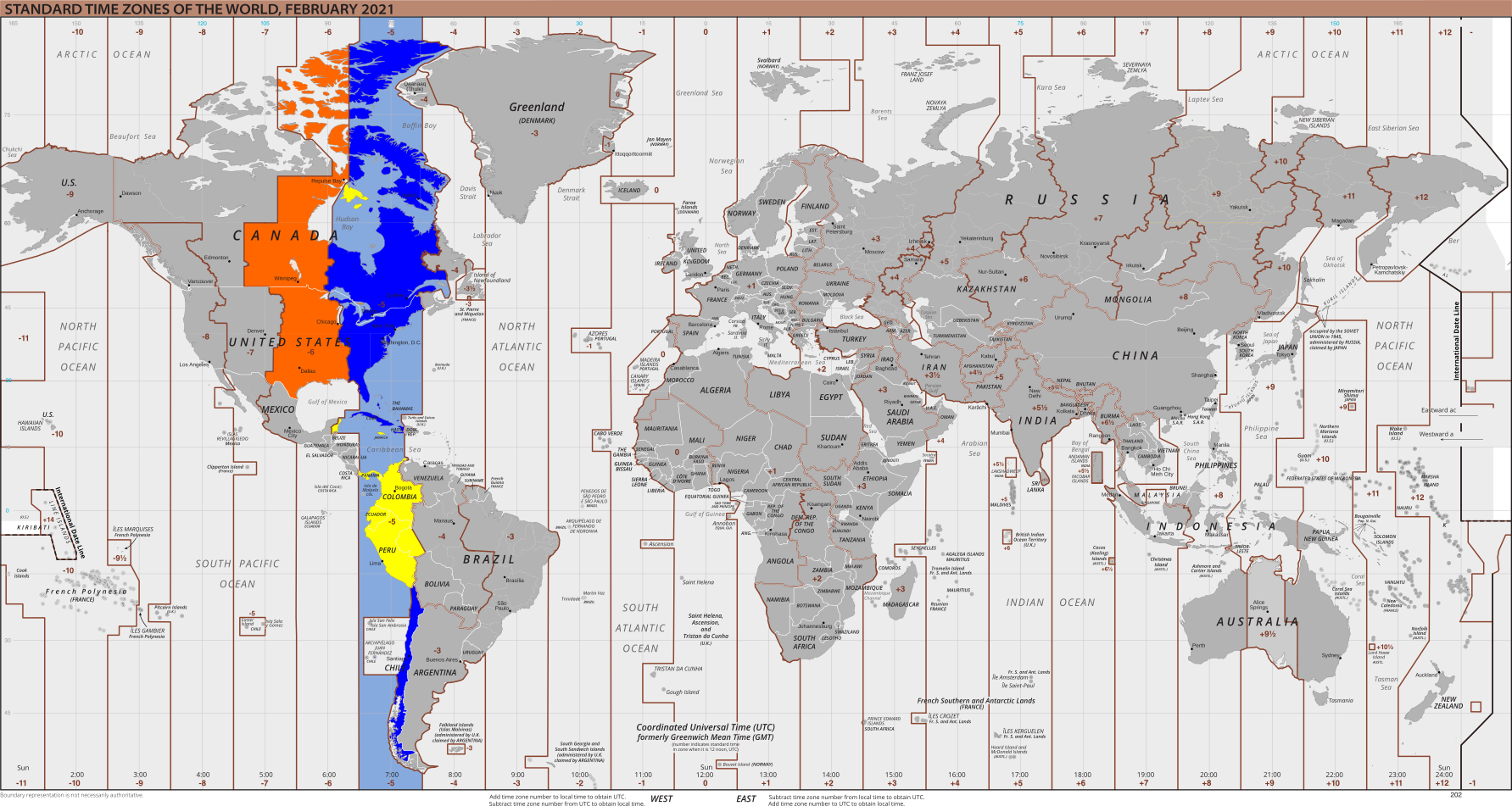
The primary time zone governing Miami, Florida, is Eastern Standard Time (EST). This time zone is used by many states across the eastern half of North America, and Miami proudly adheres to its schedule. EST is UTC−5, meaning it is five hours behind Coordinated Universal Time. This forms the baseline for calculating the local time in Miami.
However, like a significant portion of the United States, Miami also observes Daylight Saving Time (DST). During DST periods, the clocks are advanced by one hour, shifting the time zone to Eastern Daylight Time (EDT). This makes EDT UTC−4, or four hours behind Coordinated Universal Time. The switch to DST typically occurs on the second Sunday in March, and clocks are turned back one hour on the first Sunday in November. This annual adjustment ensures that daylight hours are better utilized during the warmer, longer months, a practice that aligns with the outdoor-centric lifestyle prevalent in Miami.
The observance of DST is a critical factor for travelers. If you’re arriving in Miami from a region that does not observe DST, or one that observes it on different dates, you might find yourself an hour ahead or behind your expected time upon arrival if you haven’t accounted for the change. This can be particularly disorienting when dealing with early morning flights or time-sensitive appointments. Always double-check the current DST status of your departure and arrival locations to avoid any temporal confusion.
The Practical Implications of Miami’s Time Zone
The temporal framework of Miami impacts a multitude of aspects for both residents and visitors, touching upon travel, commerce, and daily life.
Travel and Flight Schedules
For those planning a trip to Miami, understanding the Eastern Time Zone is paramount for booking flights. Airlines list flight departure and arrival times in the local time of the respective airports. Therefore, a flight departing from Los Angeles, which observes Pacific Time (PT), to Miami will have its arrival time listed in EST or EDT. For example, a flight leaving LAX at 10:00 AM PST (UTC−8) might arrive in Miami at 6:00 PM EST (UTC−5), factoring in the three-hour time difference and flight duration. Misunderstanding this can lead to missed connections, late arrivals at hotels, or even confusion about when to pick up a rental car.
When you book your flights, pay close attention to the listed times and their corresponding time zones. Most booking platforms clearly indicate this, but it’s always wise to be vigilant. If you’re connecting through another city, be sure to note the time zone of each leg of your journey. This attention to detail can save you a considerable amount of stress and potential inconvenience.
Accommodation and Booking Confirmations
Similarly, when booking accommodations in Miami, whether it’s a luxurious suite at the [Fontainebleau Miami Beach](https://lifeoutofthebox.com/ આfontainebleau-miami-beach), a cozy apartment in Wynwood, or a sprawling villa in Coral Gables, check-in and check-out times are always stated in the local Miami time. If you’re confirming a reservation from a different time zone, remember to mentally adjust for the difference. A 3:00 PM check-in at your Miami hotel will be 3:00 PM EST or EDT, regardless of what time it is back home. This is particularly important for early check-ins or late check-outs, which may incur additional fees.
Some booking platforms or hotel websites might even have a “local time” indicator, which is a helpful feature for international travelers. However, for domestic travelers within the United States, the assumption is generally that all times refer to the destination’s local time.
Dining and Entertainment Reservations
Miami’s renowned culinary scene and vibrant nightlife thrive on a schedule that is dictated by its time zone. Reservations at popular restaurants, from exquisite fine dining establishments in Brickell to casual beachfront cafes in South Beach, are typically made for EST or EDT. If you plan to experience a famous Miami dining spot like Joe’s Stone Crab, ensure your reservation time aligns with Miami local time.
Furthermore, the timing of evening entertainment, from live music performances in Little Havana to clubbing experiences on Ocean Drive, will be based on Miami’s clock. Knowing the time zone helps you pace your day, whether it’s enjoying a leisurely afternoon at Lummus Park or preparing for a night out.
Business and Professional Engagements
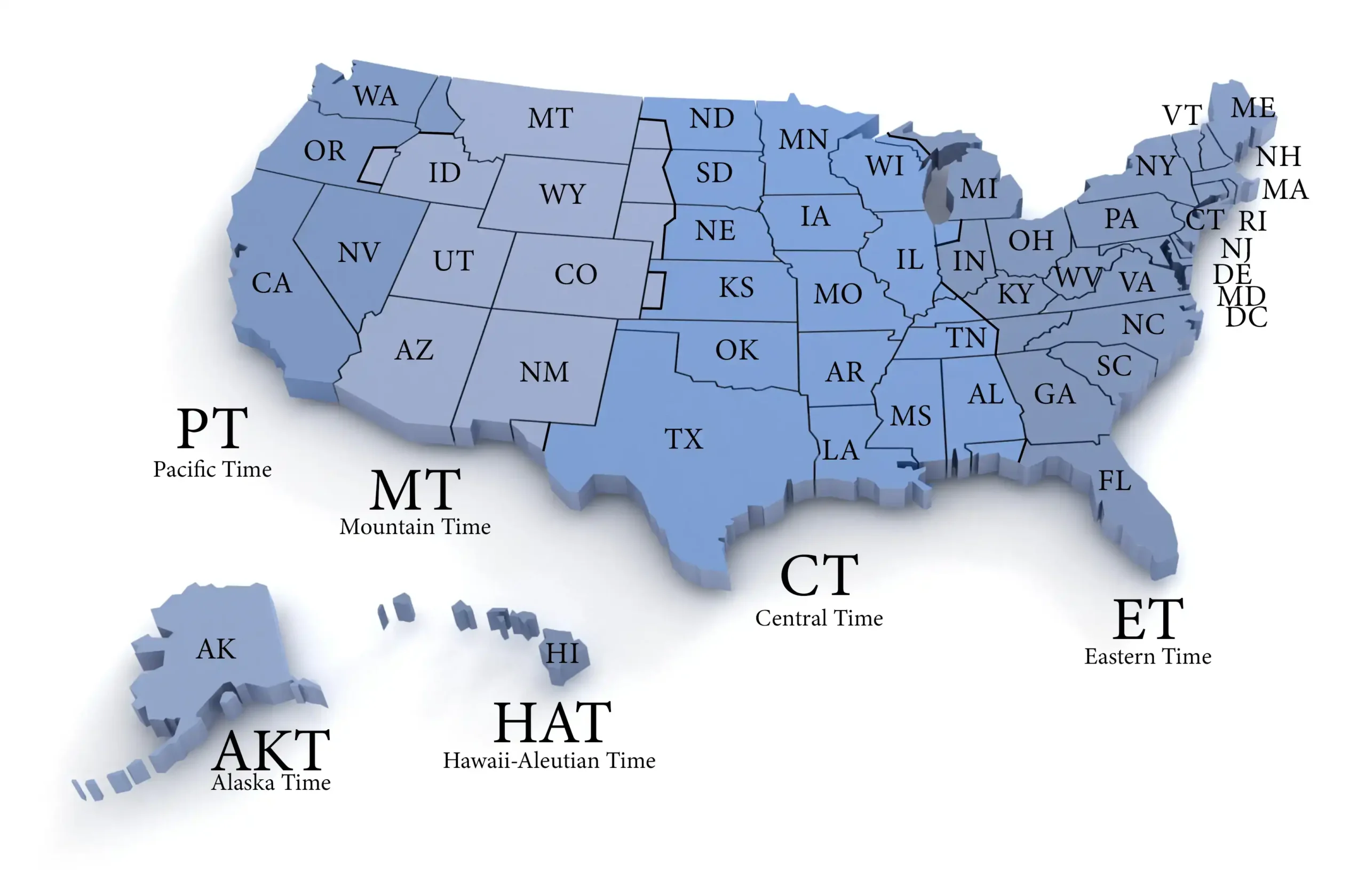
For those visiting Miami for business, adhering to the local time is crucial for maintaining professionalism. Conference calls, meetings, and business appointments are all scheduled according to Miami’s temporal framework. If you are collaborating with teams in different time zones, it’s essential to establish a clear understanding of which time zone is being used for all communications and scheduling. Using tools that convert times across zones can be invaluable in these situations. For instance, scheduling a virtual meeting with a colleague in Chicago (Central Time, CT) or Denver (Mountain Time, MT) requires careful coordination.
Navigating Time Zones: Tips for a Smooth Miami Experience
To ensure your Miami adventure is as seamless as possible, here are some practical tips for managing the time zone difference:
1. Synchronize Your Devices
Upon landing in Miami, the first thing you should do is allow your smartphone and other internet-connected devices to automatically update their time. Most devices are designed to pick up the local time from cellular networks or Wi-Fi. This immediate synchronization is the easiest way to ensure you’re operating on the correct schedule. For older or non-connected devices, manually set the time according to Miami’s local time.
2. Factor in Travel Time and Jet Lag
While the time zone itself is straightforward, the journey to Miami can introduce other temporal challenges. If you are traveling from a significantly different time zone, such as the West Coast of the United States or an international destination, you may experience jet lag. Allow yourself time to adjust. Don’t schedule critical meetings or demanding activities for your first few hours in Miami. Instead, plan for a relaxed arrival, perhaps a stroll along the Miami Beach Boardwalk or a quiet dinner, to help your body acclimate to the new time.
3. Utilize Online Time Zone Converters
When coordinating with people or planning events across different time zones, online time zone converters are invaluable tools. Websites and apps like Time and Date, or even simple Google searches, can quickly show you what time it is in Miami relative to any other location in the world. This is particularly helpful for business communications or for staying in touch with family and friends back home.
4. Be Aware of DST Dates
As mentioned, Daylight Saving Time can cause confusion. Always be aware of the dates when DST begins and ends in both your location and in Miami. This knowledge is essential for accurately calculating time differences, especially around the spring and autumn transition periods. For example, if you are traveling to Miami from New York on the very day DST begins in Florida, the time difference between the two cities might briefly change from what you expect.
5. Plan Activities Around Sunrise and Sunset
Miami is famous for its beautiful sunrises over the Atlantic and stunning sunsets that paint the sky with vibrant colors. Understanding the local time will help you plan to witness these natural spectacles. Knowing when sunrise and sunset occur in Miami allows you to schedule activities like morning jogs on the beach, sunset cruises from Bayside Marketplace, or evening strolls through the vibrant streets of Little Havana with optimal timing.
Miami’s Time Zone in the Context of Florida and the USA
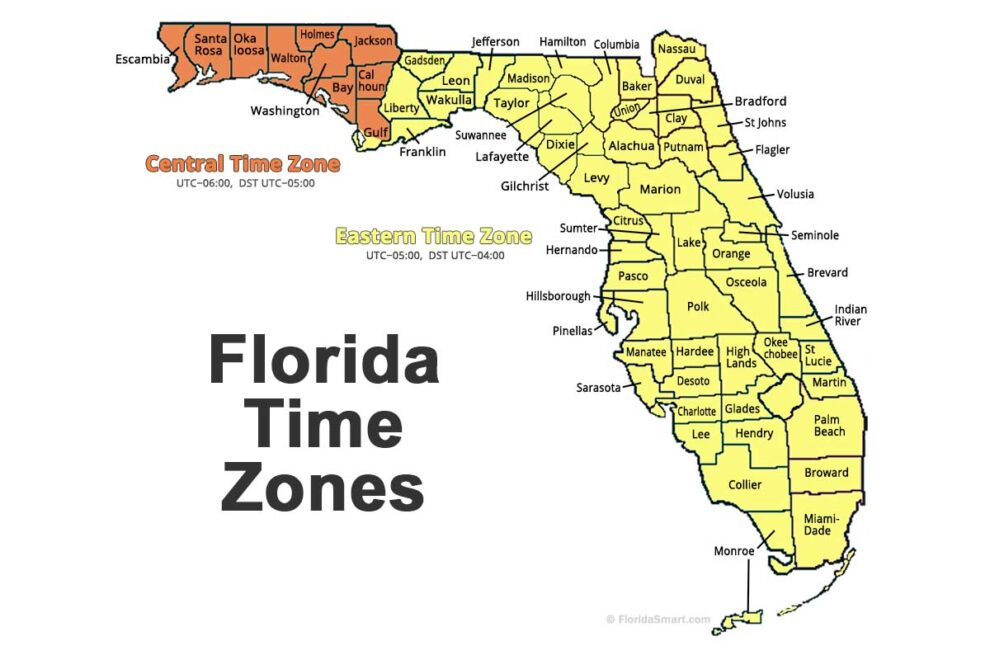
Miami, Florida, is located in the Eastern Time Zone, which covers a vast geographical area of the United States. This includes major cities like New York City, Washington D.C., Philadelphia, and Boston, as well as other parts of Florida, such as Orlando and Tampa. While most of Florida observes the Eastern Time Zone, the westernmost part of the panhandle does observe the Central Time Zone. However, for the vast majority of visitors and residents, Miami and the entire southern Florida peninsula operate under EST and EDT.
Understanding that Miami shares its time zone with a significant portion of the East Coast can simplify planning if you are traveling to multiple cities in this region. For instance, if you are traveling from New York to Miami, the time difference will be negligible, mainly limited to the DST observance. This contrasts with traveling across multiple major time zones within the United States, such as from the East Coast to the Pacific Coast.
This temporal consistency within the Eastern Time Zone region facilitates easier coordination for business, travel, and personal calls. It also means that events broadcast nationally on US television networks, such as sporting events or award shows, will generally start at the same listed time in Miami as they do in New York or Washington D.C., although with the later sunset times in Miami during summer, these events might feel like they start a bit earlier in relation to daylight.
In conclusion, while the question “What Time Zone Is Miami, Florida?” might seem simple, its implications are far-reaching for any traveler or planner. By understanding and applying the principles of Eastern Standard Time and Eastern Daylight Time, you can ensure that your journey to this dynamic Floridian paradise is smooth, enjoyable, and perfectly synchronized. Whether you’re planning a luxury stay at a Miami Beach resort, exploring the art deco architecture of the Art Deco Historic District, or indulging in the diverse culinary landscape, a solid grasp of the local time will enhance your experience, allowing you to fully embrace the magic of Miami.
LifeOutOfTheBox is a participant in the Amazon Services LLC Associates Program, an affiliate advertising program designed to provide a means for sites to earn advertising fees by advertising and linking to Amazon.com. Amazon, the Amazon logo, AmazonSupply, and the AmazonSupply logo are trademarks of Amazon.com, Inc. or its affiliates. As an Amazon Associate we earn affiliate commissions from qualifying purchases.