
For many residents of California, understanding the financial support available through Supplemental Security Income (SSI) is crucial. This federal program, administered by the Social Security Administration, provides a baseline income for adults and children with disabilities or blindness who have limited income and resources, as well as for individuals aged 65 and older without disabilities who meet the financial criteria. What sets California apart is its robust state supplement, known as Supplemental Security Payments (SSP), which significantly increases the total monthly benefit received by eligible individuals and couples.
While the primary purpose of SSI is to ensure basic needs are met, the question of “how much” directly impacts the broader lifestyle choices available, particularly when considering leisure activities like travel. For those relying on SSI in a high-cost-of-living state like California, budget travel isn’t just a preference—it’s a necessity. This article delves into the typical SSI payments in California and explores how recipients can strategically plan and enjoy budget-friendly travel experiences within the Golden State, transforming limited resources into enriching adventures.
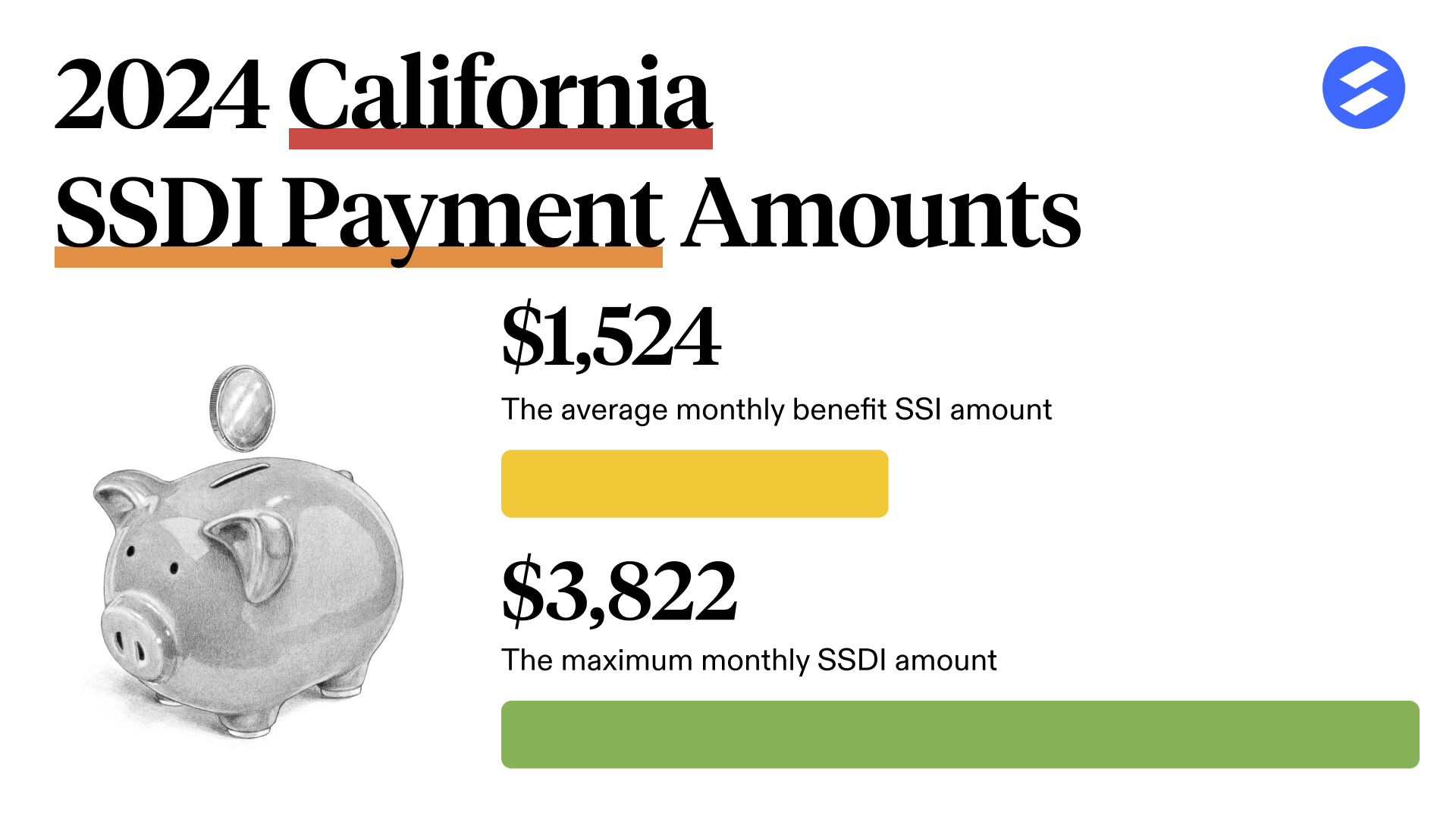
Understanding SSI and SSP in California: The Financial Landscape for Lifestyle Choices
The combined federal SSI payment and California’s SSP are designed to provide a more livable income compared to the federal maximum alone. It’s important to note that these figures can change annually due to cost-of-living adjustments (COLAs) and state budget decisions.
Current SSI/SSP Rates for Individuals and Couples
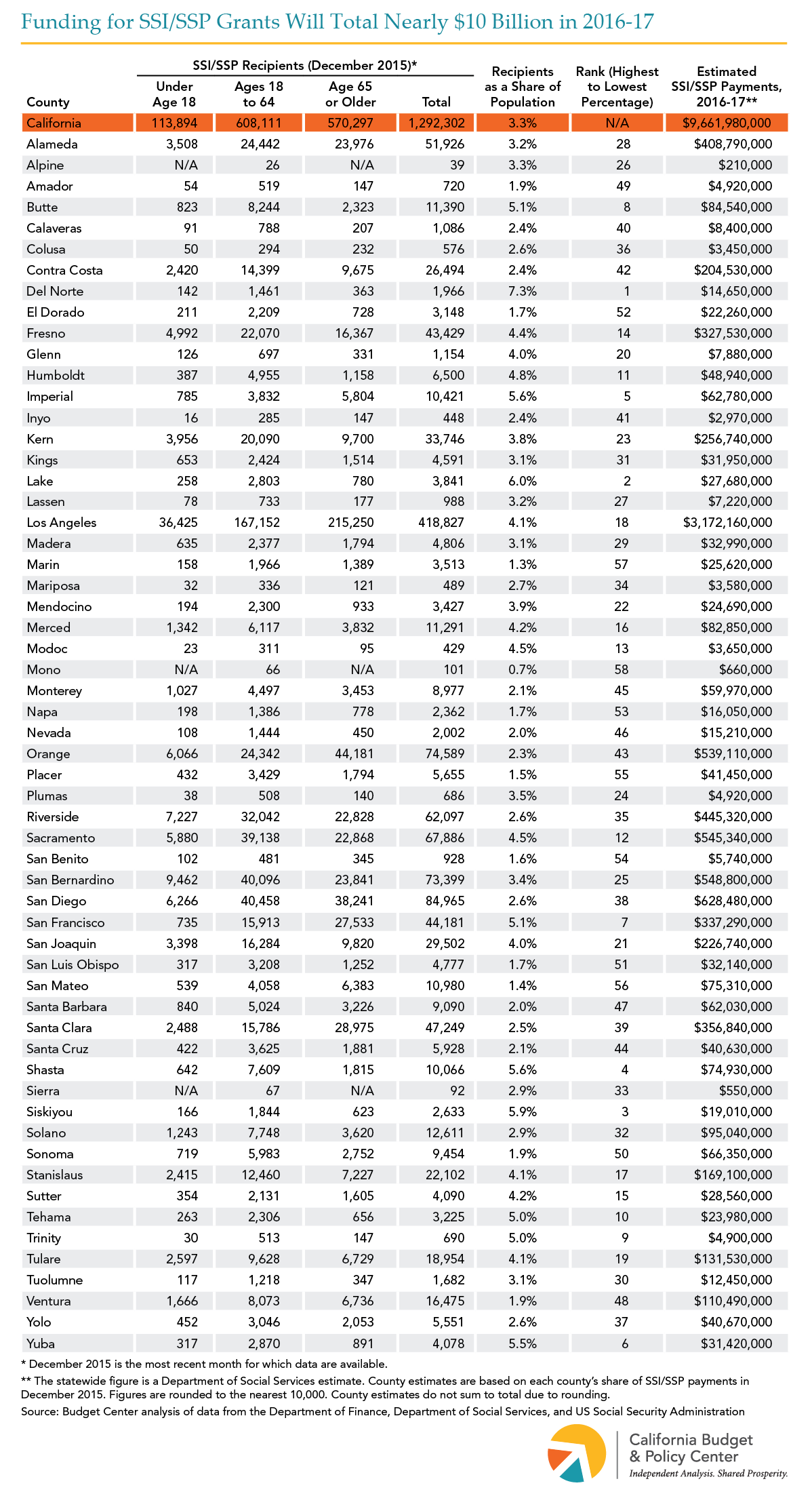
As of recent adjustments (it’s always advisable to check the most current figures from the Social Security Administration or California Department of Social Services), an eligible individual without dependents in California typically receives a federal SSI payment, augmented by a state SSP. For instance, an individual living independently may receive a combined benefit that can exceed $1,000 per month, often closer to $1,100-$1,200. Eligible couples can expect a significantly higher combined payment, reflecting their shared household expenses, often in the range of $1,900-$2,000 per month. These figures represent the maximum federal and state payments for most recipients, though specific amounts can vary based on living arrangements (e.g., living in the household of another, receiving in-kind support and maintenance), countable income, and resources.
This financial foundation forms the basis of all spending, including any discretionary funds for travel. While these amounts are critical for covering basic needs such as housing, food, and medical care in California’s expensive market, they also define the parameters for what constitutes “budget travel” for SSI recipients.
The Cost of Living in California: A Budget Travel Challenge
California is renowned for its stunning diverse landscapes, vibrant cities, and cultural attractions, but also for its exceptionally high cost of living. Housing, in particular, can consume a significant portion of an SSI recipient’s monthly benefit, leaving a modest amount for other expenses. This economic reality means that any form of travel, even within the state, requires meticulous planning and a keen eye for value. For someone on SSI, a “luxury trip” might mean a weekend getaway to a nearby state park rather than an international flight. The pursuit of budget travel becomes an exercise in creativity and resourcefulness, focusing on experiences that are accessible, affordable, and enriching without overstretching limited financial means.
Navigating Budget Travel on a Fixed Income
Traveling on a fixed income, particularly one derived from SSI and SSP, means every dollar must be stretched to its fullest potential. This section explores strategic approaches to make travel a tangible part of life.
Strategic Planning: Maximizing Limited Travel Funds
Effective budget travel begins long before packing a bag. For SSI recipients, this involves:
- Saving Strategically: Even small amounts saved consistently can accumulate over time. Utilizing a separate savings account specifically for travel can help. It’s crucial to be aware of SSI resource limits (typically $2,000 for an individual, $3,000 for a couple) to ensure savings do not jeopardize eligibility. Tools like an ABLE Act account, if applicable, can offer a way to save money without impacting SSI eligibility, as these accounts allow individuals with disabilities to save up to $100,000 without it counting against the resource limit.
- Off-Season Travel: Visiting destinations during their shoulder or off-seasons significantly reduces costs for accommodation, transportation, and sometimes even attractions. California’s diverse climate means many regions offer pleasant weather outside peak tourist times.
- Flexible Dates and Destinations: Being open to different travel dates and alternative destinations can yield substantial savings. Tuesdays, Wednesdays, and Saturdays are often the cheapest days to travel.
- Meal Planning: Food expenses can quickly add up. Packing snacks, making sandwiches, and opting for accommodations with kitchenettes can drastically cut down on dining costs. Exploring local markets for picnic supplies is also a great way to save and experience local culture.
Identifying Affordable Destinations Within California
California offers an incredible array of budget-friendly destinations for those on SSI. The key is to look beyond the most famous, often expensive, locales and discover hidden gems or less-traveled areas.
- State and National Parks: California boasts numerous state parks and iconic national parks like Yosemite National Park. Many offer low-cost camping (often the most affordable lodging) or free day-use access. The National Park Service offers an “Access Pass” for U.S. citizens or permanent residents with permanent disabilities, providing free lifetime admission to national parks and federal recreation lands. This can be an invaluable asset for SSI recipients.
- Smaller Coastal Towns: While destinations like Santa Monica or Laguna Beach can be pricey, smaller coastal towns along the Central Coast or Northern California often offer more affordable lodging and dining options, along with stunning natural beauty.
- Inland Regions and Mountains: Areas like the Sierra Nevada foothills, near Lake Tahoe (outside peak ski season), or the desert landscapes of Southern California can provide unique experiences at a lower cost than major metropolitan areas.
- Day Trips to Major Cities: Instead of staying overnight in expensive cities like San Francisco or Los Angeles, consider a day trip if within a reasonable commuting distance. This allows access to major attractions without the high cost of city accommodation.
Resourceful Travel: Accommodations and Transportation
The largest expenses in travel are typically accommodation and transportation. For SSI recipients, creative solutions are paramount.
Budget-Friendly Lodging Options
- Camping: As mentioned, camping in state or national parks is often the most cost-effective option, offering immersion in nature. Many campgrounds have accessible facilities.
- Hostels: While often associated with younger travelers, many hostels now offer private rooms and cater to a wider age range. They are significantly cheaper than hotels and often include communal kitchens.
- Budget Motels/Hotels: Look for independent motels or budget chains located slightly outside city centers. Booking well in advance or last-minute (if flexible) can sometimes yield deals.
- Home Swaps or House Sitting: For longer stays, if feasible, these options can eliminate accommodation costs entirely.
- Visiting Friends and Family: The most budget-friendly lodging of all, if available.
Public Transit and Senior/Disability Discounts
- Buses and Trains: California’s extensive public transportation network, including Amtrak and regional bus services, can be a cost-effective way to travel between cities. Many of these services offer significant discounts for seniors and individuals with disabilities. For example, Amtrak offers a 10% discount to passengers with a disability.
- Local Public Transit: Within cities, utilizing local buses, light rail, or subways (like BART in the San Francisco Bay Area or Metro in Los Angeles) is far cheaper than taxis or ride-sharing services. Again, senior and disability discounts are widely available.
- Carpooling: If traveling with others, splitting gas costs can make road trips much more affordable.
Experiencing California on an SSI Budget
Even with limited funds, California offers myriad ways to create memorable travel experiences.
Free and Low-Cost Attractions
- Beaches: California’s coastline is largely accessible and free to enjoy. From the iconic shores of Malibu to the rugged beauty of the Redwood Coast, a day at the beach costs nothing but perhaps parking.
- Hiking Trails: Numerous trails, from easy walks to challenging treks, are available across the state, offering breathtaking scenery. Many regional parks offer free admission.
- Museums with Free Days/Hours: Many museums in cities like San Francisco and Los Angeles offer free admission on specific days or evenings. Always check their websites in advance.
- Public Gardens and Parks: Wander through beautiful botanical gardens or sprawling city parks like Golden Gate Park in San Francisco or Balboa Park in San Diego, which often have free sections or attractions.
- Scenic Drives: A drive along Highway 1 or through a wine region (without stopping for paid tastings) offers incredible views and photo opportunities at the cost of gas.
- Farmers Markets and Street Fairs: These events offer a vibrant local experience and are free to browse. Sample local produce and soak in the atmosphere.
Community and Volunteer Travel Opportunities
For some SSI recipients, especially those with some flexibility, volunteer travel can be a fulfilling way to experience new places without incurring significant costs. Programs focused on conservation, community support, or accessible tourism might offer lodging and meals in exchange for work. Organizations like Disability Rights California or local non-profits might have information on such opportunities, or resources for accessible travel.
Financial Planning Beyond the Basics for Travel
While SSI provides a foundational income, thoughtful financial planning can unlock more travel possibilities.
Setting Aside Funds: The ABLE Act and Other Considerations
As mentioned, the ABLE Act is a game-changer for many individuals with disabilities. It allows eligible individuals to save money in a tax-advantaged account without affecting their SSI or Medicaid benefits. Funds in an ABLE account can be used for qualified disability expenses, which can include transportation, housing, and other costs that might be incurred during travel, making it an excellent tool for saving for trips. For those not eligible for an ABLE account, careful budgeting and adherence to SSI resource limits for standard savings are essential.
Health and Accessibility Considerations for Travelers
For SSI recipients who receive benefits due to a disability, planning accessible travel is paramount. Always research the accessibility features of accommodations, attractions, and transportation methods in advance. Websites like AccessC alifornia or Roll With Me can provide valuable information. Additionally, ensuring continued access to necessary medications and healthcare services while traveling, even for short distances, is a non-negotiable part of responsible planning.
In conclusion, while the question of “How Much Does SSI Pay In California?” points to a fundamental aspect of financial stability, its answer profoundly shapes the scope of lifestyle opportunities, including the ability to travel. With the supplemental payments provided by California and careful planning, resourceful SSI recipients can indeed experience the beauty and diversity of the state, proving that an enriching lifestyle, even with budget constraints, is well within reach.
LifeOutOfTheBox is a participant in the Amazon Services LLC Associates Program, an affiliate advertising program designed to provide a means for sites to earn advertising fees by advertising and linking to Amazon.com. Amazon, the Amazon logo, AmazonSupply, and the AmazonSupply logo are trademarks of Amazon.com, Inc. or its affiliates. As an Amazon Associate we earn affiliate commissions from qualifying purchases.