
Navigating the complexities of surrogacy in Texas involves understanding the financial landscape, particularly how health insurance plays a role. While often a deeply personal journey, the financial commitment is significant and can be a source of considerable anxiety for intended parents. This guide aims to demystify the costs associated with surrogacy in Texas, with a specific focus on the impact and potential coverage offered by health insurance plans. Understanding these elements is crucial for effective financial planning and a smoother surrogacy experience.
The Multifaceted Cost of Surrogacy in Texas
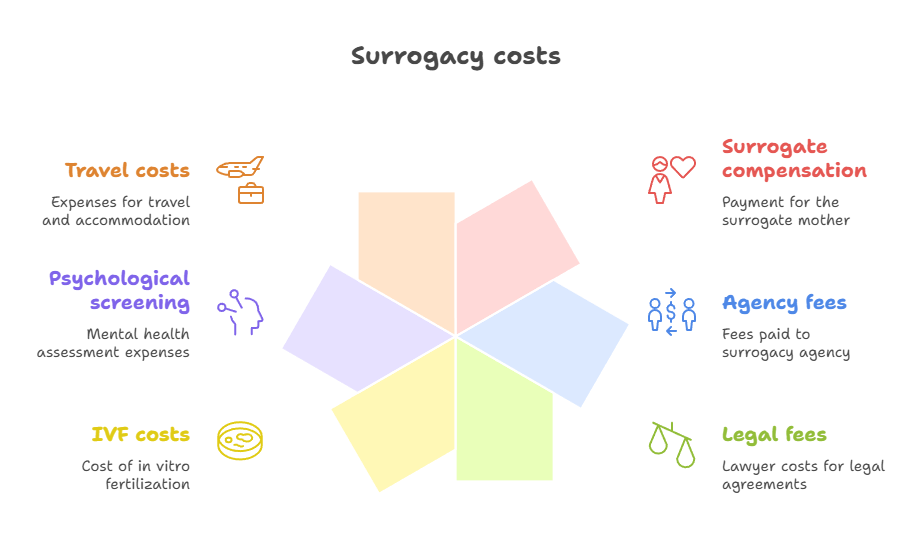
The financial undertaking of surrogacy in Texas is not a single, fixed expense. Instead, it’s a composite of various fees and services, each contributing to the overall cost. Intended parents must prepare for a range of expenditures, from the agency’s operational costs to the medical and legal frameworks that govern the process.
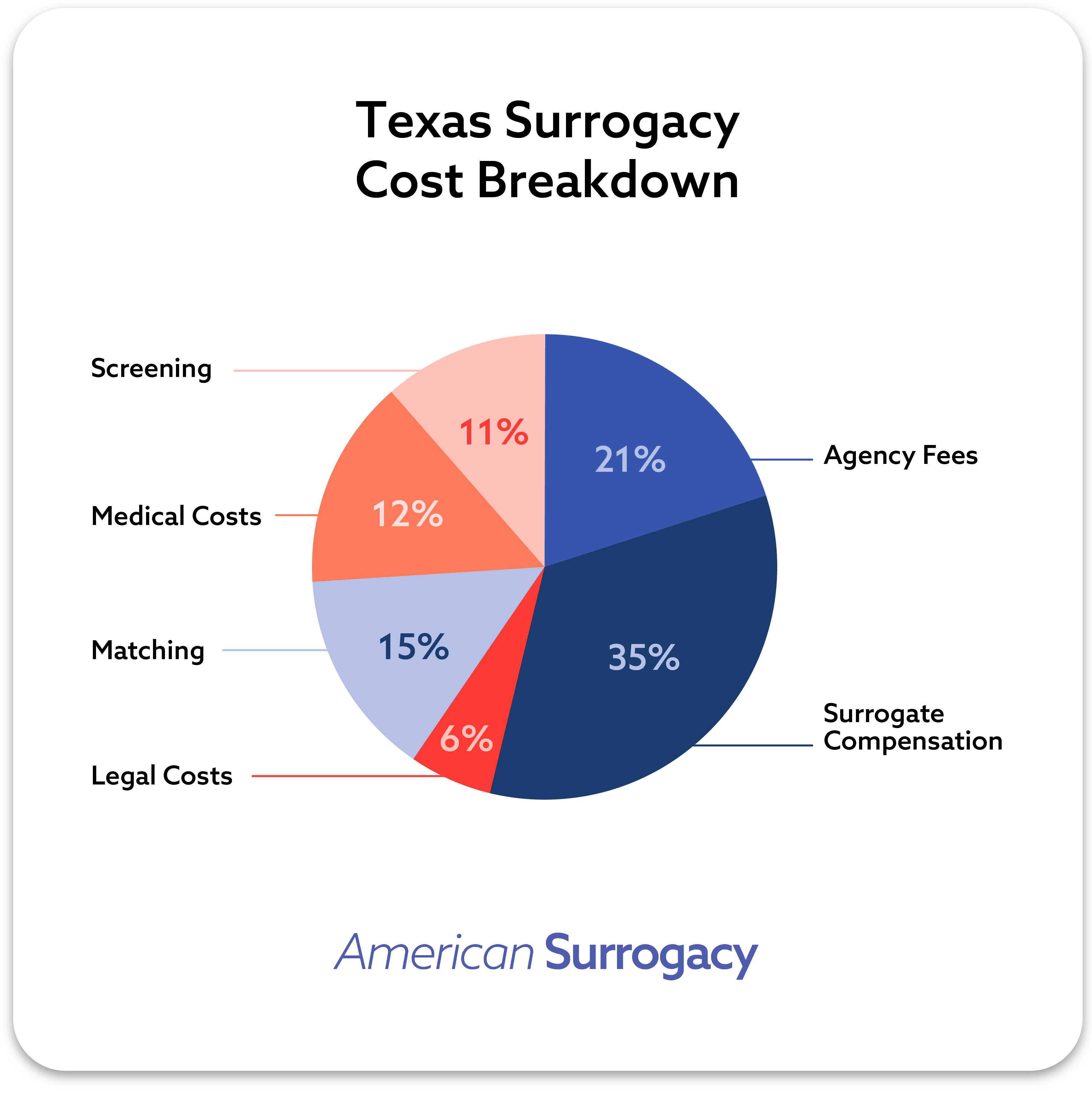
Agency Fees and Services
Surrogacy agencies act as vital intermediaries, guiding intended parents and surrogates through every stage of the journey. Their fees are typically comprehensive, covering a broad spectrum of services designed to ensure a smooth and ethical process. These services include:
- Matching Services: Identifying and screening potential surrogates who meet the intended parents’ criteria. This involves background checks, psychological evaluations, and medical screenings for the surrogate.
- Screening and Support: Providing ongoing support for both the surrogate and the intended parents, including counseling, logistical assistance, and crisis management.
- Case Management: Overseeing all aspects of the surrogacy, from initial consultations to post-birth arrangements. This includes coordinating medical appointments, legal proceedings, and financial disbursements.
- Administration: Covering the agency’s operational costs, including staff salaries, office expenses, and marketing.
The cost of agency fees can vary significantly, often ranging from $20,000 to $45,000 or more, depending on the agency’s reputation, the comprehensiveness of their services, and the specific program offered. Some agencies may also offer tiered packages that cater to different needs and budgets.
Surrogate Compensation
The surrogate’s compensation is a significant portion of the overall surrogacy cost. This is not merely a payment for carrying a child but recognition for the physical, emotional, and time commitments involved. Compensation is typically broken down into several components:
- Base Compensation: A pre-agreed amount for carrying the pregnancy to term. This often ranges from $30,000 to $50,000, with variations based on the surrogate’s experience, geographic location within Texas, and the specific terms of the surrogacy agreement.
- Monthly Allowance: A stipend provided to the surrogate each month throughout the pregnancy to cover expenses such as increased food intake, maternity clothing, travel to appointments, and other incidentals.
- Lost Wages: Compensation for any time the surrogate needs to take off from work due to medical appointments, bed rest, or recovery after birth.
- Other Expenses: This can include compensation for things like a C-section, miscarriage, termination of pregnancy (under specific circumstances), or if the pregnancy results in multiples.
It is crucial that this compensation is ethically determined and clearly outlined in the surrogacy contract to avoid misunderstandings.
Legal Fees
The legal framework surrounding surrogacy is paramount for protecting the rights and responsibilities of all parties involved. Intended parents will need to engage legal counsel specializing in reproductive law. Legal fees encompass:
- Drafting and Reviewing the Surrogacy Agreement: This comprehensive legal document outlines all aspects of the surrogacy, including parental rights, responsibilities of each party, compensation, medical decisions, and post-birth arrangements.
- Establishing Parentage: Legal procedures to ensure the intended parents are recognized as the legal parents of the child from birth. This often involves pre-birth orders or post-birth adoptions, depending on Texas law.
- Consultation and Advice: Providing guidance on legal requirements, rights, and potential issues throughout the surrogacy journey.
Legal fees can range from $5,000 to $15,000, depending on the complexity of the case and the attorney’s rates.
Medical Expenses
Medical costs constitute a substantial part of the surrogacy journey, encompassing a wide array of treatments and consultations. These expenses are often managed through a dedicated escrow account.
- In Vitro Fertilization (IVF) and Embryo Transfer: The process of creating embryos (often using eggs from an egg donor or the intended mother and sperm from the intended father or a sperm donor) and transferring them to the surrogate’s uterus. This is a significant upfront cost, usually ranging from $15,000 to $30,000 per cycle.
- Surrogate’s Medical Care: This includes all prenatal care, delivery costs, and postpartum care for the surrogate. It’s important to note that this is separate from the surrogate’s personal health insurance, as these are direct costs related to the surrogacy pregnancy.
- Egg Donor Costs (if applicable): If an egg donor is used, intended parents will incur costs for the donor’s medical screenings, compensation, travel, and any related legal fees. Egg donor compensation typically ranges from $5,000 to $10,000.
- Sperm Donor Costs (if applicable): If a sperm donor is used, there will be costs associated with purchasing sperm from a sperm bank.
- Maternity Care: This includes all prenatal visits, ultrasounds, lab tests, and any necessary specialist consultations during the pregnancy.
- Delivery and Birth: Hospital fees, obstetrician fees, anesthesiologist fees, and any potential costs associated with a C-section or other interventions.
- Postpartum Care: The surrogate’s medical care following childbirth.
- Complications and Emergencies: Provisions for unexpected medical issues that may arise during pregnancy or delivery, such as bed rest, miscarriage, or premature birth.
Escrow Account and Other Fees
A crucial element of financial management in surrogacy is the establishment of an escrow account. This account is managed by a third-party escrow agent and holds funds for all surrogate-related expenses, including compensation, monthly allowances, medical bills, and legal fees.
- Escrow Account Management Fees: The agency or escrow company will charge a fee for managing this account, typically a percentage of the total funds held or a flat administrative fee.
- Background Checks and Screenings: Costs associated with thoroughly vetting the surrogate and intended parents.
- Life and Disability Insurance for the Surrogate: Policies are often required to protect the surrogate and her family in case of unforeseen circumstances during the pregnancy.
- Travel Expenses: Costs associated with travel for the surrogate, intended parents, and potentially an egg or sperm donor for medical appointments and the birth.
The Role of Health Insurance in Texas Surrogacy

The question of how much surrogacy costs with insurance in Texas is complex because insurance coverage for surrogacy is not as straightforward as for other medical procedures. Historically, health insurance policies have treated surrogacy as an exclusion, meaning they do not cover costs directly related to the process. However, there have been shifts, and understanding the nuances is key.
Understanding Insurance Coverage Limitations
Most health insurance plans, whether individual, employer-sponsored, or government-provided, explicitly exclude coverage for:
- Surrogacy Agency Fees: These are considered service fees and are not medical expenses.
- Surrogate Compensation: This is an agreement between intended parents and the surrogate, not a medical service.
- Egg/Sperm Donor Fees: Costs associated with donors are typically not covered.
- Legal Fees: These are contractual and legal expenses.
Potential for Medical Expense Coverage
While the surrogacy process itself is often excluded, health insurance may cover certain medical expenses related to the pregnancy, delivery, and postpartum care. The extent of this coverage depends heavily on the specific insurance policy.
- Surrogate’s Personal Health Insurance: The most common scenario is for the surrogate to use her own health insurance to cover her medical care during the pregnancy and delivery. However, many policies have clauses that exclude coverage for pregnancies carried for others or pregnancies resulting from assisted reproductive technologies. Intended parents are typically responsible for any co-pays, deductibles, or uncovered medical expenses incurred by the surrogate.
- Intended Parents’ Health Insurance: In some rare instances, intended parents might be able to add the surrogate to their insurance plan during the pregnancy, but this is uncommon and often complex due to legal and contractual reasons. More likely, if the surrogate is not covered by her own insurance or has insufficient coverage, intended parents may need to purchase a specific health insurance policy for the surrogate or ensure their chosen surrogacy agency has a plan that addresses this gap.
- Employer-Sponsored Plans: Some large employers are beginning to offer surrogacy benefits, which may include coverage for certain surrogacy-related medical costs or even agency fees as part of their family-building benefits. It is crucial for intended parents to thoroughly review their employer’s benefits package.
- “Healthy Texas” or Medicaid: While these programs provide essential healthcare, they generally do not cover surrogacy-related expenses, and coverage for pregnant individuals often has specific eligibility requirements.
The Importance of a “Surrogacy Rider” or Specific Policy
Given the limitations, intended parents often need to secure a specialized insurance plan or a “surrogacy rider” to cover potential medical shortfalls for the surrogate. This is a critical step to avoid unexpected and potentially crippling medical debt.
- What it Covers: A surrogacy-specific insurance policy or rider typically aims to cover the surrogate’s medical expenses that her personal insurance may deny or limit, such as costs related to IVF, multiple births, or complications during pregnancy and delivery.
- Cost: The cost of such a policy can vary widely, from a few thousand dollars to tens of thousands, depending on the coverage level, the surrogate’s medical history, and the perceived risk of the pregnancy.
- Negotiation: This is often a point of negotiation within the surrogacy contract. The intended parents are almost always responsible for securing and paying for this insurance.
Financial Planning and Management in Texas Surrogacy
Effective financial planning is non-negotiable for intended parents embarking on a surrogacy journey in Texas. The total cost can range significantly, typically from $100,000 to $200,000 or more, depending on the factors outlined above.
Budgeting for the Unexpected
It is highly advisable to build a contingency fund into the budget. Surrogacy journeys can encounter unforeseen challenges, such as multiple IVF cycles, medical complications, or extended bed rest for the surrogate, all of which add to the financial burden. A contingency of 10-20% of the estimated total cost is a prudent approach.
Understanding Escrow Accounts
As mentioned, an escrow account is a vital financial tool. It ensures that funds are disbursed appropriately and only when services are rendered or expenses are incurred.
- Initial Deposit: Intended parents typically make an initial deposit into the escrow account upon signing the surrogacy agreement.
- Fund Replenishment: As expenses are paid out from the escrow account, intended parents will need to replenish it to maintain the agreed-upon balance.
- Transparency: Reputable escrow services provide detailed statements and transparency regarding all transactions.
Navigating Insurance Verification
Before embarking on the surrogacy journey, intended parents must engage in thorough insurance verification. This involves:
- Working with the Agency: Your surrogacy agency should have experience guiding you through this process and can often provide a list of questions to ask insurance providers.
- Direct Communication with Insurance Providers: Contact the insurance company directly to inquire about coverage for surrogacy-related medical care for the surrogate. Be specific about the situation (e.g., “Is pregnancy carried for another individual covered?”).
- Reviewing Policy Documents: Carefully read the surrogate’s insurance policy documents, looking for exclusions related to assisted reproduction or carrying a pregnancy for non-relatives.
- Consulting with Legal Counsel: Your reproductive attorney can provide crucial advice on insurance matters and help interpret policy language.
Financing Options
For many, the total cost of surrogacy can be a significant hurdle. Various financing options may be available:
- Personal Savings: The most straightforward approach, if feasible.
- Loans: Personal loans, home equity loans, or lines of credit can be considered.
- Surrogacy Financing Companies: Specialized companies offer loans or financing packages specifically for fertility treatments and surrogacy.
- Crowdfunding: Some intended parents turn to crowdfunding platforms to help offset the costs.
- Employer Benefits: As mentioned, some employers offer financial assistance for family-building expenses.
By approaching the financial aspects of surrogacy in Texas with meticulous planning, open communication, and a clear understanding of insurance limitations, intended parents can better navigate the journey toward building their families.
LifeOutOfTheBox is a participant in the Amazon Services LLC Associates Program, an affiliate advertising program designed to provide a means for sites to earn advertising fees by advertising and linking to Amazon.com. Amazon, the Amazon logo, AmazonSupply, and the AmazonSupply logo are trademarks of Amazon.com, Inc. or its affiliates. As an Amazon Associate we earn affiliate commissions from qualifying purchases.