
The allure of patrolling the vast natural landscapes of Texas, enforcing wildlife regulations, and contributing to conservation efforts draws many to the profession of a Texas Game Warden. Beyond the inherent rewards of such a career, a significant factor for potential applicants and those interested in the state’s public service sector is compensation. Understanding the salary structure, potential earnings, and factors influencing a game warden’s income is crucial for a comprehensive view of this demanding yet rewarding role.
Understanding the Game Warden Salary Structure
The salary for a Texas Game Warden is primarily determined by the Texas Parks and Wildlife Department (TPWD), the agency responsible for managing the state’s natural resources and wildlife. Compensation is typically structured based on a combination of factors, including the warden’s experience level, rank, specialized training, and the specific responsibilities of their assigned post. New recruits, often referred to as Game Warden Cadets or Trainees, will generally start at a lower pay grade than seasoned wardens with years of dedicated service.
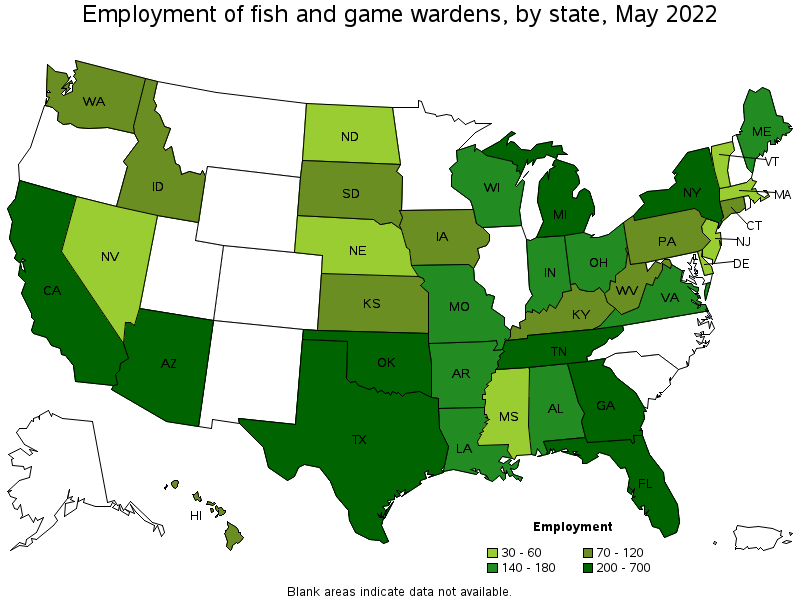
Entry-Level Salaries and Cadet Pay
For individuals entering the field, the initial salary is a key consideration. While exact figures can fluctuate based on the state’s budget and economic conditions, entry-level game wardens typically earn a competitive starting wage. This compensation is designed to attract qualified candidates who are passionate about wildlife conservation and law enforcement. The TPWD often provides a structured pay scale that outlines the progression of earnings as a warden gains experience and moves up in rank or takes on more complex duties.
For example, a Game Warden Cadet undergoing training might earn a salary in the range of $40,000 to $50,000 annually. This period is intensive, involving rigorous training in law enforcement, wildlife management, and environmental science. Upon successful completion of the academy and field training, their salary will typically see an increase, reflecting their full certification as a Texas Game Warden.
Mid-Career and Experienced Warden Earnings
As a game warden accumulates experience, their earning potential grows significantly. The salary increases are generally tied to performance, tenure, and the acquisition of advanced skills or certifications. A game warden with five to ten years of service can expect to earn considerably more than an entry-level officer. This progression is a standard practice in many public service professions, rewarding loyalty and expertise.
Mid-career wardens, those with a solid track record and a deep understanding of Texas wildlife and conservation laws, might find their salaries ranging from $50,000 to $70,000 per year. This range can be further influenced by geographic location within Texas, as the cost of living can vary. Wardens assigned to remote or particularly challenging territories might receive additional stipends or benefits to offset these factors.
Senior Wardens and Supervisory Roles
The highest earning potential within the game warden profession lies with those who achieve senior ranks or move into supervisory and leadership positions. These roles often involve managing teams of wardens, overseeing specific wildlife management areas, or taking on administrative responsibilities within the TPWD. These positions require not only extensive field experience but also strong leadership and decision-making capabilities.
Senior game wardens or those in leadership roles, such as lieutenant or captain, can see their annual salaries climb into the $70,000 to $90,000 range, and in some cases, even higher. These figures reflect the added responsibility and the specialized knowledge required to manage complex conservation initiatives and enforce regulations across large geographical areas.
Factors Influencing Game Warden Compensation
Several key elements contribute to the overall compensation package of a Texas Game Warden. Beyond the base salary, these factors can significantly enhance the financial and overall benefits of the position, making it a comprehensive career choice for many.
Experience and Tenure
As previously mentioned, experience is a primary driver of salary. Each year of service as a game warden adds to an individual’s value and expertise, which is reflected in their pay. The TPWD often has a defined salary matrix where an individual’s pay grade increases incrementally with years of service. This system provides a clear path for salary growth and encourages long-term commitment to the agency.
Rank and Advancement Opportunities
The hierarchical structure within the TPWD offers clear pathways for advancement. Starting as a Game Warden Cadet, an individual can progress through various ranks, such as Game Warden, Senior Game Warden, Lieutenant, and Captain. Each promotion typically comes with a salary increase and greater responsibilities. Opportunities for specialized roles, such as those in investigations, training, or particular wildlife management units, can also lead to higher earning potential.
Location and Geographic Differences
While the TPWD sets a statewide salary structure, the cost of living in different regions of Texas can indirectly influence the perceived value of a game warden’s salary. Wardens stationed in major metropolitan areas like Houston or Dallas, where housing and general expenses are higher, might find their salary stretches less far than for those in more rural or economically modest areas. However, the TPWD aims for a standardized pay scale to ensure fairness across the state. Some remote assignments might also come with additional allowances to compensate for isolation or specific operational needs.
Specialized Skills and Certifications
Texas Game Wardens are often required to possess a wide range of skills beyond basic law enforcement. Specialized training in areas such as boating safety, firearms proficiency, animal tracking, evidence collection, habitat restoration, and advanced investigative techniques can enhance a warden’s capabilities and, in turn, their earning potential. Obtaining certifications in these specialized fields can lead to higher pay grades or eligibility for specific, higher-paying positions within the TPWD.
Benefits Package
It’s important to consider the total compensation, which includes more than just the base salary. Texas Game Wardens typically receive a comprehensive benefits package that adds significant value. This often includes:
- Health Insurance: Robust medical, dental, and vision coverage for the warden and their dependents.
- Retirement Plan: A state-sponsored retirement plan, providing financial security in later years.
- Paid Time Off: Generous vacation days, sick leave, and holidays.
- Life Insurance: Employer-provided life insurance coverage.
- Continuing Education: Opportunities for professional development and training, often at no cost to the employee.
- Uniforms and Equipment: Provision of necessary uniforms, patrol vehicles, and specialized equipment required for their duties.
These benefits can represent a substantial financial advantage, making the overall compensation package highly competitive.
Beyond the Salary: The Intangible Rewards
While understanding the financial aspects of being a Texas Game Warden is essential, it is equally important to acknowledge the intangible rewards that draw individuals to this profession. These elements contribute significantly to job satisfaction and are often cited as primary motivators by those in the field.
Public Service and Conservation Mission
At its core, the role of a game warden is one of public service and environmental stewardship. Wardens are on the front lines of protecting Texas’s invaluable natural resources, from its diverse wildlife populations to its pristine habitats. The opportunity to make a tangible difference in preserving these resources for future generations is a profound source of fulfillment. They play a critical role in ensuring sustainable hunting and fishing practices, protecting endangered species, and maintaining the ecological balance of the state’s ecosystems, including iconic areas like the Big Bend National Park or the shores of Galveston Bay.
Outdoor Lifestyle and Autonomy
For individuals who thrive in the outdoors, the game warden profession offers an unparalleled lifestyle. A significant portion of their work is conducted in natural settings, whether patrolling dense forests, vast plains, or winding rivers. This lifestyle appeals to those who prefer an active, mobile career over a desk-bound job. Furthermore, game wardens often enjoy a degree of autonomy in their daily operations, managing their patrol areas and responding to incidents independently. This self-reliance and freedom to operate within their jurisdiction are highly valued aspects of the role.
Law Enforcement and Community Engagement
Game wardens are sworn peace officers with broad law enforcement authority. This aspect of the job provides the opportunity to engage in critical law enforcement activities, ensuring compliance with wildlife and environmental regulations. Beyond enforcement, wardens also serve as educators and ambassadors for the TPWD, engaging with the public through outreach programs, workshops, and community events. This community-oriented aspect allows them to build relationships, foster respect for conservation, and address public concerns related to wildlife and natural resource management.
Challenging and Dynamic Work Environment
The work of a game warden is rarely routine. Each day can bring new challenges, from responding to reports of poaching or habitat violations to assisting with search and rescue operations or investigating complex environmental crimes. This dynamic nature keeps the job engaging and requires constant adaptability and problem-solving skills. The unpredictable nature of wildlife and human interaction with natural environments ensures that game wardens must be prepared for a wide array of situations.
The Path to Becoming a Texas Game Warden
Aspiring Texas Game Wardens must meet stringent qualifications and undergo a comprehensive selection and training process. Understanding these requirements provides context for the dedication and skill set expected of individuals in this role, which in turn influences their earning potential and career progression.
Educational Requirements and Qualifications
Candidates typically need to possess at least a bachelor’s degree from an accredited college or university. While specific majors may be preferred (such as wildlife management, criminal justice, biology, or environmental science), the TPWD emphasizes a strong academic record and a commitment to the department’s mission. In addition to educational qualifications, applicants must meet physical fitness standards, possess a valid Texas driver’s license, and pass a thorough background investigation.
The TPWD Law Enforcement Academy
Successful applicants will then embark on a rigorous training program at the Texas Parks and Wildlife Department Law Enforcement Academy. This academy is known for its demanding curriculum, covering topics such as advanced law enforcement tactics, wildlife identification and management, environmental law, investigative procedures, firearms training, and survival skills. The successful completion of this academy is a prerequisite for becoming a certified game warden and is the first step in the earning potential outlined earlier.

Field Training and Ongoing Development
After graduating from the academy, new game wardens typically enter a period of field training under the supervision of experienced officers. This practical, hands-on experience is invaluable for applying classroom knowledge in real-world scenarios. Throughout their careers, Texas Game Wardens are also expected to participate in continuous professional development, staying current with evolving wildlife management techniques, conservation strategies, and law enforcement best practices. This commitment to ongoing learning reinforces their value and can contribute to future salary increases and opportunities for advancement.
In conclusion, the earning potential for Texas Game Wardens is a multifaceted aspect of a career dedicated to conservation and public service. While the base salaries are competitive and increase with experience and rank, the comprehensive benefits package and the profound intangible rewards—such as contributing to environmental protection and enjoying an outdoor lifestyle—make this profession a unique and fulfilling path for those passionate about Texas’s natural heritage.
LifeOutOfTheBox is a participant in the Amazon Services LLC Associates Program, an affiliate advertising program designed to provide a means for sites to earn advertising fees by advertising and linking to Amazon.com. Amazon, the Amazon logo, AmazonSupply, and the AmazonSupply logo are trademarks of Amazon.com, Inc. or its affiliates. As an Amazon Associate we earn affiliate commissions from qualifying purchases.