
Navigating the financial landscape of unemployment in the Lone Star State involves understanding the benefits provided by the Texas Workforce Commission (TWC). While the phrase “How Much Does Texas Unemployment Pay?” is a direct inquiry, the answer is not a single, fixed amount. Instead, it’s a calculation based on an individual’s past earnings, the state’s maximum benefit allowance, and the duration of their unemployment. This guide delves into the intricacies of Texas unemployment benefits, exploring the factors that determine payment amounts, the process of receiving them, and important considerations for claimants.
Understanding Texas Unemployment Benefit Calculations
The core of Texas unemployment benefits lies in the concept of “benefit amounts” and “maximum benefit amount.” The TWC determines your weekly benefit amount based on your previous wages earned in Texas. This calculation is designed to provide a portion of your lost income, aiming to offer a financial cushion during your job search.

The Base Period and Wage History
To calculate your potential weekly benefit, the TWC examines your “base period” wages. This typically refers to the first four of the last five completed calendar quarters before you file your claim. The agency looks at the total wages you earned during this period.
Calculating the Weekly Benefit Amount (WBA)
Your Weekly Benefit Amount (WBA) is a percentage of your average weekly wage during your base period. Specifically, the TWC uses a formula that considers the total wages paid to you during the quarter with the highest earnings within your base period. A portion of these high-quarter wages is then used to determine your WBA. While the exact percentage can fluctuate slightly with legislative changes, it’s generally designed to provide a substantial, though not total, replacement of your previous income.
The Maximum Benefit Amount (MBA)
Beyond the weekly payment, there’s a cap on the total amount of benefits you can receive. This is known as the Maximum Benefit Amount (MBA). The MBA is calculated by multiplying your WBA by the maximum number of weeks for which you can receive benefits. In Texas, the maximum duration for unemployment benefits is typically 26 weeks. Therefore, your MBA is your WBA multiplied by 26. This ensures that even individuals with high WBAs do not receive benefits indefinitely. The TWC also sets a statewide maximum weekly benefit amount, which acts as an upper limit regardless of your individual wage history. As of recent updates, this maximum weekly benefit amount is subject to change and is influenced by the Texas average weekly wage.
Factors Affecting Your Benefit Amount
Several factors can influence the amount of unemployment benefits you receive:
- Wage History: The higher your earnings during your base period, the higher your WBA will likely be, up to the state’s maximum.
- Duration of Employment: If you haven’t worked long enough or earned enough during your base period, you might not meet the minimum requirements to qualify for benefits.
- Reason for Separation: The circumstances under which you left your previous employment are crucial. If you voluntarily quit without good cause or were fired for misconduct, you may be disqualified from receiving benefits.
- Availability for Work: You must be able and available to work and actively seeking employment to continue receiving benefits.
The Process of Receiving Texas Unemployment Benefits
Receiving unemployment benefits in Texas is a structured process involving application, certification, and payment. Understanding each step is vital for a smooth experience.
Filing Your Initial Claim
The first step is to file your initial claim for unemployment benefits. This is typically done online through the Texas Workforce Commission website. You will need to provide detailed information about your employment history, including employers’ names and addresses, dates of employment, and the reasons for separation from each job. It’s important to be accurate and honest in your application.
Weekly Certifications
Once your claim is approved, you must “certify” for benefits each week. This involves answering a series of questions to confirm that you remain unemployed, able and available for work, and actively seeking employment. You can usually certify online or by phone. Failing to certify weekly will result in a delay or loss of benefits for that period.
Payment Methods
Texas unemployment benefits are typically paid via direct deposit or through a debit card issued by the state. Direct deposit is generally the fastest method, with funds often appearing in your account within a day or two of your certification. Debit card payments may take slightly longer. The TWC will provide information on how to set up your preferred payment method.
Potential Delays and Issues
While the TWC strives for efficiency, delays can occur. Common reasons for delays include:
- Incomplete or inaccurate application information.
- Outstanding issues with your claim that require investigation by the TWC, such as disputes over your reason for separation from employment.
- High claim volumes during periods of economic downturn.
If you encounter issues or delays, it’s crucial to contact the TWC directly for clarification and assistance.

Maximizing Your Benefit Experience and Next Steps
Receiving unemployment benefits is a temporary measure designed to support you during your job search. Understanding how to manage these benefits effectively and what to do during your unemployment is key to a successful transition back to work.
Actively Seeking Employment
One of the most critical requirements for receiving unemployment benefits is actively seeking suitable work. The TWC will likely require you to register with their employment services, attend job search workshops, and document your job search activities. Be prepared to provide proof of your efforts if requested. This includes keeping a log of job applications submitted, interviews attended, and any networking activities undertaken.
Utilizing TWC Resources
The Texas Workforce Commission offers a wealth of resources beyond just financial assistance. They provide job search assistance, career counseling, skills training programs, and information on available job openings across the state. Taking advantage of these services can significantly enhance your job search and improve your long-term career prospects. Explore their online portals and local career centers for personalized support.
Understanding Tax Implications
Unemployment benefits are considered taxable income by both the federal government and the state of Texas. You have the option to have federal income tax withheld from your weekly benefit payments. If you choose not to have taxes withheld, you will be responsible for paying estimated taxes to the IRS. The TWC will send you a Form 1099-G at the end of the year detailing the total amount of benefits you received, which you will need for your tax return.
Planning for Your Return to Work
While receiving benefits, it’s an opportune time to reassess your career goals, update your resume, and network with professionals in your field. Consider any skills gaps you may have and explore training or certification programs that could make you more competitive in the job market. Many Texas cities, such as Houston, Dallas, and Austin, offer numerous opportunities for professional development and networking events.
Frequently Asked Questions About Texas Unemployment Pay
To provide further clarity on the subject of how much Texas unemployment pays, here are answers to some common questions.
What is the minimum amount I can receive per week?
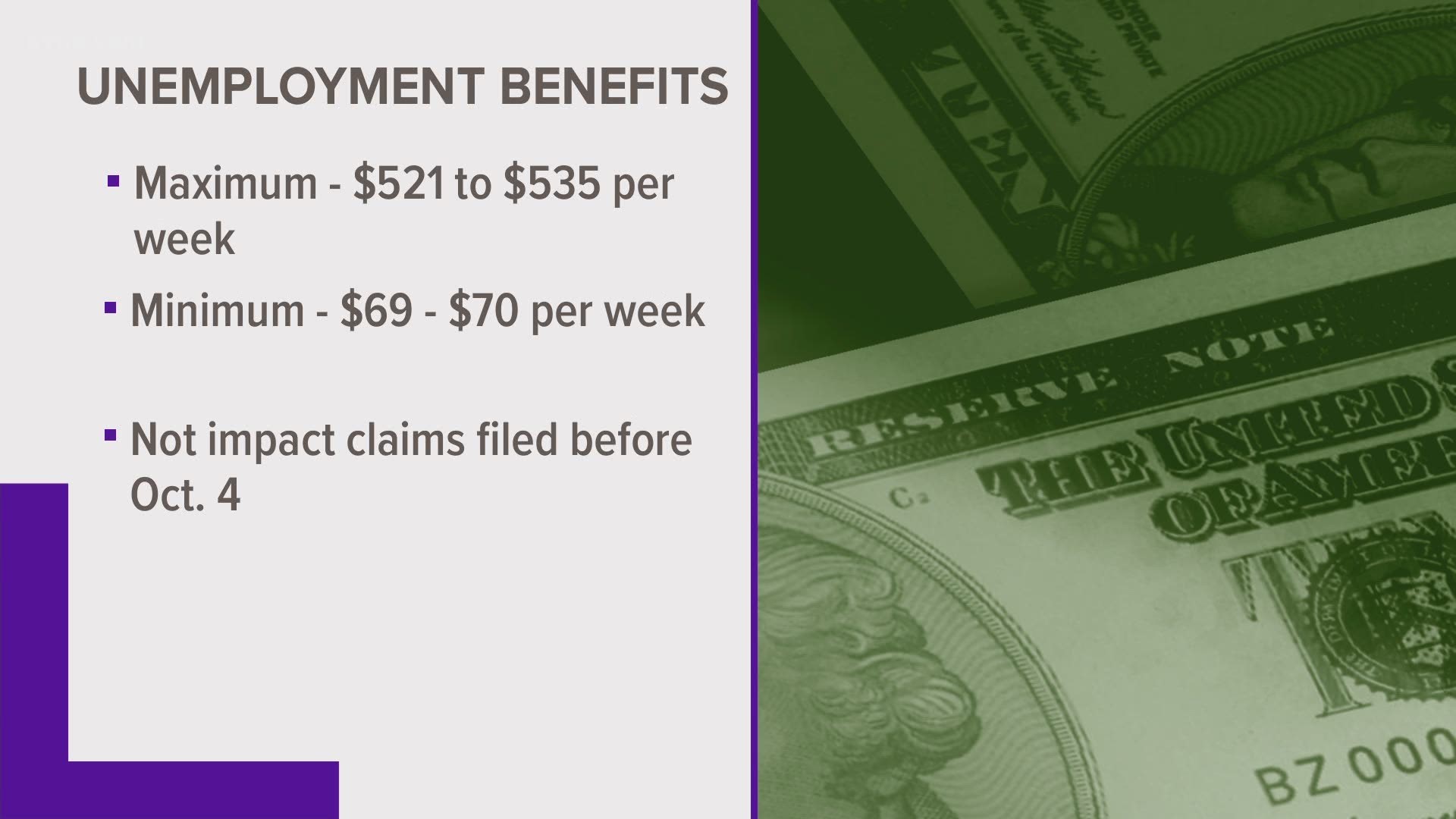
The minimum weekly benefit amount is typically a small sum, often around $80. This is calculated based on low wage history during the base period. However, to qualify for any benefits, you must meet certain minimum earning requirements during your base period.
What is the maximum amount I can receive per week?
The maximum weekly benefit amount in Texas is subject to change annually and is tied to the state’s average weekly wage. For the most current maximum weekly benefit amount, it is advisable to consult the official Texas Workforce Commission website. This figure represents the highest possible payment an individual can receive per week, regardless of their historical earnings.
How long can I receive unemployment benefits?
In most cases, unemployment benefits in Texas can be received for up to 26 weeks. This duration can sometimes be extended by federal or state programs during periods of high unemployment or specific economic conditions. However, the standard duration remains 26 weeks.
What happens if I find a part-time job while receiving benefits?
If you find part-time employment, you may still be eligible to receive partial unemployment benefits. Your weekly benefit payment will be reduced based on your earnings from the part-time job. There is typically an earnings disregard amount; any earnings above this threshold will reduce your benefit payment dollar-for-dollar. The TWC will require you to report all earnings from any employment.
Can I receive benefits if I was fired for cause?
Generally, if you were fired for misconduct or voluntarily quit your job without good cause attributable to the employer, you may be disqualified from receiving unemployment benefits. The TWC will investigate the circumstances of your separation to determine eligibility. Reasons for dismissal that are considered misconduct usually involve deliberate violations of company rules or substantial disregard of the employer’s interests.
How does a severance package affect my unemployment benefits?
A severance package may affect your eligibility for unemployment benefits. Depending on the terms of the severance agreement and how it is paid out (e.g., as a lump sum or in installments), it might be considered earnings for the period it covers, potentially delaying your eligibility or reducing your benefit amount during that time. It is crucial to accurately report any severance pay to the TWC.
What if my employer disputes my claim?
If your former employer disputes your claim for unemployment benefits, the TWC will conduct an investigation. This may involve requesting documentation from both you and your employer and potentially holding a hearing. Your ability to provide clear and consistent information about your separation from employment will be critical in such cases. Maintaining good records of your employment and separation is always recommended.
LifeOutOfTheBox is a participant in the Amazon Services LLC Associates Program, an affiliate advertising program designed to provide a means for sites to earn advertising fees by advertising and linking to Amazon.com. Amazon, the Amazon logo, AmazonSupply, and the AmazonSupply logo are trademarks of Amazon.com, Inc. or its affiliates. As an Amazon Associate we earn affiliate commissions from qualifying purchases.