
Navigating the financial landscape of life can be a complex journey, even when meticulously planned. For individuals committed to a certain lifestyle, whether it involves frequent travel, a specific standard of living, or entrepreneurial pursuits, unforeseen circumstances like job loss can introduce significant challenges. Understanding the safety nets available is crucial for maintaining financial resilience and ensuring that life’s unexpected detours don’t completely derail your chosen path. In Florida, the state’s Reemployment Assistance program serves as a temporary financial bridge for eligible individuals who find themselves out of work through no fault of their own. For those seeking to understand this vital support system, especially as part of a broader lifestyle strategy focused on stability and preparedness, delving into the specifics of unemployment benefits in the Sunshine State is essential. This comprehensive guide will explore the intricacies of Florida’s unemployment system, from eligibility and benefit calculation to the application process, offering insightful details for anyone looking to secure their financial footing amidst life’s uncertainties.

Understanding Florida’s Reemployment Assistance Program
At the heart of Florida’s support system for the unemployed is the Reemployment Assistance program. Formerly known as Unemployment Compensation, this initiative provides temporary wage replacement to qualified individuals, offering a crucial lifeline that can help sustain one’s lifestyle during a period of job searching. For many, maintaining a certain quality of life, including the ability to partake in budget travel or leisure activities, requires consistent income. When that income stream is interrupted, Reemployment Assistance acts as a buffer, allowing individuals to focus on finding new employment without immediate, overwhelming financial distress. Understanding the program’s foundation is the first step toward leveraging it effectively as a component of your overall financial resilience strategy.
What is Reemployment Assistance?
Reemployment Assistance is a state-federal program designed to provide financial aid to workers who have lost their jobs due to circumstances beyond their control. It is not intended as a long-term solution but rather a short-term financial bridge that helps individuals cover essential living expenses while they actively seek new employment. For those who prioritize financial independence and a resilient lifestyle, familiarity with such programs is paramount. It represents a safety net that can prevent minor setbacks from escalating into major financial crises, safeguarding your ability to maintain your chosen lifestyle, even if it requires temporary adjustments. Whether you are a full-time resident or someone whose lifestyle involves seasonal work, knowing that this program exists and understanding how it functions can provide a significant sense of security. It allows for a more controlled transition period, reducing the pressure that often accompanies unexpected job loss and enabling a more strategic approach to re-entering the workforce.
Eligibility Requirements: Who Qualifies?
Qualifying for Reemployment Assistance in Florida involves meeting specific criteria designed to ensure the program supports those genuinely in need. Eligibility is a critical component of accessing benefits, and understanding these requirements is fundamental for anyone considering applying. Generally, to be eligible, you must:
- Be Unemployed Through No Fault of Your Own: This typically means you were laid off, your position was eliminated, or you quit for good cause attributable to the employer. If you were fired for misconduct or quit voluntarily without good cause, you are likely ineligible.
- Have Earned Sufficient Wages: Florida requires claimants to have earned a certain amount of wages during a “base period” – a specific 12-month timeframe used to determine eligibility and benefit amounts. This ensures that the program supports individuals with a verifiable work history.
- Be Able to Work, Available for Work, and Actively Seeking Work: This is a core requirement emphasizing that benefits are for those actively trying to return to employment. You must be physically and mentally capable of working, ready to accept suitable employment, and engaging in concrete job search activities.
- Register for Work: Claimants are generally required to register with a state workforce agency and create a resume, indicating their active participation in the job search process.
Meeting these criteria is non-negotiable for receiving benefits. For individuals who structure their lifestyle around steady employment, understanding these prerequisites means they can confidently assess their eligibility should they ever face an unexpected job loss. It underscores the program’s intent: to support active job seekers rather than those choosing not to work.
Calculating Your Benefits: The Financial Snapshot
Once eligibility is established, the next crucial question for anyone planning their financial future or navigating a period of unemployment is: “How much will I actually receive?” Understanding the method by which weekly benefits are calculated and the duration for which they can be received provides a clear financial snapshot, essential for budgeting and strategic planning within your lifestyle framework. This clarity allows individuals to make informed decisions about their spending, savings, and job search strategies, ensuring that the temporary support maximizes its utility.
How Weekly Benefit Amounts Are Determined: The Formula
In Florida, the weekly benefit amount (WBA) for Reemployment Assistance is calculated based on your earnings during your “base period.” The base period is typically the first four of the last five completed calendar quarters before the week you filed your claim. The state looks at your wages during this period, particularly focusing on your high-quarter wages.
The formula generally involves taking your total wages from the two highest-paid quarters of your base period and dividing them by 26, or in some cases, considering a percentage of your average weekly wage. However, there are strict minimum and maximum weekly benefit amounts:
- Minimum Weekly Benefit: As of recent regulations, the minimum weekly benefit in Florida is typically $32.
- Maximum Weekly Benefit: The maximum weekly benefit in Florida is $275.
This means that no matter how high your past earnings were, your weekly unemployment payment will not exceed $275. This cap is a critical factor for financial planning, especially for individuals accustomed to higher incomes. It necessitates a realistic assessment of living expenses and potential adjustments to lifestyle, even for budget-conscious individuals. Understanding this maximum is vital for anyone using the benefits to bridge a gap, perhaps during a period where a pre-planned budget travel experience might need reconsideration.
Maximum Benefit Duration: Planning Your Financial Bridge
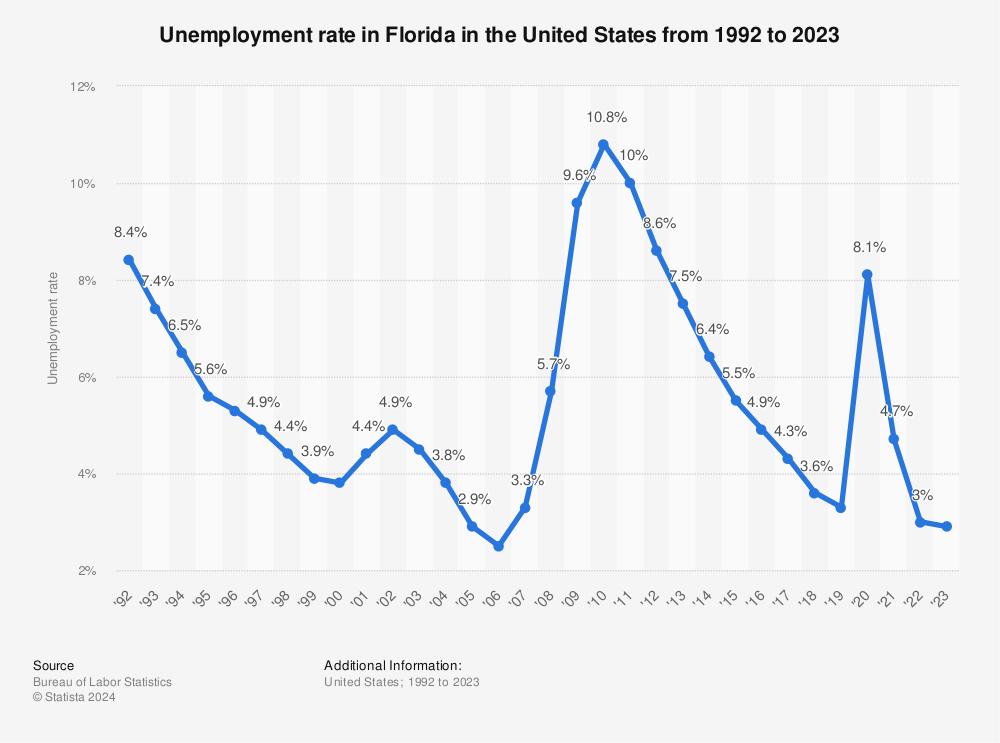
Beyond the weekly amount, the duration of benefits is equally important for financial planning. In Florida, the maximum number of weeks an individual can receive Reemployment Assistance can vary, often linked to the state’s unemployment rate. Historically, the duration has been set at 12 weeks during periods of low unemployment and can increase up to 23 weeks when the unemployment rate is higher.
This variable duration underscores the importance of proactive financial management and rapid reemployment efforts. A 12-week period, while helpful, demands a focused job search and stringent budgeting. For those whose lifestyle includes significant financial commitments, understanding this timeframe means accelerating job search efforts and potentially adjusting spending habits drastically. It reinforces the idea that unemployment benefits are a temporary bridge, not a long-term income source. Planning your financial strategy around this maximum duration allows you to optimize your job search and make the most of the temporary financial relief, ensuring your lifestyle can bounce back stronger.
The Application Process: Navigating the System
Applying for Reemployment Assistance in Florida requires navigating a specific online system and providing accurate documentation. For individuals whose lifestyle demands efficiency and preparedness, understanding this process can reduce stress and expedite the receipt of benefits. The state’s system, known as CONNECT, is the primary portal for filing and managing claims. A smooth application process is key to minimizing delays and ensuring that your financial bridge is established as quickly as possible.
Step-by-Step Guide to Applying: CONNECT and Beyond
The application for Reemployment Assistance in Florida is predominantly an online process through the CONNECT system. While the interface may seem complex at first glance, a methodical approach ensures success:
- Gather Necessary Information: Before you begin, collect all essential documents. This includes your Social Security number, driver’s license or state ID, employment history for the last 18 months (employer names, addresses, phone numbers, dates of employment, and reasons for separation), and gross earnings. If you are a non-citizen, you will need your Alien Registration Number and expiration date.
- Access the CONNECT Portal: Visit the official Florida Reemployment Assistance website to access the CONNECT system. You will need to create an account if you don’t already have one.
- File Your Initial Claim: Carefully fill out all sections of the online application. Be precise and truthful with your information, as discrepancies can lead to delays or denial of benefits.
- Register for Work: As part of the application, you will typically be required to register with Florida’s workforce system (Employ Florida) and create a resume. This demonstrates your commitment to finding new employment.
- Request Benefit Payments Bi-Weekly: Once your claim is active, you must “request benefits” every two weeks (bi-weekly) through the CONNECT system. During this request, you will report any earnings, job contacts, and other relevant information. Failing to request benefits will result in no payment for that period.
Accuracy and consistency throughout this process are paramount. For those accustomed to managing their finances and schedules, treating the application like a professional endeavor will yield the best results.
What to Expect After Applying: Waiting Periods and Reporting
After submitting your initial claim, there are several phases and requirements to be aware of:
- Waiting Week: Florida typically has a non-payable “waiting week.” This means the first week you are eligible for benefits, you will not receive a payment. It serves as a deductible period before benefits begin. Factor this into your immediate financial planning.
- Claim Adjudication: Your claim will undergo a review process (adjudication) to verify eligibility, especially if there are any issues such as the reason for separation from your last employer. This can take several weeks, and you may be contacted for additional information.
- Ongoing Reporting: As mentioned, you must report to the CONNECT system every two weeks, confirming your continued eligibility, reporting job search activities, and disclosing any income received. This includes reporting any part-time work, severance pay, or holiday pay. Failure to accurately report can lead to overpayments that must be repaid.
- Communication: Keep an eye on your CONNECT inbox and personal email for important notices and updates regarding your claim. Respond promptly to any requests for information to avoid delays.
Managing expectations regarding potential delays and consistently meeting reporting requirements are crucial for uninterrupted benefits. For individuals committed to a financially stable lifestyle, understanding these post-application steps ensures they remain compliant and receive the full support they are entitled to.
Beyond the Basic Payout: Additional Considerations for Lifestyle Stability
While the weekly benefit amount is the primary concern, other factors can significantly impact your overall financial stability during unemployment. For those meticulously planning their lifestyle, these considerations extend the utility of the Reemployment Assistance program beyond a simple cash payout, integrating it into a holistic approach to financial health. Addressing these elements proactively can help mitigate further financial stress and smooth the transition back to full employment.
Impact of Part-Time Work and Other Income: Balancing Income and Benefits
One common misconception is that any income earned while receiving unemployment benefits will completely disqualify you. In Florida, this isn’t entirely true. You are permitted to work part-time while receiving Reemployment Assistance, but your weekly benefit amount will be reduced.
Specifically, if your gross earnings in a week are less than your weekly benefit amount, a portion of your earnings (currently $50) is disregarded, and the remaining earnings are deducted from your weekly benefit amount. If your earnings exceed your weekly benefit amount, you will not receive benefits for that week.
This provision is critical for individuals seeking to gradually transition back into the workforce or supplement their benefits. It encourages part-time employment, which can provide valuable income, maintain professional skills, and help alleviate financial strain. For anyone striving to maintain their lifestyle, even through temporary budget travel or reduced spending, understanding how part-time work impacts benefits allows for a strategic balance between temporary support and active income generation.
Taxation of Unemployment Benefits: Financial Planning Reminder
It is essential to remember that Reemployment Assistance benefits are considered taxable income by the Internal Revenue Service (IRS). This means that the payments you receive are subject to federal income tax, and in some cases, state income tax (though Florida does not have a state income tax).
Many individuals forget this crucial detail, leading to unexpected tax bills at the end of the year. You have the option to have federal income tax withheld from your weekly payments. Opting for withholding can prevent a large tax burden later on. Alternatively, you can save a portion of each payment to cover future tax liabilities. For those dedicated to proactive financial planning and maintaining a disciplined lifestyle, budgeting for the taxation of unemployment benefits is a non-negotiable step to avoid future financial surprises.
Resources for Job Seekers: Rebuilding Your Lifestyle
Beyond financial assistance, Florida’s Reemployment Assistance program is intrinsically linked to resources designed to help individuals find new jobs. The ultimate goal of the program is reemployment, and various state-sponsored services are available to support this transition.
These resources typically include:
- Job Search Assistance: Access to job boards, resume-building workshops, and interview coaching.
- Training and Skill Development: Programs that help individuals acquire new skills or refresh existing ones, making them more competitive in the job market.
- Career Counseling: Guidance from professionals to help individuals identify suitable career paths and develop effective job search strategies.
For individuals committed to a resilient lifestyle, leveraging these resources is just as important as receiving financial benefits. They provide the tools and support necessary to not just survive unemployment but to thrive beyond it, potentially even discovering new career opportunities that align better with their long-term lifestyle goals. Active engagement with these resources is a requirement for continued benefits and a smart move for anyone looking to quickly reestablish their financial independence.
Strategic Financial Planning: Integrating Unemployment into Your Lifestyle Framework
Ultimately, understanding unemployment benefits in Florida is not just about knowing “how much it pays,” but how to strategically integrate this knowledge into a robust lifestyle framework. Financial planning, especially during times of uncertainty, is paramount to maintaining stability and pursuing your chosen life path, whether that involves global travel or a comfortable home life.
Budgeting During Unemployment: Essential for Sustained Lifestyles
The maximum weekly benefit of $275 in Florida is often significantly less than one’s previous income. This necessitates strict budgeting. Creating a detailed budget that prioritizes essential expenses (housing, food, utilities, healthcare) and identifies areas for temporary reduction (discretionary spending, entertainment, non-essential travel) is crucial. This disciplined approach ensures the benefits stretch as far as possible, allowing individuals to maintain core lifestyle elements while navigating the job market.
Emergency Funds and Proactive Planning: A Foundation for Any Lifestyle
The very existence of Reemployment Assistance highlights the importance of an emergency fund. While benefits provide a temporary cushion, a robust emergency savings account offers greater flexibility and peace of mind. Proactive financial planning, including building an emergency fund that can cover several months of living expenses, serves as the ultimate foundation for any lifestyle. It allows individuals to weather job losses, health crises, or other unexpected events without relying solely on external support, empowering them to sustain their chosen way of life with greater independence and less stress.
Conclusion
Understanding “How Much Does Unemployment Pay In Florida?” is more than just knowing a figure; it’s about comprehending a critical component of financial resilience that can significantly impact one’s lifestyle. From the eligibility criteria and benefit calculation to the application process and additional financial considerations, navigating Florida’s Reemployment Assistance program requires diligence and strategic planning. For individuals committed to maintaining their lifestyle, be it through prudent budget travel, stable home life, or entrepreneurial ventures, integrating knowledge of these benefits into a broader financial strategy is invaluable. It equips you with the tools to manage life’s unexpected turns, ensuring that temporary setbacks don’t permanently derail your journey towards a fulfilling and secure existence. By actively engaging with the program and leveraging available resources, you can transform a period of unemployment into a strategic pivot, ultimately strengthening your financial foundations and enabling you to continue living the life you envision.
LifeOutOfTheBox is a participant in the Amazon Services LLC Associates Program, an affiliate advertising program designed to provide a means for sites to earn advertising fees by advertising and linking to Amazon.com. Amazon, the Amazon logo, AmazonSupply, and the AmazonSupply logo are trademarks of Amazon.com, Inc. or its affiliates. As an Amazon Associate we earn affiliate commissions from qualifying purchases.