
Navigating periods of job transition can significantly impact one’s lifestyle, particularly in a vibrant and growing state like Arizona. Understanding the financial safety net provided by unemployment benefits is crucial for maintaining stability, managing daily expenses, and making informed decisions about your immediate and future lifestyle. This insight delves into the specifics of unemployment compensation in Arizona, framing it within the broader context of personal finance and lifestyle management during career shifts.
Understanding Arizona’s Unemployment Insurance System
The Arizona Department of Economic Security (AZDES) administers the Unemployment Insurance (UI) program, designed to provide temporary financial assistance to eligible workers who have lost their jobs through no fault of their own. This benefit is not intended to replace a full salary but rather to offer a crucial buffer, allowing individuals to cover essential living costs while actively seeking new employment. For those accustomed to a certain lifestyle in cities like Phoenix or Tucson, understanding these parameters is the first step in adapting to a temporary change in income.
Eligibility Requirements for UI Benefits
To qualify for unemployment benefits in Arizona, claimants must meet several criteria, all of which directly relate to ensuring the benefit supports a responsible, job-seeking lifestyle. Primarily, you must have lost your job due to no fault of your own. This typically excludes those who voluntarily quit without good cause or were terminated for misconduct. Furthermore, applicants must:
- Be monetarily eligible: This involves having earned sufficient wages in your “base period” – the first four of the last five completed calendar quarters prior to filing your claim. Arizona sets specific minimum earnings thresholds that must be met to demonstrate a significant prior work history.
- Be able and available for work: This means you are physically and mentally capable of performing work and are actively seeking employment. This criterion underscores the temporary nature of UI, encouraging a lifestyle focused on re-entry into the workforce.
- Be actively seeking work: Claimants must demonstrate a genuine effort to find new employment, typically by logging job search activities each week. This proactive approach is fundamental to leveraging unemployment as a bridge, not a long-term solution, for maintaining your desired lifestyle.
- Register for work: You must register with Arizona@Work, the state’s workforce development system, which connects job seekers with potential employers and resources. This ensures you are utilizing available tools to restore your earning capacity.
Understanding these requirements is not merely a bureaucratic hurdle; it’s about aligning your immediate lifestyle choices – from job searching to availability – with the program’s intent to support your transition back to employment.
Calculating Your Weekly Benefit Amount (WBA)
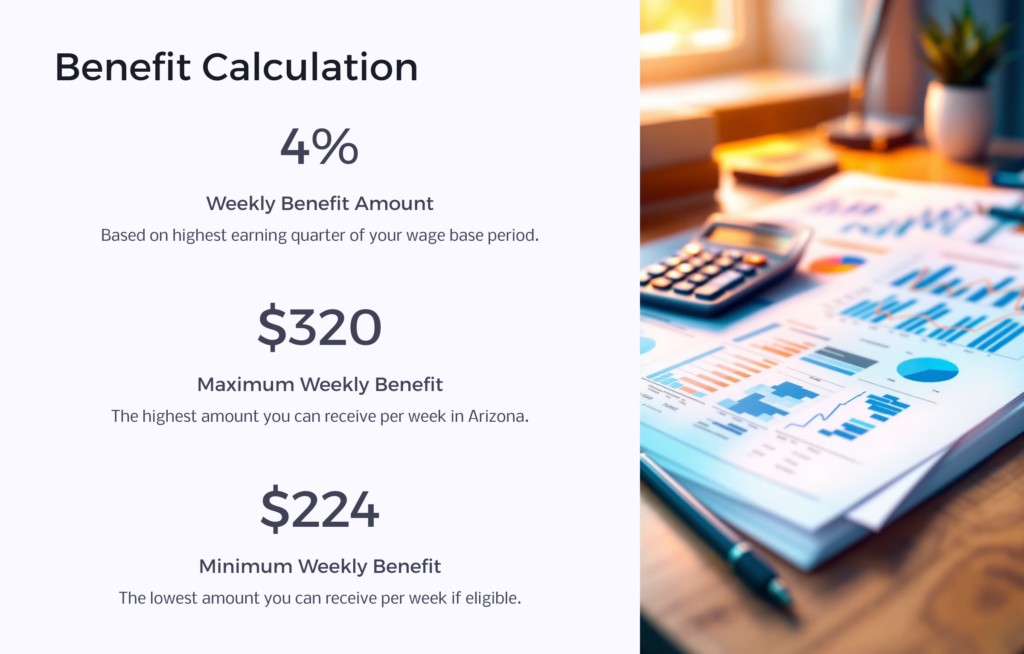
The weekly benefit amount (WBA) in Arizona is calculated based on your earnings during your base period. While specific figures can change with legislative updates, the general principle remains consistent: your WBA is a fraction of your previous average weekly wage, subject to a state-defined minimum and maximum.
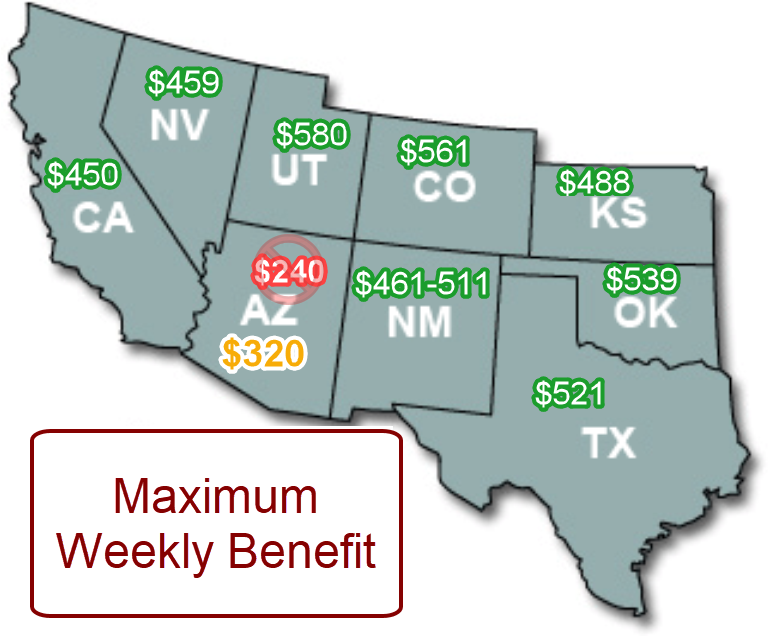
As of recent guidelines, Arizona’s maximum weekly benefit amount has generally been around $240. The actual calculation often involves taking a percentage (e.g., 4% to 4.5%) of your total wages in the two highest-earning quarters of your base period. For instance, if your highest quarter earnings were $6,000, your WBA might be calculated as 1/25th of that amount, or $240. It is crucial to check the most current AZDES guidelines for precise figures and calculation methods, as these can impact your budgeting and lifestyle planning significantly.
The duration for which you can receive benefits is typically 26 weeks, though this can be extended during periods of high unemployment through federal programs, as seen during the COVID-19 pandemic. This time frame provides a limited window for lifestyle adjustment, emphasizing the need for diligent job searching and financial management.
The Financial Landscape of Unemployment in Arizona: Lifestyle Implications
Receiving unemployment benefits means adapting to a significantly reduced income. For residents of Arizona, where the cost of living in major metropolitan areas like Phoenix and Tucson can be substantial, this necessitates careful financial planning and a temporary shift in lifestyle expectations.
Budgeting and Daily Living on UI
The stark reality of a maximum weekly benefit of around $240 means a monthly income of roughly $960 to $1,000. This figure is often far below what most individuals require to maintain their pre-unemployment lifestyle, especially when considering typical expenses in Arizona such as rent, utilities, food, and transportation.
Essential Budget Adjustments:
- Housing: Rent or mortgage payments often become the largest single expense. Those receiving UI may need to explore options like temporary assistance programs, renegotiating terms with landlords/lenders, or even considering more affordable living arrangements if their unemployment period extends.
- Utilities: Energy costs, particularly for air conditioning in Arizona’s hot climate, can be high. Strict conservation measures and exploring utility assistance programs become essential.
- Food: A shift to more budget-conscious meal planning, utilizing food banks, and cooking at home rather than dining out becomes a necessity.
- Transportation: Reducing non-essential driving, utilizing public transport where available, or carpooling can help manage fuel and maintenance costs.
Effectively managing these categories is not just about saving money; it’s about fundamentally re-evaluating and adjusting your daily lifestyle to fit within a constrained budget. This period can foster greater financial discipline and resourcefulness, valuable skills even after re-employment.
The Impact on Discretionary Spending and Leisure
One of the most immediate and noticeable impacts of unemployment benefits on lifestyle is the drastic reduction in discretionary spending. Activities that were once commonplace – dining out, entertainment, shopping, and travel – become luxuries that are often unaffordable.
- Local Experiences: Instead of weekend getaways or elaborate dinners, a budget-conscious lifestyle might involve free or low-cost activities. Exploring Arizona’s natural beauty through hiking its numerous trails, visiting free museums or public gardens, or enjoying community events can replace more expensive leisure pursuits.
- Social Life: Socializing might shift from paid events to potlucks with friends, free park visits, or virtual gatherings. This requires creativity and a willingness to explore new ways of connecting that don’t strain a limited budget.
- Personal Care: Non-essential services like salon visits, gym memberships (if not already canceled), or personal trainers might be temporarily suspended. Prioritizing health through free outdoor exercise or home workouts becomes part of the new routine.
While challenging, this period can offer an opportunity to discover new, less materialistic forms of enjoyment and deepen connections within one’s local community in Arizona. It’s a redefinition of what constitutes a fulfilling lifestyle, emphasizing experiences over consumption.
Navigating the Job Market and Future Planning
Unemployment benefits are a temporary bridge, and successful lifestyle management during this period intrinsically links to proactive job seeking and long-term financial planning. The goal is to return to a sustainable income level that supports your desired lifestyle.
Resources for Reemployment
Arizona offers a wealth of resources through AZDES and its partners to help individuals transition back into the workforce. Arizona@Work centers across the state provide:
- Job Search Assistance: Access to job listings, resume writing workshops, interview coaching, and networking events. These resources are critical for streamlining your job search and improving your chances of securing new employment quickly.
- Training and Skill Development: Opportunities for vocational training or upskilling can enhance your marketability, especially if you are considering a career change or if your previous industry has been significantly impacted. Investing in new skills is an investment in your future lifestyle potential.
- Career Counseling: Professionals can help you identify transferable skills, explore new career paths, and set realistic goals for your job search, ensuring that your efforts are both focused and effective.
Utilizing these services is not just about fulfilling eligibility requirements for UI; it’s about actively shaping your future lifestyle. The more effectively you use this time to improve your employability, the sooner you can restore your financial stability and resume a chosen lifestyle.
Long-Term Financial Well-being and Lifestyle Continuity
Even after re-employment, the experience of being on unemployment can provide valuable lessons for long-term financial well-being and lifestyle resilience.
- Building an Emergency Fund: The vulnerability experienced during unemployment often highlights the critical importance of an emergency savings fund. Aiming for three to six months of living expenses can provide a much-needed buffer against future income disruptions, allowing for greater lifestyle continuity.
- Budgeting Habits: The strict budgeting practices adopted while on UI can be maintained, even partially, to build savings, pay down debt, or invest in future goals like education or retirement.
- Career Resilience: Diversifying skills, networking continuously, and staying abreast of industry trends can build career resilience, minimizing the likelihood and impact of future unemployment spells.
The journey through unemployment in Arizona thus becomes not just about how much you get paid, but how you adapt your lifestyle, manage your finances, and strategically plan for re-employment to ensure long-term stability and happiness.
Beyond the Basics: Extended Benefits and Special Circumstances
While regular UI benefits provide a standard safety net, special circumstances can sometimes trigger extended benefits, further impacting lifestyle management during prolonged unemployment.
Federal Programs and Crisis Support
Historically, during periods of severe economic downturn or national crises, the federal government has intervened to supplement state unemployment programs. For example, during the COVID-19 pandemic, programs like Pandemic Unemployment Assistance (PUA) and Federal Pandemic Unemployment Compensation (FPUC) provided additional weekly benefits and extended the duration of payments. These temporary expansions significantly altered the financial landscape for many unemployed individuals, offering more breathing room for lifestyle maintenance. While such programs are not permanent fixtures, staying informed about potential federal extensions during national emergencies is vital for any comprehensive financial and lifestyle plan during unemployment. They demonstrate how external factors can influence the support available, requiring vigilance from claimants.
Managing Your Lifestyle While Unemployed
The period of unemployment in Arizona is more than just a financial challenge; it’s a test of adaptability and resilience for your personal lifestyle. It demands a shift in mindset from passive waiting to active management of your time, resources, and well-being.
- Prioritize Well-being: The stress of unemployment can take a toll. Incorporating free or low-cost activities that support mental and physical health, such as outdoor walks, community yoga classes, or reading at a local library, is crucial. Maintaining a healthy lifestyle supports a more effective job search.
- Community Engagement: Engaging with local community groups, volunteering, or participating in free workshops can provide social support, networking opportunities, and a sense of purpose, combating isolation often associated with unemployment. Many Arizona cities have active volunteer networks that offer fulfilling ways to spend your time.
- Skill Enhancement: This period can be an opportune time to learn new skills, whether through online courses (many are free or low-cost), public library resources, or community college programs. These not only boost your resume but also enrich your personal life and intellectual curiosity.
Ultimately, understanding “How Much Does Unemployment Pay In Arizona?” is the starting point for a strategic approach to managing your lifestyle during a challenging period. It enables you to budget effectively, access available resources, and focus your efforts on re-employment while maintaining a sense of purpose and well-being. By proactively addressing the financial and lifestyle adjustments, individuals can navigate unemployment with greater confidence and emerge stronger, better prepared for their next career chapter in Arizona.
LifeOutOfTheBox is a participant in the Amazon Services LLC Associates Program, an affiliate advertising program designed to provide a means for sites to earn advertising fees by advertising and linking to Amazon.com. Amazon, the Amazon logo, AmazonSupply, and the AmazonSupply logo are trademarks of Amazon.com, Inc. or its affiliates. As an Amazon Associate we earn affiliate commissions from qualifying purchases.