
Understanding the financial landscape of unemployment in California is a crucial step for anyone navigating this challenging period. While the immediate concern is undoubtedly covering essential living expenses, a clear grasp of unemployment benefits can also inform decisions about maintaining a semblance of a balanced lifestyle, and perhaps even engaging in local, budget-conscious travel or planning for future adventures. This article delves into the specifics of unemployment pay in the Golden State, examining how these benefits interact with the state’s cost of living and offering insights into how one might still embrace aspects of travel, tourism, and a fulfilling lifestyle even with a limited budget. For residents and visitors alike, California offers an unparalleled array of experiences, from stunning natural landmarks to vibrant cultural scenes. Even during times of financial constraint, a strategic approach can open doors to exploring these local treasures and appreciating the unique charm of California without breaking the bank.
Understanding California’s Unemployment Insurance (UI) Benefits
Unemployment Insurance (UI) is a state-federal program that provides temporary financial payments to eligible workers who have lost their jobs through no fault of their own. In California, this program is administered by the Employment Development Department (EDD). For many, UI benefits are a vital lifeline, offering a financial buffer that helps sustain households while individuals seek new employment. Knowing how much you can expect to receive, and for how long, is fundamental to effective financial planning.
Eligibility and Application Process
To qualify for UI benefits in California, applicants must meet specific criteria. Generally, you must have earned sufficient wages during a “base period” – a specific 12-month period the EDD uses to determine your eligibility and weekly benefit amount. Furthermore, you must be unemployed through no fault of your own (e.g., not fired for misconduct or having quit voluntarily without good cause). You must also be able and available for work, and actively seeking employment.
The application process is primarily conducted online through the EDD’s website. It involves providing detailed information about your past employment, earnings, and the reasons for your unemployment. It’s crucial to submit accurate and complete information to avoid delays or potential issues with your claim. Once filed, the EDD reviews your application and determines your eligibility, which can sometimes involve interviews or requests for additional documentation.
Calculating Your Weekly Benefit Amount
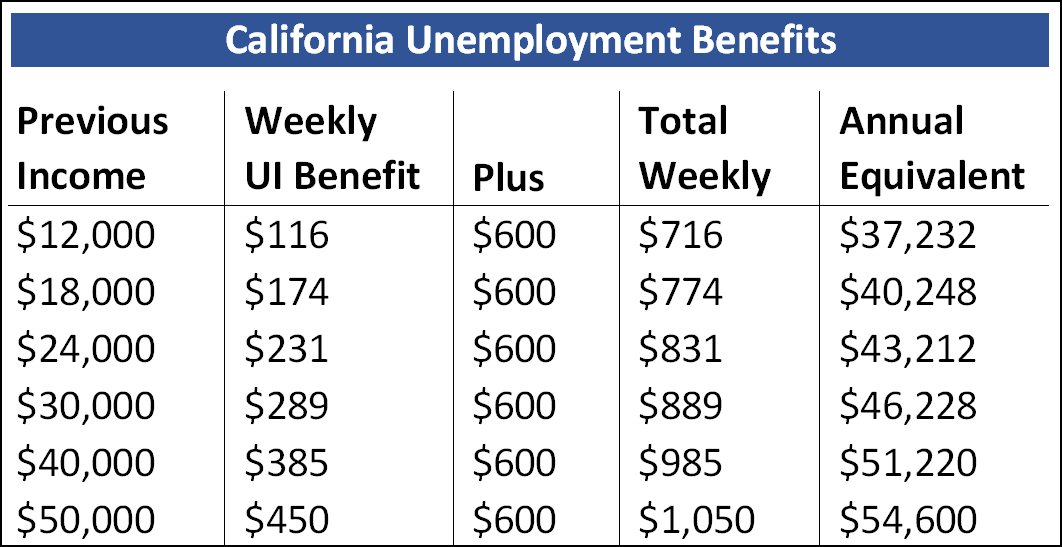
The question “How much does unemployment pay in California?” primarily refers to your Weekly Benefit Amount (WBA). In California, this amount is calculated based on your earnings during your highest-earning quarter of your base period. The formula used is roughly 1/26th of your total wages in your highest quarter.
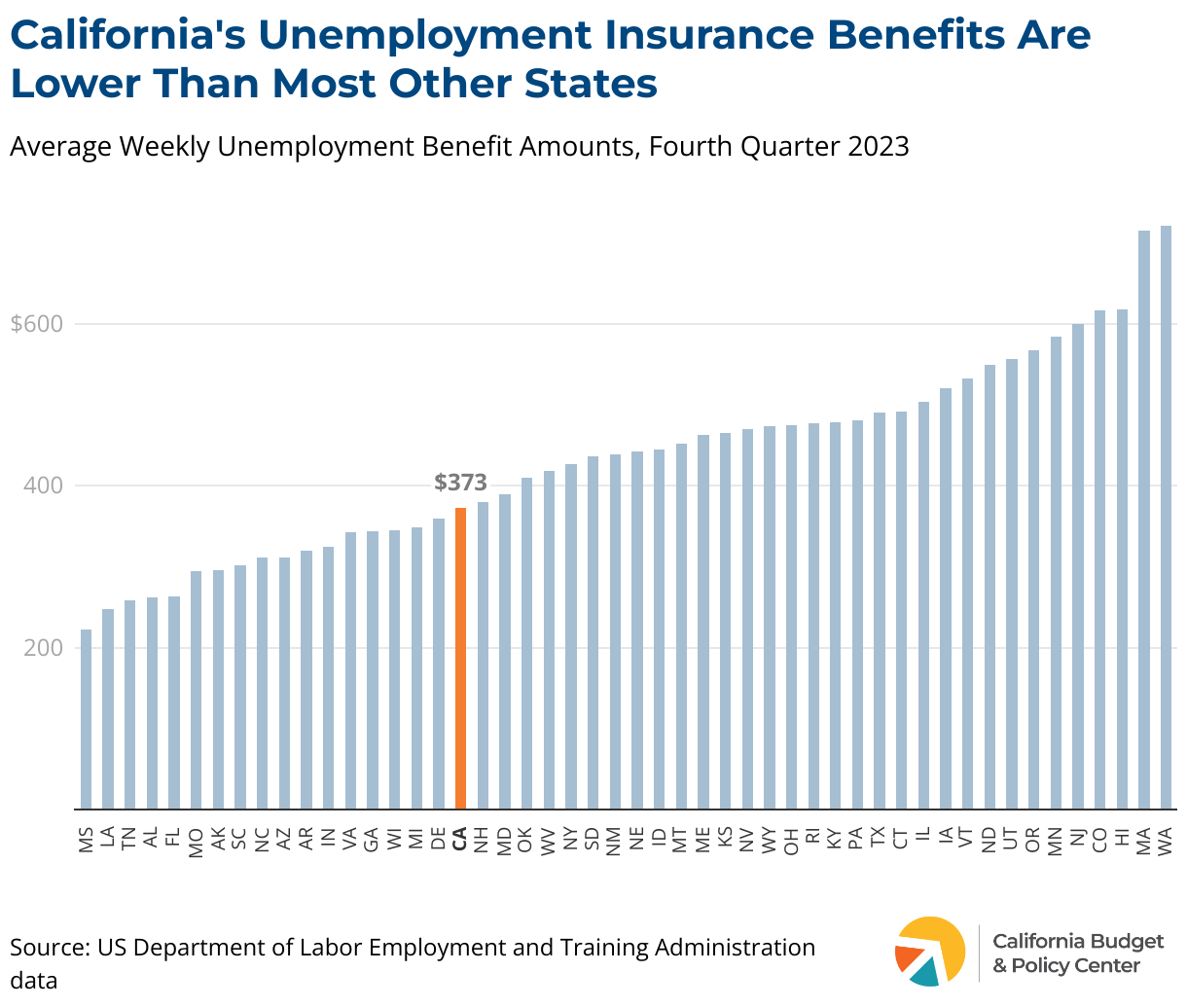
As of the most recent updates, the minimum weekly benefit amount in California is $40, and the maximum is $450. This means that even if your high-quarter earnings would calculate to more than $450 per week, you will not receive more than the maximum. Conversely, if your calculated amount falls below $40, you will receive the minimum. It’s important to remember that these figures are subject to change, so always check the official EDD website for the most current information. For someone accustomed to a higher income, even the maximum benefit might feel modest, underscoring the necessity of prudent financial management.
The Duration of Benefits and Extensions
Standard UI benefits in California typically last for a maximum of 26 weeks within a 52-week benefit year. However, during periods of high unemployment, federal and state programs may implement extensions, offering additional weeks of benefits. These extensions are not permanent and depend on economic conditions and legislative action. It’s essential for recipients to stay informed about potential extensions through official EDD communications. Planning for the possibility that benefits may not last as long as hoped is a critical aspect of financial stability, encouraging individuals to actively seek re-employment and explore alternative income streams.
The Reality of Living in California on Unemployment
California is renowned for its vibrant lifestyle and diverse opportunities, but it also carries a reputation for a high cost of living. When relying on unemployment benefits, this reality becomes even more pronounced. The financial discipline required to manage daily expenses, let alone dream of leisure or travel, is considerable. However, it doesn’t mean that life must come to a standstill. It simply calls for a reimagining of what a balanced lifestyle and travel can look like within budgetary constraints.
Balancing Essentials with Lifestyle Aspirations
The average cost of living in major California cities like Los Angeles, San Francisco, or San Diego far exceeds the maximum weekly unemployment benefit. Rent, food, utilities, transportation, and healthcare costs quickly add up, often leaving little room for discretionary spending. This necessitates a stringent budgeting approach. Prioritizing needs over wants becomes paramount, from cutting down on dining out to finding more affordable accommodation options if possible.
Despite these challenges, maintaining a positive outlook and engaging in activities that support mental well-being is crucial. This is where lifestyle aspirations, even on a reduced scale, come into play. A “balanced lifestyle” doesn’t always equate to luxury. It can mean finding joy in simple pleasures, connecting with nature, or exploring local community events that are free or low-cost. By carefully managing finances, it is possible to allocate a small portion of benefits, or existing savings, to activities that enrich one’s life and support mental resilience during a stressful period.
Reimagining Travel and Leisure on a Budget
For those who love to explore, the idea of “unemployment travel” might seem contradictory. However, it’s about redefining what travel means. Instead of grand international destinations or lavish resorts, the focus shifts to local tourism, staycations, and day trips within California. This approach not only makes leisure activities more accessible but also fosters a deeper appreciation for the beauty and diversity of one’s immediate surroundings.
A staycation in your own city or a nearby town can offer a refreshing change of scenery without the significant costs associated with airfare or long-distance accommodation. Exploring local parks, museums (on free admission days), farmers’ markets, or simply discovering new neighborhoods can provide a sense of adventure and discovery. This period can be an opportune time to become a local tourist, uncovering hidden gems that might have been overlooked during busier times. The key is creativity and resourcefulness, leveraging California’s natural beauty and public spaces to create memorable experiences that are light on the wallet.
Exploring California on a Shoestring Budget: Travel and Tourism Tips
California is a treasure trove of experiences, from its pristine beaches to its majestic mountains, bustling cities to serene vineyards. Even with a tight budget, the state offers countless opportunities for exploration and enjoyment. The trick is to be strategic, choosing affordable destinations and adopting smart travel hacks. This approach allows individuals to tap into the vibrant tourism scene and experience the rich culture and natural beauty that define the Golden State.
Affordable California Destinations and Attractions
When thinking about budget-friendly exploration, focus on California’s vast natural landmarks and public spaces.
- Beaches: The extensive coastline, from Southern California up to Northern California, boasts numerous public beaches where you can enjoy the sun, sand, and surf for free. Santa Monica Beach, Huntington Beach, and Coronado Beach in San Diego are iconic spots perfect for a day trip.
- State and National Parks: California is home to incredible national parks like Yosemite National Park, Redwood National Park, and Sequoia & Kings Canyon National Parks. While some may have entrance fees, many offer free days, and the cost is often minimal compared to the unparalleled beauty and recreational activities they offer, such as hiking and picnicking. California State Parks also offer a wealth of accessible natural beauty, often at a lower entry fee or even free for day use in many areas.
- Urban Green Spaces: Cities like San Francisco offer expansive urban parks like Golden Gate Park, which is larger than New York’s Central Park and features numerous free attractions, including gardens, walking trails, and public art. Los Angeles has Griffith Park, offering hiking trails and stunning city views.
- Historic Sites and Missions: Many of California’s historic missions and state parks offer insights into the state’s rich history, often with minimal or no admission fees.
- Free Cultural Events: Keep an eye out for free concerts in the park, art walks, street festivals, and farmers’ markets in cities like Sacramento, Santa Barbara, and others. These events provide a taste of local culture and entertainment without the price tag.
Smart Accommodation Choices and Travel Hacks
When traveling on a limited budget, every dollar counts.
- Budget Accommodation: Look beyond traditional hotels and resorts. Hostels, especially in popular cities like San Francisco and Los Angeles, offer affordable dormitory-style accommodation and a chance to meet other travelers. Camping in state or national parks is another excellent, low-cost option, allowing you to immerse yourself in nature. Consider booking through platforms that compare prices for vacation rentals, looking for off-season deals or places slightly outside the most tourist-heavy areas.
- Transportation: Public transportation in major cities like San Francisco and Los Angeles can be an economical way to get around. For longer distances, consider carpooling with friends or utilizing intercity bus services, which are often much cheaper than flying or renting a car. Driving scenic routes like portions of the Pacific Coast Highway can be an experience in itself, but be mindful of gas costs.
- Food and Drink: Eating out can quickly deplete a budget. Pack your own snacks and drinks, and consider bringing ingredients for simple meals if your accommodation has kitchen facilities. Explore local grocery stores and farmers’ markets for fresh, affordable produce. When dining out, look for happy hour specials, lunch deals, or casual eateries.
- Timing: Travel during the off-season or shoulder seasons (spring and fall) to find better deals on accommodation and fewer crowds at popular attractions. Weekday trips are often less expensive than weekend getaways.
Embracing Local Culture and Free Experiences
California’s cultural richness is accessible even without spending a fortune.
- Museums and Galleries: Many museums offer free admission days or evenings. Check the websites of institutions like the Getty Center in Los Angeles or the Legion of Honor in San Francisco for details. Smaller community art galleries are often free to visit.
- Walking Tours: Many cities offer free walking tours (tip-based) led by enthusiastic locals, providing great insight into history, architecture, and hidden gems.
- Iconic Landmarks: Simply walking across the Golden Gate Bridge, strolling along Venice Beach, or exploring the vibrant neighborhoods of Hollywood can be incredibly rewarding experiences that cost nothing.
- Nature Hikes: The diverse landscapes of California provide endless opportunities for free hiking. From coastal trails to mountain paths, immerse yourself in nature’s tranquility and beauty.
By embracing these strategies, individuals can still enjoy the wonders of California, enriching their lifestyle and creating lasting memories, even when unemployment benefits are their primary source of income. It’s about smart choices and making the most of what’s available.
Future Planning: Leveraging Benefits for Stability and Future Adventures
While current unemployment benefits provide immediate relief, they are temporary. This period, therefore, presents a unique opportunity for strategic future planning. By managing benefits wisely, individuals can not only navigate the present but also lay a stronger foundation for their return to employment and the subsequent pursuit of their larger travel and lifestyle goals. It’s about transforming a challenging phase into a period of growth and preparation.
Financial Planning Beyond Unemployment
The most critical aspect of managing unemployment benefits is to view them as a bridge, not a permanent solution. This perspective encourages diligent financial planning:
- Emergency Fund Reinforcement: If possible, try to preserve any existing emergency savings rather than depleting them entirely. If you manage to live strictly within your UI benefits, any additional savings can serve as a crucial safety net for future unexpected expenses.
- Debt Management: Use this time to consolidate or pay down high-interest debt if any financial flexibility allows. Reducing debt can significantly improve your financial health for the long term.
- Budgeting for Re-employment: Even once re-employed, maintaining some of the frugal habits developed during unemployment can be beneficial. Continue to track expenses and save a portion of your income, building a stronger financial foundation that can support future leisure pursuits.
- Upskilling and Education: Consider investing in courses or certifications that can enhance your employability. While not directly financial, this can lead to higher future earnings, which in turn supports a more comfortable lifestyle and enables more ambitious travel plans. Many online platforms offer free or low-cost learning opportunities.
Envisioning Post-Unemployment Travel and Lifestyle Goals
Understanding “How Much Does Unemployment Pay In California?” is not just about the present; it’s also about what those payments enable you to plan for once you’re back on your feet. This period of constraint can be an excellent time for dream building and detailed planning for future adventures.
- Researching Dream Destinations: Use your downtime to research those bucket-list destinations you’ve always wanted to visit, whether it’s exploring the vineyards of Napa Valley, experiencing the vibrant culture of New York City, wandering through the historic streets of Paris, or marveling at the ancient ruins of Rome. Collect information on accommodation options, attractions, and typical costs.
- Saving for Specific Trips: Once re-employed, having a clear travel goal can serve as a powerful motivator for saving. Allocate a specific portion of your new income towards a ” travel fund,” making those dream trips a tangible reality.
- Long-Term Accommodation Planning: If your lifestyle aspirations include extended travel or even becoming a digital nomad, use this time to research the logistics of long-term accommodation in various destinations, understanding visa requirements, and exploring remote work opportunities that align with your skills.
- Adopting a Sustainable Travel Ethos: This period of careful spending might also inspire a more sustainable and conscious approach to travel in the future, emphasizing experiences over extravagant spending and supporting local economies.

In conclusion, while unemployment in California presents significant financial challenges, understanding the UI benefits and adopting a strategic approach to budgeting can empower individuals. It allows them to navigate the present by making careful choices about daily living and local exploration, while simultaneously laying the groundwork for a stable financial future and the eventual realization of their broader lifestyle and travel dreams. The Golden State remains a place of opportunity, even when navigating temporary financial constraints, and careful planning can ensure that the spirit of adventure and discovery continues to thrive.
LifeOutOfTheBox is a participant in the Amazon Services LLC Associates Program, an affiliate advertising program designed to provide a means for sites to earn advertising fees by advertising and linking to Amazon.com. Amazon, the Amazon logo, AmazonSupply, and the AmazonSupply logo are trademarks of Amazon.com, Inc. or its affiliates. As an Amazon Associate we earn affiliate commissions from qualifying purchases.