
Florida is renowned globally as a premier fishing destination, drawing anglers from all corners of the world to its abundant freshwater lakes and rivers, and the vast, vibrant expanse of its saltwater coasts. From the tranquil bass fishing in the central lakes to the thrilling deep-sea adventures off the Atlantic Ocean and Gulf of Mexico, the Sunshine State offers an unparalleled diversity of angling experiences. However, before you cast your line into these inviting waters, a crucial step for any responsible angler, especially visitors, is securing the proper fishing license. Understanding the various types of licenses, their costs, and where to obtain them is not just a legal requirement but a fundamental aspect of planning a successful and enjoyable fishing trip to Florida. This comprehensive guide will navigate you through the intricacies of Florida’s fishing license system, ensuring you’re well-prepared for your aquatic adventure while contributing to the preservation of its precious marine and freshwater ecosystems.
Why a Fishing License is Essential in Florida
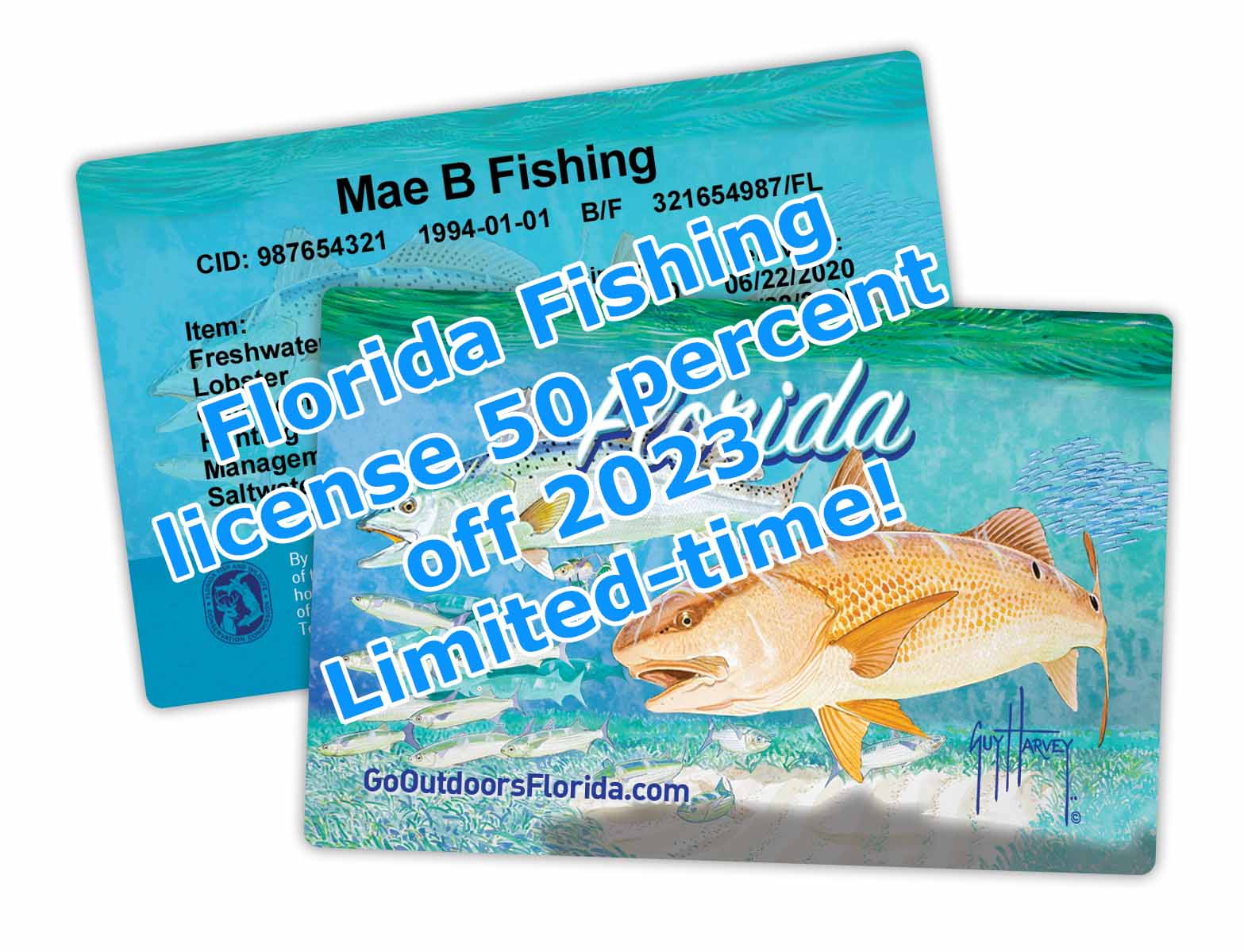
Obtaining a fishing license in Florida is more than just a bureaucratic formality; it’s a critical component of the state’s robust conservation strategy and a legal imperative for anyone planning to fish. The funds generated from license sales are directly reinvested into the management, protection, and enhancement of Florida’s invaluable aquatic resources.
Understanding Florida’s Conservation Efforts
The Florida Fish and Wildlife Conservation Commission (FWC) is the primary agency responsible for managing the state’s fish and wildlife resources. The revenue collected from fishing licenses plays a vital role in funding essential conservation programs. These initiatives include habitat restoration projects, research into fish populations and ecosystem health, enforcement of fishing regulations, and public education programs. For instance, efforts to restore seagrass beds in coastal areas or manage invasive species in freshwater systems are often supported by these funds. By purchasing a license, you are directly contributing to the sustainability of Florida’s diverse fisheries, ensuring that future generations can also enjoy the state’s rich angling opportunities. This collective contribution helps maintain healthy fish stocks, protect endangered species, and preserve the natural beauty of Florida’s waterways, making your fishing experience not just recreational but also a conscious act of environmental stewardship.
Legal Ramifications of Fishing Without a License
Fishing without a valid license in Florida carries significant legal consequences, which can quickly turn an anticipated relaxing day on the water into a stressful and expensive ordeal. The penalties for fishing without a license can range from substantial fines and court fees to the confiscation of fishing gear. In more severe or repeat offenses, legal action could even lead to arrest. Beyond the financial and legal repercussions, being caught without a license can also result in a tarnished record, which could impact future interactions with law enforcement or complicate other licensing processes. The FWC employs officers who actively patrol both freshwater and saltwater areas, ensuring compliance with fishing regulations. These officers are knowledgeable and vigilant, and they have the authority to check licenses at any time. It’s also worth noting that ignorance of the law is not considered a valid defense. Therefore, securing the correct license before you start fishing is not merely recommended; it’s absolutely essential to avoid potential legal troubles and ensure a worry-free experience on Florida’s waters.
Types of Florida Fishing Licenses and Their Costs
Florida’s fishing license system is designed to be comprehensive, catering to a wide array of anglers, from casual visitors to seasoned residents. Understanding the different categories is key to selecting the most appropriate and cost-effective license for your needs. Prices are subject to change, so always check the official FWC website for the most current information.
Resident vs. Non-Resident Licenses
The first distinction in Florida fishing licenses is based on residency.
- Resident Licenses: To qualify for resident rates, an individual must be a Florida resident, typically defined as someone who has established a permanent home in the state for at least six consecutive months. Resident licenses are significantly more affordable, reflecting the idea that residents contribute to the state’s economy in other ways.
- Non-Resident Licenses: If you are visiting Florida from another state or country, you will need to purchase a non-resident license. These are generally more expensive than resident licenses but offer flexibility with shorter validity periods to accommodate tourists.
Freshwater, Saltwater, and Combination Licenses
Florida’s unique geography, bordered by both the [Atlantic Ocean](https://Atlantic Ocean) and the [Gulf of Mexico](https://Gulf of Mexico) and crisscrossed by numerous rivers and lakes, necessitates separate licenses for different water types.
- Freshwater Fishing License: Required for taking freshwater fish, such as bass, panfish, and catfish, in Florida’s inland lakes, rivers, and ponds.
- Saltwater Fishing License: Required for taking saltwater fish, crustaceans (like crabs), and mollusks (like oysters) from Florida’s marine waters, including coastal rivers, bays, and the open ocean. This also applies to fishing from shore, piers, or bridges, unless it’s a pier with a valid pier fishing license that covers all its patrons.
- Combination License: For anglers who plan to fish in both freshwater and saltwater during their stay, a combination license offers convenience and often a slight cost saving compared to purchasing separate licenses. This is a popular choice for visitors who want to experience the full spectrum of Florida’s fishing opportunities, perhaps starting with a morning bass fishing trip near Orlando and then heading to the Gulf Coast for some redfish in the afternoon.
Short-Term vs. Annual Licenses
Especially for non-residents, Florida offers various license durations to match the length of your trip.
- Non-Resident Options:
- 3-Day Freshwater or Saltwater License: Ideal for a quick weekend fishing trip. Costs typically around $17.00 for freshwater and $17.00 for saltwater.
- 7-Day Freshwater or Saltwater License: Suitable for a week-long vacation. Costs generally around $30.00 for freshwater and $30.00 for saltwater.
- Annual Freshwater or Saltwater License: For those planning extended stays or multiple visits within a year. An annual non-resident freshwater license is approximately $47.00, and a saltwater license is around $47.00.
- Annual Non-Resident Gold Sportsman’s License (Combination): This comprehensive option covers both freshwater and saltwater fishing, plus hunting licenses (if applicable) for about $150.00. While pricier, it offers maximum flexibility.
- Resident Options:
- Annual Freshwater or Saltwater License: Significantly cheaper, usually around $17.00 each.
- 5-Year Freshwater or Saltwater License: A convenient option for long-term residents, offering a discount over annual renewals.
- Annual Resident Gold Sportsman’s License (Combination): A popular and cost-effective choice for residents, covering both fishing types and hunting for around $80.00.
Special Exemptions and Waivers
Not everyone needs a license to fish in Florida. Certain categories are exempt:
- Children: Florida residents under 16 years of age do not need a license. Non-residents under 16 also do not require a license.
- Seniors: Florida residents 65 years of age or older do not need a license (though they should carry identification to prove age and residency).
- Disabled Residents: Certain disabled Florida residents may be eligible for a free license.
- Chartered Trips: If you are fishing on a state-licensed fishing charter boat or a licensed fishing pier, you are typically covered by the vessel’s or pier’s license and do not need an individual license. Always confirm this with your captain or pier management beforehand.
- Free Fishing Days: The FWC designates a few “free fishing days” each year, allowing anyone to fish without a license in either freshwater or saltwater. These are great opportunities to try fishing if you’re unsure about committing to a license, but they are limited.
Where and How to Purchase Your Florida Fishing License
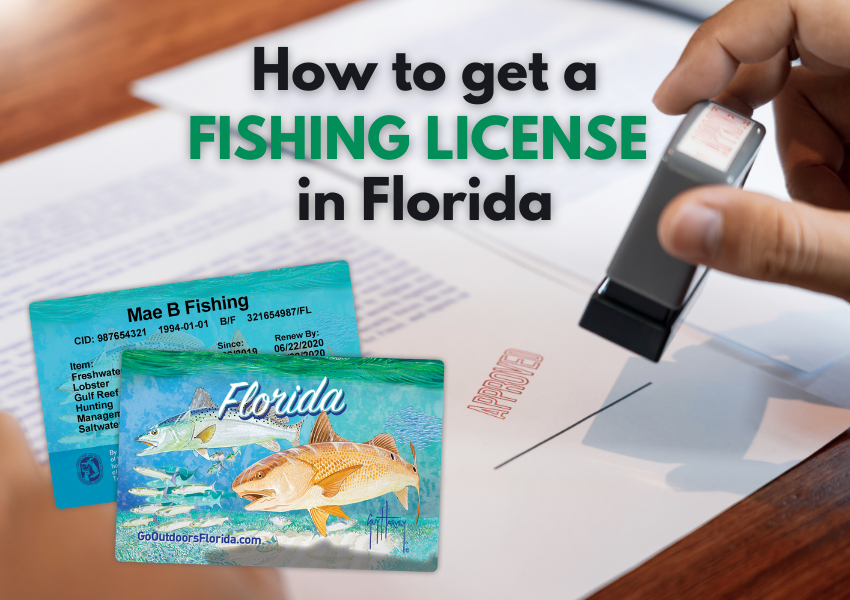
Acquiring your Florida fishing license is a straightforward process, designed for convenience, especially for visitors. The FWC offers multiple avenues for purchase, ensuring you can secure your license regardless of your location or preference.
Online Purchase Through FWC
The easiest and most recommended method for purchasing a Florida fishing license, particularly for those planning ahead, is online through the official FWC website.
- Accessibility: The FWC’s Go Outdoors Florida portal is available 24/7, allowing you to purchase your license from anywhere in the world before your trip begins or even once you’ve arrived.
- Process: Simply navigate to the FWC licensing page, select the appropriate license type (resident/non-resident, freshwater/saltwater/combination, and duration), provide the required personal information (name, address, date of birth, and possibly a Florida driver’s license number or other ID), and complete the payment using a credit card.
- Proof of License: After a successful purchase, you will receive an immediate confirmation, often with a printable license or an electronic version that can be stored on your smartphone. It is crucial to have proof of your license readily available while fishing, whether it’s a physical copy or a digital one.
In-Person Retailers and License Agents
For those who prefer a face-to-face transaction or need to purchase a license last-minute, numerous authorized license agents across Florida offer this service.
- Convenience: These agents include most Walmart stores, many sporting goods stores, bait and tackle shops, and local tax collector’s offices. They are often strategically located near popular fishing destinations like Miami, Tampa, or the Florida Keys, making it easy to pick up a license on your way to the water.
- Assistance: Purchasing in person can be beneficial if you have questions about license types or regulations, as staff at these locations are often knowledgeable.
- What to Bring: When purchasing in person, remember to bring a valid form of identification (such as a driver’s license or passport) and proof of Florida residency if you are seeking resident rates.
What Information You’ll Need
Regardless of whether you purchase your license online or in person, you will generally need to provide the following information:
- Full Name
- Date of Birth
- Current Address
- Social Security Number (for U.S. residents, required for federal reporting)
- Proof of Residency (if applicable, such as a Florida driver’s license)
Ensure all information is accurate to avoid any issues with your license validity.
Beyond the License: Essential Fishing Tips for Florida Visitors
While securing your fishing license is the first crucial step, a truly successful fishing trip to Florida involves understanding local regulations and planning your angling strategy. Florida’s diverse ecosystems and abundant species demand informed and responsible participation.
Understanding Florida’s Fishing Regulations
Florida has specific regulations for different fish species, covering everything from minimum and maximum size limits to daily bag limits and seasonal closures. These rules are vital for maintaining healthy fish populations and preventing overfishing.
- Size Limits: Many species have minimum and sometimes maximum size limits. For example, a snook must be within a specific slot size to be legally harvested. Releasing fish outside this slot helps protect juvenile fish and large breeding adults.
- Bag Limits: This refers to the maximum number of a particular species an angler can keep per day. These limits vary by species and region.
- Seasons: Some species, like red snapper in the [Gulf of Mexico](https://Gulf of Mexico), have very short and specific seasons to allow populations to recover. Others, like certain types of grouper, might be closed during spawning periods.
- Prohibited Species: Knowingly targeting or harvesting certain protected species is illegal.
The FWC website is the authoritative source for all current regulations. It’s highly advisable to review these regulations before each fishing trip, as they can change. Additionally, many local bait and tackle shops will have regulation handouts or be able to provide up-to-date information.
Popular Fishing Spots and Species
Florida’s reputation as a fishing paradise is well-earned, with countless spots offering unique opportunities.
- Freshwater:
- Lake Okeechobee: Known as the “Bass Capital of the World,” it’s a prime destination for trophy largemouth bass.
- Everglades National Park: Offers unique opportunities for freshwater species like bass and snook, especially in the brackish waters where freshwater meets saltwater.
- Central Florida Lakes: The Chain of Lakes near Orlando and Winter Haven are excellent for bass and panfish.
- Saltwater:
- [Florida Keys](https://Florida Keys): A world-famous destination for offshore big game fishing (marlin, sailfish), flats fishing (bonefish, tarpon, permit), and reef fishing (grouper, snapper).
- [Gulf Coast](https://Gulf Coast) (e.g., Tampa Bay, Sarasota): Abundant redfish, snook, trout, and tarpon inshore, with excellent offshore opportunities for snapper, grouper, and king mackerel.
- Atlantic Coast (e.g., Jacksonville, Daytona Beach, Fort Lauderdale): Offers surf fishing for pompano and whiting, inshore fishing for snook and redfish, and offshore charters for mahi-mahi, wahoo, and tuna.
Choosing the Right Gear and Charters
Your fishing gear should match your target species and environment.
- Freshwater: Light to medium spinning rods and reels are generally suitable for bass and panfish.
- Saltwater: Heavier gear is often required for stronger saltwater species. Consider appropriate line weights, hooks, and bait/lures. Live bait (shrimp, mullet) is often effective, as are artificial lures (jigs, topwater plugs).
- Charter Boats: For visitors, especially those new to Florida fishing, booking a reputable fishing charter is an excellent option. Charter captains are experts on local conditions, regulations, and where the fish are biting. They provide all necessary gear, bait, and most importantly, their vessel’s license covers all on board, so you won’t need an individual license. This is particularly beneficial for deep-sea fishing where specialized equipment and navigation are essential. Research charters in your desired fishing area and book in advance, especially during peak seasons.
In conclusion, a fishing trip to Florida promises unforgettable memories and thrilling catches. By diligently acquiring the correct fishing license, adhering to regulations, and leveraging local knowledge, you contribute to the sustainability of this natural treasure while maximizing your enjoyment of Florida’s unparalleled aquatic offerings. So, get licensed, gear up, and prepare to discover why the Sunshine State remains a world-class destination for anglers.
LifeOutOfTheBox is a participant in the Amazon Services LLC Associates Program, an affiliate advertising program designed to provide a means for sites to earn advertising fees by advertising and linking to Amazon.com. Amazon, the Amazon logo, AmazonSupply, and the AmazonSupply logo are trademarks of Amazon.com, Inc. or its affiliates. As an Amazon Associate we earn affiliate commissions from qualifying purchases.