
For many planning an extended stay or considering a move to the Sunshine State, understanding the practicalities of vehicle ownership is paramount. Beyond the allure of sun-drenched beaches and vibrant cities like Miami or Orlando, navigating the administrative aspects of establishing residency, even temporary, can be a crucial tip for a smooth transition. A significant part of this involves acquiring a Florida license plate, a process that comes with its own set of costs and requirements. This guide delves into the financial landscape of Florida license plates, offering insights for new residents, long-term visitors, and anyone looking to operate a vehicle legally within the state.

Navigating Initial Vehicle Registration in the Sunshine State
The cost of a Florida license plate isn’t a simple, flat fee. It’s a mosaic of various charges, particularly for those registering a vehicle for the first time in the state. Understanding these initial costs is vital for budget planning, whether you’re relocating or just planning an extended seasonal stay.
First-Time Registration for New Residents and Vehicles
When you first register a vehicle in Florida, particularly if you’re moving from out of state, the fees are notably higher than subsequent annual renewals. The most significant initial cost is often the Initial Registration Fee, commonly referred to as the “new plate fee” or “original registration fee.” This one-time charge is set at $225. It applies to vehicles that have never been registered in Florida before. This fee aims to offset the administrative costs associated with processing new vehicle entries into the state’s system.
Beyond this substantial initial fee, other charges contribute to the total:
- License Plate Fee: This covers the actual metal plate and its issuance. The base fee for a standard license plate is typically around $28.
- Registration Fee (Weight-Based): Unlike some states, Florida charges an annual registration fee primarily based on the vehicle’s weight. Passenger cars and trucks under 5,000 pounds often fall into a specific tier, with fees varying slightly for heavier vehicles. For example, a vehicle weighing 2,500 to 3,499 pounds might incur an annual fee of approximately $33, while those over 3,500 pounds could see fees closer to $46. These fees are prorated if you register for less than a full year, but new registrations are generally encouraged to be for a full year.
- Title Fee: If you are bringing a vehicle from another state and need to transfer the title to Florida, there’s a title fee. This is usually around $75.25 for an electronic title, and slightly more for a paper title if a lien is involved. For a new vehicle purchased in Florida, this fee is typically handled by the dealership.
- Sales Tax: If you purchased your vehicle out-of-state within the last six months before registering it in Florida, and the sales tax paid in the previous state was less than Florida’s 6% sales tax, you might be required to pay the difference. This is an important consideration for anyone moving with a recently acquired vehicle.
Combining these elements, a new resident registering a standard passenger car for the first time in Florida can expect to pay anywhere from $350 to $450 in the first year, encompassing the Initial Registration Fee, license plate, weight-based registration, and title transfer.
Annual Renewal Costs
After the initial registration, subsequent annual renewals are considerably less expensive. These renewals primarily consist of the annual registration fee (based on vehicle weight) and the standard license plate fee. For most passenger vehicles, annual renewal costs typically range from $40 to $70, depending on the vehicle’s weight and whether any specialty plate fees are involved. The Florida Department of Highway Safety and Motor Vehicles (FLHSMV) sends renewal notices, and these can often be completed online, making the process relatively straightforward for returning residents or long-term visitors.
Deconstructing the Costs: Beyond the Basics
While the initial and annual registration fees form the core of license plate costs, Florida offers several options that can affect your total outlay, from personalized designs to specific surcharges.
Specialty Plates: A Touch of Personalization and Philanthropy
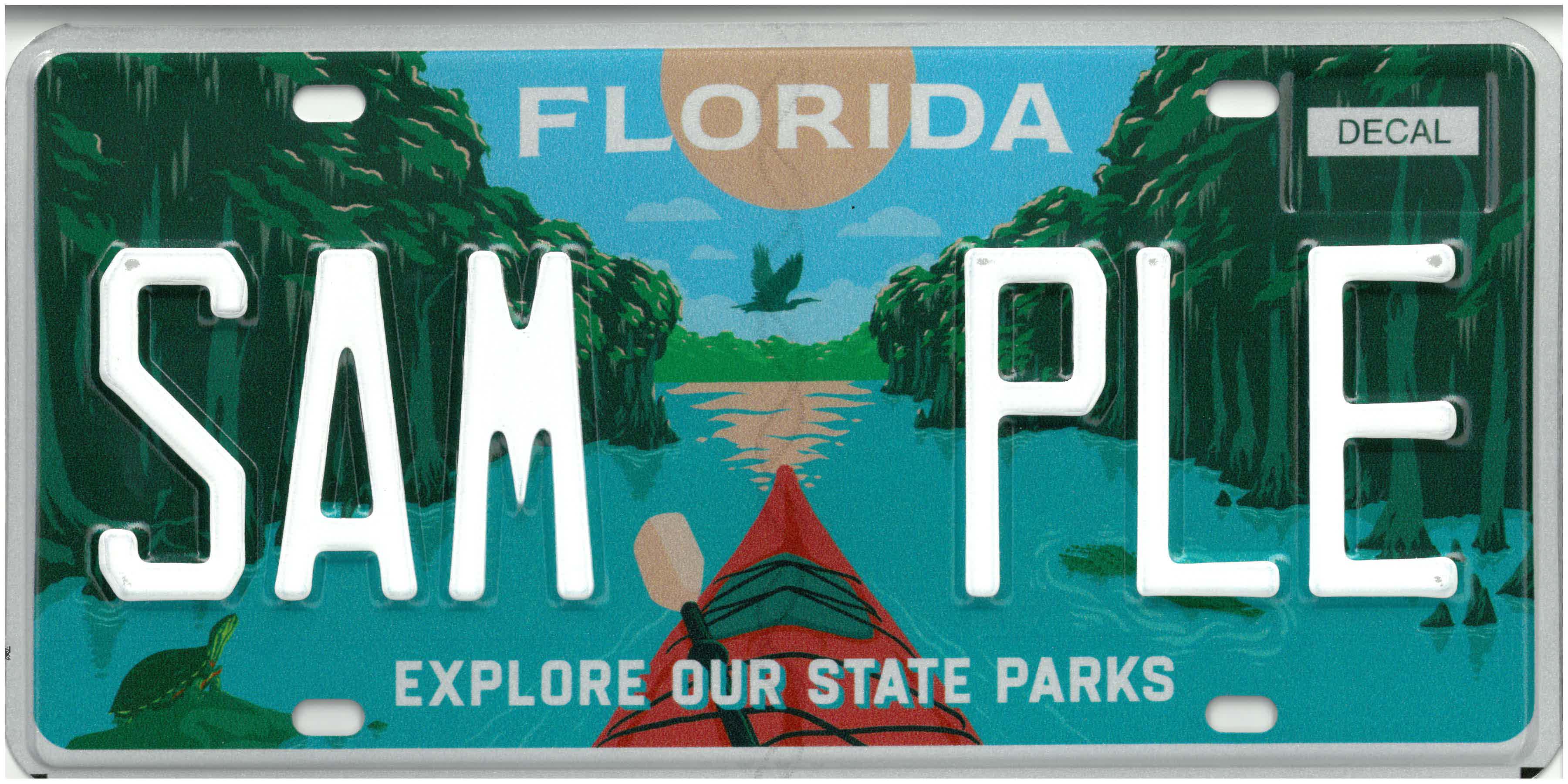
Florida boasts one of the most extensive selections of specialty license plates in the country, allowing residents to showcase their interests, support causes, or simply add a unique flair to their vehicle. These plates come with an additional annual fee, a portion of which is often directed to the specific organization or cause represented on the plate.
- Cost of Specialty Plates: In addition to the standard registration fees, most specialty plates carry an annual surcharge of $25. This fee is added to your total registration cost each year you choose to display the specialty plate.
- Variety of Options: From plates supporting environmental initiatives (like “Save Our Seas”) to those for various universities, professional sports teams (e.g., Miami Dolphins, Orlando Magic), military branches, or charitable organizations, the choice is vast. While the added cost is minimal, it’s a way for residents to contribute to causes they care about while personalizing their vehicle.
Understanding Surcharges and Penalties

Several factors can lead to additional costs when dealing with Florida license plates and registration:
- Delinquent Fees: If you fail to renew your registration by the due date, you will incur a late fee. This can range from $10 to $25 depending on how late the renewal is.
- Replacement Fees: Should your license plate be lost, stolen, or damaged, you’ll need to apply for a replacement. There is a fee for this, usually around $28 for a new plate and registration decal.
- Service Charges: While most transactions at a Tax Collector’s Office include the necessary processing fees, some third-party tag agencies may charge additional convenience fees for their services. It’s always advisable to clarify these fees upfront if using an agency other than the official county tax collector.
- Insurance Verification Fines: Florida law mandates continuous personal injury protection (PIP) and property damage liability (PDL) insurance coverage. If your insurance lapses, your driver’s license and vehicle registration can be suspended, leading to significant reinstatement fees and potential penalties. This is a critical tip for anyone operating a vehicle in Florida: maintain continuous insurance coverage.
Essential Documents and Where to Go
Understanding the costs is only half the battle; knowing what documents to bring and where to complete the transaction is equally important for a seamless process.
What to Bring to the Tax Collector’s Office
Whether you’re registering a vehicle for the first time or renewing, having the correct documentation is crucial.
- Proof of Ownership: For new registrations, this means your out-of-state title (if applicable) or the manufacturer’s statement of origin (MSO) for a brand-new vehicle. If transferring an existing Florida title, that document will be needed.
- Proof of Florida Insurance: You must show proof of current Florida insurance coverage, including PIP ($10,000 minimum) and PDL ($10,000 minimum).
- Identification: A valid driver’s license (from Florida or another state, if you’re a new resident in the process of transferring) is required.
- Vehicle Identification Number (VIN) Verification: If you are registering an out-of-state vehicle, a VIN verification may be required. This can often be done by a Florida DMV employee, law enforcement officer, or a licensed dealer. For trailers and mobile homes, a different verification process may apply.
- Payment: Be prepared to pay the necessary fees via cash, check, or credit card.
All these transactions are primarily handled by your local County Tax Collector’s Office, which acts as an agent for the FLHSMV. Many counties also have satellite offices or authorized tag agencies.
Online vs. In-Person Processes
For initial registrations, especially those involving out-of-state titles or complex situations, an in-person visit to a Tax Collector’s Office is typically required. This allows for proper documentation verification, VIN inspection, and payment processing.
However, for annual renewals, Florida offers convenient online renewal options through the FLHSMV website or county tax collector sites. You can usually renew up to 90 days before your registration expires. This not only saves time but also simplifies the process for seasonal residents or those with busy schedules. Many locations also offer mail-in renewal services.
Special Considerations for Snowbirds and Seasonal Visitors
Florida’s popularity as a winter retreat for “snowbirds” brings specific questions about vehicle registration. Understanding the rules for out-of-state plates and temporary permits is crucial for avoiding legal issues.
Out-of-State Plates and Residency Rules
The general rule of thumb in Florida is that if you establish residency in the state, you are required to register your vehicle within 10 days of becoming a resident. Establishing residency can be triggered by various actions, such as gaining employment, enrolling children in public school, filing for a homestead exemption, or registering to vote. For snowbirds who maintain a primary residence elsewhere and simply stay in Florida for several months a year, the rules can be less rigid, allowing them to keep their out-of-state plates as long as they don’t perform actions that establish Florida residency.
However, if you own property in Florida and spend more than six months and one day in the state each year, or take other steps indicative of residency, you will likely be considered a Florida resident and thus required to register your vehicle. It is always wise to consult the FLHSMV or a county tax collector for clarification on your specific situation to ensure compliance.
Temporary Tags and Permits
For short-term vehicle needs, such as if you purchase a vehicle in Florida but plan to immediately transport it out of state, temporary tags are available. These tags, typically valid for 30 or 90 days, allow for legal operation while permanent registration is being processed or while the vehicle is being moved. The cost for a temporary tag is minimal, usually around $5 to $10, and can be obtained at a Tax Collector’s Office or authorized tag agency. This can be a useful tip for tourists who might buy a vehicle during their stay but not intend to keep it in Florida long-term.
In conclusion, the cost of a Florida license plate is a nuanced figure, heavily influenced by whether it’s an initial registration, the type of plate chosen, and how diligently deadlines are met. For anyone planning an extended engagement with the Sunshine State, a thorough understanding of these costs and procedures is an indispensable tip for a smooth and legally compliant experience.
LifeOutOfTheBox is a participant in the Amazon Services LLC Associates Program, an affiliate advertising program designed to provide a means for sites to earn advertising fees by advertising and linking to Amazon.com. Amazon, the Amazon logo, AmazonSupply, and the AmazonSupply logo are trademarks of Amazon.com, Inc. or its affiliates. As an Amazon Associate we earn affiliate commissions from qualifying purchases.