
Chicago, the bustling metropolis on the shores of Lake Michigan, is a world-class destination renowned for its stunning architecture, vibrant arts scene, delectable culinary offerings, and deep-rooted history. Whether you’re planning a short visit to explore its iconic landmarks or considering a more extended stay, understanding the nuances of local regulations is key to a smooth and enjoyable experience. One such regulation, often a point of inquiry for new residents or those contemplating a longer stay, revolves around the seemingly simple question: “How much for a city sticker in Chicago?”
While city stickers might seem like a mundane administrative detail, they are an integral part of Chicago’s urban fabric, directly impacting vehicle owners within the city limits. For travelers transitioning into a resident role, or those planning an extended accommodation setup, understanding this requirement is crucial for budgeting and compliance. This comprehensive guide will delve into the costs, requirements, and implications of the Chicago City Vehicle Sticker, ensuring you’re well-prepared to navigate this aspect of Chicago life effortlessly.
Understanding the Chicago City Sticker: More Than Just a Decal
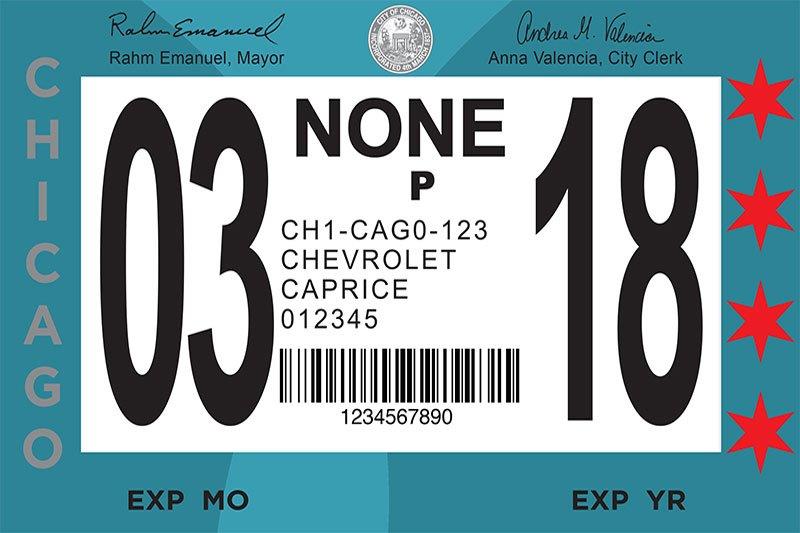
Before we dive into the specifics of “how much,” it’s essential to grasp the fundamental purpose and scope of the Chicago City Vehicle Sticker. This isn’t just a decorative item for your windshield; it’s a mandatory permit that signifies your vehicle is registered and authorized to operate within the city’s jurisdiction.
What Exactly is a City Sticker?
A Chicago City Vehicle Sticker is an annual tax levied by the City of Chicago on residents who own or lease a vehicle and garage it within the city limits. The revenue generated from these stickers helps fund vital municipal services, including street maintenance, snow removal, public safety initiatives, and other essential city operations that contribute to Chicago’s overall quality of life and attractiveness as a travel destination.
For visitors, especially those considering a long-term accommodation solution such as renting an apartment for several months or a year, the city sticker becomes a pertinent detail. It’s part of integrating into the local lifestyle and ensuring compliance with municipal laws. Failure to display a valid sticker can result in hefty fines, making proactive understanding and adherence a smart move for anyone planting roots, even temporarily, in the Windy City.
Who Needs a Chicago City Sticker? Residents, Newcomers, and Long-Term Visitors
The requirement for a Chicago City Vehicle Sticker primarily falls on Chicago residents. But what defines a resident in this context? Generally, if your vehicle is primarily garaged or kept within the city of Chicago for more than 30 days, you are considered a resident for the purpose of this regulation and must purchase and display a valid sticker.
This definition is crucial for:
- New Residents: Individuals relocating to Chicago and bringing their vehicle must obtain a sticker within 30 days of establishing residency.
- Long-Term Renters/Visitors: If you’re staying in Chicago for an extended period, perhaps for work, study, or a sabbatical, and have your car with you, this rule likely applies. Even if you haven’t formally changed your driver’s license address, the physical location of your garaged vehicle dictates the requirement. This is especially relevant for those exploring long-term accommodation options beyond typical hotel stays.
- Students: Many students attending Chicago universities and living within the city limits with a vehicle will also need a sticker.
There are a few exceptions, such as vehicles owned by active-duty military personnel permanently stationed outside Chicago, but for the vast majority of people residing with a vehicle in the city, the sticker is mandatory. It’s not just about avoiding fines; it’s about contributing to the city’s infrastructure and enjoying the full benefits of a well-maintained urban environment.
Decoding the Costs: A Breakdown of City Sticker Fees
The “how much” question is multifaceted, as the cost of a Chicago City Vehicle Sticker isn’t a single flat fee. It varies based on several factors, including the type of vehicle, its weight, and whether you purchase it on time. Understanding these variables is crucial for accurate budgeting, especially when planning for the overall cost of living or an extended tourism experience in Chicago.
Base Fees: Vehicle Type and Weight Matters
The primary determinant of your sticker cost is your vehicle’s classification and weight. Chicago categorizes vehicles, and lighter, smaller vehicles generally incur lower fees.
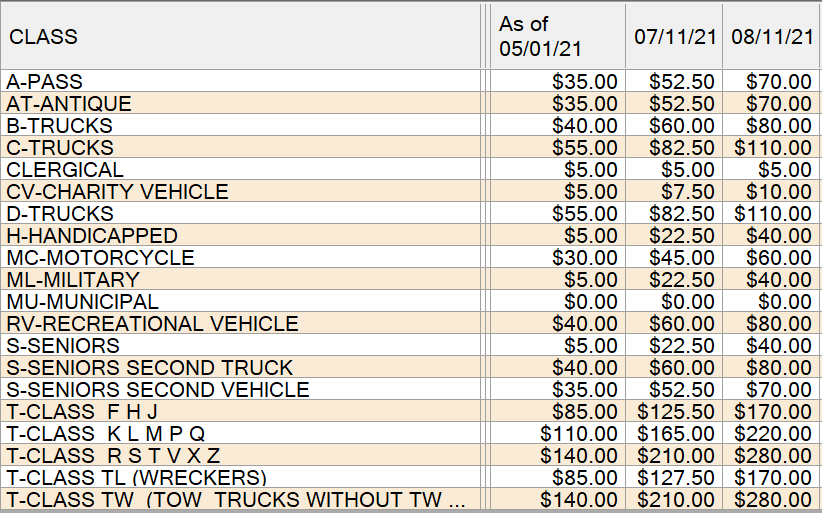
Here’s a general breakdown of typical annual base fees, though it’s important to note these figures can change, and checking the official Chicago City Clerk’s website for the most up-to-date information is always recommended:
- Passenger Automobiles (Small): Vehicles weighing 4,500 pounds or less typically fall into the lowest price tier. This includes most sedans, small SUVs, and hatchbacks. The annual fee for these might range from $85 to $90.
- Passenger Automobiles (Large): Vehicles weighing over 4,500 pounds, which often include larger SUVs, minivans, and some trucks, incur a higher fee. This could be in the range of $135 to $145 annually.
- Trucks/Vans: Commercial trucks and vans used for business purposes often have a more complex fee structure based on their gross vehicle weight. These fees can range significantly, from $200 up to several hundred dollars depending on the weight class.
- Motorcycles: Motorcycles usually have a lower annual fee, typically around $45 to $50.
- Specialty Vehicles: Certain specialized vehicles, such as RVs or certain trailers, may have their own fee categories.
It’s important to verify your vehicle’s specific weight and classification, which can usually be found on your vehicle’s registration or title, to determine the exact base fee. This information is critical for accurate budgeting, especially for those who might be moving to Chicago with a larger vehicle.
Additional Charges and Potential Penalties
Beyond the base fee, several other factors can influence the total cost of your city sticker. These include purchasing fees, late penalties, and, most significantly, fines for non-compliance.
- Transaction Fees: When purchasing online or through certain vendors, a small convenience or transaction fee (typically a few dollars) might be added to the base sticker cost.
- Late Fees: This is where the cost can significantly escalate. The City of Chicago imposes substantial late penalties. If you fail to purchase or renew your city sticker by the due date (which is usually the last day of your previous sticker’s month of expiration or 30 days after moving to Chicago or purchasing a new vehicle), you will be charged a late fee. This penalty is often around $60 on top of the base sticker fee.
- Parking Tickets/Fines for Non-Compliance: This is the most costly consequence. If you are caught driving or parking a vehicle without a valid Chicago City Vehicle Sticker displayed, you could face a parking ticket. These fines are significantly higher than the sticker cost itself, often ranging from $100 to $200 per violation. Repeated offenses can lead to even higher penalties and potential vehicle booting or towing, which adds hundreds of dollars in associated fees. This is a critical point for anyone considering a long-term accommodation in Chicago and bringing their vehicle; avoiding these fines is far cheaper than paying them.
The Cost Spectrum: What to Expect
Considering all these factors, the cost spectrum for a Chicago City Vehicle Sticker can range from a relatively modest amount to a significant expense if proper care isn’t taken.
- On-time purchase for a standard small passenger vehicle: Expect to pay approximately $85 – $95 annually (including minor transaction fees).
- On-time purchase for a large passenger vehicle: This would be in the range of $135 – $150 annually.
- Late purchase for a standard small passenger vehicle: This jumps to roughly $145 – $155 (base fee + $60 late penalty).
- Incurring a single parking ticket for no sticker: This could cost you your sticker fee plus a $100-$200 fine, easily pushing the total expense for one year over $200 or even $300.
For someone budgeting a year-long stay in Chicago, these costs must be factored into the overall lifestyle expenses, alongside accommodation, food, and attractions. Proactive planning can save a considerable amount of money and hassle.
Navigating the Application Process: A Guide for Chicago Newcomers
Obtaining your Chicago City Vehicle Sticker is a straightforward process once you understand the steps. For newcomers or those extending their travel into a more permanent Chicago experience, familiarity with this process will ensure a smooth transition.
Essential Documents and Information Required
To purchase your city sticker, you’ll need to provide several pieces of information and documentation:
- Vehicle Information: You’ll need your vehicle’s make, model, year, and most importantly, your Vehicle Identification Number (VIN). This can be found on your vehicle’s dashboard, driver’s side door jamb, and on your vehicle’s registration or title.
- Current Vehicle Registration: Proof of valid vehicle registration, typically from the Illinois Secretary of State’s office, is required.
- Proof of Chicago Residency: This is essential for new residents. Accepted forms of proof can include a utility bill, a lease agreement for your Chicago accommodation, a bank statement, or a driver’s license with your Chicago address. The address must match where the vehicle is primarily garaged.
- Driver’s License: Your valid driver’s license will also be needed for identification.
Having these documents ready will significantly expedite the application process, whether you choose to apply online or in person.
Where and How to Purchase Your Sticker
The Chicago City Clerk’s office provides several convenient ways to purchase or renew your city sticker:
- Online: The most convenient method for many is through the official website of the Chicago City Clerk. This option allows you to complete the entire process from the comfort of your home or hotel room. You’ll input your vehicle and personal information, pay with a credit card, and the sticker will be mailed to your Chicago address. Remember to apply well in advance of the deadline if choosing this method to allow for mailing time.
- In-Person at City Clerk Offices: You can visit any of the Chicago City Clerk main or ward offices. This is a good option if you need immediate assistance, prefer face-to-face interaction, or are running close to a deadline. Be prepared for potential wait times, especially during peak renewal periods.
- Authorized Vendors: Many currency exchanges, grocery stores, and auto parts stores throughout Chicago are authorized to sell city stickers. These locations often offer extended hours and can be a convenient alternative to City Clerk offices. A small additional service fee may apply at these vendors.
Once you receive your sticker, it must be properly affixed to your vehicle’s windshield, typically in the lower passenger-side corner, ensuring it is clearly visible from the outside.
Annual Renewal: Staying Compliant
The Chicago City Vehicle Sticker is an annual requirement. The expiration date is usually tied to the month your previous sticker expired, or if it’s your first sticker, based on when you registered your vehicle or established residency. The City Clerk’s office typically sends out renewal notices as a courtesy, but it is ultimately the vehicle owner’s responsibility to renew on time.
For new residents or long-term visitors, marking your calendar for the renewal date is a simple yet effective way to avoid late fees and potential fines. Staying compliant year after year ensures a stress-free experience operating your vehicle in Chicago and allows you to fully enjoy your lifestyle in this magnificent city without unnecessary administrative headaches.
Beyond the Sticker: Implications for Your Chicago Lifestyle and Travel
While the immediate concern might be the cost and process of the city sticker, its presence (or absence) has broader implications for your overall Chicago lifestyle and travel experience. It’s a small piece of a larger puzzle that contributes to your seamless integration into urban life.
Parking Regulations and Residential Parking Permits
The Chicago City Vehicle Sticker often goes hand-in-hand with residential parking permits. Many neighborhoods in Chicago, particularly those popular with tourists or areas with limited street parking, have designated residential parking zones. To park in these zones for extended periods, you typically need both a valid city sticker and a specific residential parking permit for that zone.
These permits are usually obtained separately from your ward’s aldermanic office and come with an additional annual fee, often a modest amount. For those renting apartments or staying in longer-term accommodations in such neighborhoods, understanding these intertwined requirements is critical. Failing to have the correct permits can lead to frequent and expensive parking tickets, overshadowing the enjoyment of Chicago’s local culture and attractions.
Budgeting for Your Chicago Stay: Integrating Sticker Costs
For anyone planning an extended stay in Chicago, whether for business, study, or simply a longer travel experience, comprehensive budgeting is essential. The city sticker and associated potential parking permits are small but recurring costs that should be factored in.
Consider the entire spectrum of expenses:
- Accommodation costs: Whether it’s a suite in a hotel, an apartment rental, or a villa.
- Transportation: Public transit passes, ride-sharing, and vehicle-related costs like the city sticker, gas, insurance, and parking.
- Food and Dining: Exploring Chicago’s renowned culinary scene.
- Attractions and Experiences: Museum entries, theater tickets, boat tours, etc.
- Miscellaneous: Personal shopping, emergencies, and other discretionary spending.
Integrating the relatively small annual cost of a city sticker into your overall budget upfront will prevent unexpected expenses and contribute to a more stress-free lifestyle in Chicago.

Embracing Local Life: Why Compliance Matters
Ultimately, complying with the Chicago City Vehicle Sticker requirement is about more than just avoiding fines; it’s about seamlessly integrating into the local community and contributing to the city’s well-being. The funds generated from these stickers directly support the infrastructure and services that make Chicago such an incredible place to live, work, and visit.
For those pursuing a luxury travel experience or a budget travel adventure, understanding local regulations demonstrates respect for the city and its residents. It allows you to focus on enjoying the rich culture, diverse neighborhoods, and countless attractions Chicago has to offer, without the looming worry of an expired sticker or an unexpected fine. It’s a small administrative task that yields significant peace of mind, allowing you to truly embrace your Chicago experience fully.
In conclusion, “How much for a city sticker in Chicago?” is a question with a nuanced answer, ranging from under $100 for a small car purchased on time to potentially hundreds of dollars if late fees and fines accumulate. By understanding the varying costs, the straightforward application process, and its broader implications for parking and budgeting, you can ensure your time in Chicago is as smooth and enjoyable as the city itself. Whether you’re here for an extended tourism adventure or making Chicago your new home, compliance with local regulations like the city sticker is a simple step towards a truly integrated and fulfilling urban experience.
LifeOutOfTheBox is a participant in the Amazon Services LLC Associates Program, an affiliate advertising program designed to provide a means for sites to earn advertising fees by advertising and linking to Amazon.com. Amazon, the Amazon logo, AmazonSupply, and the AmazonSupply logo are trademarks of Amazon.com, Inc. or its affiliates. As an Amazon Associate we earn affiliate commissions from qualifying purchases.