
Navigating the intricacies of obtaining a liquor license in the Lone Star State is a crucial step for any aspiring restaurateur, bar owner, or event organizer looking to serve alcoholic beverages. While the dream of opening a lively establishment in Texas is exciting, the financial implications of securing the necessary permits can be a significant consideration. The cost of a Texas liquor license is not a single, fixed figure; rather, it’s a dynamic sum influenced by various factors, including the specific type of license required, the county in which your business will operate, and the associated fees and taxes. Understanding this multifaceted cost structure is paramount for effective business planning and ensuring a smooth launch for your venture.
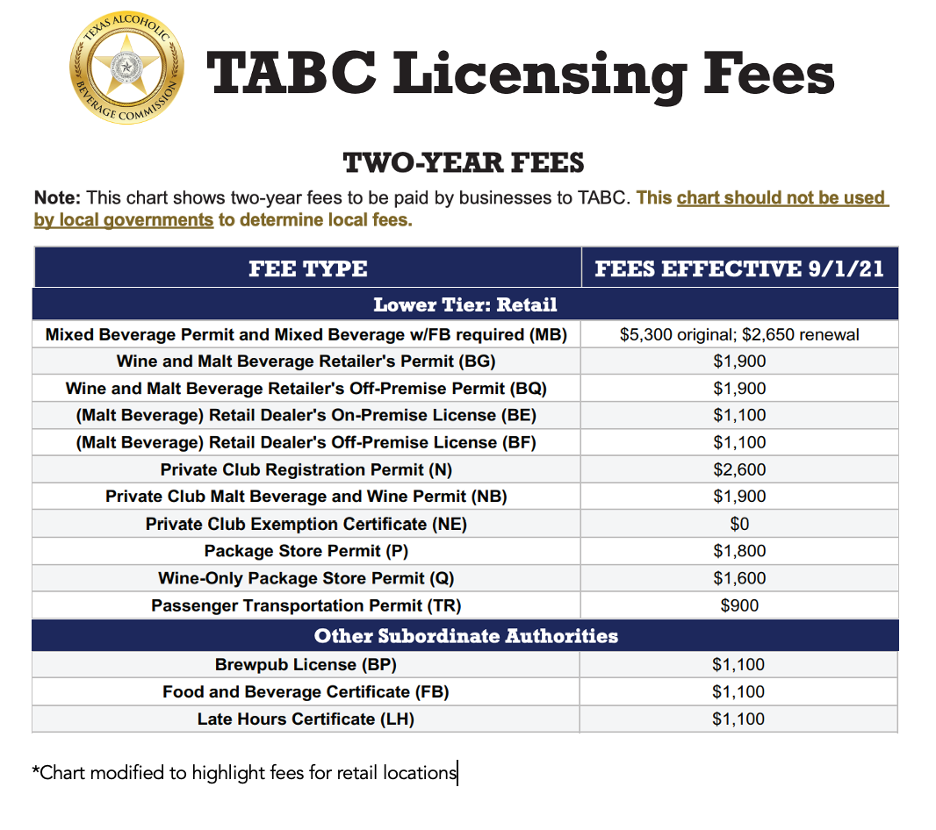
The Texas Alcoholic Beverage Commission (TABC) is the governing body responsible for issuing and regulating all alcoholic beverage permits within the state. Their extensive regulations are designed to ensure responsible alcohol sales and consumption, and compliance with these rules is non-negotiable. For businesses planning to operate in Texas, particularly those focused on food, hospitality, and tourism, understanding the TABC’s fee structure is as essential as knowing the best Texas BBQ joints or the most scenic Texas state parks. This guide will delve into the various components that contribute to the overall cost of a Texas liquor license, providing a comprehensive overview for prospective business owners.
Understanding the Different Types of Liquor Licenses in Texas and Their Associated Costs
The primary driver of the cost for a Texas liquor license is the specific type of permit your business needs. The TABC offers a wide array of licenses, each tailored to different operational models and the types of alcoholic beverages you intend to sell. These distinctions directly impact the fees involved.
Beer and Wine Permits
For establishments primarily focused on selling beer and wine, such as certain types of restaurants, cafes, or convenience stores, there are specific permits available. These are generally less expensive than licenses that permit the sale of all types of alcohol.
- Package Store Permit (Retail – Beer and Wine): This permit allows the holder to sell beer and wine for off-premise consumption. The fees for this type of permit are typically in the lower range, often ranging from a few hundred dollars annually.
- Mixed Beverage Permit (Retail – Beer and Wine Only): This permit allows for the sale of beer and wine for on-premise consumption. This is a common choice for restaurants that do not wish to serve spirits. The annual fee for this permit is also comparatively modest, usually within the same bracket as the package store permit for beer and wine.
Full Liquor Licenses
For establishments looking to serve a full spectrum of alcoholic beverages, including spirits, the costs increase significantly. These licenses are essential for bars, lounges, and full-service restaurants that aim to offer a comprehensive drink menu.
- Mixed Beverage Permit (Full Liquor): This is perhaps the most common permit for full-service restaurants and bars that wish to sell liquor, wine, and beer for on-premise consumption. The cost of this permit is considerably higher than those for beer and wine only. Annual fees can range from $1,000 to over $2,000, depending on the specific classification and location.
- Package Store Permit (Retail – All Alcoholic Beverages): This permit allows for the sale of liquor, wine, and beer for off-premise consumption. These are the licenses held by traditional liquor stores. The annual fees for a package store permit are also substantial, often falling into a similar range as the full liquor mixed beverage permit.
- Distillery, Winery, and Brewery Permits: For businesses involved in the production of alcoholic beverages, specialized permits are required. These include:
- Manufacturer’s License (Distillery): This permit allows for the distillation of spirits. The fees for such licenses are typically higher due to the manufacturing aspect and potential for larger-scale operations.
- Winery Permit: For those producing wine.
- Brewery Permit: For those producing beer.
The costs associated with these manufacturing permits are often higher and can also involve additional local or state taxes based on production volume.
Temporary Permits
For events, festivals, or temporary establishments, the TABC offers temporary permits. These are designed for short-term operations and are significantly less expensive than annual licenses.
- Temporary Event Notice (TEN): This allows for the sale of beer and wine at a specific event. The fees are usually nominal, often in the range of $20 to $50 per day, making it an affordable option for special occasions.
- Temporary Mixed Beverage Permit: For temporary events where spirits are to be served. These will naturally carry a higher cost than a TEN but are still considerably less than a full annual permit.
Additional Fees and Factors Influencing Liquor License Costs in Texas
Beyond the base permit fees, several other costs and factors can influence the total expenditure when obtaining a liquor license in Texas. These often include local taxes, surcharges, and the operational costs associated with compliance.
Local and County Fees
In addition to the state-mandated TABC fees, many cities and counties in Texas impose their own local permit fees or surcharges. These local fees can vary significantly from one jurisdiction to another. For instance, a business operating in a major metropolitan area like Dallas or Houston might face higher local fees compared to a business in a smaller rural town. These local fees are often collected by the municipality and can add a substantial amount to the initial and annual costs of holding a liquor license. It’s imperative for business owners to research the specific fee structures of the city and county in which they plan to operate.
Taxes and Surcharges
Texas also levies various taxes and surcharges on alcoholic beverages. These taxes are not directly part of the license fee but are an ongoing operational cost that must be factored into the business’s financial projections.
- Mixed Beverage Gross Receipts Tax: Businesses operating with a Mixed Beverage Permit are subject to a tax on their gross receipts from the sale of mixed beverages. The rate of this tax can vary.
- Taxes on Beer and Wine: While not as comprehensive as the mixed beverage tax, there are still excise taxes applied to beer and wine.
Administrative and Legal Costs
Obtaining a liquor license is not always a straightforward process. Many applicants choose to work with legal professionals or licensing consultants who specialize in TABC applications.
- Attorney Fees: For complex applications, appeals, or to ensure all legalities are handled correctly, engaging an attorney can be necessary. Legal fees can range from a few hundred to several thousand dollars, depending on the complexity and the attorney’s rates.
- Consultant Fees: Licensing consultants can guide applicants through the process, help with paperwork, and ensure all requirements are met. Their fees are generally more structured than hourly attorney fees.
- Fingerprinting and Background Checks: TABC requires background checks for license applicants, which often involve fingerprinting fees.
- Surety Bonds: Some license types may require a surety bond to be posted, which acts as a guarantee of compliance with TABC regulations. The cost of a surety bond is typically a percentage of the bond amount.
Renewal Fees
Liquor licenses in Texas are not permanent and require annual renewal. The renewal fees are generally less than the initial application fees but are still a recurring expense that must be budgeted for. The cost of renewal will depend on the specific license type.
How to Estimate the Total Cost of a Texas Liquor License
Given the myriad of variables, providing an exact figure for a Texas liquor license is challenging. However, a prospective business owner can arrive at a reasonable estimate by following a systematic approach.
Step 1: Identify Your Business Operation and Target Market
The first and most crucial step is to clearly define what your business will do. Will you be a full-service restaurant, a bar, a convenience store selling beer and wine, or a package store selling all types of alcohol? Will your operation be in a bustling urban center like Austin or a quieter suburban area near San Antonio? The answers to these questions will dictate the type of license you need and the potential local fees.
Step 2: Research Specific TABC Permit Fees
Visit the official Texas Alcoholic Beverage Commission (TABC) website. They provide detailed lists of all available permits and their corresponding annual fees. Look for the specific permit that aligns with your business model. Remember that these are base fees and do not include all potential costs.
Step 3: Investigate Local and County Requirements
Contact the city hall or county clerk’s office in the jurisdiction where your business will be located. Inquire about any additional local permit fees, zoning regulations related to alcohol sales, and any other local requirements that might impact your operation and its costs. This is a critical step, as local fees can significantly increase the overall expense.
Step 4: Factor in Operational and Administrative Costs
Consider the additional expenses beyond the permit fees:
- Legal and Consulting Fees: Decide if you will need professional assistance and get quotes from attorneys or licensing consultants.
- Surety Bond Costs: If a bond is required, research typical premium costs.
- Background Check Fees: Factor in the cost of fingerprinting and any associated processing fees.
- Taxes: Understand the relevant excise taxes and gross receipts taxes that will apply to your sales. While these are operational costs, they are directly tied to your ability to sell alcohol and should be part of your financial planning.
Example Scenarios:
- Small Restaurant (Beer & Wine Only): If you plan to open a quaint bistro in Galveston that only serves beer and wine, you would likely need a Mixed Beverage Permit (Retail – Beer and Wine Only). The TABC fee might be around $500 annually, plus potential modest local fees. Total initial and first-year costs could range from $700 to $1,500.
- Full-Service Bar: A downtown Fort Worth bar looking to serve all alcoholic beverages would need a Mixed Beverage Permit (Full Liquor). The TABC fee could be $1,750 annually. Add to this potentially higher city fees, legal consultation to ensure compliance with zoning and health codes for a lively establishment, and perhaps a surety bond. The total cost for this type of license could easily fall between $3,000 and $6,000 or more for the first year.
- Package Store: A liquor store in a suburban Dallas neighborhood would require a Package Store Permit (Retail – All Alcoholic Beverages). The TABC fee might be around $1,500 annually, with additional city fees that could push the total for the first year to $2,000 to $4,000.
By meticulously researching each component, business owners can develop a realistic budget for their Texas liquor license, paving the way for a successful and compliant business. This due diligence is not just about the initial outlay but about understanding the ongoing financial responsibilities that come with serving alcohol in the vibrant Texas market, ensuring your establishment can thrive without unexpected financial burdens.
LifeOutOfTheBox is a participant in the Amazon Services LLC Associates Program, an affiliate advertising program designed to provide a means for sites to earn advertising fees by advertising and linking to Amazon.com. Amazon, the Amazon logo, AmazonSupply, and the AmazonSupply logo are trademarks of Amazon.com, Inc. or its affiliates. As an Amazon Associate we earn affiliate commissions from qualifying purchases.