
Embarking on a journey through Texas is an experience unlike any other, offering a tapestry of diverse landscapes, vibrant cities, and unparalleled cultural richness. From the sprawling urban jungles of Houston and Dallas to the bohemian charm of Austin and the historic allure of San Antonio, the Lone Star State beckons with endless possibilities for travelers. However, navigating this colossal state, the second-largest in the U.S., often means covering significant distances. This is where the question of “how much gas in Texas?” becomes not just a logistical query, but a fundamental aspect of planning your travel budget and ensuring a seamless, enjoyable trip.

Understanding the dynamics of fuel prices, availability, and smart travel strategies in Texas is crucial for any visitor, whether you’re a luxury traveler planning a resort getaway, a family embarking on an epic road trip, or a solo adventurer seeking authentic local experiences. Gas is the lifeblood of exploration here, granting access to remote natural wonders like Big Bend National Park, historic landmarks such as The Alamo, and the countless hidden gems scattered across its vast expanse. This comprehensive guide will delve into everything you need to know about fueling your Texas adventures, ensuring your focus remains on the breathtaking destinations and unforgettable experiences awaiting you.
Navigating the Vastness: Fueling Your Texas Road Trip
Texas’s immense size means that driving is often the most practical, and indeed, most rewarding way to explore its diverse offerings. A road trip through the Lone Star State allows for unparalleled flexibility, enabling you to discover everything from bustling city centers to serene Texas Hill Country wineries and pristine Gulf Coast beaches. However, the sheer distances involved make understanding fuel consumption and costs a primary concern for any travel planner.
Understanding Fuel Prices Across the Lone Star State
Gas prices in Texas, like anywhere else, fluctuate based on global oil markets, regional demand, and local taxes. What sets Texas apart is its significant role as a leading oil and gas producer in the U.S., which can sometimes translate into relatively competitive prices compared to other states. However, “competitive” is a relative term, and prices can still represent a substantial portion of a traveler’s budget, especially over long distances.
Generally, you’ll find price variations across different regions. Major metropolitan areas such as Houston, Dallas, Austin, and San Antonio tend to have a wider range of stations and, at times, slightly lower prices due to competition. Conversely, more remote areas, particularly those leading to natural landmarks or in less populated regions like West Texas (near Big Bend National Park or the Davis Mountains), may see higher prices simply due to transportation costs and less competition. It’s not uncommon to see a significant jump in price per gallon when leaving a major highway for a rural route.
For instance, driving from Dallas to Houston (approximately 240 miles) might offer consistent pricing along Interstate 45. However, venturing from San Antonio west towards El Paso (over 550 miles), especially through less populated stretches, requires careful planning for fuel stops, as stations can be sparse and prices elevated. Monitoring gas price apps before and during your trip can provide real-time data, helping you identify the best places to fill up and manage your budget more effectively.
Fueling Up: Availability and Planning Stops
The availability of gas stations is generally excellent within and around Texas’s major cities and along its interstate highway system. You’ll find a plethora of options, often clustered at exits, making it easy to refuel without significant detours. Convenience stores attached to gas stations are common, offering snacks, drinks, and restrooms, which are essential amenities for any long drive.
However, once you venture off the beaten path, particularly into the vast landscapes of West Texas, the story changes. Areas surrounding national and state parks like Big Bend National Park or Big Bend Ranch State Park, or heading towards destinations like the McDonald Observatory in the Davis Mountains, can have very limited services. It’s not uncommon to encounter stretches of 50-100 miles or more between gas stations. This necessitates a proactive approach: always keep your tank at least half full when exploring remote regions, and carry extra water and emergency supplies.
Planning your stops isn’t just about fuel; it’s also about experiencing Texas’s local culture and attractions. Integrate your refueling stops with visits to charming small towns, roadside eateries, or local landmarks. This transforms a mundane chore into an opportunity for discovery, enriching your overall travel experience and allowing you to immerse yourself in the authentic spirit of the state.
Budgeting for the Open Road: The Economic Side of Texas Travel
For many travelers, managing expenses is a critical part of trip planning. In a state as expansive as Texas, fuel costs can significantly impact your overall budget, especially for extended stays or multi-city itineraries. Strategic budgeting for gas allows you to allocate more funds towards unforgettable experiences, exquisite dining, or comfortable accommodation, from boutique hotels in Austin to luxury resorts along the Gulf Coast.
Estimating Fuel Costs for Your Itinerary
To effectively budget for gas, you need to estimate your total mileage and understand your vehicle’s fuel efficiency. Start by mapping out your intended route, identifying key destinations like San Antonio River Walk, South Padre Island, or Palo Duro Canyon. Online mapping tools can help you calculate the approximate distance for your entire trip.
Example Itinerary Calculation:
Let’s consider a popular loop covering some major Texas cities:
- Dallas to Austin: ~200 miles
- Austin to San Antonio: ~80 miles
- San Antonio to Houston: ~200 miles
- Houston back to Dallas: ~240 miles
- Total approximate mileage: 720 miles
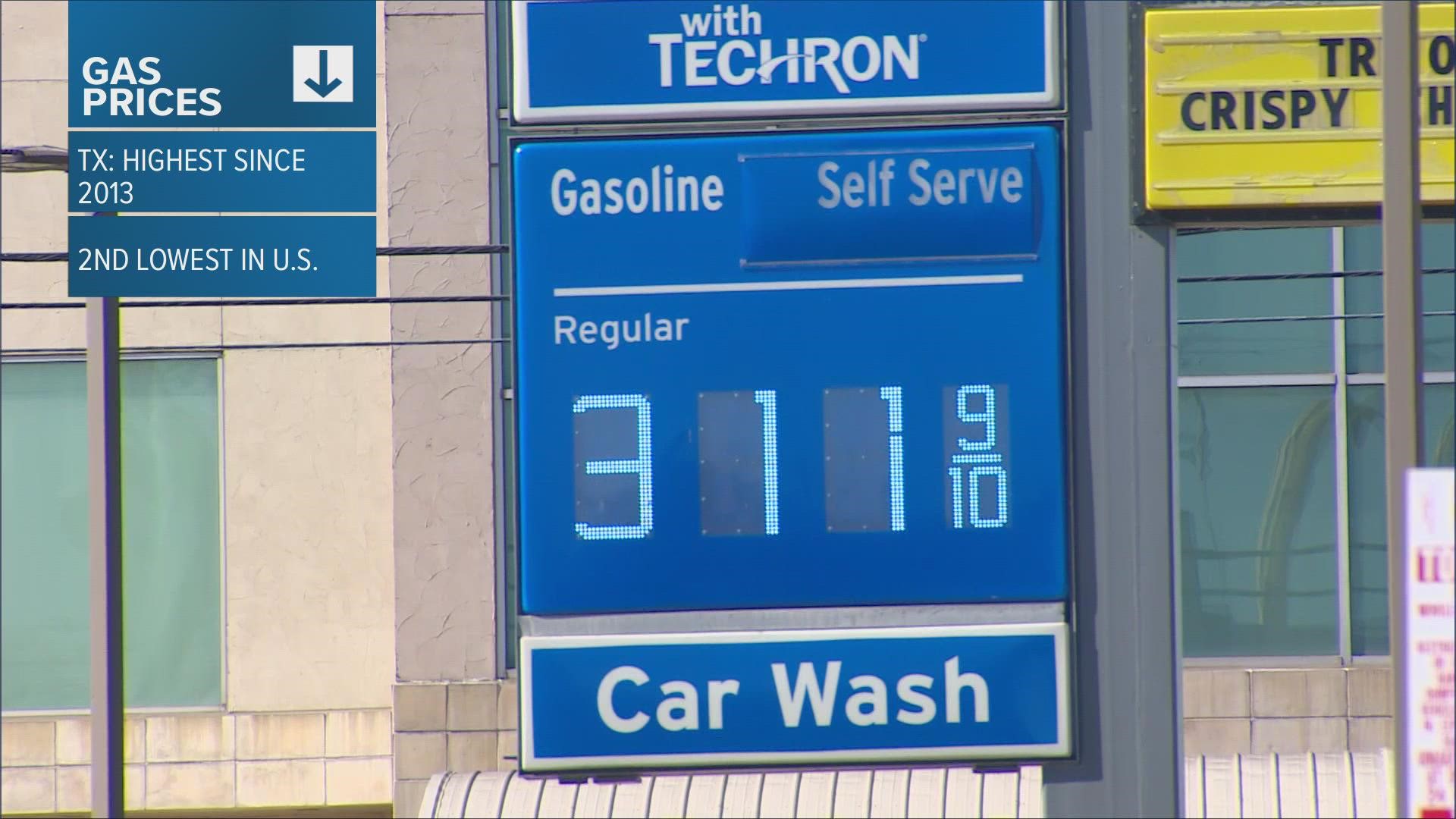
If your vehicle gets an average of 25 miles per gallon (MPG), you would need approximately 28.8 gallons of gas for this loop (720 miles / 25 MPG). If the average gas price is, for example, $3.00 per gallon, your estimated fuel cost for this leg alone would be around $86.40. Remember to factor in additional driving within cities, detours to attractions, and round trips to and from airports like Austin Bergstrom International Airport, Dallas/Fort Worth International Airport, or George Bush Intercontinental Airport.
For family trips or longer stays, these costs can accumulate. Consider rental car options, as some rental companies offer fuel-efficient models. For long-term stays, particularly if you’re exploring a specific region extensively, having a clear understanding of daily driving patterns will help refine your budget.
Tips for Saving on Gas and Maximizing Your Budget
Saving on gas in Texas means more money for authentic Texas barbecue, thrilling attractions like Space Center Houston, or an extra night at a charming Texas Hill Country bed and breakfast. Here are some practical tips:
- Maintain Your Vehicle: Ensure your tires are properly inflated, and your engine is tuned. A well-maintained vehicle is more fuel-efficient.
- Drive Smart: Avoid aggressive driving habits such as rapid acceleration and hard braking. Maintaining a consistent speed (within legal limits) on highways can significantly improve MPG. Using cruise control where appropriate helps.
- Use Navigation Apps: Many popular navigation apps integrate real-time traffic data, helping you avoid congested routes that can lead to excessive idling and lower fuel economy.
- Utilize Gas Price Apps: Before you hit the road or as you approach a new city, consult apps that show current gas prices at nearby stations. This can help you find the cheapest fuel available, especially in competitive markets like Dallas, Houston, or Fort Worth.
- Consider Fuel-Efficient Rentals: If you’re flying into Texas and renting a car, opt for a compact or hybrid model. While a large SUV might seem appealing for a long journey, the fuel savings from a smaller vehicle can be substantial. Look for options from reputable brands like Toyota, Honda, or Volkswagen known for their fuel economy.
- Pack Light: Excess weight in your vehicle reduces fuel efficiency. Pack only what you need, especially for longer trips.
- Combine Errands/Activities: Group your daily activities to minimize unnecessary driving. If you’re staying in Austin, plan your visits to Sixth Street, South Congress Avenue, and Lake Travis logically to avoid crisscrossing the city multiple times.
By integrating these strategies into your travel lifestyle, you can significantly reduce your fuel expenditure, making your Texas adventure more affordable and enjoyable.
Beyond the Tank: Alternative Transportation and Travel Experiences
While driving is synonymous with Texas exploration, it’s not the only way to experience the state. For some travelers, minimizing reliance on personal vehicles can be a part of a budget-conscious strategy, an eco-friendly choice, or simply a preference for a different kind of travel experience. Texas offers various alternatives, especially in its major urban centers, allowing visitors to tailor their trip to their lifestyle and interests.
Exploring Texas Without a Car: Urban Mobility
In the heart of Texas’s largest cities, public transportation options can be surprisingly robust, offering an efficient way to explore without constantly filling the tank.
- Houston: The METRORail light rail system connects downtown with key attractions like the Museum of Fine Arts, Houston, NRG Park, and the Texas Medical Center. Extensive bus routes complement the rail network, making it feasible to reach most parts of the city, including NASA’s Johnson Space Center with a combination of rail and bus.
- Austin: CapMetro provides bus and commuter rail services, connecting downtown Austin with the university area, popular entertainment districts, and residential neighborhoods. Many of Austin’s main attractions are walkable or accessible via short rideshares from central areas.
- San Antonio: VIA Metropolitan Transit offers bus services covering the city, with special tourist-friendly routes that connect downtown attractions like The Alamo and the Historic Market Square to the Pearl District and beyond. The iconic San Antonio River Walk itself is best explored on foot or via river barge.
- Dallas & Fort Worth: The Dallas Area Rapid Transit (DART) system is one of the largest in North America, providing light rail, commuter rail, and bus services across multiple cities, including connections to Dallas/Fort Worth International Airport. In Dallas, you can easily reach areas like Klyde Warren Park or the Arts District. Fort Worth offers its own Trinity Metro bus service and a popular Dash electric bus linking downtown to the Cultural District.
For inter-city travel, services like Greyhound buses offer connections between major Texas cities, and Amtrak provides limited long-distance train routes, such as the Texas Eagle, connecting Dallas with San Antonio and other stops. While not as extensive as in Europe, these options can be a viable alternative for budget travelers or those preferring a slower pace.

Maximizing Your Texas Experience: Strategic Accommodation and Activities
The choice of accommodation can significantly influence your need for gas. Booking hotels, resorts, or apartments in central, walkable districts or near public transit hubs can dramatically reduce your driving requirements. Imagine staying at a Hyatt Regency downtown, a Marriott near a light rail station, or a charming Hilton in a historic district. This strategy is particularly effective in cities like Austin and San Antonio, where many attractions are concentrated.
Furthermore, consider focusing your trip on specific regions to minimize extensive driving:
- Texas Hill Country Escape: Base yourself in a charming town like Fredericksburg or New Braunfels and explore local wineries, quaint shops in the Gruene Historic District, river tubing on the Guadalupe River, or boating on Canyon Lake. Distances between attractions here are manageable.
- Gulf Coast Getaway: Focus on Galveston for its historic architecture, beaches, and attractions like Moody Gardens and Schlitterbahn Waterpark, or venture further south to Corpus Christi and South Padre Island for pristine beaches and Padre Island National Seashore. These areas offer plenty of local activities within short driving distances.
- Urban Immersion: Choose a single major city like Houston or Dallas and dedicate your entire trip to exploring its museums, culinary scene, shopping, and entertainment, utilizing public transport and ride-sharing services as needed.
For those interested in luxury travel, a focus on amenities and exclusive experiences within a resort can also limit the need for extensive driving. Conversely, budget travelers can save not only on gas but also on accommodation by staying slightly outside city centers and relying on public transport, carefully weighing the trade-offs between accommodation costs and potential transit times.
In conclusion, “how much gas in Texas?” is a multifaceted question that goes beyond simple dollars and cents. It’s about strategic planning, understanding the state’s vast geography, and choosing the travel style that best suits your preferences and budget. Whether you’re embarking on an epic cross-state road trip or enjoying a concentrated urban escape, a little foresight regarding fuel and transportation will unlock the full potential of your Texas adventure, allowing you to focus on creating cherished memories in this extraordinary state.
LifeOutOfTheBox is a participant in the Amazon Services LLC Associates Program, an affiliate advertising program designed to provide a means for sites to earn advertising fees by advertising and linking to Amazon.com. Amazon, the Amazon logo, AmazonSupply, and the AmazonSupply logo are trademarks of Amazon.com, Inc. or its affiliates. As an Amazon Associate we earn affiliate commissions from qualifying purchases.