
California, a land of unparalleled beauty, diverse landscapes, and vibrant culture, is a dream destination for travelers worldwide. From the iconic Golden Gate Bridge in San Francisco to the sun-drenched beaches of Los Angeles and the majestic peaks of Yosemite National Park, the Golden State beckons with a promise of adventure and unforgettable experiences. However, for those planning a road trip, a leisurely tour of wine country in Napa Valley, or simply navigating the bustling urban centers, a fundamental question often arises: how much gas is in California, and what does its unique fuel market mean for travelers and residents alike?
Understanding the intricacies of California’s fuel landscape is crucial, not just for budgeting but also for planning seamless travel experiences. The state operates within a relatively isolated market, characterized by stringent environmental regulations, limited pipeline connections to other states, and a reliance on in-state refineries to produce a specialized blend of gasoline. This unique ecosystem significantly influences both the availability and pricing of fuel, impacting everything from the cost of a rental car for your Pacific Coast Highway adventure to the logistics of a family trip to Disneyland. As a hub for tourism, diverse lifestyles, and countless landmarks, the gas situation in California is a topic of considerable interest, affecting everything from spontaneous weekend getaways to meticulously planned long-term stays.

Understanding California’s Unique Fuel Landscape
The question of “how much gas is in California?” isn’t just about the current stock in underground tanks; it encompasses the entire supply chain, from crude oil production and imports to refining capacity, distribution networks, and consumer demand. California stands out in the United States for several reasons that contribute to its distinctive fuel market.
The Golden State’s Isolated Market and Specialized Fuel Blends
One of the primary factors is California’s geographic isolation from the rest of the United States fuel supply grid. While other states can often draw from a national network of pipelines and refineries, California is largely self-reliant or depends on marine imports. The state’s pipeline infrastructure primarily connects to local sources and adjacent states like Nevada and Arizona, but it is not extensively linked to the Gulf Coast or Midwest refining centers that serve much of the country. This means that disruptions to California’s in-state refining capacity or port operations can have an outsized impact on local supply.
Adding to this complexity are the state’s pioneering environmental regulations, spearheaded by the California Air Resources Board (CARB). These regulations mandate a specific, cleaner-burning gasoline blend known as California Reformulated Gasoline (CaRFG). This blend is designed to reduce air pollution, particularly smog, a critical concern in densely populated areas like Los Angeles and the Central Valley. Producing CaRFG requires specialized refinery equipment and processes, meaning that very few refineries outside of California are equipped to make it. This exclusivity means that when one of California’s refineries faces an unplanned outage, importing the precise blend from elsewhere is often difficult and expensive, leading to rapid price spikes and concerns about short-term availability.

Key Refineries and Distribution Hubs
California is home to some of the largest and most sophisticated oil refineries in the United States. These facilities, primarily located in the Los Angeles basin and the San Francisco Bay Area, are the backbone of the state’s fuel supply. Cities like Long Beach, Richmond, and Martinez are crucial refining centers.
Crude oil feedstock for these refineries comes from a combination of in-state production (e.g., in areas around Bakersfield and Fresno), imports via tankers from countries like Saudi Arabia, Ecuador, and Iraq, and pipelines from states like Alaska. Once refined, the fuel is distributed throughout the state via an extensive network of pipelines, tanker trucks, and rail, reaching the numerous gas stations that dot the freeways and communities from San Diego to Redwood National and State Parks. The Energy Information Administration (EIA) regularly reports on gasoline stocks, which typically show that California maintains several days to weeks of supply in its storage facilities. However, these figures can fluctuate dramatically based on demand, refinery output, and global market conditions.
Navigating Gas Prices and Their Impact on California Travel
The amount of gas available is one thing, but the price tag attached to it is another, and it significantly shapes travel and lifestyle decisions in California. The state consistently experiences some of the highest gasoline prices in the United States, a reality that every traveler and resident must factor into their plans.
Factors Driving High Prices in the Golden State
Several key elements contribute to California’s elevated fuel costs:
- Taxes: California levies some of the highest fuel taxes in the nation, including excise taxes, sales taxes, and a cap-and-trade program that adds to the per-gallon cost. These taxes fund vital infrastructure projects and environmental initiatives, but they also directly impact consumers at the pump.
- Environmental Regulations: The aforementioned CaRFG blend is more expensive to produce than conventional gasoline. The specialized manufacturing process, coupled with lower supply flexibility, creates a premium on California’s fuel.
- Market Dynamics: California’s isolated market means that local supply and demand imbalances, refinery maintenance, or unexpected outages can lead to sharper price increases than in other regions of the country. Even minor issues at one of the state’s few refineries can send prices surging.
- Transportation Costs: Moving crude oil to refineries and then refined gasoline to distribution points across such a large and geographically diverse state also adds to the final price.
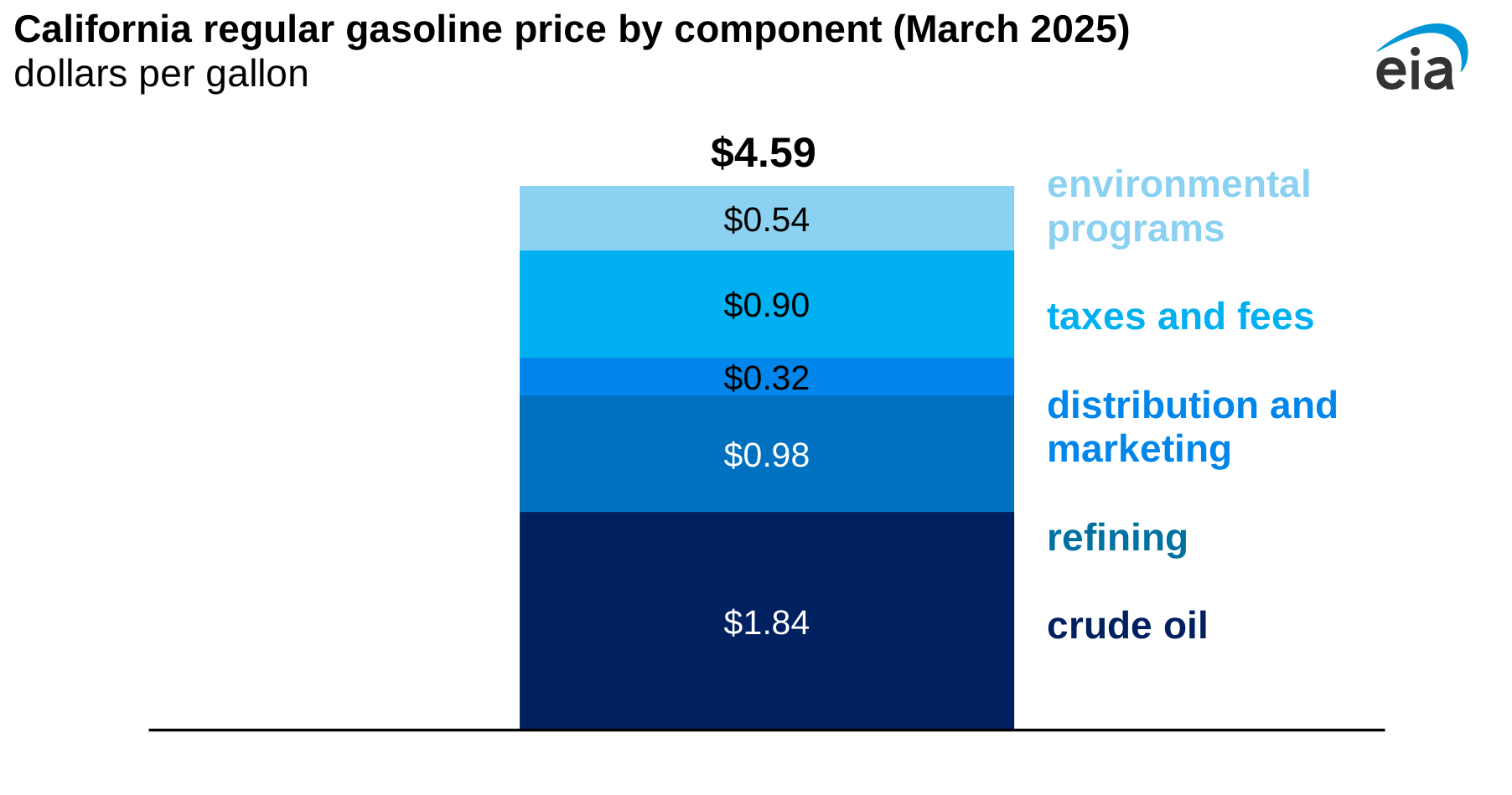
These factors mean that a road trip from San Diego to Sacramento or a scenic drive through Big Sur will inherently incur higher fuel costs than similar distances in many other states. This can influence choices regarding hotels, accommodation types, and even the duration of a stay, as travelers look to balance their overall budget.
Planning Your California Road Trip: Budgeting for Fuel
For many, exploring California means hitting the open road. From the majestic coastline of Monterey to the desert landscapes of Death Valley National Park and the vibrant cityscapes of Oakland and Riverside, a car is often essential. Savvy travelers should incorporate a substantial fuel budget into their travel plans, especially for longer journeys.
- Research Prices: Utilize apps and websites to check gas prices along your planned route. Prices can vary significantly even within the same city, with stations near major highways or tourist attractions often being more expensive. Planning where to refuel can save a considerable amount over the course of a trip.
- Consider Fuel Efficiency: When renting a car, prioritize fuel-efficient models. Opting for a smaller sedan or a hybrid vehicle can make a noticeable difference in your overall expenses, leaving more room in your budget for dining out, attractions, or a nicer hotel in Santa Monica.
- Alternative Transportation: In major metropolitan areas like San Francisco, Los Angeles, and San Diego, consider utilizing public transportation, ride-sharing services, or even walking and biking to explore local landmarks and attractions. This not only saves on gas but also reduces parking hassles and offers a more immersive experience of local culture.
- Electric Vehicles (EVs): California is a leader in EV adoption and infrastructure. For travelers interested in an eco-friendly and potentially cost-saving option, renting an EV could be a viable choice. The state boasts an extensive network of charging stations, especially in urban centers and along major corridors. This aligns well with a lifestyle focused on sustainability and modern travel experiences.
The Future of Fuel and Sustainable Travel in California
As the world shifts towards more sustainable practices, California is at the forefront of embracing alternative energy and reducing its reliance on fossil fuels. This transition will undoubtedly reshape the question of “how much gas is in California” in the coming decades, especially for those interested in eco-conscious tourism and lifestyle choices.
Embracing Electric Vehicles and Charging Infrastructure
California has ambitious goals for transitioning to electric vehicles, aiming to phase out the sale of new gasoline-powered cars by 2035. This has led to a significant investment in charging infrastructure across the state. From major highway rest stops to city parking garages in places like Anaheim and Santa Ana, and even many hotels and resorts, EV charging stations are becoming increasingly ubiquitous.
For travelers, this means that while gasoline remains essential for most, the option of an electric road trip is becoming more feasible and attractive. Many hotels are now offering EV charging as a key amenity, catering to a growing demographic of environmentally conscious guests. This trend supports a lifestyle of luxury travel combined with sustainability, where exploring scenic routes or staying at a lavish resort in Palm Springs can be done with a reduced carbon footprint.
Public Transportation and Eco-Friendly Explorations
Beyond personal vehicles, California’s commitment to reducing emissions also extends to enhancing public transportation options. Major cities feature extensive bus and rail networks, making it possible to experience urban attractions, local food scenes, and cultural landmarks without a car. For example, exploring downtown San Francisco or Los Angeles by public transit can offer a unique perspective and significant savings on fuel and parking.
Furthermore, the state’s numerous national and state parks, such as Joshua Tree National Park or the beaches of Santa Barbara, often encourage sustainable visitation through shuttle services, bike paths, and clearly marked hiking trails. This caters to a travel lifestyle that prioritizes nature, outdoor activities, and minimizing environmental impact. For those looking for long-term stays or simply extended vacations, proximity to these eco-friendly options can be a decisive factor in choosing accommodation.
Adapting Your Travel Lifestyle
Ultimately, understanding the “how much gas is in California” question is about more than just numbers; it’s about adapting your travel lifestyle to the realities and future trends of this dynamic state. Whether you’re planning a budget-conscious family trip to Lake Tahoe, a luxurious spa retreat in Napa Valley, or a business stay in San Jose, being informed about fuel costs and availability will enhance your experience.
California continues to be a top destination for tourism, offering an unparalleled array of attractions and experiences. By understanding its unique fuel market, embracing smart planning, and considering sustainable alternatives, travelers can ensure their journeys through the Golden State are as smooth, enjoyable, and environmentally responsible as possible. The evolving landscape of fuel in California promises not just a shift in energy sources, but a transformation in how we explore, experience, and engage with this magnificent part of the United States.
LifeOutOfTheBox is a participant in the Amazon Services LLC Associates Program, an affiliate advertising program designed to provide a means for sites to earn advertising fees by advertising and linking to Amazon.com. Amazon, the Amazon logo, AmazonSupply, and the AmazonSupply logo are trademarks of Amazon.com, Inc. or its affiliates. As an Amazon Associate we earn affiliate commissions from qualifying purchases.