
Purchasing a home in California represents a significant long-term accommodation decision, one that blends aspiration with often stark financial realities. Known for its picturesque landscapes, innovative industries, and vibrant culture, California is also synonymous with some of the nation’s highest housing costs. Understanding how much house you can genuinely afford here requires a comprehensive look at personal finances, market dynamics, and a clear-eyed assessment of the unique economic factors at play across the Golden State. It’s not just about qualifying for a loan; it’s about securing a sustainable long-term living situation that supports your lifestyle without undue financial strain.

Understanding California’s Unique Real Estate Landscape
The dream of owning a home in California is often tempered by its formidable price tag. The state’s desirability, driven by economic opportunity in tech and entertainment, coupled with limited housing supply and strict environmental regulations, creates a competitive and expensive market.
The Golden State’s Price Premium
California consistently ranks among the most expensive housing markets in the United States. This premium is influenced by several factors:
- High Demand, Limited Supply: Population growth, particularly in urban hubs like Los Angeles and the Bay Area, far outpaces new housing construction. Land is scarce, and zoning laws often restrict density.
- Economic Strength: Major economic centers, including Silicon Valley and Hollywood, attract high-paying jobs, creating a large pool of affluent buyers who can drive up prices.
- Desirable Lifestyle: The appeal of year-round sunshine, diverse geography, and access to beaches, mountains, and cultural amenities contributes to the high demand for long-term accommodation.
- Regulatory Environment: Stringent building codes, environmental impact reviews, and local permitting processes can add significant time and cost to construction, further limiting new supply.
This environment means that buyers must prepare for median home prices that often exceed national averages by a substantial margin, making meticulous financial planning absolutely critical for anyone seeking long-term accommodation here.
Regional Variances in Home Value
While California as a whole is expensive, home affordability varies dramatically by region. What might be an unachievable dream in one area could be a realistic goal in another.
-
Extremely High-Cost Areas:
- The Bay Area: Encompassing cities like San Francisco, San Jose, and Oakland, this region boasts median home prices well over $1 million, often closer to $1.5 million or more in prime locations. Affordability here typically requires a substantial income and down payment.
- Coastal Southern California: Cities like Los Angeles, Santa Barbara, and San Diego also command high prices, often ranging from $800,000 to over $1 million, especially in sought-after beach communities.
-
Moderately High-Cost Areas:
- Inland Southern California: Areas like Riverside and San Bernardino counties offer relatively lower prices than coastal regions, though still above the national average, often in the $500,000 to $700,000 range.
- Sacramento and Surrounding Areas: As the state capital, Sacramento has seen significant appreciation but remains more affordable than the Bay Area, with median prices typically in the $450,000 to $650,000 range.
-
More Affordable Options:
- The Central Valley: Cities such as Fresno and Bakersfield represent some of the most affordable long-term accommodation options in California, with median home prices often below $400,000. These areas offer a different lifestyle, often more agricultural, but can be a viable entry point into California homeownership.
- Rural and Far Northern California: Remote counties can also offer lower prices, though job opportunities and amenities might be more limited.
Understanding these regional differences is crucial. Your ability to afford a home will largely depend on where in California you choose to seek your long-term accommodation.
Key Financial Pillars of Home Affordability
Determining your housing budget in California hinges on several core financial metrics that lenders use to assess your eligibility for a mortgage.
Income and Debt-to-Income Ratio
Your income is the primary determinant of how much you can borrow. Lenders typically look for a stable, verifiable income. However, it’s not just about how much you earn, but also how much debt you carry relative to that income. This is your Debt-to-Income (DTI) ratio.
- Front-End DTI: The percentage of your gross monthly income that goes towards housing costs (mortgage principal and interest, property taxes, homeowner’s insurance, and homeowners association fees, if applicable). Lenders generally prefer this to be no more than 28%.
- Back-End DTI: The percentage of your gross monthly income that goes towards all monthly debt payments, including housing costs, car loans, student loans, and credit card payments. Most conventional loans cap this at 36%, though some programs, like those backed by the Federal Housing Administration (FHA), may allow up to 43% or even 50% in certain circumstances.
Given the high cost of homes in California, you will likely need a higher income than in other states to maintain an acceptable DTI, especially in the most competitive markets.
The Critical Role of Credit Score
Your credit score is a numerical representation of your creditworthiness. A higher score indicates a lower risk to lenders, often translating to better interest rates and more favorable loan terms.
- Excellent Credit (740+ FICO): Unlocks the best interest rates, which can save tens of thousands of dollars over the life of a mortgage.
- Good Credit (670-739 FICO): Still qualifies for competitive rates, though not always the absolute lowest.
- Fair Credit (580-669 FICO): May qualify for FHA loans, but conventional loan options might be limited or come with higher interest rates.
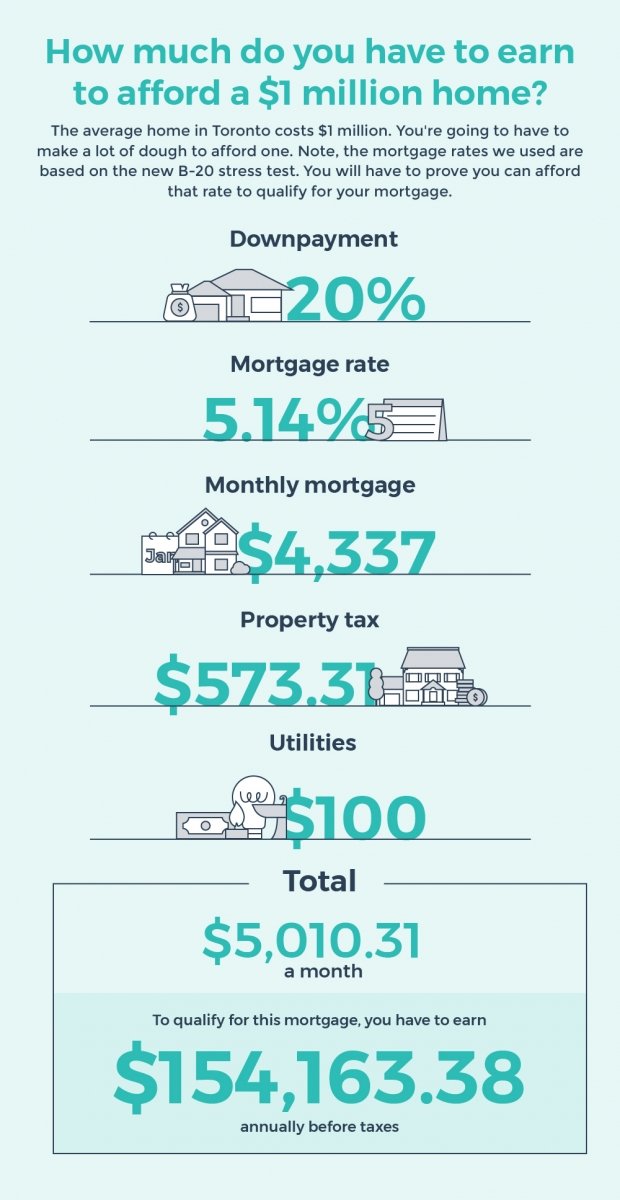
In a market like California, where every percentage point on an interest rate can dramatically impact your monthly payment on a large loan, a strong credit score is paramount for maximizing your affordability.
Down Payment Strategies
The down payment is the upfront cash you pay towards the home’s purchase price. A larger down payment reduces the amount you need to borrow and can lower your monthly mortgage payments.
- 20% Down Payment: Traditionally considered ideal, as it helps you avoid Private Mortgage Insurance (PMI) on conventional loans. On a $700,000 home, this means $140,000 in cash, which can be a significant hurdle for many California buyers.
- Less Than 20% Down: Many buyers opt for lower down payments (e.g., 3%, 5%, 10%). While this makes homeownership more accessible, it typically requires PMI, an additional monthly cost that increases your overall housing expense.
- FHA Loans: Allow down payments as low as 3.5% for borrowers with a minimum credit score of 580. While FHA loans come with mortgage insurance premiums (MIP) for the life of the loan (or until specific conditions are met), they can be a crucial pathway to long-term accommodation for those with less savings.
- VA Loans: For eligible veterans, service members, and surviving spouses, loans backed by the Department of Veterans Affairs (VA) often require no down payment at all, offering an exceptional opportunity for qualifying individuals.
Saving for a substantial down payment is often the biggest financial challenge for aspiring homeowners in California. Many leverage strategies like gifts from family, employer assistance programs, or state-specific first-time homebuyer programs to bridge this gap.
Navigating Mortgage Options and Hidden Costs
Beyond the purchase price, several ongoing costs and mortgage considerations will shape your true affordability in California.
Exploring Loan Programs
The type of mortgage you choose significantly impacts your monthly payments and overall costs.
- Conventional Loans: Offered by private lenders, these require good credit and a stable financial history. They are flexible but typically demand higher down payments (though 3-5% options exist).
- FHA Loans: Insured by the Federal Housing Administration, these are more forgiving on credit scores and down payments, making them popular for first-time buyers. However, they include both upfront and annual mortgage insurance.
- VA Loans: Backed by the Department of Veterans Affairs, these offer competitive interest rates, no down payment, and no private mortgage insurance for eligible borrowers.
- Jumbo Loans: For home prices exceeding conforming loan limits (which are significantly higher in high-cost California counties), you may need a jumbo loan. These have stricter qualification requirements, including higher credit scores and larger down payments.
- State and Local Programs: California often has programs through the California Housing Finance Agency (CalHFA) that offer down payment assistance or favorable loan terms for eligible low- to moderate-income buyers. Researching these can provide a crucial boost.
Beyond the Mortgage: Property Taxes, Insurance, and HOAs
Your monthly housing payment isn’t just principal and interest. In California, these additional costs can be substantial.
- Property Taxes: California’s property tax system, governed by Proposition 13, assesses property based on its last sale price, with annual increases capped at 2% plus the local inflation rate. While the base rate is relatively low (around 1-1.25% of the assessed value), the high home values mean annual tax bills can still be significant, particularly in areas with additional local bonds or assessments.
- Homeowner’s Insurance: Essential for protecting your investment, this cost varies based on location, home value, and specific risks like wildfire zones or coastal proximity.
- Earthquake Insurance: California is earthquake country, and standard homeowner’s insurance does not cover earthquake damage. Many homeowners opt for separate earthquake insurance, which can be expensive but provides crucial peace of mind for long-term accommodation.
- Flood Insurance: If your potential home is in a designated flood zone, lenders will mandate flood insurance, adding another layer to your monthly expenses.
- Homeowners Association (HOA) Fees: For condos, townhouses, or homes in planned communities, HOA fees are common. These cover maintenance of common areas, amenities, and sometimes utilities. Fees can range from a few hundred to over a thousand dollars monthly in some luxury developments.
These “hidden” costs can add hundreds or even thousands of dollars to your monthly housing budget, making it imperative to factor them into your affordability calculations.
Practical Steps to Determine Your Budget
Armed with knowledge of California’s market and the financial components, you can now take concrete steps to define your affordability.
Pre-Approval and Budgeting Tools
- Get Pre-Approved: This is the single most important step. A mortgage lender will review your finances (income, assets, debts, credit) and provide a letter stating how much they are willing to lend you. This not only gives you a concrete budget but also makes your offers more attractive to sellers in a competitive market. Remember, pre-approval is not a guarantee; it’s an estimate, and the final loan amount can change.
- Utilize Online Calculators: Use online mortgage calculators, ideally ones specific to California, to estimate monthly payments, including property taxes and insurance, based on different home prices, interest rates, and down payments.
- Create a Detailed Personal Budget: Beyond what a lender says you can afford, honestly assess what you feel comfortable spending each month. Account for all your other living expenses in California, which are also generally higher than the national average (groceries, utilities, transportation, childcare, entertainment, etc.). Aim for a housing payment that leaves room for savings, emergencies, and your desired lifestyle.

Considering Your Lifestyle and Long-Term Goals
Your affordability isn’t just a number; it’s deeply tied to your quality of life and future aspirations.
- Commute Times: In sprawling areas like Southern California or the Bay Area, a “cheaper” home might come with a multi-hour daily commute, impacting your time, stress levels, and vehicle costs. Factor this into your overall budget and lifestyle equation for your long-term accommodation.
- Future Financial Goals: Do you plan to start a family, change careers, or save for retirement? Ensuring your mortgage payment leaves sufficient room for these future goals is crucial for long-term financial health.
- Emergency Fund: Always maintain an emergency fund of at least 3-6 months’ worth of living expenses. This is even more vital as a homeowner, given the potential for unexpected repairs and maintenance.
Affording a house in California is a complex challenge, but it is achievable with diligent planning and realistic expectations. By thoroughly understanding your financial capacity, the nuances of the California market, and prioritizing your long-term financial well-being, you can find a suitable and sustainable long-term accommodation that truly fits your life.
LifeOutOfTheBox is a participant in the Amazon Services LLC Associates Program, an affiliate advertising program designed to provide a means for sites to earn advertising fees by advertising and linking to Amazon.com. Amazon, the Amazon logo, AmazonSupply, and the AmazonSupply logo are trademarks of Amazon.com, Inc. or its affiliates. As an Amazon Associate we earn affiliate commissions from qualifying purchases.