
For high-net-worth individuals and professionals considering a relocation to the bustling streets of New York City, understanding the fiscal landscape is as critical as choosing the right neighborhood. While the allure of Manhattan or the vibrant communities of Brooklyn is undeniable, the tax burden in the United States is significantly compounded by state and local levies. If you are planning a long-term stay or considering establishing residency in this global hub, you must account for the unique tripartite tax structure that defines life in the Empire State.
The Tripartite Tax Structure Explained
Navigating the financial obligations of living in New York requires an understanding that you are likely paying taxes at three distinct levels: federal, state, and local. Unlike many other regions, New York stands out due to its aggressive taxation on high earners and the additional layer of local income tax imposed on residents of its largest metropolis.
Federal Obligations
Regardless of where you reside, your federal tax burden remains constant, dictated by the Internal Revenue Service. These rates are progressive, and for high-income earners living in New York State, the federal top marginal rate can reach 37%. This is the baseline from which all other tax calculations begin.
State and Local Income Taxes
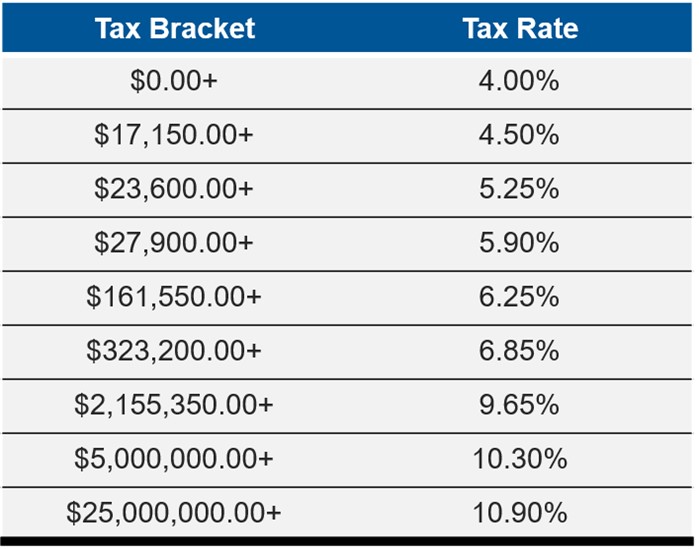
The state of New York imposes its own income tax, which is also progressive. The rates typically climb alongside income levels, creating a substantial financial commitment for those earning six-figure salaries or higher. However, the most unique aspect of the local tax profile is the New York City personal income tax. If you are a resident of any of the five boroughs, you are subject to an additional municipal income tax, which acts as a “city surcharge” on top of what you already owe the state.
Impact on Professional Relocation and Lifestyle
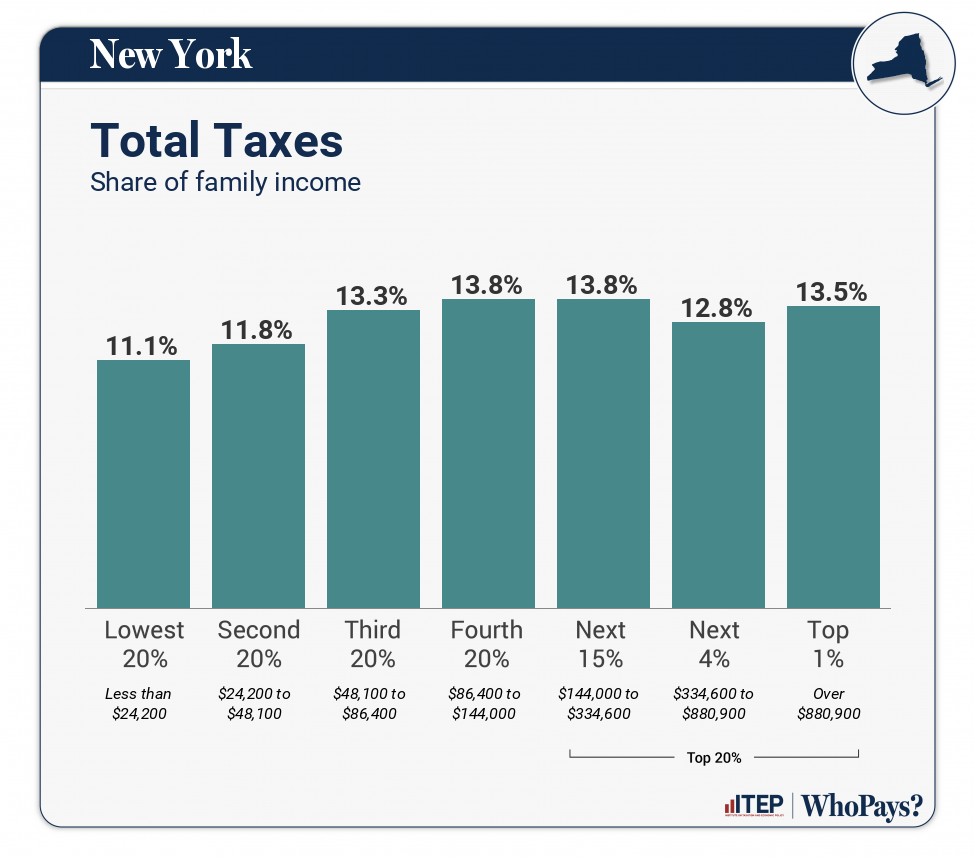
When budgeting for a move to North America, the “sticker shock” of the total tax rate is a common hurdle for expatriates and domestic migrants alike. High earners may find that their effective tax rate in New York is significantly higher than in states with no personal income tax, such as Florida or Texas.
The Cost of Urban Prestige
Living in the world’s financial center comes with a premium. The taxes collected help maintain the expansive infrastructure, public schools, and public services that make urban life possible. For those working in finance, media, or tech sectors, the proximity to headquarters in Wall Street or Midtown Manhattan often offsets these costs. The professional networking potential and access to world-class amenities—such as the Metropolitan Museum of Art or the Central Park—are often cited as reasons why professionals accept a higher tax burden in exchange for an unparalleled lifestyle.
Tax Planning for High Earners
Effective tax planning is essential for those residing in New York. Wealth management advisors often suggest exploring deductions related to mortgage interest, state and local tax (SALT) caps, and charitable contributions. Because the state and city income tax levels are so significant, even small adjustments to one’s financial portfolio can result in substantial annual savings.
Understanding Residency and Nexus
One of the most complex aspects of New York taxation is the determination of residency. If you split your time between The Hamptons and another state, you might be surprised to find yourself classified as a “statutory resident.”
The 183-Day Rule
New York tax authorities are notoriously rigorous regarding residency. If you maintain a “permanent place of abode” in the state and spend more than 183 days within its borders—even if those days are partial—you will be treated as a full-year resident for tax purposes. This means your worldwide income, not just your New York-sourced income, becomes subject to the full suite of state and city taxes.
Maintaining Proper Documentation
For those who travel frequently for business or leisure, keeping meticulous records of your time spent in the city is a defensive necessity. Documentation such as travel logs, receipts from hotels like the The Plaza Hotel, and credit card statements are vital to proving to tax auditors that you did not exceed the threshold of residency. Failing to maintain this level of scrutiny can result in unexpected tax audits that can be both costly and time-consuming.
Strategic Considerations for Long-Term Residency
If you are committing to a long-term stay in the city, it is advisable to view the tax rate as a fixed operational cost of your lifestyle. Much like the rent or the cost of premium dining in West Village, taxes in New York are a premium paid for access to a global hub of culture and commerce.
Investment in Infrastructure
While the tax bill may seem daunting, it is important to contextualize it against the immense value provided by the city. From the New York Public Library to the Subway System, your tax dollars are circulating through one of the most robust civic environments on the planet. For many, the ability to walk to the Empire State Building or attend a performance at Lincoln Center represents an intangible benefit that justifies the fiscal requirements.

Future Tax Projections
Tax policies are rarely static. As local government needs evolve, residents should stay informed about potential shifts in tax brackets or legislative changes that could impact the high-income tax tiers. Engaging with a tax professional who specializes in New York residency is the most reliable way to stay ahead of these developments. By staying proactive, you can ensure that your financial footprint remains compliant while you continue to enjoy the vibrant, fast-paced life that only a city like this can offer.
In summary, while the income tax in New York is undoubtedly among the highest in the United States, it remains a trade-off for the unparalleled opportunities found within the five boroughs. Balancing your financial obligations with the rewards of living in such an iconic global city is the hallmark of a successful New York resident.
LifeOutOfTheBox is a participant in the Amazon Services LLC Associates Program, an affiliate advertising program designed to provide a means for sites to earn advertising fees by advertising and linking to Amazon.com. Amazon, the Amazon logo, AmazonSupply, and the AmazonSupply logo are trademarks of Amazon.com, Inc. or its affiliates. As an Amazon Associate we earn affiliate commissions from qualifying purchases.