
When considering a move to the vast expanses of Texas, or perhaps investing in its burgeoning real estate market, a fundamental question often arises: “How much is one acre of land in Texas?” This inquiry, while seemingly straightforward, unlocks a complex world of variables that determine land value across the Lone Star State. From the bustling metropolises of Dallas and Houston to the tranquil ranches of West Texas, the price of an acre can fluctuate dramatically, influenced by a myriad of factors deeply intertwined with travel, tourism, accommodation, and lifestyle choices.

Texas is a state of immense diversity, not just in its geography but also in its economic drivers. The demand for land is shaped by its proximity to major employment hubs, the availability of natural resources, and the allure of its unique cultural landscapes. Whether you envision building a dream home, establishing a commercial enterprise, or simply owning a piece of the legendary Texas spirit, understanding these influencing factors is paramount to making an informed decision. This exploration will delve into the various elements that contribute to land valuation in Texas, providing insights that can benefit anyone from a potential homeowner to a seasoned investor.
Factors Influencing Land Value in Texas
The price of an acre of land in Texas is not a static figure; it’s a dynamic equation with numerous variables. These factors range from the intrinsic qualities of the land itself to the external economic and environmental forces at play. Understanding these elements is crucial for anyone looking to buy or sell property in the state.
Location, Location, Location
Perhaps the most significant determinant of land value is its location. This encompasses several sub-factors:
Proximity to Major Metropolitan Areas
Land situated within a commutable distance to major Texas cities like Houston, Dallas, San Antonio, or Austin will invariably command higher prices. These urban centers are magnets for economic activity, offering a plethora of job opportunities, diverse tourism attractions, and a wide array of accommodation options. The demand for housing and commercial spaces in these areas spills over into surrounding undeveloped land, driving up its cost. For instance, an acre of land on the outskirts of Austin will likely be far more expensive than an acre in a remote West Texas county, even if the physical characteristics of the land are similar. This proximity translates to easier access to amenities, better infrastructure, and a higher potential for future development, all of which contribute to increased land value.
Access to Infrastructure
The availability and quality of infrastructure significantly impact land prices. Acres with existing access to utilities such as water, electricity, and sewer lines are more valuable than those requiring extensive and costly utility extensions. Similarly, well-maintained roads and proximity to major transportation arteries like highways and interstates enhance accessibility and desirability, thus increasing the land’s worth. A property near a major highway might be ideal for a commercial venture, while a secluded parcel with limited road access might be more suited for a private ranch, each with its own valuation.
Local Amenities and Attractions
The presence of desirable local amenities and attractions can also boost land values. This includes proximity to natural landmarks like state parks, lakes, or rivers, as well as cultural hubs, renowned restaurants, and recreational facilities. For those seeking a particular lifestyle, such as a quiet retreat or an active outdoor experience, the availability of these features close to their property becomes a significant selling point. For example, land near popular destinations like the San Antonio River Walk or the vast natural beauty of Big Bend National Park will likely be more sought after and thus, more expensive.
Land Characteristics
Beyond its geographical positioning, the intrinsic qualities of the land itself play a vital role in its valuation.
Topography and Usability
The lay of the land, or its topography, directly affects its suitability for various purposes. Flat, clear land is generally more desirable for development, as it requires less preparation and construction cost. Hilly or heavily wooded terrain might be less appealing for building but could be highly valued for its scenic beauty or recreational potential, especially for luxury travel or nature tourism. The presence of features like clear water sources or fertile soil can also increase value, particularly for agricultural or ranching purposes.
Soil Type and Mineral Rights
The type of soil can influence the land’s suitability for farming, ranching, or construction. In some regions of Texas, soil composition is also a key indicator of potential mineral wealth. If mineral rights are included with the land, the value can be significantly higher, especially in areas known for oil and gas production. Buyers will often investigate the presence of potential resources, as these can represent substantial future income.
Water Access and Rights
Access to water is a critical factor in Texas, a state that can experience periods of drought. Land with natural water sources like creeks, rivers, or lakes, or with established water rights, is generally more valuable. This is particularly true for agricultural uses, livestock, or for creating desirable residential or recreational properties. The presence of existing wells or the potential for drilling new ones can also enhance the land’s appeal.
Market Conditions and Economic Factors
The broader economic climate and the specific real estate market dynamics in Texas are powerful drivers of land value.
Supply and Demand
As with any commodity, the fundamental principles of supply and demand govern land prices. In areas with high demand and limited supply, prices will naturally increase. Texas has experienced significant population growth in recent years, fueling a robust demand for housing and land, particularly in and around its major cities. Conversely, areas with declining populations or limited economic opportunities may see stagnant or declining land values.
Economic Growth and Development
The overall economic health of Texas plays a crucial role. Strong job growth, business expansion, and investment in infrastructure create a fertile environment for real estate appreciation. Areas experiencing economic booms, such as the Permian Basin’s oil and gas industry or the tech sector’s growth in Austin, often see a corresponding surge in land values. This economic vitality attracts new residents and businesses, further increasing the demand for land.
Local Zoning and Land Use Regulations
Zoning laws and land use regulations set by local governments can significantly impact how land can be utilized and, consequently, its value. Land zoned for commercial use will be priced differently than land zoned for residential or agricultural purposes. Changes in zoning can drastically alter a parcel’s potential and its market value. Developers and investors closely scrutinize these regulations when evaluating potential acquisitions.
Texas Land Prices: A Regional Breakdown
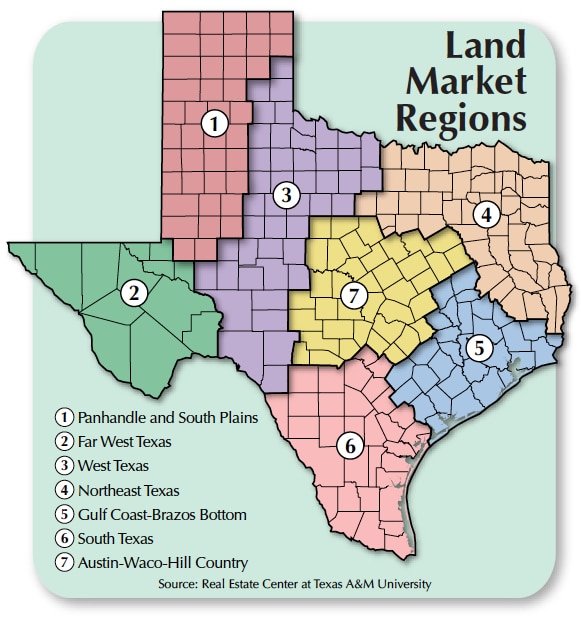
The sheer size and diversity of Texas mean that land prices vary dramatically from one region to another. While an exact figure is impossible without specific parcel details, we can explore general price ranges and the reasons behind them.
Urban Fringe and Suburban Expansion
Land located on the immediate outskirts of major Texas cities, often referred to as the urban fringe or suburban expansion zones, typically commands the highest prices for undeveloped acreage. These areas benefit from proximity to employment centers, established infrastructure, and the promise of future growth. Here, an acre might range from $10,000 to $50,000 or even much higher, depending on the specific city, the level of existing development, and the land’s potential for high-density housing or commercial projects. For example, land closer to Dallas‘s corporate campuses or Houston‘s energy sector hubs would be at the upper end of this spectrum. The appeal for developers is immense, as these areas are prime candidates for new housing communities, retail centers, and business parks, catering to a growing population seeking convenient accommodation and lifestyle choices.
Rural and Agricultural Land
Moving further away from urban centers, the price per acre generally decreases. Rural and agricultural land, while potentially vast, often has lower demand for immediate development and is valued more for its farming, ranching, or recreational potential. In these areas, an acre could range from $2,000 to $10,000. The value here is often tied to its productivity (for farming and ranching), its suitability for livestock, or its natural beauty and potential for hunting or outdoor experiences. Remote ranches in West Texas or the Panhandle might fall into this category. While the price per acre is lower, the sheer size of these parcels can still represent a significant investment. Buyers in these regions are often seeking a quieter lifestyle, a connection to nature, or a more traditional Texas way of life.
Recreational and Scenic Properties
Land with unique recreational or scenic appeal can sometimes fetch prices that defy typical regional trends. Acres adjacent to popular tourist attractions, lakes, rivers, or with stunning natural vistas might be priced higher than surrounding land, even if it’s in a more rural area. For instance, land with frontage on a desirable lake or with panoramic views of the Hill Country could command prices comparable to, or even exceeding, some suburban fringe parcels. These properties are sought after for vacation homes, weekend retreats, or as investments in luxury travel destinations. The allure of nature tourism and the desire for exclusive outdoor experiences drive up the value of such land.
Buying Land in Texas: Tips and Considerations
Purchasing land in Texas is a significant undertaking that requires careful planning and due diligence. Beyond understanding the price, buyers must consider various aspects to ensure a sound investment and a smooth transaction.
Due Diligence is Key
Before finalizing any purchase, conducting thorough due diligence is paramount. This involves:
Title Search and Survey
Ensuring a clear title is crucial to confirm that the seller has the legal right to sell the property and that there are no undisclosed liens, encumbrances, or easements. A professional survey will accurately define the property boundaries and may reveal any encroachments or discrepancies.
Environmental Assessments
Depending on the land’s history and location, environmental assessments may be necessary to identify any potential contamination or hazards that could affect its value or usability. This is particularly important in areas with a history of industrial or agricultural activity.
Zoning and Permitting
Understanding local zoning ordinances and building codes is essential to determine what can be built on the land and what permits will be required. This will help avoid potential future conflicts and ensure that your intended use of the property is permissible.
Understanding Your Goals
The purpose for which you intend to buy land will heavily influence your decision-making process.
Residential Dreams
If you’re looking to build a home, consider proximity to schools, workplaces, and amenities that align with your desired lifestyle. Think about the kind of accommodation you envision – a sprawling ranch, a suburban lot, or a secluded cabin.
Investment Opportunities
For investors, evaluating the potential for future appreciation, development opportunities, and rental income is key. Proximity to growing cities and areas with strong economic forecasts are often prime targets.
Agricultural and Ranching Pursuits
If your dream involves farming or ranching, focus on soil quality, water availability, fencing, and access for livestock. The traditional Texas ranching lifestyle is a significant draw for many.
Financing and Legalities
Securing financing for land purchases can sometimes differ from financing a home. Many lenders require a larger down payment for raw land. It’s also advisable to work with a real estate attorney experienced in Texas land transactions to navigate the complexities of contracts, deeds, and closing procedures.
In conclusion, the question of “How much is one acre of land in Texas?” is a gateway to understanding the multifaceted nature of real estate in this vast and dynamic state. By considering location, land characteristics, market conditions, and conducting thorough due diligence, prospective buyers can navigate the Texas land market with confidence and find the perfect piece of the Lone Star State to suit their dreams and aspirations, whether for travel, accommodation, tourism, or a permanent lifestyle change.
LifeOutOfTheBox is a participant in the Amazon Services LLC Associates Program, an affiliate advertising program designed to provide a means for sites to earn advertising fees by advertising and linking to Amazon.com. Amazon, the Amazon logo, AmazonSupply, and the AmazonSupply logo are trademarks of Amazon.com, Inc. or its affiliates. As an Amazon Associate we earn affiliate commissions from qualifying purchases.