
For anyone living in or planning to visit the vast and vibrant State of Texas, understanding the nuances of vehicle regulations is as crucial as planning your itinerary or booking your accommodation. Whether you’re a seasoned resident, a new transplant, or a traveler embarking on an epic Texas road trip, a fundamental piece of information you’ll need is about car inspections. Beyond just a bureaucratic requirement, these inspections play a vital role in ensuring road safety and environmental quality across the Lone Star State. Navigating the costs and procedures can seem daunting at first, but with the right information, it becomes a straightforward part of responsible vehicle ownership and seamless travel.
From the bustling metropolitan areas like Dallas and Houston to the serene landscapes of Big Bend National Park or the historic charm of San Antonio, a reliable and legally compliant vehicle is your key to experiencing all that Texas has to offer. This comprehensive guide will break down everything you need to know about car inspections in Texas, focusing on the critical question: “How much does it cost?” We’ll delve into the various fees, the distinction between safety and emissions inspections, and provide essential tips for ensuring your vehicle meets all the necessary standards, allowing you to focus on enjoying your Texas adventure or daily life with peace of mind.

Understanding Car Inspection Requirements in Texas: A Traveler’s and Resident’s Guide
Vehicle inspections in Texas are more than just an annual chore; they are a cornerstone of public safety and environmental stewardship. For both long-time residents and newcomers, understanding these requirements is essential for legal compliance and smooth vehicle operation. If you’re planning a relocation to Texas, perhaps to a vibrant city like Austin, or embarking on an extensive tour through the Texas Hill Country, ensuring your vehicle meets inspection standards is paramount.
Every vehicle registered in Texas is subject to an annual safety inspection. This applies to all types of vehicles, from motorcycles and passenger cars to light trucks and commercial vehicles. For new residents, if you’re bringing a vehicle from another state, it will need to pass a Texas inspection before it can be registered in the state. This initial inspection sets the benchmark for your vehicle’s roadworthiness within Texas borders.
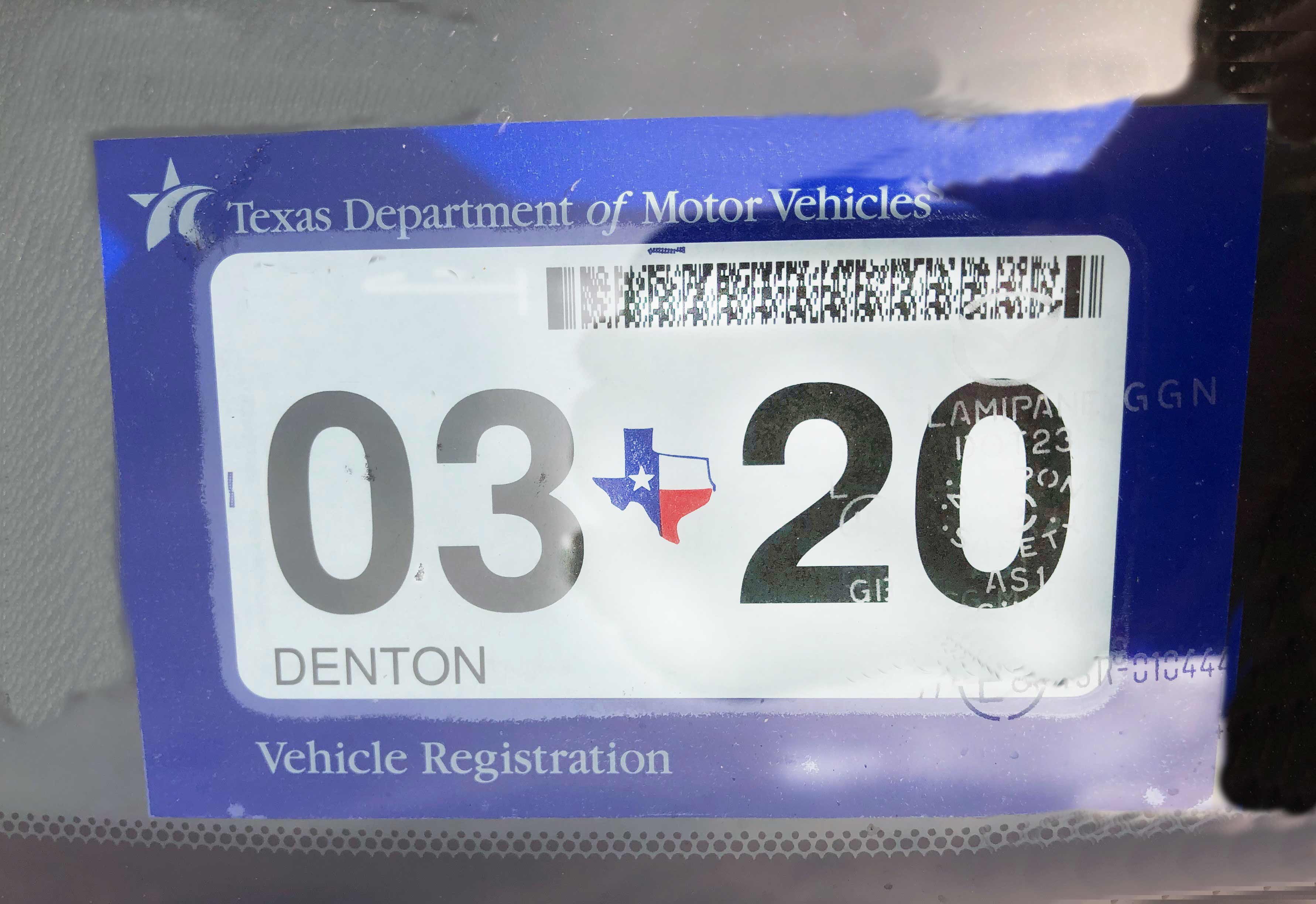
A significant change in recent years transformed the inspection process in Texas from a two-sticker system to the “Two Steps, One Sticker” program. Previously, vehicles displayed two stickers on their windshield: one for inspection and one for registration. Now, the process requires you to pass your vehicle inspection first, and then your proof of inspection is electronically transmitted to the Texas Department of Motor Vehicles (DMV). When you renew your vehicle registration, the system confirms a valid inspection has been completed. This means there’s no longer a physical inspection sticker; your registration sticker serves as proof that both requirements have been met. This streamlined approach makes it easier for residents and visitors alike to keep track of their vehicle’s compliance, preventing confusion and ensuring that all vehicles on Texas roads meet critical safety and environmental standards.
The Breakdown of Texas Car Inspection Costs: What to Expect
The core question for many vehicle owners in Texas is, “How much will this cost me?” The price of a car inspection in Texas isn’t a single, flat fee. It varies based on several factors, primarily the type of vehicle you own and whether your county requires an emissions test in addition to the standard safety inspection. Understanding these components will help you budget accurately and avoid any surprises.
Standard Safety Inspection Fees
The safety inspection is a mandatory annual requirement for all vehicles registered in Texas. The state portion of these fees is set and non-negotiable, regardless of where you get your inspection done. These fees are collected by the state and contribute to the program’s administration and enforcement. Here’s a general breakdown of the state-mandated fees:
- Motorcycles: Typically cost $7.00 for the state portion of the safety inspection.
- Passenger Cars and Light Trucks (2 to 24 years old): These vehicles generally incur a state fee of $12.50 for the safety inspection.
- Commercial Vehicles and Trailers: The fees for these larger vehicles can vary more significantly, often depending on their gross vehicle weight rating (GVWR). They are usually in a similar range to passenger vehicles but can have additional inspection requirements depending on their classification.
- Mopeds: Often treated similarly to motorcycles, with a state fee around $7.00.
It’s crucial to remember that these figures represent the state portion of the inspection fee. The actual inspection station you visit may charge an additional labor fee for conducting the inspection. While these additional charges should be reasonable, it’s always a good idea to inquire about the total cost before the inspection begins.
Emissions Testing Surcharges
Beyond the standard safety inspection, many vehicles in specific counties are also required to undergo an emissions inspection. This additional test is critical for maintaining air quality in Texas’s most populated areas. The emissions inspection incurs an additional state surcharge.
The counties that require emissions testing are generally those with higher population densities and historically higher levels of air pollution. These include:
- Travis County (encompassing Austin and Round Rock areas)
- Dallas County (including Dallas)
- Tarrant County (including Fort Worth)
- Harris County (including Houston)
- Brazoria County
- Galveston County
- El Paso County (including El Paso)
- And several other surrounding counties within the Dallas-Fort Worth, Houston-Galveston-Brazoria, and Austin-Round Rock metropolitan areas.
If your vehicle is registered in one of these counties, you will pay an additional state fee for the emissions test, which is typically $11.50 for most passenger cars and light trucks.
Total Cost Example: If you own a passenger car in Austin, your total state fee for the inspection would be $12.50 (safety) + $11.50 (emissions) = $24.00, plus any additional labor fees charged by the inspection station. This total can fluctuate slightly for different vehicle types or specific county regulations, but this gives a solid baseline.
Potential Additional Charges and Exemptions
As mentioned, inspection stations are authorized to charge a reasonable labor fee on top of the state-mandated charges. This fee covers the mechanic’s time and resources to perform the inspection. It’s advisable to check with the station beforehand for their total pricing.
Certain vehicles are exempt from one or both types of inspections:
- New vehicles: Vehicles less than 2 years old may be exempt from emissions testing if they have less than 25,000 miles. However, they still require a safety inspection.
- Antique vehicles: Vehicles that are 25 years old or older and qualify for antique license plates may be exempt from the emissions portion but still require a safety inspection.
- Diesel-powered vehicles: Generally, diesel vehicles with a gross vehicle weight rating (GVWR) of 14,000 pounds or more are exempt from emissions testing.
- Motorcycles: Are exempt from emissions testing, even in emission-testing counties.
Understanding these fee structures and exemptions is key to accurately predicting the cost of your annual car inspection in Texas, allowing you to budget effectively for this necessary aspect of vehicle ownership.
Navigating the Inspection Process in Texas: From Safety to Emissions
Once you understand the costs, the next step is to know what actually happens during a Texas car inspection. This process is designed to ensure that every vehicle on the road meets minimum safety standards and, in designated areas, contributes to cleaner air. Whether you’re commuting through Dallas or planning a scenic drive along the Gulf Coast to South Padre Island, a properly inspected vehicle is fundamental to your journey.
What is Checked During a Safety Inspection?
The safety inspection is a thorough check of your vehicle’s critical components to ensure it is safe to operate. This inspection covers a wide array of items designed to prevent accidents and protect occupants. Key areas checked include:
- Brakes: The functionality of both foot and parking brakes is assessed to ensure they can stop the vehicle effectively.
- Lights: All exterior lights – headlights (high and low beam), taillights, brake lights, turn signals, and license plate lights – must be operational and correctly aimed.
- Tires: Inspectors check for proper tread depth, uneven wear, and any visible damage that could compromise safety.
- Steering and Suspension: These systems are examined for excessive play, leaks, or damage that could affect vehicle control.
- Horn: Must be audible and functional.
- Mirrors: Side and rearview mirrors must be intact and properly aligned to provide adequate visibility.
- Seatbelts: All original seatbelts must be present and fully functional.
- Exhaust System: Checked for leaks, damage, and excessive noise.
- Windows and Windshield: Must be free of cracks or obstructions that impair the driver’s vision.
- Windshield Wipers: Must be operational and effectively clear the windshield.
- License Plates: Must be securely mounted and clearly visible.
- Wheel Assembly: Checked for loose or missing components.
The overarching goal of this safety check is to ensure that your vehicle is not a hazard to yourself or others on the road. For travelers, this means a reliable vehicle for exploring diverse destinations from the Fort Worth Stockyards to the historic Riverwalk in San Antonio.
Understanding Emissions Inspections
In addition to the safety inspection, vehicles registered in certain counties must undergo an emissions inspection. This test is crucial for air quality control and is specifically mandated in areas designated as non-attainment or near non-attainment for federal air quality standards, such as the Houston-Galveston-Brazoria region, Dallas-Fort Worth metroplex, and the Austin-Round Rock area.
For most vehicles manufactured after 1995, the emissions inspection primarily involves a check of the On-Board Diagnostics (OBD-II) system. The inspector connects a scanner to your vehicle’s OBD-II port to retrieve information on its emissions control system. The key indicators for passing are:
- No Malfunction Indicator Light (MIL) / Check Engine Light illuminated: A lit check engine light usually indicates a problem with the emissions system.
- Readiness Monitors are “Complete”: The vehicle’s computer performs self-tests (readiness monitors) on its emissions components. Most of these monitors must be “complete” or “ready” for the vehicle to pass.
- No detected emissions system tampering: A visual inspection may be conducted to ensure no components of the emissions system have been removed or altered.
The emissions test ensures that your vehicle’s exhaust is not contributing excessively to air pollution, which is a significant environmental concern in urban areas and critical for public health.
The Outcome: Passing and Failing
Once your inspection is complete, there are two possible outcomes:
- Passing the Inspection: If your vehicle meets all the required safety and, if applicable, emissions standards, the inspection station will electronically submit proof of your passing inspection to the Texas DMV database. This allows you to proceed with renewing your vehicle registration, which now serves as your combined proof of inspection and registration. You’ll receive a vehicle inspection report for your records.
- Failing the Inspection: If your vehicle fails either the safety or emissions test, you will receive a failed inspection report detailing the reasons. You are then required to have the necessary repairs made. In Texas, you typically have a specific grace period (often 15 days) to address the issues. If you return to the same inspection station for a re-inspection within this timeframe, the re-inspection is often free or offered at a reduced cost, provided you only failed on the original issue. If you go to a different station or exceed the grace period, you will likely need to pay for a full new inspection.
Failing an inspection can certainly disrupt travel plans or daily routines. Therefore, proactive maintenance and addressing minor issues before your scheduled inspection can save you time, money, and stress, ensuring your vehicle is always ready for whatever Texas throws your way.
Essential Tips for Vehicle Owners and Visitors in Texas
Navigating vehicle inspections in Texas becomes a straightforward part of life when you’re prepared. For residents, it’s an annual task, and for visitors planning extended stays or even considering relocation, it’s a vital piece of local knowledge. Keeping your vehicle compliant not only avoids penalties but also ensures that your experience, whether it’s exploring the historic landmarks or enjoying a vibrant city lifestyle, remains hassle-free and safe.
Finding an Approved Inspection Station
Locating a certified inspection station is usually quite easy. Most full-service auto repair shops, lube shops, and many dealerships are authorized to perform Texas state vehicle inspections.
- Online Search: A quick search online for “Texas state inspection near me” will yield numerous results.
- Official Websites: The Texas Department of Public Safety (DPS) or the Department of Motor Vehicles (DMV) websites often have tools to locate approved stations.
- Look for the Sign: Approved stations will display an official, prominently visible sign indicating they perform Texas Vehicle Inspections.
Always confirm that the station can perform both safety and emissions inspections if you are in a county requiring both.
Preparing for Your Inspection
A little preparation can go a long way in ensuring your vehicle passes the first time, saving you time and potentially money on re-inspections.
- Basic DIY Checks: Before you go, quickly check your lights, horn, windshield wipers, and tire pressure. Ensure your seatbelts retract properly. This can catch obvious issues that would lead to an automatic fail.
- Check Engine Light: If your Check Engine Light is on, address the underlying issue before heading to the inspection station, especially if you’re in an emissions-testing county. A lit MIL is an automatic emissions failure.
- Necessary Documents: While the process is largely electronic, it’s wise to bring your current vehicle registration and proof of insurance. Although the system should verify these electronically, having physical copies can resolve any potential technical glitches.
- Clear Fault Codes (Emissions): If you’ve recently had a repair that cleared the Check Engine Light, drive your vehicle for a few days to ensure the OBD-II readiness monitors reset and complete their cycles. Otherwise, your vehicle might fail the emissions test for “not ready” monitors.
Consequences of Not Complying
Failure to get your vehicle inspected or to address a failed inspection can lead to several undesirable outcomes:
- Inability to Renew Registration: Without a valid inspection on file, you cannot renew your vehicle’s registration.
- Fines and Penalties: Driving with an expired inspection (or expired registration due to a lack of inspection) can result in tickets and significant fines. These fines can accumulate quickly, becoming far more expensive than the inspection itself.
- Safety Concerns: More importantly, an uninspected vehicle might have underlying safety issues that could lead to an accident, impacting your well-being and that of others.
Connecting Car Inspections to Texas Travel and Lifestyle
For a website dedicated to travel, hotels, tourism, and lifestyle, understanding car inspections might seem a niche topic. However, it’s intrinsically linked to all these areas in Texas. A properly inspected vehicle is the foundation for:
- Seamless Travel: Whether you’re planning a cross-state road trip to explore Texas’s diverse attractions, a weekend getaway to a luxurious resort, or simply navigating between city landmarks, a reliable and legally compliant vehicle ensures your journey is smooth and uninterrupted. There’s nothing worse than a breakdown or a traffic stop for an expired registration ruining your vacation.
- Peace of Mind for Residents: For those making Texas their home, an annual inspection is a small but important part of responsible vehicle ownership, contributing to both personal safety and community environmental goals. It’s a key aspect of the “lifestyle” in the Lone Star State.
- Informed Relocation: If you’re considering moving to Texas, understanding this process is part of being well-prepared for your new life, whether it’s understanding the local culture or practical aspects of accommodation and transportation.
In conclusion, while the question “How much is a car inspection in Texas?” focuses on cost, the broader implications touch upon safety, environmental responsibility, and the freedom to explore this magnificent state. By understanding the fees, the inspection process, and preparing adequately, you ensure your vehicle is always ready for your next Texas adventure.
LifeOutOfTheBox is a participant in the Amazon Services LLC Associates Program, an affiliate advertising program designed to provide a means for sites to earn advertising fees by advertising and linking to Amazon.com. Amazon, the Amazon logo, AmazonSupply, and the AmazonSupply logo are trademarks of Amazon.com, Inc. or its affiliates. As an Amazon Associate we earn affiliate commissions from qualifying purchases.