
California, a land of breathtaking landscapes, iconic landmarks, and vibrant culture, attracts millions of visitors annually. From the sun-kissed beaches of San Diego to the majestic redwoods of Northern California, and the bustling streets of Los Angeles to the rolling vineyards of Napa Valley, the Golden State offers an unparalleled array of experiences for every traveler. Whether you’re embarking on a luxurious road trip along the Pacific Coast Highway, exploring the wonders of Yosemite National Park, or delving into the history of Alcatraz Island in San Francisco Bay, driving is often an integral part of the adventure.
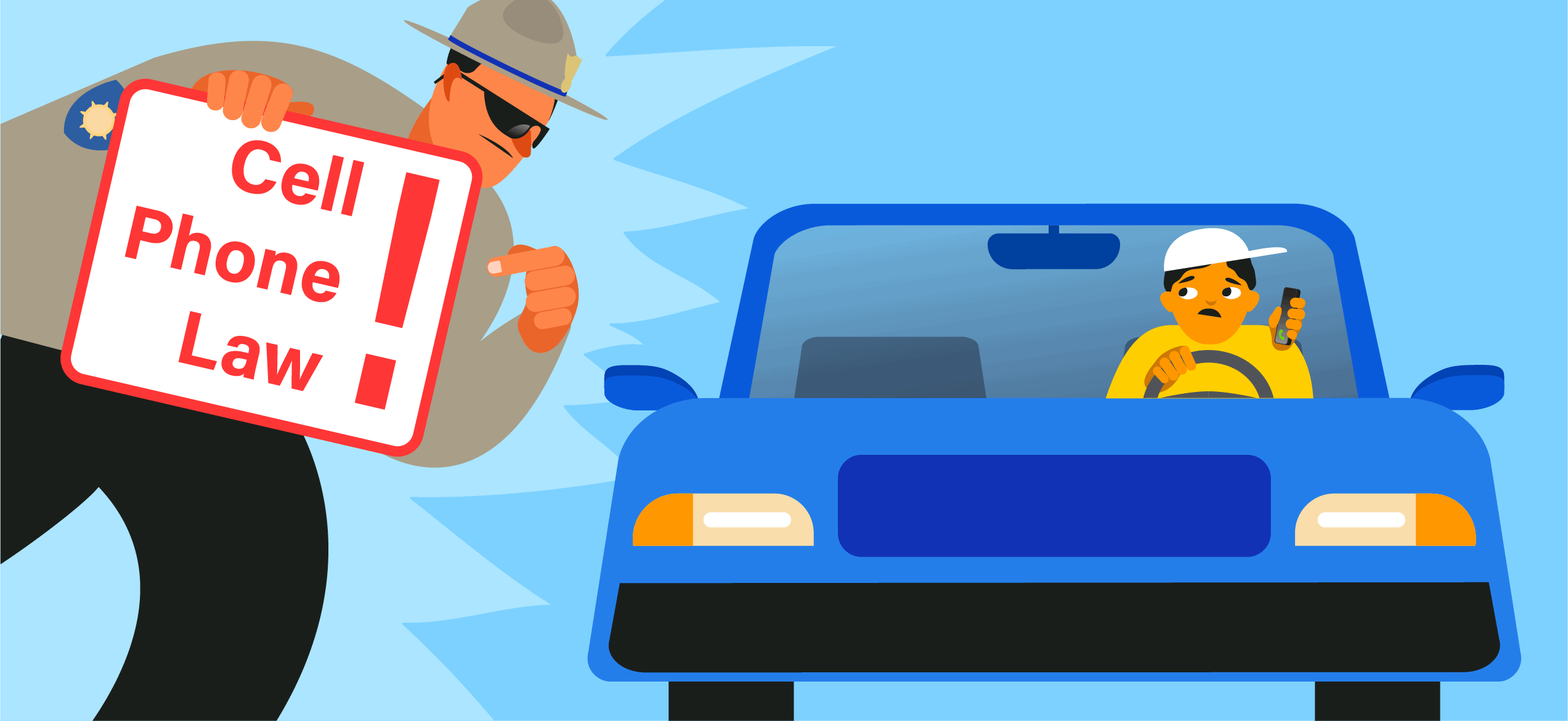
However, amidst the excitement of exploration, it’s crucial for both residents and visitors alike to be aware of local laws, especially those pertaining to driving. One of the most frequently misunderstood and frequently violated laws concerns the use of cell phones behind the wheel. Distracted driving is not only dangerous but also carries significant financial penalties and potential impacts on your travel experience and budget. For those planning a trip, or even considering a longer-term stay in one of California’s charming cities like Santa Barbara or Palm Springs, understanding the cost of a cell phone ticket is a vital piece of information that can save you considerable stress and expense. This comprehensive guide will break down everything you need to know about cell phone ticket costs in California, helping you navigate the state’s roads safely and legally.
Navigating California’s Roads: Understanding Distracted Driving Laws for Travelers
The allure of California’s diverse attractions often means spending a significant amount of time in your vehicle, whether it’s a rental car booked through a top accommodation provider or your own vehicle from a cross-country adventure. From scenic drives through Big Sur to navigating the urban sprawl of Sacramento, the state capital, understanding the nuances of distracted driving laws is paramount for a seamless and enjoyable journey.
The Legal Landscape: What Constitutes Distracted Driving?
California has some of the strictest distracted driving laws in the United States, primarily aimed at reducing accidents caused by inattention. The core of these laws revolves around the use of electronic wireless communication devices, specifically cell phones.
Handheld Devices vs. Hands-Free:
The primary law to be aware of, California Vehicle Code 23123.5 (for persons 18 and older), prohibits a driver from operating a motor vehicle while holding and operating a cell phone or electronic wireless communication device. This means you cannot hold your phone to talk, text, or use any application while driving. The intent is to keep both hands on the wheel and your focus on the road.
For drivers under the age of 18, the laws are even stricter. California Vehicle Code 23124 prohibits them from using a wireless telephone or an electronic wireless communications device even in a hands-free manner. This means no hands-free calling, no texting, no navigating—nothing. The only exception for minor drivers is for emergency purposes.
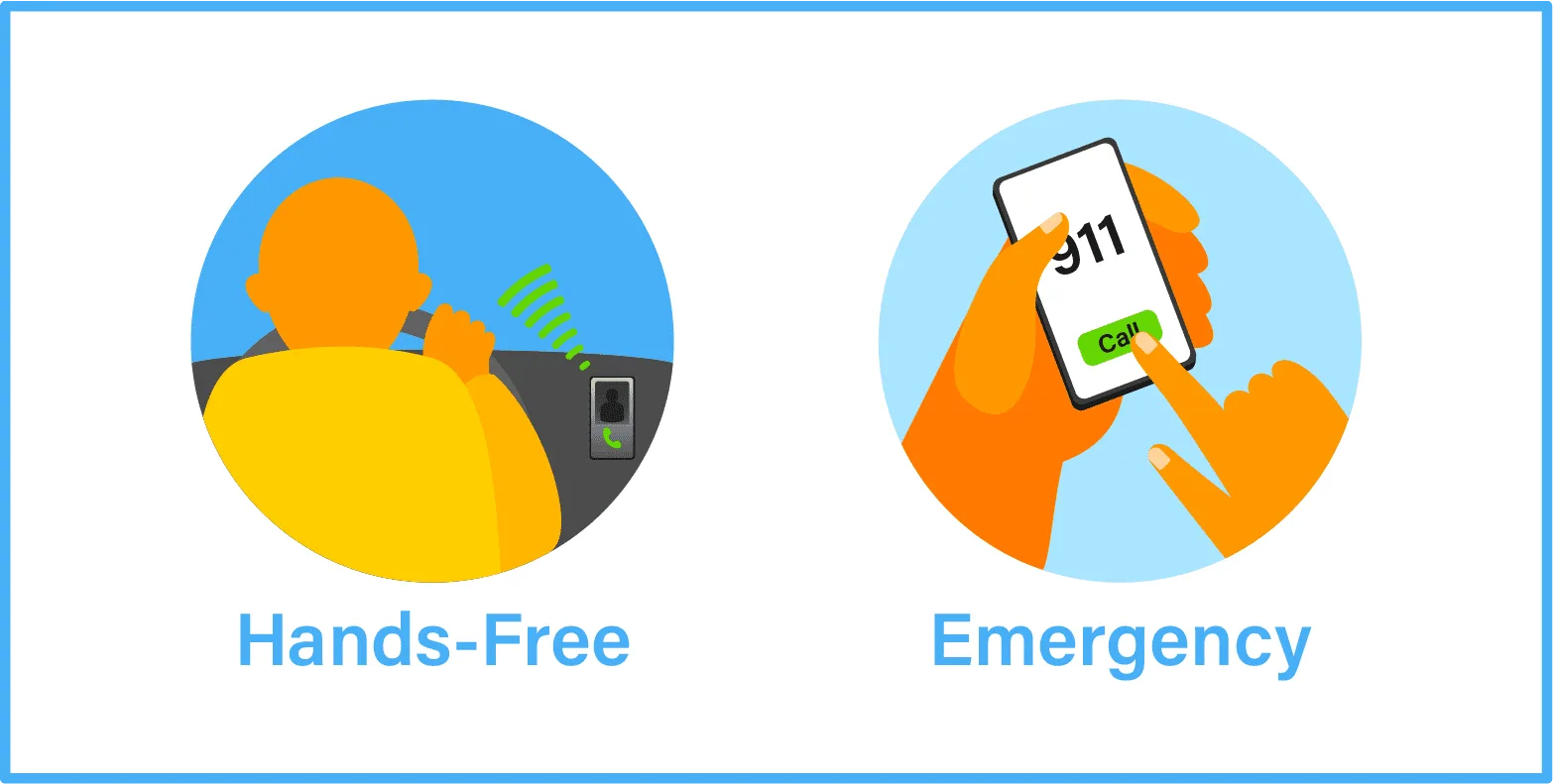
So, for most adult travelers, the key takeaway is: hands-free is the way to be. You can use your cell phone for navigation, making calls, or listening to music, but it must be mounted to the dashboard or windshield, allowing for hands-free operation and minimal interaction. A single tap or swipe is generally permissible to activate or deactivate a function, but continuous interaction (like typing out a long text message or scrolling through social media) is not. This applies whether you’re cruising past the Golden Gate Bridge or looking for a reputable hotel in Hollywood.
Specific Prohibitions and Exceptions:
- Texting: Absolutely prohibited while driving, regardless of age. This includes sending, reading, or writing text messages.
- Talking: Prohibited if you are holding the phone to your ear. It is permitted with a hands-free device (Bluetooth headset, car’s integrated system, speakerphone on a mounted device) for drivers 18 and older.
- Navigation: Permitted if the phone is securely mounted and requires only a single tap or swipe to interact. Avoid inputting destinations while driving.
- Music/Audio Playback: Permitted with a mounted device and minimal interaction.
- Emergency Calls: All drivers, regardless of age, are permitted to use a cell phone to contact law enforcement, a health care provider, the fire department, or any other emergency services agency in an emergency situation.
Understanding these distinctions is crucial, particularly when exploring popular tourist routes or driving to renowned attractions like Disneyland or the Santa Monica Pier. A moment of distraction could lead to a significant fine and detract from your travel experience.
The Financial Impact: Breaking Down Cell Phone Ticket Costs in the Golden State
Receiving a cell phone ticket in California can be a rude awakening, especially for those on a carefully planned travel budget. What might seem like a minor infraction can quickly escalate into a substantial financial burden once all the fees and assessments are tallied. It’s not just the base fine you need to consider; it’s the cumulative cost that truly hits home.
Initial Base Fine: What You Can Expect
The base fine for a first-offense cell phone ticket in California is relatively low, typically $20. For a second or subsequent offense, the base fine increases to $50. On its own, this might seem manageable for a traveler. However, these figures are merely the starting point.
Additional Fees and Assessments: The Hidden Costs
This is where the true cost of a cell phone ticket becomes apparent. California adds numerous surcharges, penalties, and assessments to the base fine. These extra fees often multiply the original base fine by several times, making even a $20 infraction balloon into a much larger sum. These additional charges typically include:
- State Surcharge: A percentage of the base fine.
- County Penalty Assessments: Fees levied by the county where the citation was issued.
- Court Construction Fund: A fee to help fund new court facilities.
- Emergency Medical Services (EMS) Fund: A contribution to emergency services.
- DNA Identification Fund: Another state-mandated fee.
- Traffic Violator School Fee: If you opt to attend traffic school (more on this later), there will be an administrative fee for that as well.
When all these assessments are factored in, a first-offense cell phone ticket in California typically costs approximately $160 to $200. For a second offense, this amount can easily climb to $250 or more. This unexpected expense can significantly impact a traveler’s budget, potentially forcing adjustments to accommodation choices, activity plans, or even dining experiences that were meticulously planned for your trip to California, whether it’s a luxury stay in Beverly Hills or a budget-friendly hostel near Venice Beach.
Driving Record Points: Impact on Insurance and Long-Term Travel
Unlike many other traffic violations, a cell phone ticket in California generally does not result in a point on your driving record for the first offense. This is a significant distinction, as points can lead to increased insurance premiums. However, this no-point policy applies only to offenses under Vehicle Code 23123.5 and 23124 specifically related to handheld device use. If the officer cited you for a different, more general distracted driving offense (e.g., reckless driving if your phone use was deemed extremely dangerous), points could be assessed.
For repeat offenders, a second or subsequent cell phone violation within 36 months will also not add points to your driving record, but the fine will be higher. This is a relief for many, as avoiding points helps keep insurance costs stable.
Out-of-State Drivers:
If you are an out-of-state driver and receive a cell phone ticket in California, the fine and fees will apply just as they would to a California resident. Whether this ticket will appear on your driving record in your home state and affect your insurance depends on the laws of your home state and the interstate agreements in place. Many states share traffic violation information, so it’s wise to assume it could have an impact. Always check with your insurance provider and your state’s Department of Motor Vehicles (or equivalent) for specific details. This is especially relevant if you’re frequently traveling for business or leisure, perhaps staying at different Hyatt Regency properties across the country.
Beyond the Fine: Consequences and Prevention for Visitors
While the financial cost of a cell phone ticket is a primary concern, especially for those managing travel expenses, there are other consequences that travelers should be aware of. More importantly, prevention is always the best strategy for a stress-free trip through the Golden State, whether you’re exploring Lake Tahoe or the unique landscapes of Death Valley National Park.
Repeat Offenses: Escalating Penalties
As mentioned, the base fine for a second cell phone offense within 36 months increases from $20 to $50. With all the additional assessments, this means a second ticket will likely cost you upwards of $250. While still no point is added, the cumulative financial drain can be significant, especially if you’re on an extended tour of California. Beyond financial penalties, repeated violations signal a disregard for safety laws, which could lead to increased scrutiny from law enforcement.
Insurance Implications: For Rental Cars and Personal Policies
Even without points, a traffic violation can sometimes be considered by insurance companies. If you’re driving a rental car, the rental company might be notified of the infraction, and it could potentially affect your ability to rent vehicles in the future or impact your rental insurance rates. For your personal car insurance, while California law prevents a direct point-based increase, some insurers might view a non-point violation as part of your overall risk profile when renewing your policy, potentially leading to higher premiums. It’s always best to drive cautiously to avoid any complications, especially when your travel lifestyle involves frequent car rentals.
Staying Safe and Compliant: Tips for Tourists
To ensure your California adventure remains focused on memorable experiences rather than legal hassles, here are some practical tips for staying compliant with cell phone laws:
- Mount Your Device: Invest in a sturdy dashboard or windshield mount for your phone. This is non-negotiable for using GPS or making hands-free calls. Many rental cars offer built-in navigation or Apple CarPlay/Android Auto, which are excellent hands-free options.
- Pre-set Everything: Before you start driving from your hotel in Anaheim to Universal Studios Hollywood, program your GPS destination, select your playlist or podcast, and make any necessary calls or texts. Avoid making adjustments while the vehicle is in motion.
- Use Voice Commands: Most smartphones and modern car systems offer robust voice command features. Utilize these for navigation, calls, and music selection to keep your hands on the wheel and eyes on the road.
- Pull Over Safely: If you absolutely must use your phone in a way that requires holding it or extended interaction, find a safe place to pull over and park first. This could be a rest stop, a parking lot, or a designated pull-off point along scenic routes.
- Educate Passengers: If you’re traveling with family or friends, encourage them to manage your phone interactions (GPS, music) so you can focus on driving.
Disputing a Ticket: What to Do if You Receive One
While prevention is key, sometimes circumstances lead to receiving a ticket. If you believe you were cited incorrectly or have extenuating circumstances, you have the right to dispute the ticket. This typically involves:
- Reading the Citation Carefully: Understand the specific Vehicle Code section you were cited under and the due date.
- Requesting a Trial by Declaration: For minor infractions, you can often submit a written statement to the court, explaining your side of the story without needing to appear in person.
- Appearing in Court: You can request a court appearance if you wish to present your case verbally to a judge.
- Considering Traffic School: If found guilty, you might be eligible to attend traffic school. While it incurs an additional fee, it prevents the conviction from being reported to your insurance (though it still counts as a conviction for fine purposes). However, for cell phone tickets, since no point is assessed, the primary benefit of traffic school (avoiding points) is less relevant unless you’re trying to prevent any record of the incident with your insurer.
Consulting with a legal professional familiar with California traffic law is always advisable if you choose to dispute a ticket, especially if you are an out-of-state resident.
Enhancing Your California Experience: Seamless Travel with Safety in Mind
Ultimately, a trip to California is about creating unforgettable memories, whether it’s witnessing the sunset over the Pacific Ocean, exploring historic districts in San Francisco, or enjoying the vibrant nightlife in West Hollywood. Distracted driving not only poses a risk to your safety and the safety of others but also introduces unnecessary stress and financial penalties that can detract from the joy of your journey.
Planning Your Route: Integrating Safe Driving Practices into Your Travel Itinerary
When planning your California itinerary, factor in not just attractions and accommodations but also safe driving practices.
- Build in extra time for navigation stops, especially in unfamiliar urban areas like Downtown Los Angeles or Oakland.
- Download offline maps for areas with spotty cell service, such as parts of Joshua Tree National Park or remote sections of the Sierra Nevada Mountains.
- Designate a “co-pilot” to handle phone duties if you’re traveling with companions. This enhances safety and allows you to enjoy the scenery.
Technology Solutions: Mounts, Bluetooth, and Hands-Free Devices
The market is flooded with accessories designed to promote hands-free driving. Investing in a good quality phone mount (suction cup, vent, or magnetic), a reliable Bluetooth headset, or ensuring your rental car has integrated Bluetooth or smart car functionalities (like Apple CarPlay or Android Auto) can make all the difference. These technologies are not just conveniences; they are essential tools for compliance with California’s strict laws and for ensuring your safety and the safety of your loved ones. Many modern hotel rooms, especially in tech-forward cities like San Jose, often provide information on local transport and tech-friendly amenities that can aid in your travel planning.

Enjoying the Journey: Focus on the Sights, Not the Phone
California offers an incredible sensory experience from behind the wheel. Imagine driving through the panoramic views of Muir Woods National Monument, the stark beauty of Mojave Desert, or the vibrant murals of Balboa Park in San Diego. These are moments meant to be fully immersed in, not viewed through the periphery while glancing at a phone. By prioritizing safe and legal driving practices, you not only avoid costly tickets but also enhance your overall travel experience, allowing you to fully appreciate the diverse beauty and unique lifestyle that California has to offer. Drive smart, stay safe, and let the Golden State captivate you.
LifeOutOfTheBox is a participant in the Amazon Services LLC Associates Program, an affiliate advertising program designed to provide a means for sites to earn advertising fees by advertising and linking to Amazon.com. Amazon, the Amazon logo, AmazonSupply, and the AmazonSupply logo are trademarks of Amazon.com, Inc. or its affiliates. As an Amazon Associate we earn affiliate commissions from qualifying purchases.