
Chicago, a vibrant metropolis renowned for its stunning architecture, world-class museums, and diverse culinary scene, beckons millions of visitors annually. Whether you’re planning a short visit to explore iconic Landmarks or considering a longer stay, understanding the local regulations is crucial for a smooth and enjoyable experience. One such regulation, often overlooked by those unfamiliar with the city, is the requirement for a Chicago vehicle sticker. While it might seem like a minor detail, grasping its implications, especially regarding cost and compliance, can significantly impact your Travel budget and overall Lifestyle in the city. This comprehensive guide will delve into the intricacies of the Chicago vehicle sticker, examining its cost, the application process, and its broader context within the city’s unique urban environment, ensuring you’re well-prepared for your next Illinois adventure.
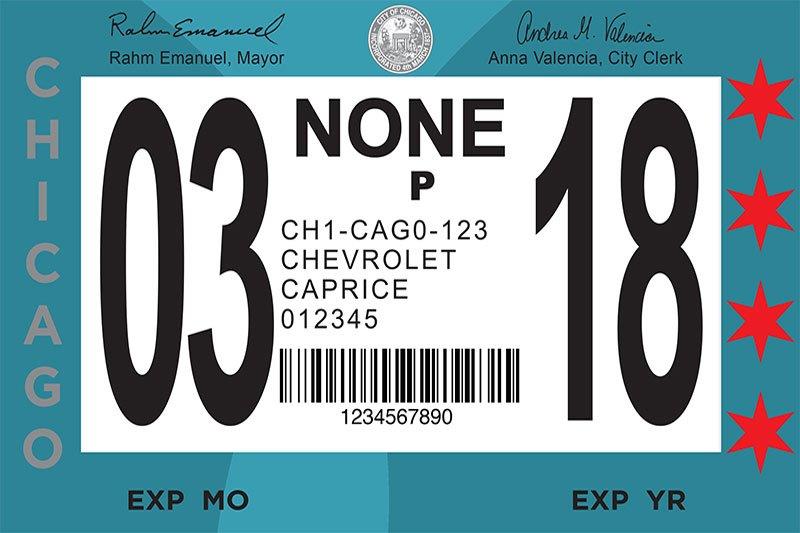
Understanding Chicago’s Vehicle Sticker Requirement
Driving in a bustling urban center like Chicago presents its own set of challenges and rules, distinct from other parts of the United States. The vehicle sticker is not merely a decorative decal; it’s a mandatory permit that signifies compliance with city ordinances and contributes to the funding of vital public services. For visitors considering bringing their own vehicle or new residents setting up their home, understanding this requirement is the first step towards hassle-free navigation of the Windy City.
Who Needs a Sticker?
The City of Chicago mandates that any vehicle primarily garaged or kept within city limits for a period exceeding 30 days must display a current Chicago vehicle sticker. This applies to a wide range of vehicles, including passenger cars, trucks, vans, and motorcycles. It’s a critical point for new residents, those relocating for work or study, and even long-term visitors who might rent an apartment or other Accommodation for more than a month.
For short-term tourists driving through or staying for a week or two, a Chicago vehicle sticker is generally not required, as your vehicle is not considered “garaged” in the city. However, if you’re planning an extended stay, perhaps enjoying the city’s Local Culture and Food scene for several weeks, it’s essential to be aware of this 30-day threshold. Businesses operating within Chicago also have specific vehicle sticker requirements for their fleets, further underscoring the city’s comprehensive approach to vehicle registration and taxation. Ignoring this requirement can lead to hefty fines and potential towing, turning an otherwise pleasant trip into a costly ordeal.
Why Does Chicago Have This Requirement?
At its core, the Chicago vehicle sticker is a revenue-generating tool, but its purpose extends far beyond simply collecting money. The funds collected from sticker sales play a crucial role in maintaining and improving the city’s extensive infrastructure, which is essential for both residents and tourists alike. These revenues contribute to:
- Road Maintenance: Potholes, street repairs, and general upkeep of Chicago’s vast network of roads and bridges. A well-maintained road system ensures smoother commutes for residents and a more pleasant driving experience for those visiting Attractions like Millennium Park or the Magnificent Mile.
- Public Safety Initiatives: Funding for police, fire, and emergency services that keep the city safe for its millions of inhabitants and transient visitors.
- Environmental Programs: Support for initiatives aimed at improving air quality and promoting sustainable transportation solutions.
- Snow Removal: Crucial in a city known for its harsh winters, ensuring roads remain passable and safe.
From a Tourism perspective, these contributions indirectly enhance the visitor experience. Well-maintained streets mean easier access to Landmarks, efficient public services contribute to overall safety, and a cleaner environment makes for a more appealing destination. It’s a localized form of taxation that directly benefits the quality of urban life, ensuring Chicago remains a world-class city for both living and visiting.
The Cost Breakdown: What You’ll Pay
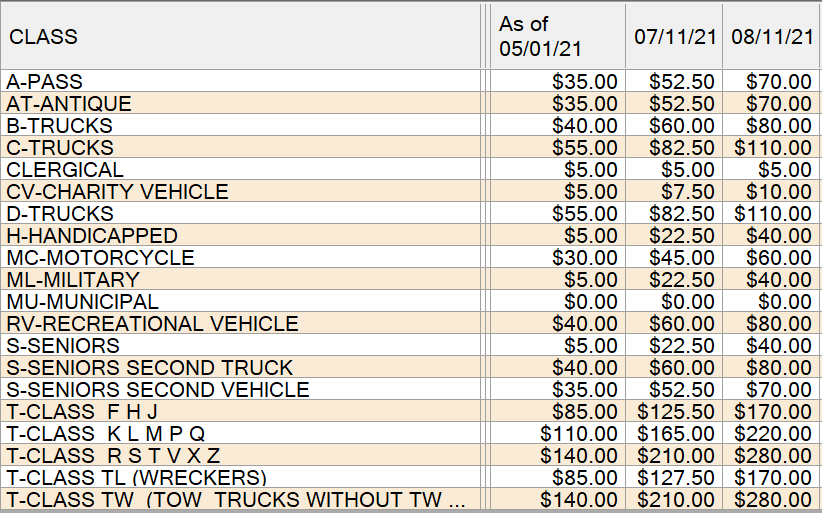
The cost of a Chicago vehicle sticker is not a fixed amount; it varies based on several factors, primarily the type and weight of your vehicle. This tiered pricing structure aims to distribute the financial burden more equitably across different vehicle owners. While exact figures are subject to change by the City of Chicago and it’s always best to check the official City Clerk website for the most current rates, here’s a general overview of the factors influencing the price:
- Vehicle Type: Passenger cars typically have one set of rates, while larger vehicles like trucks and vans (especially those over a certain weight class) incur higher fees. Motorcycles also have their own specific sticker costs.
- Weight Class: For trucks and commercial vehicles, the gross vehicle weight (GVW) is a significant determinant of the sticker price. Heavier vehicles generally pay more due to their increased impact on road infrastructure.
- Passenger Capacity: Vehicles designed to carry more passengers, such as larger vans, might also fall into different pricing tiers.
- Senior Citizen Discounts: Chicago offers reduced rates for senior citizens (typically those aged 65 and older), provided they meet specific eligibility criteria, usually related to income and vehicle ownership. This is part of the city’s effort to support its long-term residents.
- Low-Income Waivers/Assistance: In some cases, individuals meeting low-income qualifications may be eligible for assistance or reduced fees, ensuring the sticker requirement doesn’t create an undue burden.
It’s important to remember that these costs are typically annual. Furthermore, there are often additional fees for late renewals. If you fail to purchase or renew your sticker by its due date, you could face a late penalty, which can significantly increase the total cost, in addition to potential parking tickets for non-compliance. For a rough estimate, a standard passenger car sticker can range from approximately $90 to $140 per year, with trucks and other specialized vehicles costing more. These fees are a necessary part of the Budget Travel or long-term Accommodation planning if you intend to bring a vehicle into Chicago.
Navigating the Application and Renewal Process
Acquiring or renewing your Chicago vehicle sticker is a straightforward process, designed to be accessible to residents. However, knowing the specific steps, required documentation, and deadlines can save you time and prevent potential fines. For new residents or those making an extended stay, familiarizing yourself with these procedures is essential.
Where to Purchase Your Sticker
The City of Chicago provides several convenient options for purchasing and renewing vehicle stickers:
- Online: The most convenient method for many. The official website of the City Clerk allows you to purchase or renew your sticker from the comfort of your home. You’ll need your vehicle’s license plate number, Vehicle Identification Number (VIN), and proof of residency for new purchases. The sticker is then mailed to your address.
- City Clerk’s Office Locations: For those who prefer in-person service or need immediate assistance, vehicle stickers can be purchased at various City Clerk branch offices across Chicago. This option is particularly useful if you need to resolve any issues or have specific questions addressed by staff.
- Mail: You can also apply for or renew your sticker via mail by submitting the necessary forms and payment. This method takes longer due to processing and mailing times.
- Currency Exchanges: Many licensed currency exchanges throughout Chicago are authorized to sell vehicle stickers. While convenient, they often charge a small service fee on top of the sticker cost. This can be a good option for last-minute purchases.
Choosing the right method depends on your urgency, preference for online versus in-person interaction, and willingness to pay extra service fees. Regardless of the method, ensure you receive official proof of purchase.
Required Documents
To purchase a Chicago vehicle sticker, particularly for a new purchase (not a renewal), you will typically need the following documents:
- Proof of Residency: A valid Illinois driver’s license or state ID with a Chicago address. If your driver’s license doesn’t reflect your current Chicago address, you might need additional documentation like a utility bill, lease agreement, or bank statement.
- Vehicle Registration: Your current vehicle registration certificate, showing proof of ownership and the vehicle’s details.
- Vehicle Information: The Vehicle Identification Number (VIN) and license plate number will be required for the application.
- Proof of Insurance: While not always explicitly required for the sticker itself, having proof of valid automobile insurance is mandatory for driving in Illinois and generally good practice to have on hand.
Having these documents ready will expedite the process and prevent any delays. It’s always advisable to double-check the City Clerk’s website for the most up-to-date requirements, especially if you have a unique vehicle situation or are applying for a specific discount.
When to Apply and Renew
Chicago vehicle stickers are valid for one year and expire on a rolling basis, typically tied to the expiration date of your Illinois license plate. This means your sticker’s expiration date will usually match the month your license plate expires.

- Initial Purchase: If you’re a new resident or just moved a vehicle into Chicago, you have 30 days from the date of establishing residency or bringing the vehicle into the city to purchase your sticker.
- Renewal: The City Clerk usually sends out renewal notices well in advance of the expiration date. It’s recommended to renew your sticker at least a few weeks before it expires to allow for processing and mailing time, especially if renewing online or by mail.
- Grace Period: While there isn’t a formal grace period for renewal without penalty, renewing before the expiration date is crucial to avoid late fees and potential tickets. If your sticker expires and you are caught without a valid one, you will incur fines.
Being proactive about your sticker’s expiration date is a simple way to avoid unnecessary expenses and ensure your adherence to Chicago regulations, making your Travel or residency experience smoother.
Driving and Parking in Chicago: A Visitor’s Perspective
For many visitors, driving into Chicago offers the convenience of personal transportation, especially when exploring beyond the downtown core. However, the urban driving experience, parking availability, and local regulations present unique considerations that can impact your overall trip. Understanding these aspects helps in deciding whether to bring a car or opt for the city’s excellent public transport.
Parking Challenges and Solutions
Parking in Chicago can be notoriously challenging and expensive, particularly in popular Tourist Destinations and business districts.
- Metered Parking: Available throughout the city, metered parking is often time-limited and can be costly, especially in high-demand areas. Payment is typically made via kiosks or mobile apps. The Chicago vehicle sticker does not exempt you from paying for metered parking.
- Parking Garages: Numerous parking garages, often associated with Hotels, commercial buildings, or specific Attractions like Navy Pier or near the Art Institute of Chicago, offer more secure but typically more expensive options. Booking in advance through apps like SpotHero or ParkWhiz can sometimes secure better rates.
- Residential Parking Zones: Many residential streets require a permit (which is separate from the city vehicle sticker but often tied to it) for street parking, primarily to ensure residents have access to parking near their homes. Visitors without a residential permit risk hefty fines. Even with a city sticker, you cannot park in these zones without the appropriate residential permit. This is a critical distinction for anyone considering an extended stay in a residential neighborhood.
- Event Parking: Areas around major venues like Wrigley Field in Wrigleyville or the United Center have significantly increased parking prices and restricted zones during events.
For tourists, relying solely on street parking can be stressful and costly. Combining public transport with strategically located parking garages is often the most practical approach.
Alternative Transportation for Tourists
Given the challenges of driving and parking, many visitors find Chicago’s public transportation system, the Chicago Transit Authority (CTA), to be an excellent and often more economical alternative.
- CTA ‘L’ Train and Buses: The ‘L’ train system provides extensive coverage, connecting downtown with various neighborhoods and major Attractions like O’Hare International Airport. Buses fill in the gaps, offering convenient routes across the city. Purchasing a Ventra card for easy tap-and-go fares is highly recommended.
- Taxis and Rideshares: Readily available throughout the city, taxis and services like Uber and Lyft offer door-to-door convenience, especially for evening outings or when carrying luggage.
- Biking: Chicago is increasingly bike-friendly, with numerous bike lanes and Divvy bike-share stations. This is a fantastic way to explore parks like Lincoln Park or the Lakefront Trail.
- Walking: Downtown Chicago is highly walkable, allowing you to easily explore major sights like Cloud Gate in Millennium Park, the Art Institute of Chicago, and the Magnificent Mile on foot.
For most tourist itineraries, relying on the CTA, rideshares, and walking often proves more efficient and enjoyable than dealing with driving and parking a personal vehicle, especially if your stay is short-term and doesn’t warrant a Chicago vehicle sticker.
Exploring Chicago’s Landmarks by Car
Despite the parking challenges, there are situations where having a car can enhance your Chicago exploration, particularly if you plan to visit diverse areas beyond the immediate downtown loop or want to venture into the suburbs.
- Flexibility for Wider Exploration: A car offers unparalleled flexibility for day trips outside the city or visits to less centrally located Attractions such as the Morton Arboretum or Six Flags Great America. Within the city, it can be useful for exploring neighborhoods like Hyde Park (home to the Museum of Science and Industry) or Andersonville, where public transport might require multiple transfers.
- Convenience for Families or Large Groups: For Family Trips with small children or when traveling with significant luggage, a private vehicle can be a huge convenience, allowing for easier transport to Hotels or specific Destinations.
- Access to Outlying Attractions: While downtown boasts Shedd Aquarium and the Field Museum, a car makes it easier to visit other notable places like Lincoln Park Zoo (though accessible by CTA, driving might be easier for some) or more distant cultural centers.
When driving to major downtown Landmarks like Willis Tower or the John Hancock Center, it’s advisable to pre-book parking online or identify nearby parking garages in advance. This can significantly reduce stress and cost. Remember that even with a car, combining driving with walking or short CTA rides for particularly congested areas might still be the most efficient strategy for navigating Chicago’s bustling urban landscape.
The Lifestyle and Financial Impact of Chicago’s Vehicle Sticker
Beyond the immediate transaction, the Chicago vehicle sticker has broader implications for your Lifestyle and financial planning, especially if you are a resident or planning a longer stay. It’s an integral part of the cost of living and contributes to the city’s overall dynamic.
Budgeting for City Living and Travel
For residents, the annual vehicle sticker fee is simply another line item in the household budget, alongside rent, utilities, and insurance. For those considering a move to Chicago, it’s crucial to factor this into your financial planning. Similarly, if you’re a student or professional taking up a long-term internship, summer job, or temporary assignment, understanding this recurring cost is essential.
For visitors planning an extended trip (over 30 days) and bringing their own vehicle, the sticker becomes a necessary Travel Tip to consider. It moves from being an optional expense to a mandatory one, adding to the overall cost of your Accommodation and daily expenses. This might influence your decision to drive versus renting a car for a shorter period, or relying entirely on public transportation, especially if you’re aiming for Budget Travel. Always calculate the total cost of bringing a car – including fuel, insurance, parking, and the sticker – against the cost of alternative transportation.
Long-Term Stay Considerations
The relevance of the Chicago vehicle sticker intensifies with the duration of your stay. For short-term guests staying in Hotels, Suites, or temporary Apartments for less than a month, it’s largely irrelevant. However, if your visit extends beyond 30 days, perhaps for an extended Business Stays or a leisurely exploration of Chicago’s distinct neighborhoods and cultural offerings, the sticker requirement becomes active.
Planning for a long-term stay involves more than just booking Accommodation; it means integrating into the local rules and rhythms. This includes understanding the nuances of vehicle registration, parking permits, and the city vehicle sticker. Compliance ensures you avoid unnecessary fines and disruptions, allowing you to focus on enjoying everything Chicago has to offer, from the vibrant Food scene to the serene beauty of Grant Park.
The Big Picture: Supporting Chicago’s Tourism and Infrastructure
Ultimately, the Chicago vehicle sticker, while an additional expense, plays a vital role in maintaining the city’s appeal as a premier Travel Destination. The revenue generated contributes directly to the upkeep of the infrastructure that both residents and tourists utilize daily – from well-maintained roads facilitating easier access to Landmarks and Attractions, to essential public services that ensure safety and a high quality of urban life.
For visitors, experiencing a clean, safe, and well-managed city enhances the overall Tourism experience. The sticker is a small but significant part of the system that allows Chicago to sustain its charm and functionality. Whether you’re admiring the iconic skyline from the Willis Tower Skydeck or enjoying a deep-dish pizza in a bustling neighborhood, your contribution, even indirectly through understanding city regulations, helps preserve the very essence of what makes Chicago a fantastic place to visit and live.
In conclusion, understanding “How Much Is A City of Chicago Vehicle Sticker?” is more than just knowing a price; it’s about comprehending a crucial aspect of urban living and Travel in one of America’s most magnificent cities. By being informed and compliant, you can ensure your journey through Chicago is as smooth, enjoyable, and financially predictable as possible, allowing you to fully immerse yourself in its unparalleled offerings.
LifeOutOfTheBox is a participant in the Amazon Services LLC Associates Program, an affiliate advertising program designed to provide a means for sites to earn advertising fees by advertising and linking to Amazon.com. Amazon, the Amazon logo, AmazonSupply, and the AmazonSupply logo are trademarks of Amazon.com, Inc. or its affiliates. As an Amazon Associate we earn affiliate commissions from qualifying purchases.