
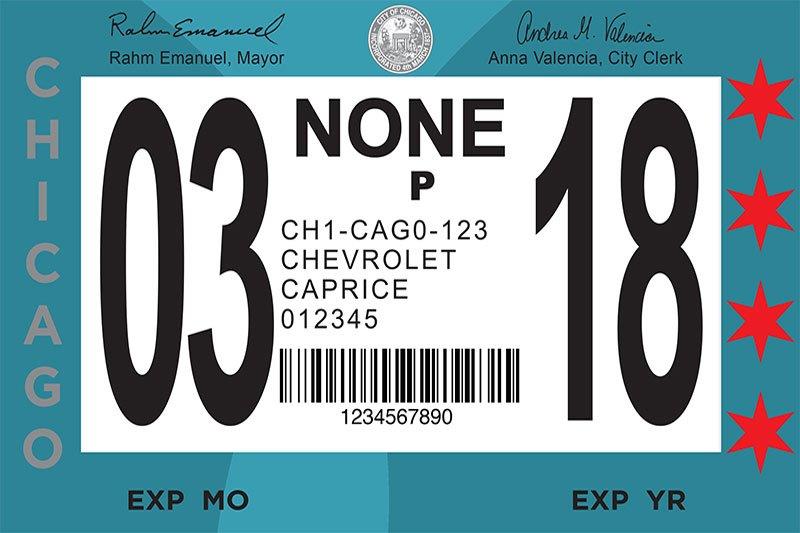
Navigating the intricacies of urban living often involves understanding a myriad of local regulations and fees, and for residents of the bustling metropolis of Chicago, the city vehicle sticker is a prominent fixture in their annual budgeting and compliance checklist. Far more than just a piece of adhesive for your windshield, this sticker represents a vital contribution to the city’s infrastructure and services, directly influencing the daily lifestyle of those who call Chicago home. For anyone considering a move to the city, or simply striving for seamless urban living, comprehending the cost and requirements of the Chicago city sticker is an essential step towards responsible and integrated participation in the community.
Navigating Urban Living: The Chicago City Sticker Explained
The Chicago city sticker isn’t merely a bureaucratic formality; it’s a cornerstone of the city’s funding mechanism, directly impacting the quality of life for its residents. Understanding its purpose, who it applies to, and the rationale behind its existence is crucial for any urban dweller to truly integrate into the fabric of the city.
What Exactly Is a Chicago City Sticker?
At its core, the Chicago city sticker is an annual tax levied on vehicles owned by residents of Chicago. It serves as proof that the vehicle’s owner has paid their share of local fees required to operate and park within city limits. Each sticker corresponds to a specific vehicle and must be renewed annually, typically before its expiration date. This revenue, collected from hundreds of thousands of vehicles, is earmarked for essential municipal services, directly supporting the city’s ability to maintain its roads, fund public safety initiatives, and enhance the overall urban experience. For residents, displaying a current city sticker isn’t just about avoiding a ticket; it’s about fulfilling a civic duty that contributes to the collective well-being and functionality of their vibrant city.
Who Needs a City Sticker?
The requirement for a Chicago city sticker primarily applies to any vehicle that is garaged or principally operated within the city for more than 30 days out of the year. This encompasses a vast majority of the city’s residents, whether they own a compact car, a family SUV, or a motorcycle. Even if a vehicle is registered in another state but is kept in Chicago for an extended period, the city sticker requirement generally applies.
However, there are specific exemptions. Vehicles primarily used by individuals visiting Chicago for short durations, such as tourists driving rental cars or those staying temporarily, are typically not required to purchase a city sticker. Similarly, certain government vehicles and vehicles owned by non-profit organizations might also qualify for exemptions. It’s imperative for new residents or those uncertain about their eligibility to consult the official city guidelines, as compliance is not optional for those within the defined parameters. Understanding these rules is a fundamental aspect of responsible urban living and budget planning in Chicago.
The Rationale Behind the Requirement
The existence of the Chicago city sticker is rooted in the practical necessity of funding the extensive infrastructure and diverse services required to support a major metropolitan area. The revenue generated from these stickers is channeled directly into maintaining and improving Chicago’s roads, bridges, and traffic signals. It also contributes to critical city services such as street cleaning, snow removal, and emergency response. In a city as expansive and dynamic as Chicago, these operational costs are substantial. The city sticker acts as a mechanism for vehicle owners to directly contribute to the public goods they utilize, fostering a sense of shared responsibility among residents. From a lifestyle perspective, this contribution ensures smoother commutes, safer streets, and a cleaner environment, all of which enhance the daily experience of living in Chicago.
Unpacking the Costs: What to Expect Financially
For many residents, especially those managing a household budget, the annual cost of the Chicago city sticker is a significant consideration. The fees are not uniform across all vehicles, varying based on factors such as vehicle type and weight. Understanding these nuances is crucial for accurate financial planning in your urban lifestyle.
Standard Vehicle Sticker Fees
The most common category for Chicago city stickers pertains to standard passenger vehicles, including cars and SUVs. For these vehicles, the fee structure is typically tiered, with lighter vehicles generally incurring a lower cost than heavier ones. For instance, smaller passenger cars might fall into a lower weight class, resulting in an annual fee that is more budget-friendly. Larger SUVs, on the other hand, often occupy a higher weight class, commanding a higher annual sticker price. This tiered system aims to correlate the fee with the potential wear and tear a vehicle might inflict on city infrastructure. For a typical passenger vehicle, residents can expect an annual fee ranging from approximately $87 to $135, though these figures are subject to change by city ordinance. Integrating this expense into your annual financial plan is a key aspect of managing the costs associated with an urban lifestyle in Chicago.
Specialized Vehicle Sticker Fees
Beyond standard passenger vehicles, Chicago also mandates city stickers for a range of specialized vehicles, each with its own fee structure. Motorcycles, for example, often have a distinct, usually lower, annual fee compared to cars, acknowledging their different footprint and impact on city roads. Commercial vehicles, such as trucks and vans used for business purposes, face significantly higher fees, which can vary greatly depending on their gross vehicle weight. Recreational vehicles (RVs) and other unique vehicle types also have specific classifications and associated costs. These specialized categories ensure that all types of vehicles contributing to city traffic and infrastructure usage share in the financial responsibility. Owners of such vehicles must verify the precise fee applicable to their specific classification to avoid any budgeting surprises.
Senior Discounts and Other Concessions
[Chicago](https://lifeoutofthebox.com/chicago] recognizes the diverse economic realities of its residents and offers certain concessions to make the city sticker more accessible, particularly for those on fixed incomes. Senior citizens, specifically those aged 65 and older, are often eligible for a discounted rate on their city sticker, provided they meet specific criteria, such as owning the vehicle and residing within city limits. This discount is a thoughtful gesture to support the lifestyle and financial well-being of the city’s older population. Furthermore, certain vehicles adapted for individuals with disabilities might also qualify for reduced fees or exemptions. These programs highlight the city’s commitment to inclusivity and demonstrate an understanding of the varying financial capacities of its residents, ensuring that the cost of compliance doesn’t become an undue burden for vulnerable groups.Understanding Sticker Durations and Renewals
The Chicago city sticker operates on an annual renewal cycle. While most stickers expire on a specific date (often tied to the owner’s birth month or the vehicle registration renewal), it’s crucial to be aware of the exact expiration date for your particular sticker. For new residents or those acquiring a vehicle mid-year, the city often offers prorated fees, meaning the initial sticker cost is adjusted based on the number of months remaining until the next full renewal cycle. This prorated system ensures fairness and prevents new vehicle owners from paying a full year’s fee for only a partial year of coverage. Staying on top of renewal dates is a fundamental aspect of responsible urban lifestyle management, as failing to renew on time can lead to late fees and penalties. Many residents opt for online renewal reminders or automatic renewal services to streamline this annual task and ensure continuous compliance.
Streamlining Your Urban Commute: Obtaining and Displaying Your Sticker

Acquiring and correctly displaying your Chicago city sticker is a straightforward process, designed for convenience, yet critical for compliance. Familiarizing yourself with the purchasing options and display requirements can save you time and hassle, contributing to a smoother urban lifestyle.
Where to Purchase Your Chicago City Sticker
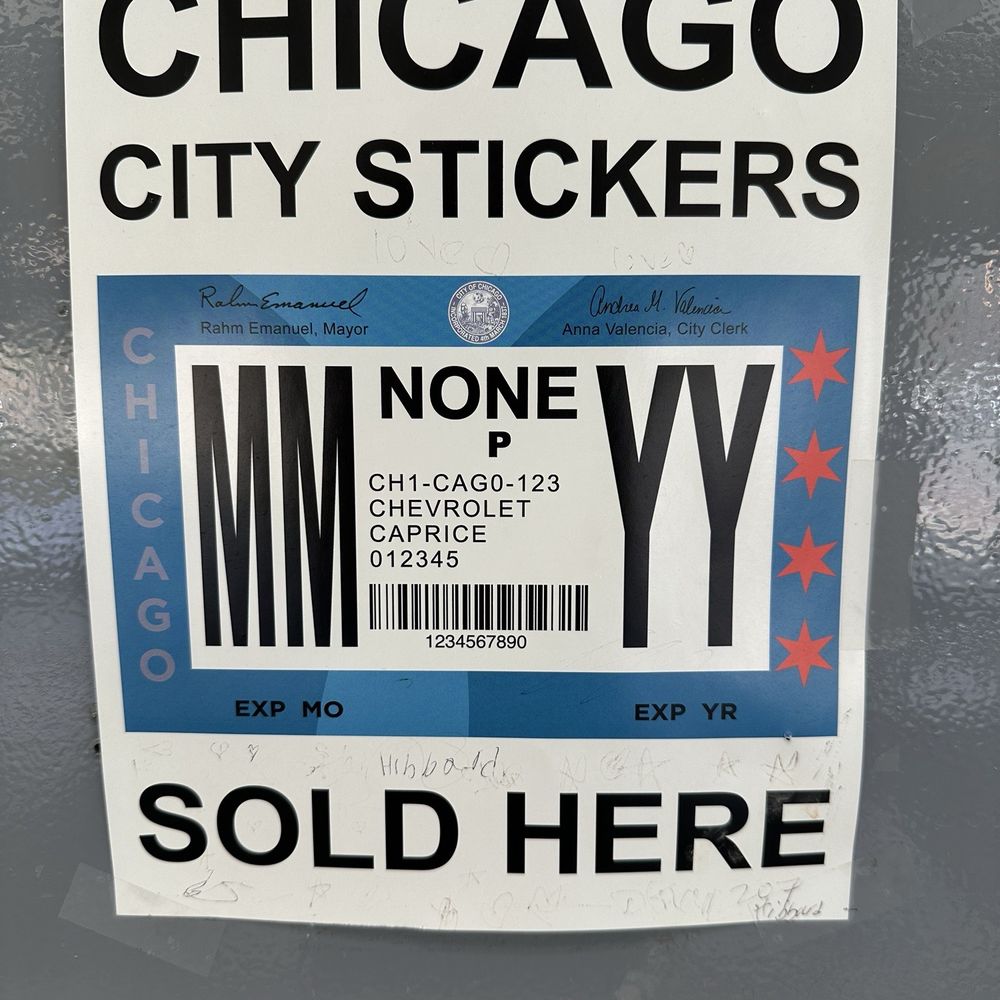
Chicago offers several convenient avenues for residents to purchase or renew their city stickers. The most popular method for many is online, via the City Clerk’s official website. This option provides 24/7 accessibility, allowing residents to complete the transaction from the comfort of their homes, a significant convenience for busy urban dwellers. Additionally, stickers can be purchased in person at various authorized locations throughout the city. These often include currency exchanges, select grocery stores, and designated City Clerk offices. Purchasing in person offers immediate issuance of the sticker, which can be beneficial if you’re approaching an expiration deadline. Regardless of the method chosen, ensure you are using an official or authorized vendor to guarantee the validity of your purchase.
Required Documentation
When purchasing or renewing your Chicago city sticker, you’ll need to provide specific documentation to verify your eligibility and vehicle details. Typically, this includes your current vehicle registration, which confirms ownership and vehicle information (make, model, VIN). You will also need proof of Chicago residency, such as a utility bill or driver’s license with a Chicago address. For those seeking senior discounts or other concessions, additional documentation verifying age or disability may be required. Having these documents ready beforehand will expedite the purchasing process, whether online or in person, ensuring a hassle-free experience that aligns with an efficient urban lifestyle.
Proper Display and Compliance
Once you have your Chicago city sticker, proper display is paramount. The sticker must be affixed to the lower passenger side corner of the front windshield, inside the vehicle, with the entire sticker clearly visible from the outside. It should not be obscured by tinting or other items. Incorrect placement, or failure to display the sticker at all, can result in fines, even if you have legally purchased it. The proper display ensures that city enforcement officers can easily verify compliance, thus avoiding unnecessary stops or tickets. Making it a habit to correctly apply your sticker immediately after purchase or renewal is a small but significant step towards seamless urban navigation and adherence to city regulations.
The Repercussions of Non-Compliance: A Lifestyle Consideration
Ignoring the Chicago city sticker requirement can have significant financial and logistical consequences that disrupt the ease of urban living. Understanding these repercussions is key to making proactive compliance a priority in your lifestyle.
Fines and Penalties
The most immediate consequence of failing to display a current Chicago city sticker is the issuance of a parking violation ticket. These fines can be substantial, often starting at around $60 or more, and can quickly accumulate if multiple violations occur. Furthermore, if you are issued a ticket for an expired or missing sticker, there may be an additional penalty or late fee if you then purchase the sticker after the fact. These fines represent an unnecessary drain on personal budgets, diverting funds that could be used for other aspects of [Chicago](https://lifeoutofthebox.com/chicago] living, from dining out to enjoying the city’s vibrant cultural scene. Avoiding these penalties through timely purchase and proper display is a simple yet effective financial strategy.
The Booting and Towing Risk
Beyond fines, persistent non-compliance can lead to more severe actions by the city, specifically vehicle booting and towing. If a vehicle accumulates a certain number of unpaid parking violations, including city sticker tickets, it becomes eligible for booting. A boot immobilizes the vehicle, rendering it unusable until all outstanding fines are paid, along with additional booting fees. If a booted vehicle is not addressed within a specific timeframe, it may then be towed to a city impound lot. Retrieving a towed vehicle involves paying all accumulated fines, booting fees, towing charges, and daily storage fees, which can quickly add up to hundreds, if not thousands, of dollars. This not only imposes a significant financial burden but also causes major disruption to one’s daily routine and lifestyle.
Proactive Compliance: A Smart Urban Lifestyle Choice
Given the potential financial and logistical headaches associated with non-compliance, embracing proactive compliance is undoubtedly a smart urban lifestyle choice. This means setting reminders for renewal dates, purchasing your sticker well in advance of its expiration, and ensuring it is correctly displayed on your vehicle. Many city residents opt to sign up for email or text reminders from the City Clerk’s office to avoid missing deadlines. Integrating the annual city sticker purchase into your routine financial planning, much like paying other bills, transforms a potential source of stress into a seamless and predictable part of living in Chicago. It’s a simple act that contributes to a smoother, more cost-effective, and stress-free urban experience.
Beyond the Sticker: Broader Lifestyle Implications for Chicago Residents
The Chicago city sticker is more than just a regulatory item; it carries broader implications for the lifestyle and financial planning of its residents. Considering these wider impacts can help individuals make more informed decisions about their urban experience.
Impact on Personal Budgets
For residents in [Chicago](https://lifeoutofthebox.com/chicago], the city sticker fee, when combined with other vehicle-related expenses like insurance, fuel, parking, and maintenance, contributes significantly to the overall cost of living. For budget-conscious individuals or families, integrating this annual expense into their financial planning is crucial. It means allocating funds specifically for this purpose, perhaps by setting aside a small amount each month, rather than facing a lump sum payment unexpectedly. Understanding the full scope of vehicle ownership costs, including regulatory fees like the city sticker, allows for more realistic budgeting and helps maintain financial stability within the context of an urban lifestyle. It also encourages residents to weigh the necessity of vehicle ownership against the excellent public transportation options available in [Chicago](https://lifeoutofthebox.com/chicago].
Contributing to Chicago’s Infrastructure and Services
While the city sticker is a mandatory expense, it also represents a tangible contribution to the collective good of Chicago. The revenue generated from these fees directly supports the city’s ability to maintain its extensive network of roads, ensure public safety, and provide essential services that enhance the quality of life for all residents. From timely snow removal during harsh winters to smooth road surfaces for daily commutes, the city sticker plays a role in making Chicago a more functional and enjoyable place to live. Understanding this broader impact can foster a sense of civic pride and responsibility, transforming the act of purchasing a sticker from a mere obligation into a meaningful contribution to the vibrant urban ecosystem.
Choosing a Vehicle in Chicago: Cost vs. Convenience
The presence and cost of the city sticker can even influence fundamental lifestyle choices, such as the type of vehicle a Chicago resident chooses to own, or whether they own one at all. With tiered pricing based on vehicle weight, a heavier vehicle not only incurs higher fuel costs but also a more expensive city sticker. This economic reality might encourage some residents, particularly those prioritizing budget-friendly urban living, to opt for smaller, more fuel-efficient cars that fall into lower sticker fee categories. Others might weigh the combined costs of vehicle ownership, including the city sticker, against the convenience and affordability of [Chicago](https://lifeoutofthebox.com/chicago]’s extensive public transit system. Making informed decisions about transportation is a critical component of managing one’s lifestyle and finances in a dynamic urban environment. The city sticker, therefore, is not just a fee; it’s a factor in the broader calculation of urban living.
LifeOutOfTheBox is a participant in the Amazon Services LLC Associates Program, an affiliate advertising program designed to provide a means for sites to earn advertising fees by advertising and linking to Amazon.com. Amazon, the Amazon logo, AmazonSupply, and the AmazonSupply logo are trademarks of Amazon.com, Inc. or its affiliates. As an Amazon Associate we earn affiliate commissions from qualifying purchases.