
For many, a trip to Colorado evokes images of majestic mountains, vibrant cities like Denver, and thrilling outdoor adventures. Among the myriad of activities available, fishing stands out as a quintessential Colorado experience, offering serene moments in nature and the excitement of landing a prized catch. From the pristine alpine lakes of Rocky Mountain National Park to the renowned Gold Medal Waters of the Arkansas River and Roaring Fork River, the state boasts an unparalleled diversity of fishing opportunities. However, before casting a line into these abundant waters, every angler—resident or visitor—must secure a valid fishing license. Understanding the cost and types of licenses available is the first crucial step to a compliant and enjoyable fishing adventure in the Centennial State.
Colorado Fishing License Essentials: Types and Costs
The cost of a Colorado fishing license varies significantly depending on several factors, including your residency status, age, and the duration of the license. The system is designed to accommodate both short-term visitors and dedicated local anglers, ensuring everyone can participate while contributing to the state’s conservation efforts.
Resident Options: Tailored for Local Anglers
For those who call Colorado home, annual fishing licenses are the most popular and cost-effective choice for regular fishing. A standard resident annual fishing license typically falls in the range of $35-$40. This allows for fishing from April 1st of the current year through March 31st of the following year.
Colorado Parks and Wildlife also offers discounted rates for specific resident groups:
- Youth Licenses: Anglers under the age of 16 often require a significantly cheaper license, or in some cases, may not need one at all depending on specific regulations. Always check current age requirements.
- Senior Licenses: Residents 65 years and older can typically obtain an annual license at a reduced cost, usually around $10-$15.
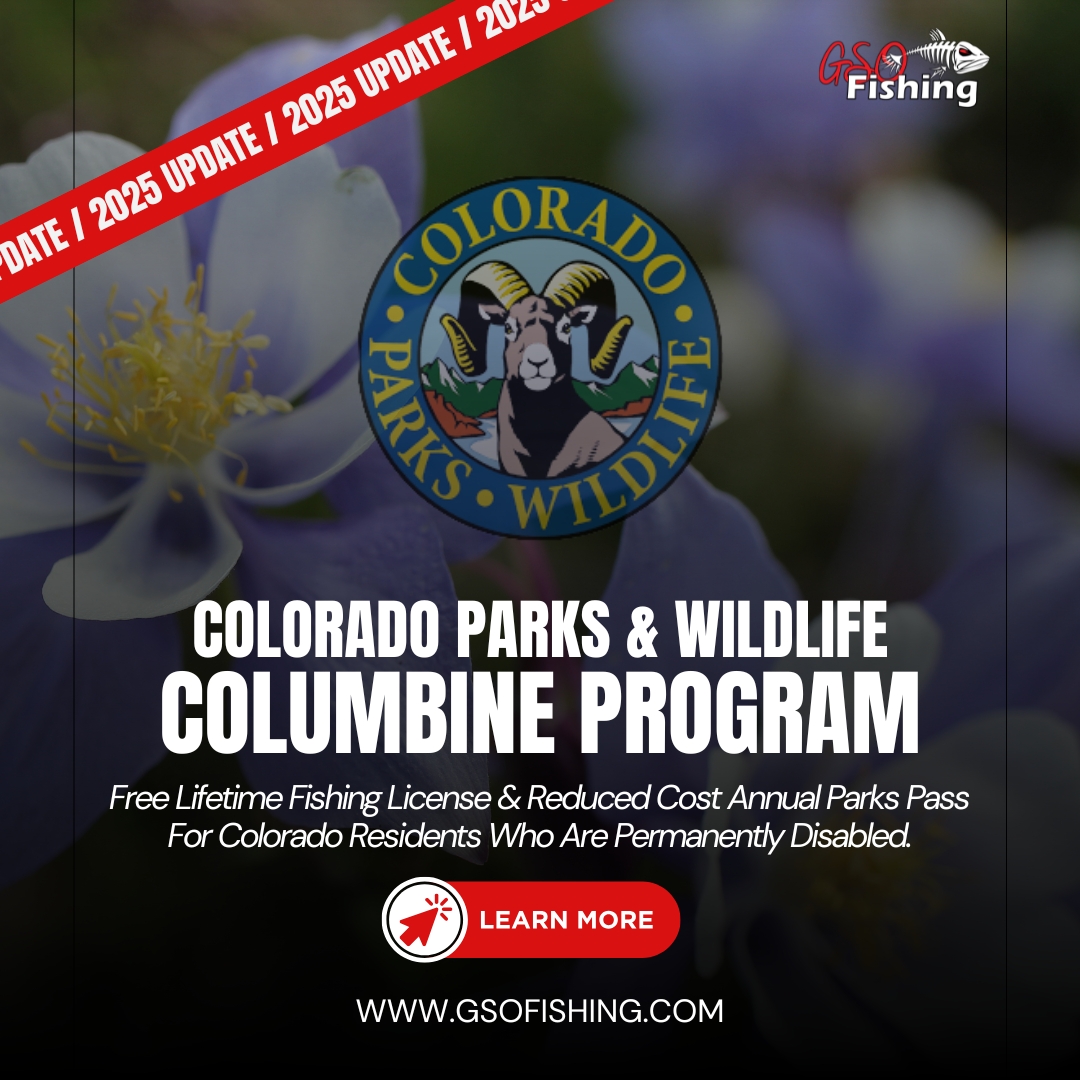
- Low-Income/Disability Licenses: Specific programs and licenses are available for qualifying low-income or permanently disabled residents, often for a nominal fee or even free.
- Multi-Year Options: In some instances, multi-year licenses may be available, providing convenience and potentially a slight cost saving over several years.
Non-Resident Options: Flexibility for Visitors
Visitors to Colorado have a range of options designed to fit their travel itineraries, from a quick weekend trip to an extended vacation. The price for non-resident licenses is higher than for residents, reflecting the non-resident contribution to the state’s natural resources.
- Annual Non-Resident License: For an extended stay or multiple visits throughout the year, an annual non-resident license, typically priced around $100-$120, offers the most comprehensive coverage.
- Short-Term Licenses: These are ideal for tourists. Options often include:
- 1-Day Fishing License: Perfect for a single day of fishing, usually costing around $15-$20.
- 5-Day Fishing License: A popular choice for week-long vacations, this license typically costs $30-$40.
- Combination Licenses: Sometimes available as a package with small game hunting licenses, which might be an option for those planning a broader outdoor adventure.
Understanding the Mandatory Habitat Stamp
Beyond the base fishing license, nearly every angler aged 18 to 64 (both resident and non-resident) must also purchase a Habitat Stamp once per license year. This stamp typically costs around $10 and is a vital component of funding Colorado’s wildlife management and habitat conservation programs. When purchasing your fishing license, the system will automatically prompt you to add the Habitat Stamp if you need one. There are some exemptions for specific license types, so it’s always wise to confirm at the time of purchase.
Navigating the Purchase Process
Obtaining your Colorado fishing license is a straightforward process, designed for convenience whether you plan ahead or decide on a spontaneous fishing trip.
Online Convenience
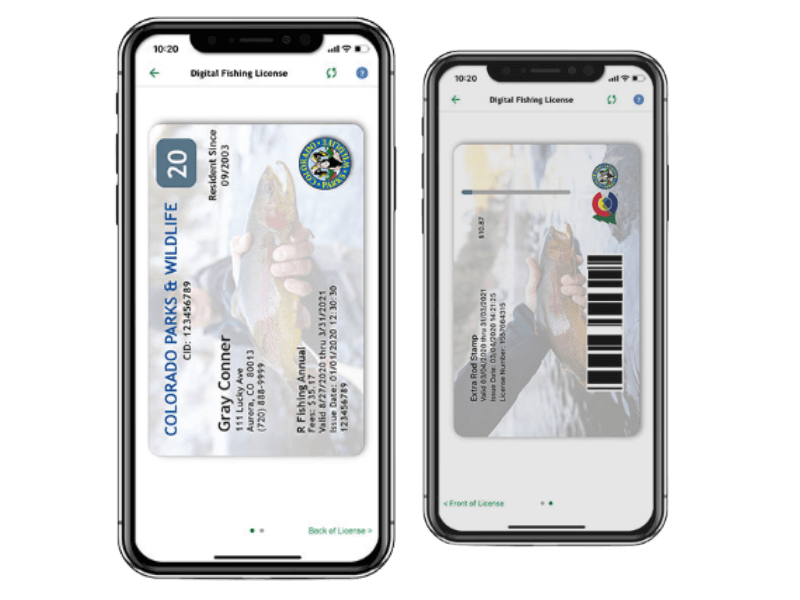
The most popular and recommended method for purchasing a fishing license is online through the Colorado Parks and Wildlife (CPW) website. This allows anglers to purchase their license from anywhere, anytime, before their trip even begins. The digital license can often be displayed on a smartphone, eliminating the need to carry physical paperwork. The online portal is user-friendly, guiding you through the selection of license type, personal details, and payment. This option is particularly beneficial for non-residents who want to ensure they are fully compliant before arriving in the state.
Authorized Retailers and State Offices
For those who prefer an in-person transaction or need to purchase a license last minute, numerous authorized license agents are spread across Colorado. These agents include most sporting goods stores, outdoor retailers, and many bait and tackle shops found in towns like Grand Junction or Fort Collins. Additionally, all Colorado Parks and Wildlife offices throughout the state sell licenses. When purchasing in person, you’ll need a valid form of identification, and if you are a resident, proof of residency may be required.
Beyond the License: Key Regulations and Responsible Angling
While purchasing the correct license is paramount, a truly responsible and successful fishing trip in Colorado also requires an understanding of the state’s comprehensive fishing regulations. These rules are in place to ensure sustainable fish populations and preserve the quality of the fishing experience for all.
What Your License Covers (and Doesn’t)

A Colorado fishing license permits you to fish in public waters across the state, adhering to statewide and specific regional regulations. It does not, however, grant access to private lands or waters without permission from the landowner. Always be mindful of property lines and “No Trespassing” signs. Furthermore, certain unique fishing activities, such as ice fishing tournaments or commercial fishing, may require additional permits or have distinct rules.
Key Fishing Regulations in Colorado
Colorado’s fishing regulations are detailed and updated annually, making it essential to consult the most current Colorado Parks and Wildlife fishing brochure. Key aspects to pay attention to include:
- Catch Limits: There are daily bag and possession limits for various species (e.g., trout, pike, bass), and these can vary by specific body of water.
- Size Restrictions: Some waters have minimum or maximum size limits for certain fish, meaning you must release fish outside that range.
- Method of Take: Regulations often specify what types of bait, lures, or flies are permitted in certain areas. “Gold Medal Waters,” for example, often have strict catch-and-release rules and only allow artificial flies and lures.
- Special Regulations for Specific Waters: Many popular fishing spots, such as Blue Mesa Reservoir, the Yampa River, or sections of the South Platte River like the Dream Stream, have unique regulations due to their ecological significance or pressure from anglers. Always check the specific regulations for your chosen fishing location.
Ethical Angling Practices
Beyond legal compliance, ethical angling ensures a positive impact on Colorado’s ecosystems. This includes practicing “Leave No Trace” principles by packing out all trash, avoiding litter, and minimizing disturbance to wildlife and vegetation. For catch-and-release fishing, handling fish gently with wet hands and using appropriate de-hooking tools is crucial for their survival. Being respectful of other anglers and sharing the waterways responsibly enhances the experience for everyone.
Investing in Colorado’s Outdoors: What Your License Supports
The fees collected from fishing licenses and Habitat Stamp purchases are not merely revenue; they are direct investments in the future of Colorado’s natural resources and outdoor recreation opportunities.
Conservation and Wildlife Management
A significant portion of license revenue directly funds Colorado Parks and Wildlife’s critical conservation efforts. This includes scientific research into fish populations, monitoring water quality, managing aquatic invasive species, and implementing strategies to protect endangered native fish species. Without these funds, the health and vibrancy of Colorado’s aquatic ecosystems would be severely compromised.
Stocking Programs and Habitat Improvement
To ensure diverse and robust fishing opportunities, license fees support extensive fish stocking programs in lakes and rivers across the state. These programs introduce various species, particularly trout, into accessible waters, providing abundant opportunities for anglers. Furthermore, funds are allocated to habitat improvement projects, such as stream bank stabilization, creation of fish shelters, and restoration of riparian zones, which are vital for fish spawning and growth. This investment ensures that Colorado remains a premier fishing destination for generations to come.
Enhancing Your Colorado Fishing Adventure
Armed with your license and knowledge of regulations, you’re ready to make the most of your Colorado fishing trip.
When and Where to Fish: Seasonal Insights and Popular Spots
Colorado offers year-round fishing, but the experience changes dramatically with the seasons. Spring brings increased activity as waters warm, while summer is prime time for high-country lakes and rivers. Fall offers stunning scenery and excellent dry-fly fishing for trout, and winter opens up ice fishing opportunities on frozen reservoirs like Antero Reservoir or Eleven Mile Reservoir.
Beyond the rivers already mentioned, other popular destinations include the Gunnison River, Fraser River, and numerous reservoirs such as Horsetooth Reservoir and Pueblo Reservoir, each offering unique challenges and rewards. Researching specific locations based on the time of year and target species will greatly enhance your success.
Guided Trips and Local Expertise
For visitors, especially those new to Colorado’s diverse waters, hiring a local fishing guide can be an invaluable investment. Guides not only provide all necessary equipment but also possess intimate knowledge of local conditions, current regulations, and the best techniques for catching fish in specific areas. They can turn a good fishing trip into an unforgettable adventure, revealing hidden gems and sharing insights into the state’s rich angling culture. Many outfitters offer half-day or full-day guided trips, catering to all skill levels from beginner to advanced.
Securing a Colorado fishing license is more than a legal requirement; it’s your ticket to experiencing the state’s incredible aquatic landscapes and contributing to their preservation. With various options available, understanding the costs and regulations ensures a seamless and responsible fishing adventure, allowing you to focus on the tranquility and excitement of casting a line in one of America’s most beautiful states.
LifeOutOfTheBox is a participant in the Amazon Services LLC Associates Program, an affiliate advertising program designed to provide a means for sites to earn advertising fees by advertising and linking to Amazon.com. Amazon, the Amazon logo, AmazonSupply, and the AmazonSupply logo are trademarks of Amazon.com, Inc. or its affiliates. As an Amazon Associate we earn affiliate commissions from qualifying purchases.