
The allure of the Hawaiian Islands—their vibrant culture, pristine beaches, and lush landscapes—beckons travelers from around the globe. For many, the dream of experiencing Hawaii comes with the question of how to get there and, crucially, how much it will cost. Cruising offers a unique and often convenient way to explore multiple islands without the hassle of inter-island flights or constant hotel changes. However, understanding the true cost of a Hawaii cruise requires a deep dive into various factors, from the chosen cruise line and cabin type to the time of year and a myriad of additional expenses. This comprehensive guide aims to demystify the pricing structure, providing insights to help you budget for your ultimate tropical escape.
The Basics: What Influences Cruise Costs?
The price of a Hawaii cruise is far from a fixed figure; it’s a dynamic sum shaped by several key variables. Understanding these foundational elements is the first step in estimating your potential investment.
Cruise Line and Ship Choice
Different cruise lines cater to diverse demographics and offer varying levels of luxury and service. Mainstream lines like Carnival Cruise Line, Royal Caribbean, Princess Cruises, and Holland America Line typically offer a wide range of pricing, with options that appeal to budget-conscious travelers and those seeking a more premium experience. Norwegian Cruise Line operates the Pride of America, which offers year-round inter-island cruises departing from Honolulu, Oahu—a unique offering that often comes at a higher price point due to its convenience and extensive itinerary within the islands. Luxury lines like Oceania Cruises or Regent Seven Seas Cruises, on the other hand, provide an all-inclusive, high-end experience, reflected in significantly higher fares. Newer ships with more amenities (like water parks, elaborate entertainment venues, and specialty restaurants) also tend to command higher prices than older vessels.
Cabin Category
Your choice of cabin is one of the most significant determinants of your cruise fare.
- Interior Cabins: These are the most affordable, offering no windows and generally the smallest space. Ideal for budget travelers who plan to spend most of their time exploring the ship or onshore.
- Oceanview Cabins: Slightly more expensive, these cabins include a porthole or window, providing natural light and a glimpse of the ocean.
- Balcony Cabins: A popular choice, balcony cabins offer a private outdoor space, perfect for enjoying morning coffee or sunset views. They come at a noticeable price increase over oceanview cabins.
- Suites: The most luxurious and spacious options, suites often include separate living areas, larger balconies, and exclusive perks like priority boarding, concierge services, and access to private lounges. Their price can be several times that of an interior cabin.
Itinerary and Duration
The length and specifics of your cruise itinerary play a crucial role. Most Hawaii cruises fall into two main categories:
- Round-trip from a West Coast port: These are typically 10- to 16-night voyages departing from cities like Los Angeles, San Francisco, or San Diego, often including several sea days to cross the Pacific. The longer duration naturally means a higher overall cost.
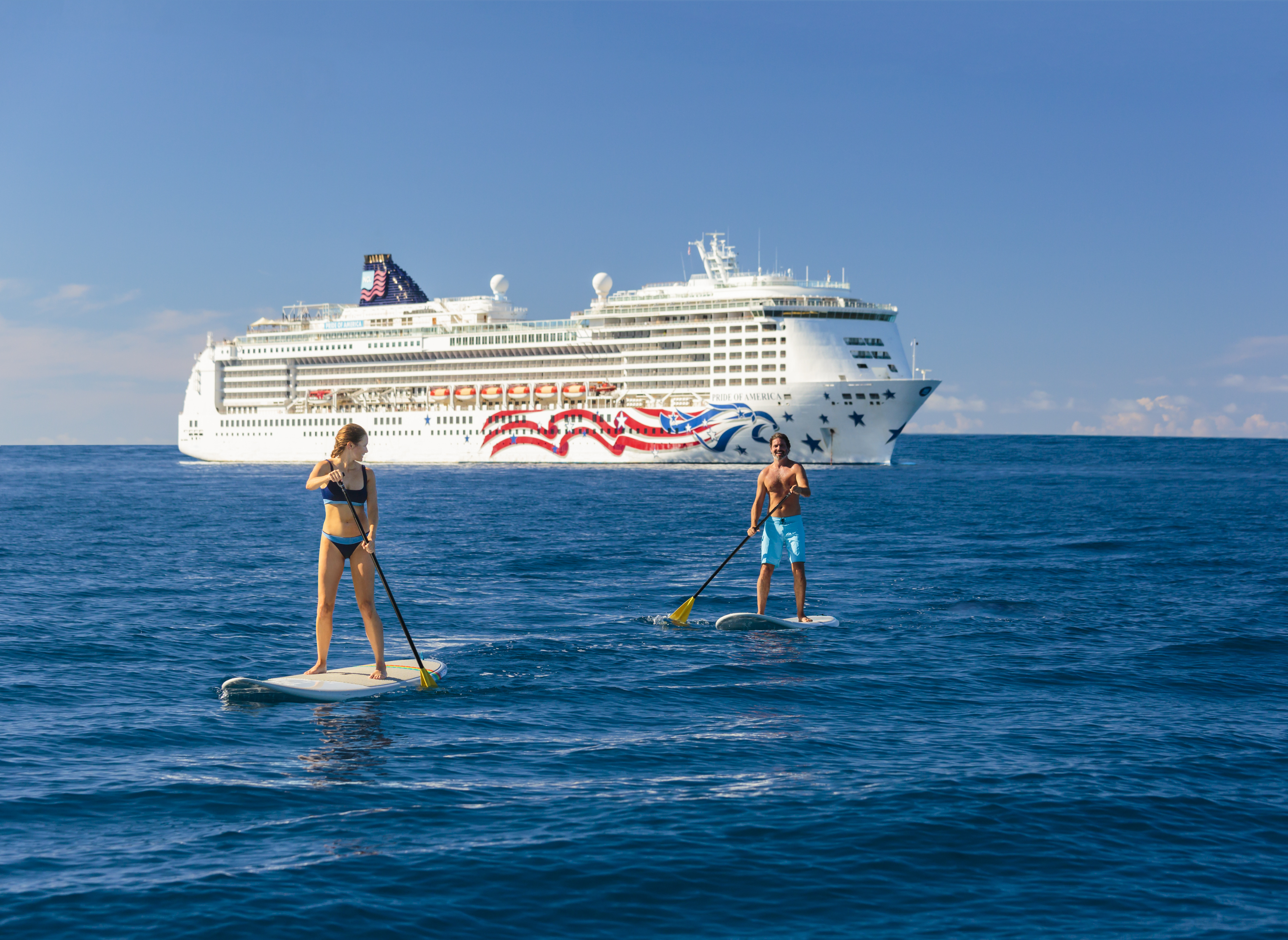
- Inter-island cruises: As mentioned, Norwegian Cruise Line’s Pride of America offers 7-night itineraries exclusively within the Hawaiian Islands, departing and returning to Honolulu. While the cruise portion is shorter, you’ll need to factor in airfare to Honolulu, which can be a significant cost.
The number of ports of call and the specific islands visited (Maui, Kauai, Big Island, Oahu) can also subtly influence pricing, especially if certain itineraries are more in demand.
Time of Year
Like any travel destination, Hawaii experiences peak and off-peak seasons, which directly impact cruise prices.
- Peak Season: Winter (December to April) and summer holidays (June to August) are generally more expensive due to higher demand. Spring break and Thanksgiving week also see price surges. The winter months are popular for whale watching and escaping colder climates.
- Off-Peak Season: Shoulder seasons (May, early June, September, October, and early November) often present the best value. Crowds are thinner, weather is still excellent, and prices for cruises and flights tend to be lower. Avoiding school holidays is a general rule for finding better deals.
Deconstructing the Price Tag: What’s Included (and Not)?
The advertised “cruise fare” is just the starting point. To truly understand “how much is a cruise to Hawaii,” you must account for various mandatory and optional expenses.
Base Fare Inclusions
The standard cruise fare typically covers:
- Accommodation: Your chosen cabin.
- Meals: Dining in the main dining rooms, buffets, and often some casual eateries.
- Basic Beverages: Water, coffee, tea, and some juices (usually from dispensers).
- Entertainment: Access to most onboard shows, live music, comedy acts, and events.
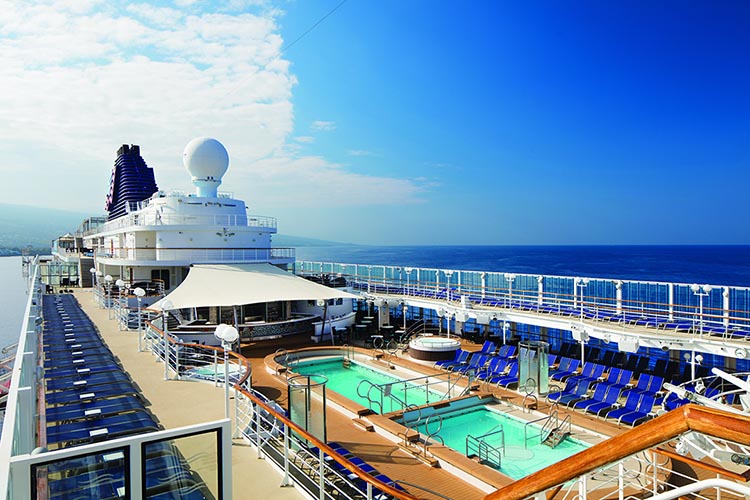
- Use of Facilities: Swimming pools, hot tubs, fitness centers, and basic kids’ clubs.
- Transportation: The cruise itself, moving you between ports.
Mandatory Additional Costs
These are not optional and will be added to your final bill:
- Port Fees and Taxes: These government-imposed fees vary by itinerary and can range from $150 to $400 or more per person. They are non-negotiable.
- Gratuities (Tips): Automatic daily service charges for the crew (steward, dining staff, etc.). These typically range from $14-$18 per person, per day, for standard cabins, and more for suites. For a 15-night cruise, this can add up to $210-$270 per person. While you can sometimes adjust them onboard, they are widely considered mandatory.
Optional Extras That Add Up
These are where your spending habits come into play and can significantly inflate your total cost:
- Airfare to Departure Port: Unless you live near Los Angeles, San Francisco, or Honolulu, you’ll need to fly to meet your ship. This can be a major expense, especially for inter-island cruises where flights to Honolulu are required.
- Pre/Post-Cruise Accommodation: Staying a night or two before or after your cruise, especially if flying in from afar, is often recommended to mitigate travel delays.
- Shore Excursions: Exploring the islands through guided tours or activities (e.g., Pearl Harbor tours on Oahu, snorkeling in Maui, volcano tours on the Big Island). These can range from $50 to $200+ per person per port.
- Specialty Dining: Restaurants beyond the main dining rooms, offering elevated cuisine and ambiance, typically come with a per-person surcharge ($25-$60+).
- Alcoholic Beverages & Specialty Drinks: Sodas, bottled water, fresh-squeezed juices, and alcoholic drinks are almost always extra. Drink packages are available but can be costly ($60-$100+ per person per day).
- Spa Treatments & Salon Services: Massages, facials, haircuts, etc., are additional.
- Casino & Shopping: Onboard gambling and retail purchases.
- Wi-Fi & Internet Packages: Internet access on a cruise ship is not always free and can be expensive, often sold in packages by data usage or time.
- Travel Insurance: Highly recommended to protect your investment in case of unforeseen cancellations, medical emergencies, or travel disruptions.
Sample Cruise Costs to Hawaii
To give you a clearer picture, let’s look at typical price ranges for different cruise experiences to Hawaii. These are per person, double occupancy, and before factoring in flights to the departure port or discretionary onboard spending.
Budget-Friendly Options
For a 14- to 16-night round-trip cruise from a West Coast port (like Los Angeles or San Diego) on a mainstream cruise line (e.g., Carnival Cruise Line, Princess Cruises), an interior cabin during the off-peak season might cost:
- Base Fare: $1,200 – $1,800
- Port Fees & Taxes: $250 – $400
- Gratuities: $200 – $250
Total (estimate): $1,650 – $2,450 per person
Mid-Range Experiences
For a 10- to 15-night round-trip cruise with a balcony cabin on a mainstream or premium line (e.g., Royal Caribbean, Holland America Line, Celebrity Cruises) during shoulder season, or a 7-night Norwegian Pride of America inter-island cruise (excluding flights to Honolulu):
- Base Fare: $2,500 – $4,500
- Port Fees & Taxes: $200 – $400
- Gratuities: $100 – $250 (depending on cruise length)
Total (estimate): $2,800 – $5,150 per person
Luxury Voyages
For an all-inclusive 10- to 16-night cruise on a luxury line (e.g., Oceania Cruises, Regent Seven Seas Cruises) typically in a suite, often including flights, drinks, specialty dining, and some excursions:
- Base Fare (all-inclusive): $7,000 – $15,000+
- Port Fees & Taxes: Often included or minimal extra
- Gratuities: Often included
Total (estimate): $7,000 – $15,000+ per person
These figures are broad estimates and can fluctuate significantly based on promotions, booking timing, and specific ship/itinerary.
Strategies for Saving Money on Your Hawaii Cruise
Even with the varying costs, there are smart ways to make your Hawaii cruise more affordable.
Booking Smart
- Book Early (or Very Late): Booking 12-18 months in advance often secures the best rates and cabin selection. Conversely, if you’re flexible, last-minute deals (within 60-90 days) can sometimes appear, especially for less popular sailings, but this is a gamble.
- Be Flexible with Dates: As discussed, shoulder seasons offer better value. Consider cruising in May, September, or early December.
- Look for Promotions: Cruise lines frequently offer incentives like free drink packages, onboard credit, reduced deposits, or “kids sail free” deals. Factor these into your overall cost analysis.
- Use a Travel Agent: Experienced cruise specialists often have access to group rates or exclusive perks that you might not find booking directly.
- Consider a Guarantee Cabin: If you’re flexible about your exact cabin location within a category, booking a “guarantee” (e.g., “guarantee balcony”) can save you money, as the cruise line assigns your cabin closer to sailing.
Onboard Spending Savvy
- Pre-Pay Gratuities: This locks in the rate and means one less thing to worry about on your final bill.
- Budget for Shore Excursions: Decide in advance which excursions are must-dos. Consider independent tours (from reputable local operators) or exploring ports on your own (e.g., public transport in Honolulu or Kahului, Maui) to save significantly.
- Manage Drink Expenses: If you’re not a heavy drinker, a drink package might not be worth it. Pay per drink, or opt for water, coffee, and basic juices. Bring your own reusable water bottle.
- Limit Specialty Dining: Enjoy the complimentary options, which are often excellent.
- Avoid Impulse Purchases: The onboard shops and casino can be tempting but quickly drain your budget.
Considering Alternative Departure Ports
While West Coast departures (like Los Angeles, San Francisco, San Diego) are most common, some cruises depart from Vancouver, Canada. Compare airfare and overall cost if you’re willing to fly to an alternative port. Remember that the Norwegian Pride of America is unique for its Honolulu round-trip, inter-island itineraries, but this requires flying into Honolulu first.
Is a Hawaii Cruise Worth the Investment?
Ultimately, the value of a Hawaii cruise depends on your travel style and priorities.
The Allure of the Islands
Cruising offers an unparalleled way to experience multiple Hawaiian Islands without the logistical headaches of flying between them, checking in and out of hotels, and renting cars at each stop. You unpack once and wake up to a new paradise each day, whether it’s the volcanic landscapes of Hilo and Kailua-Kona on the Big Island, the lush beauty of Nawiliwili on Kauai, the stunning beaches of Maui, or the iconic sights of Oahu like Waikiki Beach and Pearl Harbor.
Convenience vs. Cost
While a cruise may seem like a significant outlay upfront, consider what you’re getting for the price: accommodation, most meals, entertainment, and transportation between islands. When comparing it to a land-based trip that involves multiple flights, hotels, and dining out for every meal, a cruise can often be competitive, if not more cost-effective, for seeing so much of Hawaii in a single journey. The convenience factor of a floating resort that carries you to paradise is a huge draw for many.
To answer “how much is a cruise to Hawaii?” isn’t simple, but by understanding the various components of the cost and applying smart budgeting strategies, you can tailor your dream vacation to fit your financial comfort zone. Whether you choose a budget-friendly interior cabin or an indulgent luxury suite, a Hawaii cruise promises an unforgettable journey to one of the world’s most breathtaking destinations. Start planning, set your budget, and prepare to say “Aloha” to adventure!
LifeOutOfTheBox is a participant in the Amazon Services LLC Associates Program, an affiliate advertising program designed to provide a means for sites to earn advertising fees by advertising and linking to Amazon.com. Amazon, the Amazon logo, AmazonSupply, and the AmazonSupply logo are trademarks of Amazon.com, Inc. or its affiliates. As an Amazon Associate we earn affiliate commissions from qualifying purchases.