
California, a land of unparalleled natural beauty, offers an extraordinary array of fishing opportunities, from its pristine alpine lakes and rushing rivers to its expansive Pacific coastline. For both seasoned anglers and curious newcomers, the Golden State presents a captivating backdrop for an unforgettable outdoor adventure. Before you cast your line into the glistening waters, however, a crucial step is securing a valid fishing license. This isn’t just a bureaucratic formality; it’s a vital contribution to the conservation and sustainable management of California’s precious aquatic ecosystems. Understanding the costs, types, and regulations associated with a California fishing license is the first step towards a rewarding and responsible angling experience. This guide will walk you through everything you need to know, blending practical information with insights into making your fishing trip an integral part of your California travel and lifestyle exploration.
Understanding California Fishing Licenses: Costs and Categories
Navigating the various types and costs of California fishing licenses can seem daunting at first, but it’s straightforward once you understand the categories. The fees support the California Department of Fish and Wildlife (CDFW) in its critical work of managing fish populations, restoring habitats, and ensuring sustainable fishing for future generations. The primary distinctions lie between resident and non-resident fees, as well as the duration and scope of the license. (Note: All prices are illustrative and subject to change; always refer to the official California Department of Fish and Wildlife website for the most current rates, typically updated annually).
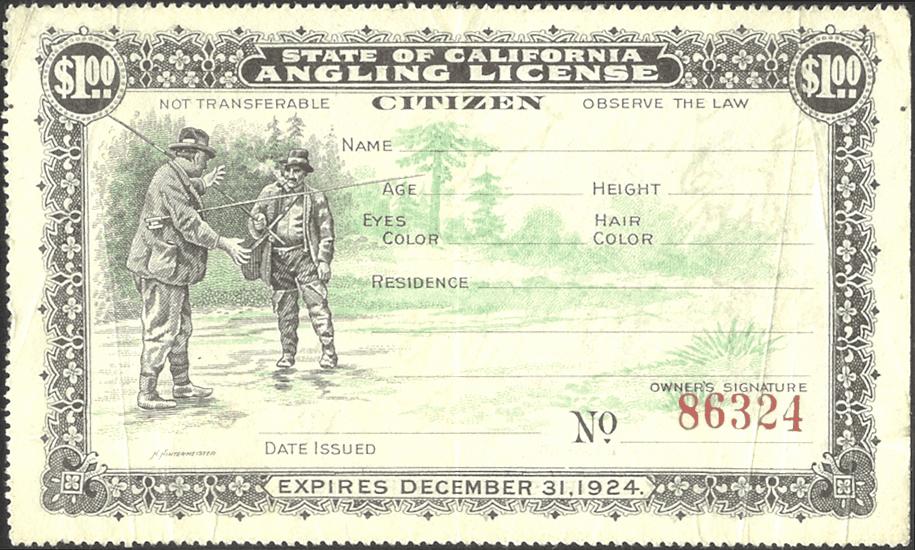
Resident vs. Non-Resident Fees
Annual Licenses: These are the most common type, valid from January 1st through December 31st of the calendar year.
- Adult Resident Annual Fishing License: For California residents aged 16 and older, the annual license typically costs around $60. This provides year-round access to both freshwater and saltwater fishing, with specific endorsements required for certain species or areas.
- Youth Fishing License: Anglers under the age of 16 are generally not required to purchase a fishing license, making California an excellent destination for family-friendly trips where younger members can enjoy the thrill of fishing without an additional cost burden.
- Reduced-Fee Licenses: California offers several reduced-fee options for eligible individuals, including:
- Low-Income Senior Support Fishing License: For eligible low-income seniors.
- Disabled Veteran Sport Fishing License: For qualifying disabled veterans.
- Recovering Service Member Sport Fishing License: For active military personnel undergoing recovery.
- Blind or Developmentally Disabled Sport Fishing License: For individuals meeting specific criteria.
- These licenses require specific documentation and application processes through the California Department of Fish and Wildlife.
- Adult Non-Resident Annual Fishing License: For visitors aged 16 and older, the annual non-resident license is significantly higher, typically around $160, reflecting the visitor’s less frequent contribution to state taxes that help support conservation efforts.
Short-Term Options: For those planning a shorter visit or a brief fishing excursion, California provides convenient short-term licenses.
- 1-Day Sport Fishing License (Resident & Non-Resident): Perfect for a quick fishing trip, this license usually costs around $19.
- 2-Day Sport Fishing License (Resident & Non-Resident): A popular choice for weekend getaways, typically priced around $30.
- 10-Day Non-Resident Sport Fishing License: Designed for visitors on an extended vacation, this option typically costs around $60, offering a more economical alternative to the full annual non-resident license if your stay is within this timeframe.
Essential Endorsements and Report Cards
Beyond the basic fishing license, certain species and fishing activities in California require additional validations or report cards. These are crucial for tracking catch data, which informs conservation efforts and management decisions.
- Ocean Enhancement Validation: Required for all anglers 16 years or older fishing in ocean waters south of Point Arguello (Santa Barbara County). This validation helps fund programs to enhance ocean fish populations. It typically costs around $6.
- Steelhead Report Card: A mandatory purchase for anyone fishing for steelhead trout in inland waters. This card helps the California Department of Fish and Wildlife monitor steelhead populations, which are often threatened. The cost is usually around $8.
- Salmon Report Card: Required for fishing for salmon in the Sacramento River and its tributaries, or in the Klamath-Trinity River system. Similar to the steelhead card, it’s vital for species management, costing around $8.
- Spiny Lobster Report Card: Essential for anyone taking spiny lobster, whether by hoop net or hand, along the California coast. This card aids in managing this popular crustacean fishery, typically around $10.
- Abalone Report Card: Historically required for taking abalone. Important Note: Abalone fishing in California is currently prohibited due to critically low populations. While the report card exists, no fishing for abalone is permitted until further notice from the California Department of Fish and Wildlife.
- Second-Rod Validation: If you plan to fish with two rods simultaneously in inland waters, you’ll need to purchase a second-rod validation, usually around $17. This does not apply to ocean fishing, where multiple rods are generally allowed.
Where and How to Purchase Your License
Acquiring your California fishing license is a straightforward process, offering several convenient options to ensure you’re ready to hit the water.
- Online via the California Department of Fish and Wildlife (CDFW) Website: This is arguably the easiest and most efficient method. Visit the official California Department of Fish and Wildlife website, navigate to the license sales portal, and follow the prompts. You can purchase your annual or short-term licenses, as well as any necessary validations or report cards, from the comfort of your home. You’ll receive a printable license immediately, which you must carry while fishing.
- Authorized License Agents: Thousands of authorized license agents are scattered across California, making it incredibly convenient to pick up a license in person. These agents include most sporting goods stores (like Bass Pro Shops or Big 5 Sporting Goods), many bait and tackle shops, marinas, and even some general stores in popular tourist and fishing destinations. Purchasing in person allows you to ask questions and often pick up last-minute gear or bait.
- California Department of Fish and Wildlife License Sales Offices: For more complex situations or if you prefer direct assistance, you can visit one of the few California Department of Fish and Wildlife license sales offices located in key cities.
- What You Need to Purchase:
- Identification: A valid form of identification, such as a driver’s license or state ID, is usually required.
- Proof of Residency: If you’re applying for a resident license, you’ll need to provide proof of California residency.
- Previous License (for renewals): If renewing an annual license, having your previous license information can expedite the process.
Beyond the License: Planning Your California Fishing Adventure
With your license in hand, the real fun begins: planning your ultimate California fishing adventure. California isn’t just a place to fish; it’s a destination where the angling experience is interwoven with stunning landscapes, diverse cultures, and a wide range of travel and accommodation options.
Top Fishing Destinations in California
California’s geographical diversity translates into an incredible variety of fishing environments.
- Freshwater Paradises:
- Lake Shasta: Nestled in Northern California, Lake Shasta is the state’s largest reservoir and a prime spot for bass (largemouth, smallmouth, spotted), trout, and salmon. Its intricate shoreline and numerous coves make it a boater’s paradise.
- Lake Tahoe: Straddling the California-Nevada border, the crystal-clear waters of Lake Tahoe are renowned for Mackinaw (lake trout), Kokanee salmon, and brown trout. Guided fishing charters are popular here, offering a unique way to experience the majestic Sierra Nevada.
- Sacramento River & San Joaquin River Delta: This vast network of waterways is a mecca for striped bass, sturgeon, salmon, and various panfish. It’s an ideal location for those seeking diverse species and tranquil backwater fishing.
- Eastern Sierra Nevada: Famous for its “gold medal” trout streams and high-altitude lakes, areas like Mammoth Lakes, Bishop, and June Lake Loop offer spectacular scenery and world-class trout fishing (rainbow, brown, brook, cutthroat). This region is a top choice for fly fishing enthusiasts.
- Saltwater Sanctuaries:
- San Francisco Bay: The iconic bay teems with opportunities for striped bass, sturgeon, halibut, and various rockfish. Pier fishing, shore fishing, and charter boats all thrive here, offering unique views of the city’s landmarks.
- Monterey Bay: Known for its deep canyons and rich marine life, Monterey Bay is excellent for rockfish, lingcod, halibut, and salmon. Whale watching tours often combine with fishing charters in this area.
- Southern California Coast: From San Diego to Santa Monica, the warmer waters of Southern California attract a different suite of species, including yellowtail, tuna, dorado, barracuda, and various bass species (calico, sand, spotted). Deep-sea fishing charters departing from harbors like Dana Point, Long Beach, and San Diego are extremely popular.
- Channel Islands: A national park, these islands off the coast of Ventura and Santa Barbara offer incredible opportunities for game fish and diverse rockfish populations in pristine waters. Multi-day trips are common here.
Enhancing Your Angling Lifestyle and Accommodation
Your California fishing trip can be tailored to fit any travel style, from rugged, budget-friendly camping to luxurious, all-inclusive resort experiences.
- Guided Tours vs. Independent Exploration: For those new to an area or seeking specialized knowledge, hiring a local fishing guide can significantly enhance your success and overall experience. Guides provide expertise on local conditions, optimal techniques, and often all necessary gear. Many guides operate around Lake Tahoe, the Eastern Sierra Nevada rivers, and the saltwater charter hubs. Independent fishing offers more freedom and is ideal for experienced anglers who prefer to explore on their own schedule.
- Family-Friendly Fishing Trips: Many locations in California are perfect for introducing children to fishing. Stocked lakes in state parks, accessible piers, and calm bay waters provide safe and exciting environments. Consider resorts or campgrounds that offer fishing clinics or kid-specific activities.
- Accommodation Choices for Every Angler:
- Luxury Fishing Lodges & Resorts: Destinations like the Eastern Sierra Nevada and areas around Lake Tahoe boast high-end lodges that cater specifically to anglers, offering guided trips, gourmet meals, and comfortable amenities after a long day on the water. Some coastal resorts near Malibu or San Diego might also offer luxury charters and fishing packages.
- Hotels with Marina Access: Many coastal cities and lake towns feature hotels or boutique accommodations with direct access to marinas, boat rentals, or charter departure points, making early morning starts incredibly convenient.
- Vacation Rentals (Villas, Cabins, Beach Houses): For groups or families, renting a cabin near Lake Shasta, a villa in the Wine Country with nearby river access, or a beach house in Southern California provides flexibility, privacy, and often fully equipped kitchens to cook your fresh catch. Websites specializing in accommodation comparison can help you find the perfect stay.
- Budget-Friendly Camping & RV Parks: For those prioritizing budget travel or a closer connection to nature, California’s extensive network of state and national parks offers excellent camping and RV facilities near prime fishing spots, particularly around the Eastern Sierra Nevada, Lake Shasta, and numerous coastal areas.
- Local Culture and Food: Beyond fishing, immerse yourself in California’s diverse local culture. Explore charming fishing villages, enjoy farm-to-table cuisine, or sample the freshest seafood directly from coastal restaurants. Visiting local markets can also provide a glimpse into the regional produce and culinary traditions, enriching your travel experience.
The Importance of Regulations and Conservation
The requirement for a fishing license in California is not merely about revenue generation; it’s the cornerstone of effective fisheries management and conservation.
- Funding Conservation Efforts: The funds generated from license sales and associated fees directly support the California Department of Fish and Wildlife’s conservation programs. This includes habitat restoration projects (e.g., restoring spawning grounds for salmon and steelhead), scientific research to monitor fish populations and ecosystem health, fish stocking programs in lakes and rivers, and enforcement of fishing laws to prevent poaching and overfishing.
- Ensuring Sustainability: Regulations such as daily bag limits, size restrictions, seasonal closures, and permitted gear types are put in place based on scientific data to ensure that fish populations remain healthy and sustainable for future generations of anglers. These rules protect juvenile fish, allow species to reproduce, and prevent localized depletion.
- Ethical Angling Practices: A fishing license implies a responsibility. Anglers are encouraged to practice catch-and-release responsibly, minimize their impact on the environment, properly dispose of trash, and respect private property. Understanding and adhering to all regulations is crucial for ethical angling.
- Data Collection: When you purchase report cards for species like steelhead or salmon, you’re not just paying a fee; you’re participating in a vital data collection effort. The information you provide on your catches (or lack thereof) helps biologists track population trends, understand migration patterns, and make informed management decisions to protect these sensitive species.
Your commitment to purchasing a license and understanding the rules plays a direct role in preserving California’s incredible fishing heritage. It allows you to enjoy the thrill of the catch while contributing to the health of the very resources that make these experiences possible.
Conclusion
Securing a California fishing license is your essential ticket to exploring one of the most diverse and captivating angling destinations in the world. Whether you’re planning a serene solo fly-fishing trip in the Eastern Sierra Nevada, a lively family outing on Lake Shasta, or an adventurous deep-sea charter off the coast of San Diego, understanding the license requirements is the first step. While the costs vary depending on residency and duration, they are a small investment in the grand scheme of an unforgettable California experience. More importantly, every dollar contributes to the vital conservation efforts that preserve the Golden State’s aquatic wonders for generations to come. So, get your license, pack your gear, and prepare to immerse yourself in the natural beauty and thrilling fishing opportunities that only California can offer. Your next great travel story begins on the water.