
Colorado, a land of majestic mountains, pristine rivers, and expansive reservoirs, stands as an angler’s paradise. From the serene high-alpine lakes teeming with trout to the powerful flows of the Colorado River inviting fly-fishing enthusiasts, the state offers unparalleled opportunities for both seasoned pros and budding adventurers. Before you cast your line into the glistening waters of the Rockies, an essential step for any responsible angler is securing a valid fishing license. This isn’t just a legal requirement; it’s a contribution to the conservation efforts that keep Colorado’s aquatic ecosystems thriving for generations to come. Understanding the cost and types of fishing licenses available is the first stride toward an unforgettable fishing experience in this breathtaking state.
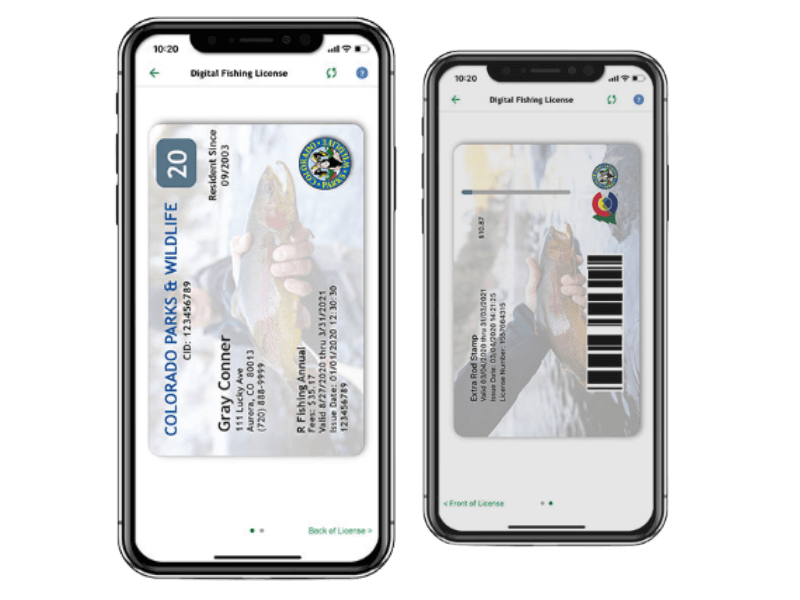
Navigating the various licensing options can seem daunting at first, but with a clear breakdown, you’ll be able to choose the permit that best suits your travel plans and angling ambitions. Whether you’re planning a quick weekend getaway to Steamboat Springs or an extended family vacation exploring the diverse fishing spots near Denver and Colorado Springs, knowing the specifics of Colorado fishing licenses is crucial. This guide will delve into the costs, types, and nuances of obtaining your fishing credentials, ensuring your focus remains on the thrill of the catch rather than bureaucratic hurdles. Beyond just the price, we’ll explore how these licenses integrate into the broader tourism and lifestyle experience that Colorado offers, connecting you with the natural beauty and responsible recreational practices that define this incredible destination.
Understanding Colorado Fishing Licenses: Types and Costs
The cost of a Colorado fishing license varies primarily based on your residency status, age, and the duration of the license you require. These funds are vital for the operations of Colorado Parks and Wildlife (CPW), supporting everything from fish stocking programs and habitat restoration to wildlife law enforcement and angler education. When you purchase a license, you’re directly investing in the future of Colorado’s natural resources.
Who Needs a License?
Generally, anyone aged 18 or older who wishes to fish in Colorado waters must possess a valid fishing license. For younger anglers aged 16 and 17, a youth license is required. Children under 16 years of age can typically fish without a license, though it’s always wise to check the most current regulations on the CPW website, as rules can occasionally change. Even if you’re just assisting someone else who is fishing, or simply holding a rod, it’s best to have your own license to avoid any potential misunderstandings with wildlife officers. This applies whether you’re fly-fishing the famous gold medal waters of the Fryingpan River or ice fishing on Lake Granby.
Types of Licenses Available
Colorado offers a range of license types designed to accommodate various needs, from annual passes for frequent visitors or residents to short-term options for those on a brief holiday.
- Annual Licenses: These are the most comprehensive and cost-effective for individuals planning to fish multiple times throughout the year. They are valid from April 1st through March 31st of the following year.
- Short-Term Licenses: Perfect for tourists or those enjoying a limited stay, these typically come in 1-day or 5-day options. They allow visitors to enjoy Colorado’s fishing without committing to an annual pass.
- Youth Licenses: For individuals aged 16-17, these are offered at a reduced rate.
- Senior Licenses: Colorado residents aged 65 and older often qualify for discounted or even free fishing licenses, a wonderful perk for those who have contributed to the state for years.
- Disability Licenses: Specific licenses are available for residents with disabilities, demonstrating Colorado’s commitment to inclusive outdoor recreation.
- Combination Licenses: These often bundle fishing with small game hunting, offering additional value for multi-faceted outdoor enthusiasts.
Pricing Breakdown: How Much You Can Expect to Pay
While exact figures can fluctuate slightly year to year, here’s an estimated breakdown of typical fishing license costs in Colorado. Please note that an additional small fee (often around $10) for the Habitat Stamp is usually required once per license year for individuals aged 18-64, unless they hold a valid annual hunting or fishing license or a qualifying lifetime license. The Habitat Stamp helps fund critical wildlife conservation projects across the state, ensuring that the diverse ecosystems remain vibrant.
For Colorado Residents:
- Annual Fishing License (18-64 years old): Approximately $36.00
- Annual Fishing License (Youth, 16-17 years old): Approximately $11.00
- Annual Fishing License (Senior, 65+ years old): Often free or a nominal fee, though the Habitat Stamp may still apply if they don’t hold other qualifying licenses.
- 1-Day Fishing License: Approximately $14.00
- 5-Day Fishing License: Approximately $29.00
For Non-Residents:
- Annual Fishing License (18+ years old): Approximately $106.00
- Annual Fishing License (Youth, 16-17 years old): Approximately $11.00
- 1-Day Fishing License: Approximately $14.00
- 5-Day Fishing License: Approximately $29.00
It’s important to remember that these prices are estimates. The most accurate and up-to-date pricing will always be found on the official Colorado Parks and Wildlife website or by visiting a licensed vendor in person. Licenses can typically be purchased online, over the phone, or at various retail locations throughout Colorado, including sporting goods stores, some grocery stores, and CPW offices.

Beyond the License: Planning Your Colorado Fishing Adventure
Acquiring your fishing license is merely the first step in planning an unforgettable angling expedition in Colorado. The state offers a wealth of fishing opportunities, each promising a unique blend of natural beauty and the thrill of the catch. Integrating your fishing plans with broader travel and accommodation considerations can elevate your entire experience.
Top Fishing Destinations in Colorado
Colorado boasts an incredible array of fishing locations, catering to all styles and skill levels.
- Rocky Mountain National Park: While requiring a national park pass in addition to your state fishing license, the high-alpine lakes and streams here offer stunning scenery and opportunities for brook and cutthroat trout. It’s an ideal destination for those combining fishing with hiking and sightseeing, truly embodying the spirit of travel and tourism in a pristine landmark.
- Arkansas River: Running through regions like Salida and Cañon City, the Arkansas River is famous for its rainbow and brown trout, particularly in its Gold Medal sections. It’s also a hotspot for white-water rafting, offering a diverse experience.
- Blue River: Near Silverthorne, the Blue River is another Gold Medal water, known for its large trout, often found right in town. This makes it highly accessible for visitors staying in nearby resorts and hotels in Summit County.
- South Platte River: Easily accessible from Denver, the sections known as “The Dream Stream” between Eleven Mile and Spinney Mountain Reservoirs are legendary for large trout and challenging fly-fishing.
- Antero Reservoir & Spinney Mountain Reservoir: These reservoirs near Hartsel are known for trophy-sized fish, making them popular among anglers seeking a significant catch.
- Chatfield State Park & Cherry Creek State Park: For those seeking urban angling convenience, these state parks near Denver offer diverse fishing for bass, walleye, and trout, providing a quick escape into nature without extensive travel.
Where to Stay: Accommodation for Anglers
Your choice of accommodation can significantly enhance your fishing trip. Colorado offers everything from rustic cabins by the river to luxurious resorts with guided fishing packages.
- Riverside Cabins and Vacation Rentals: For an immersive experience, consider renting a cabin or a vacation rental directly on the banks of a prime fishing river, like those found along the Arkansas River or near Breckenridge. This allows for early morning casts and late-night relaxation by the water, embodying a distinct lifestyle choice.
- Hotels in Fishing Towns: Towns like Glenwood Springs, Durango, and Granby offer a variety of hotels that cater to anglers, often providing amenities like gear storage, local guide recommendations, and easy access to local eateries. For example, the historic Hotel Colorado in Glenwood Springs provides comfort after a day on the Roaring Fork River.
- Resorts with Guided Experiences: Many high-end resorts in areas like Vail or Aspen offer comprehensive fishing packages, including expert guides, equipment, and even gourmet meals prepared with your catch. This falls under luxury travel and provides a seamless, high-comfort angling adventure. Even some ranches offer guest stays with private stream access.
- Camping and RV Parks: For the budget travel enthusiast or those who prefer roughing it, numerous state parks and national forest campgrounds offer lakeside or riverside sites, providing direct access to fishing spots and an immersive nature experience.
When booking accommodation, consider proximity to your chosen fishing spots, reviews from fellow anglers, and any specific amenities that would make your trip more comfortable. Some locations, particularly around popular reservoirs or rivers, can have limited options, so advance booking is highly recommended, especially during peak seasons.
Making the Most of Your Colorado Fishing Trip
A Colorado fishing trip offers more than just the pursuit of fish; it’s an opportunity to connect with nature, engage with local communities, and create lasting memories. To truly maximize your experience, consider these additional facets of responsible and enriching angling.
Connecting with Local Culture and Guides
Part of the joy of travel is immersing yourself in the local culture. Colorado’s fishing communities are rich with history, expertise, and a passion for the outdoors.
- Hire a Local Guide: For an unparalleled experience, especially for those new to Colorado’s diverse waters, hiring a local fishing guide is highly recommended. These experts know the best spots, the most effective techniques for the season, and can offer invaluable insights into local regulations and conservation practices. Many guides operate out of popular fishing towns like Durango, Gunnison, or Fruita, and can cater to various skill levels and preferences, from fly-fishing lessons to conventional spin fishing trips. This kind of guided experience truly enhances the tourism aspect of your visit.
- Visit Local Fly Shops: These establishments are often community hubs, offering not only gear and flies but also up-to-the-minute fishing reports, local tips, and stories. Engage with the staff; they are a fantastic resource for current conditions and hidden gems.
- Explore Local Cuisine: After a long day on the water, savor the local culinary scene. Many Colorado towns pride themselves on farm-to-table dining, craft breweries, and unique eateries that reflect the state’s rugged yet refined lifestyle.
Responsible Angling and Conservation
Obtaining a license is a step towards responsible recreation, but ethical angling extends far beyond that. Colorado places a strong emphasis on conservation to protect its precious aquatic resources.
- Understand Regulations: Always be aware of specific regulations for the waters you are fishing, including catch limits, size restrictions, and bait restrictions. Some waters are “catch and release only,” while others have specific requirements for barbless hooks. The CPW website and pamphlets available at license vendors are your best resources.
- Practice Catch and Release: When practicing catch and release, handle fish gently with wet hands, minimize their time out of water, and use proper de-hooking tools. This ensures the fish have the best chance of survival, contributing to healthy fish populations.
- Pack It In, Pack It Out: Leave no trace. Take all trash, including fishing line and bait containers, with you. Help keep Colorado’s pristine environments clean for everyone.
- Prevent Aquatic Invasive Species: Clean, Drain, and Dry your boat and gear every time you move between different bodies of water. This simple step prevents the spread of invasive species that can devastate native ecosystems.

Combining Fishing with Other Colorado Experiences
Colorado is a playground for outdoor enthusiasts, making it easy to combine your fishing trip with other exciting activities.
- Hiking and Backpacking: Many prime fishing spots, particularly in the national forests and Rocky Mountain National Park, are accessible via scenic hiking trails. A backpack fishing trip to a high-alpine lake offers an unparalleled wilderness experience.
- Skiing and Snowboarding: For those interested in ice fishing, winter angling can be combined with world-class skiing or snowboarding at resorts like Vail, Aspen, or Breckenridge.
- Wildlife Viewing and Photography: Colorado’s diverse landscapes are home to an abundance of wildlife. Keep an eye out for elk, deer, moose, eagles, and more while you’re enjoying your time on the water.
- Scenic Drives: Plan your route to include some of Colorado’s famous scenic byways, turning the journey to your fishing destination into an attraction in itself.
In conclusion, the cost of a fishing license in Colorado is a minor investment when weighed against the rich experiences and natural beauty awaiting you. It’s a fundamental part of responsible tourism and ensures that the state’s incredible fishing heritage endures. With your license in hand, combined with thoughtful planning for travel, accommodation, and an appreciation for the local lifestyle and landmarks, your Colorado fishing adventure promises to be a truly rewarding journey.
LifeOutOfTheBox is a participant in the Amazon Services LLC Associates Program, an affiliate advertising program designed to provide a means for sites to earn advertising fees by advertising and linking to Amazon.com. Amazon, the Amazon logo, AmazonSupply, and the AmazonSupply logo are trademarks of Amazon.com, Inc. or its affiliates. As an Amazon Associate we earn affiliate commissions from qualifying purchases.