
For many travelers visiting the United States, the rugged landscapes of the Rocky Mountains represent the pinnacle of outdoor recreation. Idaho, often referred to as the Gem State, is a premier destination for those seeking pristine waters, towering pines, and the thrill of the catch. However, before you cast a line into the legendary Snake River or explore the alpine basins of the Sawtooth National Forest, understanding the logistics of local regulations is essential. A fishing license is more than just a legal requirement; it is a contribution to the conservation efforts managed by the Idaho Department of Fish and Game, ensuring that these vibrant ecosystems remain healthy for future generations of tourists and locals alike.
Understanding the Idaho Licensing Framework for Tourists
The licensing structure in Idaho is designed to accommodate both the dedicated local angler and the short-term visitor. Because fishing is such a vital part of the local tourism economy, the state offers various tiers of permits based on residency, duration, and the specific species you intend to pursue.
Resident vs. Non-Resident Status
To qualify as a resident for licensing purposes, an individual must have lived in Idaho for at least six months. For the vast majority of tourists visiting from other states or countries, the non-resident category will apply. While non-resident fees are higher, they provide the same access to the state’s world-class trout streams and bass-filled reservoirs. It is important to note that children under the age of 14 do not require their own license if they are accompanied by a licensed adult, though any fish they keep will count toward the adult’s daily bag limit.
Short-Term vs. Annual Licenses
For those planning a quick weekend getaway to Boise or a brief stop in Coeur d’Alene, the daily licenses are the most cost-effective option. You can purchase a one-day license and add as many consecutive days as needed. However, if your itinerary includes a stay longer than seven days, or if you plan to return to Idaho later in the same calendar year, the annual non-resident license often becomes the more economical choice.
Online vs. In-Person Acquisition
In the modern era of travel, convenience is key. Most visitors obtain their permits through the official Idaho Department of Fish and Game website before they even leave home. Alternatively, many local businesses, ranging from large retailers in Nampa to small fly shops in Stanley, act as authorized vendors. Purchasing in person allows tourists to gain valuable “local intel” regarding what lures are working and which stretches of the river are currently most productive.
Comprehensive Price Breakdown: Residents vs. Non-Residents
The cost of a fishing license in Idaho is subject to periodic adjustments, but the general pricing structure remains consistent. As of the current season, the following breakdown provides an overview of what you can expect to pay for the privilege of angling in some of the most beautiful waters in North America.
Non-Resident Pricing Tiers
For the international or out-of-state tourist, the primary costs are as follows:
- Annual Adult License: Approximately $108.75. This is the best value for long-term travelers.
- Daily License (First Day): Approximately $22.75.
- Each Consecutive Day: Approximately $7.00.
- Three-Day Salmon/Steelhead License: Approximately $44.75. This is a specialized permit for those targeting these iconic migratory species.
- Junior License (Ages 14-17): Approximately $31.75 for an annual permit, making it affordable for families.
Resident Pricing Tiers
Locals enjoy a significant discount as part of the state’s effort to encourage community engagement with nature:
- Annual Adult License: Approximately $30.50.
- Junior License: Approximately $13.75.
- Senior License (65+): Approximately $13.75.
- Combo Licenses: Many residents opt for a “Hunting and Fishing” combination, which offers further savings for those who participate in multiple outdoor sports.
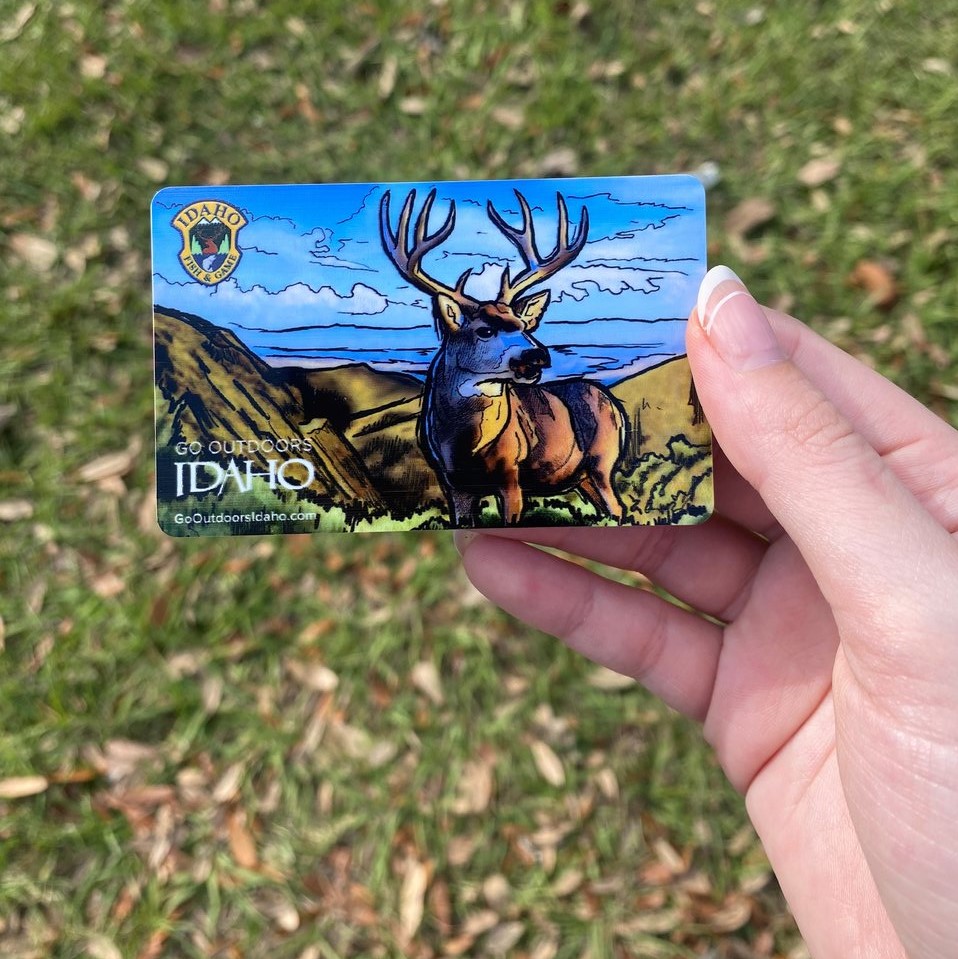
Permits for Specialized Species
It is a common misconception among tourists that a standard fishing license covers all types of fishing. In Idaho, if you intend to fish for Chinook Salmon or Steelhead, you must purchase a specific permit (often called a “tag”) in addition to your general license. These permits are essential for tracking the harvest of these sensitive species. Similarly, if you are fishing in certain protected areas, you may need a “Two-Pole Permit” if you wish to use two rods simultaneously, which is a popular technique on larger bodies of water like Lake Pend Oreille.
Beyond the Permit: Premier Fishing Destinations in the Gem State
Once you have secured your license, the next step in your Idaho tourism experience is deciding where to cast your line. The state offers a diverse array of environments, from high-altitude lakes to deep canyon rivers.
The World-Famous Fly Fishing Circuits
Eastern Idaho is a mecca for fly fishing enthusiasts. Henrys Fork of the Snake River is often cited as one of the best trout streams in the world. Visitors flock to the town of Island Park to test their skills against selective Rainbow Trout. Nearby, the South Fork of the Snake River provides a more drift-boat-friendly experience, characterized by stunning views of the Big Hole Mountains.
Northern Idaho’s Great Lakes
In the northern panhandle, the geography shifts toward massive, deep-water lakes. Sandpoint serves as the gateway to Lake Pend Oreille, famous for its “Gerrard” Rainbow Trout, which can reach sizes exceeding 20 pounds. Further south, the city of McCall offers access to Payette Lake, a stunning glacial lake perfect for families who want to mix fishing with beach activities and boating.
The Central Wilderness and Salmon River
For the truly adventurous tourist, the Salmon River offers an unparalleled wilderness experience. Known as “The River of No Return,” it carves through some of the deepest canyons in the United States. Here, you can fish for Cutthroat Trout in the shadows of the Sawtooth Range. Staying in a rustic lodge near Redfish Lake provides a perfect basecamp for exploring these remote waters while enjoying the local hospitality of central Idaho.
Strategic Planning for Your Idaho Angling Adventure
To make the most of your tourism dollars and your time in Idaho, strategic planning is required. Fishing here is highly seasonal, and the rules can change depending on which side of a bridge you are standing on.
Navigating Seasons and Regulations
The Idaho Department of Fish and Game publishes an annual “Seasons and Rules” booklet. It is imperative for every tourist to keep a digital or physical copy of this guide. Some waters are “Catch and Release” only, while others allow for a limited harvest. For instance, the Silver Creek preserve near Sun Valley has very specific tackle requirements—barbless hooks only—to protect the fragile trout population.
Ethical Tourism and Conservation
Idaho residents take great pride in their natural resources. As a tourist, practicing ethical angling is the best way to show respect for the local culture. This includes “Cleaning, Draining, and Drying” your boat to prevent the spread of invasive species like Quagga Mussels. Furthermore, purchasing your license early contributes to the funding of hatcheries and habitat restoration projects throughout the Clearwater River basin and beyond.

Maximizing the Experience with Local Guides
If you are new to the area, hiring a professional guide from an outfitter in Twin Falls or Idaho Falls can transform your trip. Guides not only provide the necessary gear and boat but also handle the nuances of boundaries and private land access. They are the best ambassadors for Idaho tourism, offering deep insights into the history of the Shoshone Falls or the volcanic geology of the Craters of the Moon region while you wait for a strike.
In conclusion, while the question “How much is a fishing license in Idaho?” has a simple financial answer, the value it unlocks is immeasurable. From the peaceful solitude of a high mountain tarn to the adrenaline of landing a steelhead in the Hells Canyon wilderness, the investment in a permit is your ticket to experiencing the very best of the American West. Whether you are visiting the urban riverfronts of Post Falls or the remote reaches of the Selway River, Idaho welcomes you to its waters. Just remember to pack your license, respect the limits, and enjoy the unparalleled beauty of this mountainous paradise.
LifeOutOfTheBox is a participant in the Amazon Services LLC Associates Program, an affiliate advertising program designed to provide a means for sites to earn advertising fees by advertising and linking to Amazon.com. Amazon, the Amazon logo, AmazonSupply, and the AmazonSupply logo are trademarks of Amazon.com, Inc. or its affiliates. As an Amazon Associate we earn affiliate commissions from qualifying purchases.