
Dreaming of a tropical escape to the sun-kissed shores and lush landscapes of Hawaii? You’re not alone. The allure of the Aloha State, with its vibrant culture, stunning beaches, and volcanic majesty, makes it a top destination for travelers worldwide. However, one of the first and most crucial questions for any prospective visitor is, “How much will it cost to get there?” The price of a flight to Hawaii can vary dramatically, influenced by a myriad of factors from your departure city and the time of year to how far in advance you book your tickets. Understanding these dynamics is key to securing the best possible deal for your Hawaiian adventure. This comprehensive guide will break down the costs, offer strategies for finding affordable fares, and help you budget for an unforgettable trip to paradise, ensuring your journey aligns perfectly with your travel and lifestyle preferences.
Understanding the Factors Influencing Flight Prices to Hawaii
Before diving into specific price ranges, it’s essential to grasp the core elements that dictate the cost of airfare to Hawaii. Like any popular travel destination, the cost of flying to the islands is a complex equation involving demand, timing, and the specific choices you make. By understanding these variables, you can strategically plan your trip to optimize your budget without compromising on the quality of your experience.
Seasonality and Timing
The time of year you choose to visit Hawaii is arguably the most significant factor impacting flight prices. Peak seasons naturally see higher demand and, consequently, higher fares.
- Peak Season: Mid-December through early January (holiday season), spring break (March and April), and summer vacation (June to August) are generally the most expensive times to fly. Families often plan their trips around school breaks, leading to a surge in demand. During these periods, expect prices to be at their highest, often 30-50% more than off-peak.
- Shoulder Season: Late April to May and September to November (excluding Thanksgiving week) are considered shoulder seasons. During these times, the weather in Hawaii is still fantastic, but the crowds are thinner, and flight prices tend to be more reasonable. This is often an ideal time for many travelers seeking a balance between good weather and cost savings.
- Off-Peak Season: Generally, the cheapest times to fly are typically late January through early March and the fall months (September to early December), avoiding holiday periods. If you have flexibility with your dates, aiming for these windows can result in substantial savings on airfare.
Booking Window and Flexibility
The age-old advice to book in advance holds particularly true for flights to Hawaii. Airlines typically release tickets up to 11 months in advance, and prices tend to fluctuate.
- Ideal Booking Time: For the best deals, most experts recommend booking your Hawaii flights anywhere from 2 to 6 months in advance. Booking too far out can sometimes mean missing out on sales, while booking too late (within a month or two of departure) almost guarantees higher prices, especially during peak seasons.
- Flexibility with Dates and Airports: Being flexible with your departure and arrival dates, even by a day or two, can yield significant savings. Mid-week flights (Tuesday, Wednesday, Thursday) are often cheaper than weekend travel. Similarly, consider flying into or out of smaller airports on the islands if they offer competitive rates, though Honolulu (HNL) on Oahu often has the most flight options and competitive pricing due to its status as a major hub.
Airline and Fare Class
The choice of airline and the class of service also play a crucial role in flight costs.
- Airlines: Major carriers like United Airlines, Delta Air Lines, American Airlines, Alaska Airlines, and Hawaiian Airlines frequently offer flights to Hawaii from various mainland United States cities. Budget carriers, such as Southwest Airlines, have also entered the Hawaiian market, sometimes offering competitive fares, though their routes might be more limited. Each airline has its own pricing strategy, baggage fees, and service levels.
- Fare Class: Economy class is the most budget-friendly option. However, within economy, there can be “basic economy” fares that come with restrictions (e.g., no seat selection, no changes) and standard economy. For those seeking more comfort, premium economy, business class, or first class tickets will significantly increase the cost, sometimes by several multiples. Your preferred lifestyle and comfort needs will dictate your choice here, ranging from budget travel to luxury travel.
Typical Flight Costs to Hawaii from Various Regions
While prices are constantly in flux, we can provide a general range for what you might expect to pay for a round-trip economy flight to Hawaii from different parts of the world. These figures are for direct flights or those with minimal layovers and are subject to the factors mentioned above.
Departing from the US Mainland
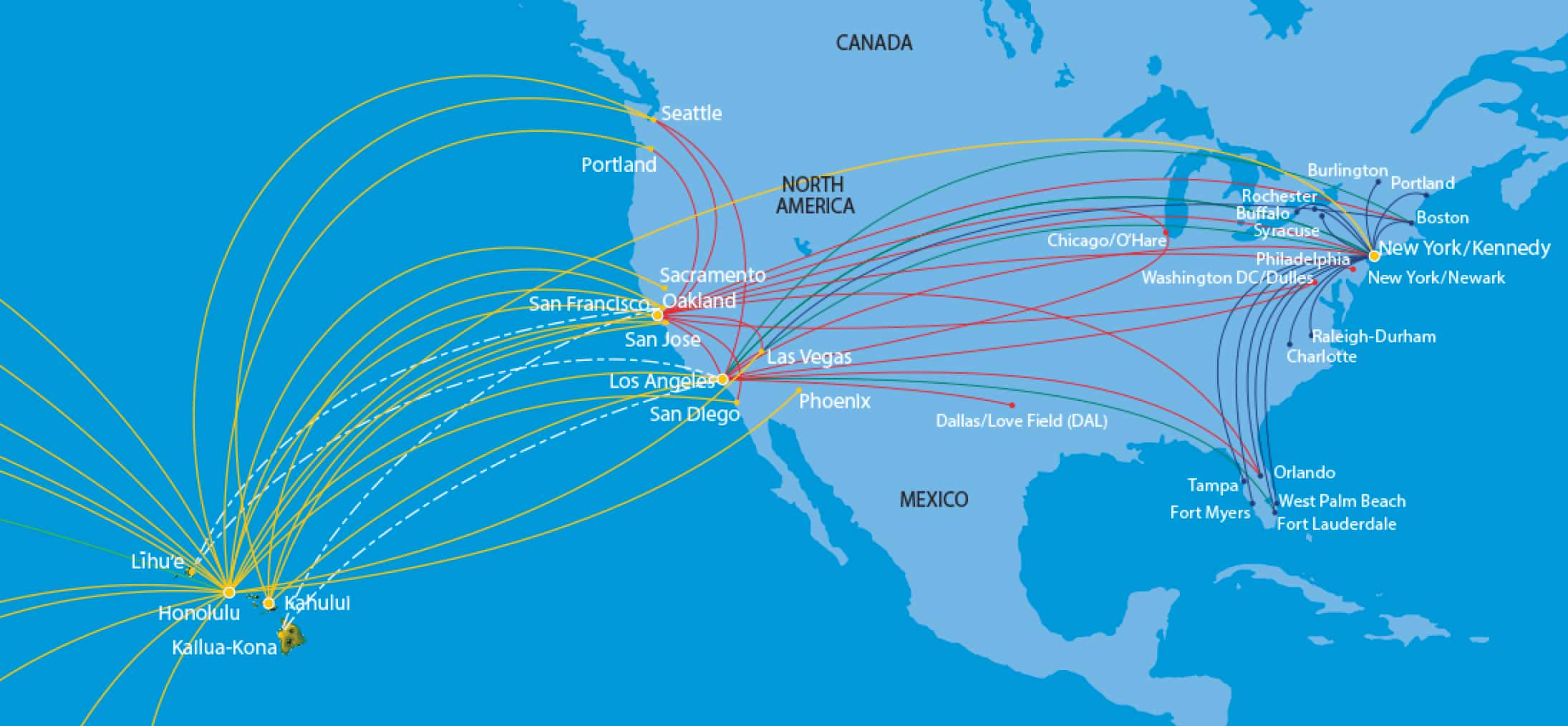
The vast majority of visitors to Hawaii originate from the mainland United States. Prices vary significantly based on your proximity to the West Coast.
- West Coast Cities (e.g., Los Angeles, San Francisco, Seattle, Phoenix):
- Off-Peak/Shoulder Season: You can often find round-trip flights for $300 – $500. Deals as low as $250 are possible during flash sales or with budget airlines.
- Peak Season: Expect to pay $500 – $800, and sometimes even higher for popular dates.
- Mid-Continent Cities (e.g., Chicago, Dallas, Denver):
- Off-Peak/Shoulder Season: Flights typically range from $500 – $700.
- Peak Season: Prices usually fall between $700 – $1,000+.
- East Coast Cities (e.g., New York, Boston, Miami):
- Off-Peak/Shoulder Season: Expect to pay $600 – $900 for a round trip.
- Peak Season: Fares often start at $900 and can easily exceed $1,200, especially for direct flights. Longer flight durations and fewer direct options contribute to these higher prices.
International Departures
Travelers from outside the United States will generally face higher prices due to the greater distance and fewer direct routes.
- Canada (e.g., Vancouver, Toronto):
- Off-Peak/Shoulder Season: C$600 – C$900.
- Peak Season: C$900 – C$1,400+.
- Japan (e.g., Tokyo): Japan has strong ties to Hawaii, with many direct flights.
- Off-Peak/Shoulder Season: ¥70,000 – ¥120,000 (approx. $500 – $850 USD).
- Peak Season: ¥120,000 – ¥200,000+ (approx. $850 – $1,400+ USD).
- Australia (e.g., Sydney, Melbourne):
- Off-Peak/Shoulder Season: A$800 – A$1,300 (approx. $550 – $900 USD).
- Peak Season: A$1,300 – A$2,000+ (approx. $900 – $1,400+ USD).
These are estimates, and extraordinary sales or last-minute deals can sometimes fall outside these ranges. However, they provide a solid baseline for budgeting your flight portion of the trip.
Strategies for Finding the Best Flight Deals
Securing an affordable flight to Hawaii requires a bit of research and strategic planning. Fortunately, there are several effective methods you can employ to minimize your airfare costs.
Leveraging Flight Comparison Sites
Start your search with popular flight comparison websites. These platforms aggregate data from numerous airlines and online travel agencies, allowing you to see a wide range of options and prices at a glance.
- Google Flights: Excellent for its calendar view, which easily shows the cheapest dates to fly over several months. It also has a powerful “explore” feature if your dates are flexible.
- Skyscanner, Kayak, Momondo: These sites are great for finding deals, especially by allowing you to search “anywhere” or “cheapest month” if you have maximum flexibility.
- Airline Websites: Once you’ve identified potential flight times and airlines, it’s always a good idea to check the airline’s official website directly. Sometimes they offer exclusive deals or slightly lower prices than third-party sites, particularly for loyalty program members.
Consider Alternative Airports and Dates
As mentioned earlier, flexibility is your greatest asset in saving money on flights.
- Departure Airports: If you live near multiple airports, check prices from each. Sometimes flying from a slightly further airport can result in significant savings, even accounting for the cost of getting there. For example, if flying from Southern California, compare Los Angeles (LAX), Ontario (ONT), and Long Beach (LGB).
- Arrival Airports: While Honolulu (HNL) on Oahu generally has the most flights, check fares into Kahului (OGG) on Maui, Kona (KOA) or Hilo (ITO) on the Big Island (Hawaii Island), or Lihue (LIH) on Kauai. Sometimes flying into a different island and taking an inter-island flight (which are relatively inexpensive, often $50-$100) can still be cheaper overall.
- Specific Days of the Week: Tuesdays, Wednesdays, and Saturdays are often the cheapest days to fly. Avoid Fridays and Sundays if possible. Flying very early in the morning or late at night can also sometimes yield lower fares.
Signing Up for Price Alerts and Loyalty Programs
Stay informed about price drops and special offers.
- Price Alerts: Most flight comparison sites and airlines allow you to set up price alerts for specific routes and dates. You’ll receive email notifications when prices change, allowing you to pounce on a good deal.
- Airline Newsletters and Social Media: Subscribe to newsletters from airlines that fly to Hawaii. Airlines frequently announce flash sales or special promotions to their subscribers first. Following them on social media can also alert you to sudden deals.
- Loyalty Programs and Credit Card Points: If you’re a frequent flyer, accumulate points with an airline or credit card that offers lucrative travel rewards. Redeeming points for flights to Hawaii can sometimes be the cheapest option, or even free. This is a common strategy for budget travel enthusiasts.
Beyond the Flight Ticket: Budgeting for Your Hawaiian Getaway
While flight costs are a major component of your trip to Hawaii, it’s crucial to consider the full picture of your expenses. A cheap flight is only valuable if you can afford the rest of your vacation. A successful trip to Hawaii requires careful budgeting for accommodation, transportation, food, and activities.
Accommodation Choices
Hawaii offers a diverse range of accommodation options to suit every budget and lifestyle.
- Luxury Resorts and Hotels: For those seeking a luxury travel experience, Hawaii boasts world-class resorts like the Grand Hyatt Kauai Resort & Spa or the Four Seasons Resort Maui at Wailea. These properties offer extensive amenities, fine dining, and unparalleled service, often costing $500 – $1,500+ per night.
- Mid-Range Hotels and Vacation Rentals: Many travelers opt for comfortable mid-range hotels or vacation rentals (e.g., Airbnb, VRBO villas, apartments) which can range from $200 – $500 per night. These offer a good balance of comfort and affordability, especially if you plan to explore extensively.
- Budget-Friendly Options: Hostels, guesthouses, and camping are available for the most budget-conscious travelers, particularly on islands like the Big Island or Kauai. Prices can be as low as $50 – $150 per night. Researching and booking well in advance, and comparing reviews, is crucial for securing good value.
Transportation within Hawaii
Once you land, you’ll need to get around.
- Rental Cars: For most islands, a rental car is highly recommended, especially if you want to explore beyond the main tourist areas. Daily rates can range from $40 – $100+, depending on the season and car type. Factor in parking fees and gas.
- Ride-Sharing/Taxis: Available in major areas like Honolulu and Maui, but can add up quickly if used frequently.
- Public Transportation: Oahu has an extensive bus system (“TheBus”), which is very affordable. Other islands have more limited public transport options.
- Inter-island Flights: If you plan to visit multiple islands, factor in the cost of inter-island flights, which typically run $50 – $100 per person per leg.
Activities, Dining, and Experiences
Hawaii offers an incredible array of activities and dining experiences, catering to all interests.
- Food: Dining out in Hawaii can be expensive. A meal at a casual restaurant might be $20-$40 per person, while fine dining can easily exceed $100 per person. To save money, consider cooking some meals if your accommodation has a kitchen, utilize local food trucks, or seek out happy hour specials. Embracing the local food scene is a great way to experience tourism and local culture.
- Attractions and Activities: Many of Hawaii’s best attractions are free (beaches, hiking trails, scenic drives). However, popular paid activities like surfing lessons, snorkeling tours, luaus, helicopter rides, or visiting certain landmarks can add up quickly. Budget $50 – $200+ per person per activity. For example, a visit to Pearl Harbor might have an entry fee for certain memorials, while a hike up Diamond Head requires an online reservation and small fee.
- Souvenirs and Shopping: Allocate some budget for gifts, souvenirs, or local crafts if you plan to bring home a piece of aloha.
When planning your trip, consider creating a daily budget that includes these categories. A comfortable budget for a mid-range Hawaiian vacation (excluding flights) could be $200-$500 per person per day, depending on your choices.
Choosing Your Hawaiian Island Destination
While the flight price might be a primary concern, your choice of island will significantly shape your overall experience and might even influence which airport you aim for. Each island offers unique destinations, attractions, and a distinct atmosphere.
Oahu: The Gathering Place
Oahu is the most populated and developed island, home to the capital Honolulu and the iconic Waikiki Beach. It’s typically the easiest and often cheapest island to fly into due to its major international airport (HNL).
- Pros: Best nightlife, diverse food scene, numerous historical landmarks like Pearl Harbor, world-class surfing on the North Shore, and excellent shopping. Ideal for those who enjoy a blend of city amenities and natural beauty. Public transportation is also a viable option here.
- Cons: Can be very crowded, especially Waikiki, and traffic can be heavy.
- Top Attractions: Waikiki Beach, Pearl Harbor, Diamond Head, Hanauma Bay, Polynesian Cultural Center.
Maui: The Valley Isle
Maui is renowned for its stunning beaches, luxury resorts, and natural wonders. Flights often arrive at Kahului Airport (OGG).
- Pros: Home to the scenic Road to Hana, the dormant Haleakala National Park (for sunrise views), excellent whale watching (in season), and popular beach areas like Kaanapali and Wailea. Offers a balance of relaxation and adventure.
- Cons: Can be more expensive for accommodation and dining than Oahu.
- Top Attractions: Haleakala National Park, Road to Hana, Kaanapali Beach, Lahaina Historic Town.
Big Island (Hawaii Island): The Orchid Isle
The Big Island (Hawaii Island) is the largest and geologically youngest island, offering incredible diversity from active volcanoes to black sand beaches. It has two main airports: Kona International Airport (KOA) on the drier west side and Hilo International Airport (ITO) on the wetter east side.
- Pros: Home to Volcanoes National Park (with active lava flows sometimes visible), diverse climates, incredible stargazing opportunities, and unique black sand beaches. Ideal for adventurers and nature lovers.
- Cons: Requires a rental car to explore, distances between attractions can be significant.
- Top Attractions: Hawaii Volcanoes National Park, Mauna Kea Summit, Punalu’u Black Sand Beach.
Kauai: The Garden Isle
Kauai is the oldest and northernmost of the main islands, famous for its dramatic lush landscapes, towering cliffs, and pristine beaches. Flights arrive at Lihue Airport (LIH).
- Pros: Unparalleled natural beauty, including the breathtaking Na Pali Coast and Waimea Canyon (“The Grand Canyon of the Pacific”). Perfect for hiking, kayaking, and those seeking a tranquil, less-developed escape.
- Cons: Fewer nightlife options, and overall a more subdued atmosphere compared to Oahu or Maui.
- Top Attractions: Na Pali Coast, Waimea Canyon, Poipu Beach.
The cost of flying to each island can vary slightly, with Honolulu often being the most competitive. When planning your multi-island itinerary, always compare flights to each primary airport as part of your overall travel guide and budget.
In conclusion, while the question “How much is a flight to Hawaii?” doesn’t have a single answer, understanding the underlying factors and employing smart booking strategies can significantly reduce your airfare costs. By being flexible, utilizing comparison tools, and considering the overall picture of your trip, you can transform your dream of a Hawaiian vacation into a blissful reality. With careful planning, your journey to the islands will be as rewarding as the destination itself, leaving you more to spend on the unparalleled experiences that Hawaii has to offer. Aloha!
LifeOutOfTheBox is a participant in the Amazon Services LLC Associates Program, an affiliate advertising program designed to provide a means for sites to earn advertising fees by advertising and linking to Amazon.com. Amazon, the Amazon logo, AmazonSupply, and the AmazonSupply logo are trademarks of Amazon.com, Inc. or its affiliates. As an Amazon Associate we earn affiliate commissions from qualifying purchases.