
Embarking on a journey, whether it’s a short vacation or a relocation for a new lifestyle, often involves navigating bureaucratic necessities. For those planning an extended stay or considering making the Sunshine State their permanent home, understanding the process and cost of obtaining a Florida State ID is crucial. While a driver’s license serves a dual purpose, a state identification card is an essential document for non-drivers and those seeking official proof of identity and residency within Florida. This comprehensive guide delves into the expenses, procedures, and practical benefits of securing your Florida State ID, ensuring your travel and living experiences in this vibrant state are as seamless as possible.
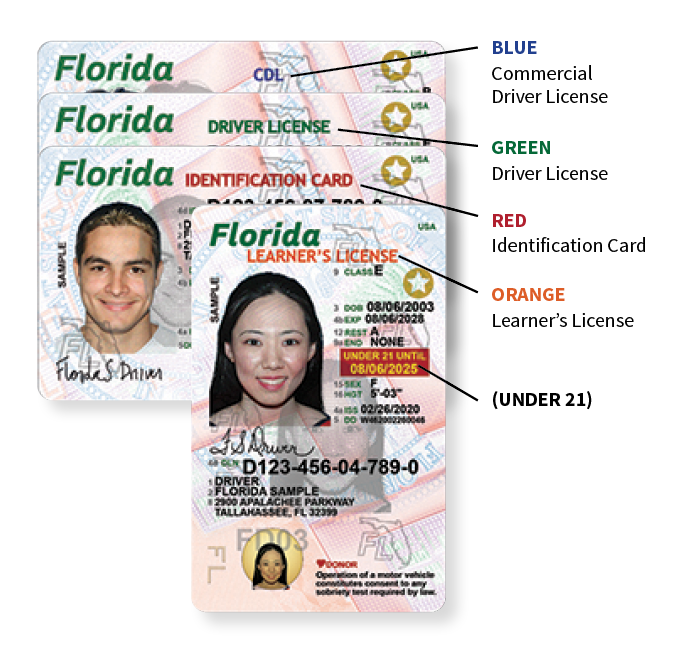
Understanding the Florida State ID: Your Gateway to the Sunshine State
More than just a piece of plastic, a Florida State ID card is a fundamental document that serves multiple purposes for residents and long-term visitors. Unlike a driver’s license, which allows you to operate a vehicle, a state ID is solely for identification. It’s particularly vital for individuals who do not drive, such as seniors, those with medical conditions, or young adults not yet ready for a driver’s license. For newcomers to the state, it’s often one of the first official documents obtained, solidifying their connection to Florida and unlocking various services.
The Florida State ID card, issued by the Department of Highway Safety and Motor Vehicles (DHSMV), is a federally compliant identification document, meaning it adheres to the REAL ID Act standards. This compliance is critical for domestic air travel within the United States and for accessing certain federal facilities. Without a REAL ID Act compliant identification, such as a passport, travelers may face difficulties boarding planes for domestic flights come the federal enforcement deadline. Therefore, for anyone residing or planning an extended stay in Florida, an ID card is an indispensable tool for confirming identity, age, and residency, making everything from checking into a hotel to opening a bank account significantly smoother.
Who Needs a Florida State ID?
While the immediate answer might seem obvious – non-drivers – the utility of a Florida State ID extends to several groups, particularly relevant for the diverse range of individuals drawn to Florida’s allure.
- New Residents: If you’ve just moved to Florida for a new job, retirement, or a change of scenery, securing a state ID is a priority. It’s often required for utility services, school enrollments, and other foundational aspects of setting up a new life.
- Long-Term Visitors/Snowbirds: For those who spend several months of the year enjoying Florida’s warm climate but maintain residency elsewhere, a Florida State ID can simplify local interactions. While not strictly required if you have another state’s ID, it can make transactions smoother and reduce the need to carry your passport for proof of age or identity.
- Individuals Without a Driver’s License: This includes teenagers, seniors who no longer drive, or anyone who simply chooses not to operate a vehicle. An ID card provides official proof of identity in everyday situations, from making purchases to verifying age.
- Travelers Needing Secondary ID: Even if you have a driver’s license from another state, a Florida State ID might be desired for specific purposes, especially if you’re establishing any form of temporary residency or needing an additional form of local identification.
The Cost Breakdown: How Much You’ll Pay for Your Florida State ID
One of the most common questions revolves around the financial aspect: “How much is a Florida State ID?” Thankfully, the cost is relatively low, making it an accessible document for most individuals. The fees are standardized across the state, whether you apply in bustling Miami, family-friendly Orlando, historic St. Augustine, or the capital city of Tallahassee.
As of the current DHSMV fee schedule, the standard cost for an original or renewal Florida State ID card is $25.00. This fee is consistent for all applicants, regardless of age or specific circumstances, assuming it’s a standard issuance.
Specific Fee Scenarios:
- Original ID Card: $25.00
- Renewal ID Card: $25.00 (ID cards are typically valid for eight years, similar to driver’s licenses, ensuring long-term use before needing to renew.)
- Replacement ID Card: If your card is lost, stolen, or damaged, the replacement fee is also $25.00. It’s important to report a lost or stolen ID promptly to the police and then apply for a replacement.
- Changes to ID Card: If you need to update information on your ID, such as a name change due to marriage or a change of address, you will typically need to pay a replacement fee of $25.00 to receive a new card with the updated information.
Acceptable Payment Methods
When you visit a DHSMV service center or a county tax collector’s office to apply for your Florida State ID, you’ll generally find a range of payment options. Most locations accept:
- Cash: Always a reliable option.
- Major Credit/Debit Cards: Visa, MasterCard, Discover, and American Express are usually accepted. Be aware that some locations might charge a small convenience fee for credit/debit card transactions.
- Checks/Money Orders: Personal checks are often accepted if drawn on a Florida bank, and money orders are widely accepted. It’s wise to confirm the specific policy of your chosen office beforehand.
Potential Hidden Costs and Considerations
While the direct fee is straightforward, it’s worth considering a few indirect costs or efforts that might be involved:
- Transportation: Getting to a DHSMV office might incur fuel costs or public transportation fares, especially if you live in a less urban area or in sprawling cities like Jacksonville or Tampa.
- Document Fees: If you don’t have all your required documents (e.g., birth certificate, marriage certificate, social security card), you might need to pay fees to obtain certified copies from the issuing agencies. Plan ahead to gather all necessary paperwork.
- Time Off Work: The application process, including potential wait times, might require taking time off work, which could represent an indirect cost for some.
Navigating the Application Process: A Traveler’s Guide to Obtaining Your Florida State ID
Obtaining a Florida State ID is a structured process designed to verify your identity and residency. While it might seem daunting, especially for new arrivals, understanding the steps and preparing in advance can make the experience quick and hassle-free. The key is to gather all the required documents before your visit.
Where to Apply
Applications for a Florida State ID must be completed in person at an official DHSMV service center or a county tax collector’s office that provides driver’s license and ID card services. These offices are located throughout Florida, from the bustling hubs of Orlando and Miami to smaller towns. You can easily find the nearest location by visiting the DHSMV website. It’s highly recommended to make an appointment online if available, as this can significantly reduce your wait time.
Required Documents: The Crucial Checklist
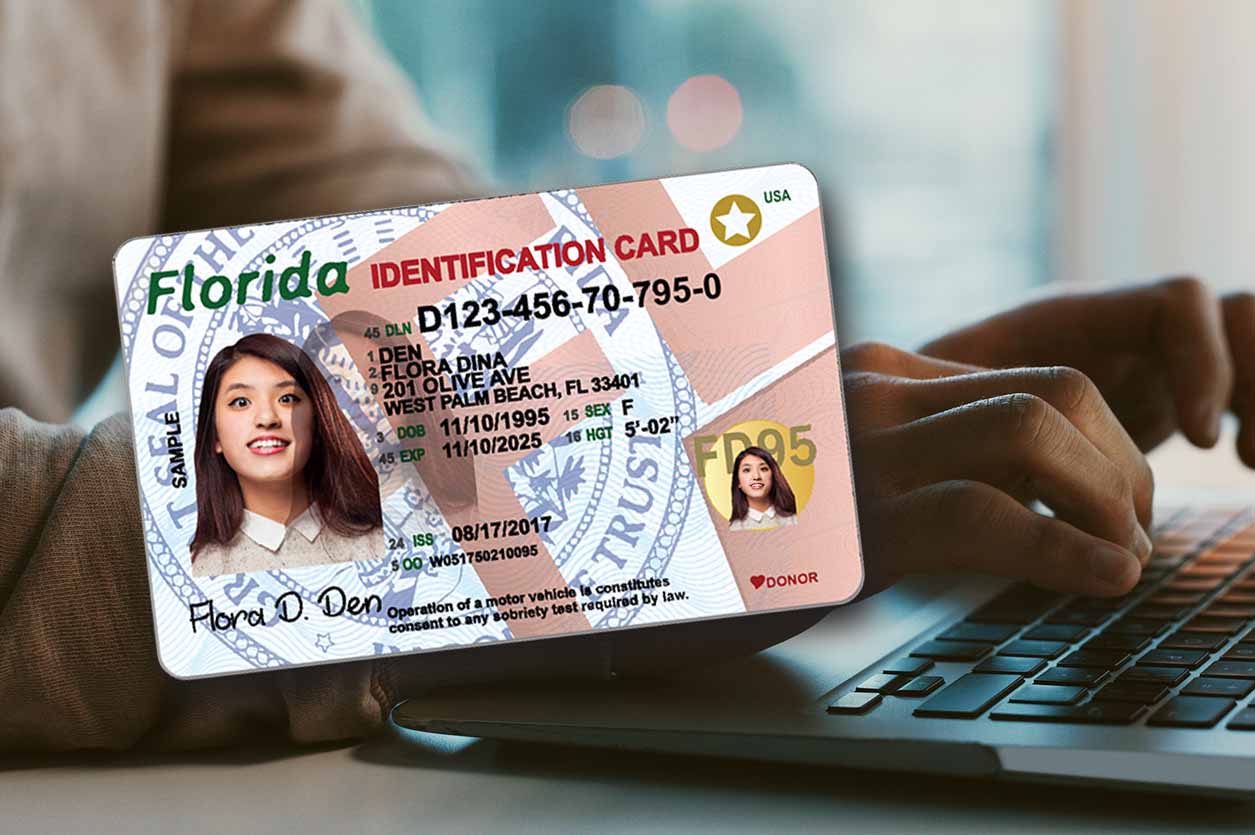
The most critical part of the application process is presenting the correct documentation. Because Florida IDs are REAL ID Act compliant, strict documentation rules apply. You will generally need to provide:
-
Proof of Identity: One document proving your full name and date of birth.
- Certified U.S. birth certificate (not a hospital certificate)
- Valid U.S. passport or passport card
- Certificate of Naturalization
- Consular Report of Birth Abroad
- Valid Alien Registration Receipt Card (Green Card)
-
Proof of Social Security Number:
- Your Social Security card
- W-2 form
- Pay stub with your SSN
- SSA-1099 form
- Any 1099 form (if it includes your full SSN)
- Note: Your Social Security number will be electronically verified. The physical card or document is typically needed for initial verification.
-
Proof of Residential Address (Two different documents): These documents must show your current physical address in Florida. P.O. boxes are not accepted for proof of residency.
- Utility bill (electric, water, gas, cable, landline phone bill)
- Florida voter registration card
- Florida vehicle registration or title
- Homeowner’s insurance policy or bill
- Lease agreement or mortgage statement
- Mail from a government agency (federal, state, county, city)
- Selected mail from financial institutions
- Professional license issued by a government agency
It’s essential that all documents are originals or certified copies. Photocopies are generally not accepted. If your name has changed from your birth certificate (e.g., due to marriage or divorce), you will also need to bring all legal documents (marriage certificates, divorce decrees) that show the chain of name changes.
Tips for a Smooth Application Process
- Schedule an Appointment: Check the DHSMV website for online appointment scheduling. This can save you hours of waiting.
- Double-Check Requirements: Visit the official DHSMV website before your visit to ensure you have the most up-to-date list of required documents. Requirements can occasionally change.
- Arrive Prepared: Have all your documents organized and ready. This helps the clerks process your application efficiently.
- Be Patient: Even with an appointment, there might be some waiting time. Bring something to read or do.
- Photos are Taken On-Site: You don’t need to bring passport photos; they will take your picture at the service center.
Florida State ID and Your Florida Experience: Practical Applications
Once you have your Florida State ID, you’ll discover its value extends far beyond mere identification. For travelers, new residents, and those embracing the Florida lifestyle, this card simplifies many aspects of daily life and leisure.
Using Your ID for Travel and Accommodation
- Domestic Air Travel: As a REAL ID Act compliant document, your Florida State ID will be accepted for domestic flights from airports like Tampa International Airport, Miami International Airport, and Orlando International Airport, eliminating the need to carry your passport.
- Hotel Check-ins: Whether you’re staying in a luxurious resort in South Beach, a charming boutique hotel in Key West, or a family-friendly suite near Walt Disney World Resort, a valid Florida State ID is standard for age and identity verification during check-in.
- Car Rentals: Renting a car to explore the scenic Florida Keys or cruise down the Gulf Coast will typically require a valid driver’s license. However, a Florida State ID can serve as a secondary form of identification or proof of residency if needed alongside your out-of-state driver’s license.
Accessing Attractions and Services
Florida is renowned for its diverse attractions, and your state ID will be your companion for many of them.
- Theme Parks: From the magical gates of Walt Disney World Resort and the thrilling rides at Universal Studios Florida and Busch Gardens Tampa Bay to the aquatic wonders of SeaWorld Orlando, an ID is often required for special resident discounts, age verification for certain attractions, or picking up pre-purchased tickets.
- Age-Restricted Purchases: Purchasing alcohol, tobacco, or entering age-restricted venues (e.g., bars, nightclubs) will always require a valid form of identification like your Florida State ID.
- Museums and Cultural Sites: Visiting historical sites in St. Augustine, exploring the natural beauty of Everglades National Park, or experiencing the wonders of the Kennedy Space Center Visitor Complex might involve resident discounts or simply require ID for entry or rentals (e.g., audio guides).
- Financial and Government Services: Opening a bank account, applying for local government services, or even obtaining a library card will typically require a state-issued ID as primary proof of identity and residency.
Long-term Stays and Residency Benefits
For those making Florida their permanent home, the Florida State ID is foundational to establishing residency and accessing various benefits. It helps in:
- Establishing Utilities: Setting up electricity, water, and internet services in your new home.
- Voting: Registering to vote in local and state elections.
- Proof of Residency: Often required for school enrollment, tax purposes, and other legal or administrative procedures.
Beyond the Cost: Ensuring Your Florida Adventure is Seamless
While understanding the cost is important, the true value of a Florida State ID lies in the convenience and security it offers. It acts as a reliable anchor for your identity within the state, easing countless interactions and ensuring you can fully embrace the Florida lifestyle without unnecessary hurdles.
Difference Between Florida State ID and Florida Driver’s License
It’s crucial to distinguish between a Florida State ID card and a Florida Driver’s License. Both are issued by the DHSMV and serve as official proof of identity, but only the driver’s license grants you the privilege to operate a motor vehicle. If you hold a valid driver’s license (from Florida or another state), you generally do not need a separate state ID card, as the driver’s license fulfills all identification requirements. The state ID is primarily for those who do not drive or choose not to carry a driver’s license. You can only possess one or the other, not both simultaneously.
International Visitors and ID Requirements
International travelers visiting Florida should primarily rely on their passport as their main form of identification. If you plan to drive, an International Driving Permit (IDP) in conjunction with your foreign driver’s license is recommended and often legally required. An IDP translates your existing license into multiple languages, making it understandable to local authorities. While a Florida State ID is not typically an option for short-term international tourists, those planning longer stays or establishing temporary residency might explore options if they meet the strict residency requirements.

Keeping Your ID Secure
Just like any important document, your Florida State ID should be kept safe. Avoid carrying it unnecessarily if you have other forms of ID, and report it immediately if lost or stolen. The digital age also offers ways to carry digital copies on your phone, though a physical card is almost always required for official purposes.
In conclusion, obtaining a Florida State ID is a straightforward and affordable process, costing a mere $25.00 for original issuance, renewal, or replacement. The value it brings in terms of simplified travel, access to attractions, and seamless integration into Florida life far outweighs this modest fee. By understanding the requirements, gathering your documents, and planning your visit to a DHSMV office, you can quickly secure this essential document and focus on enjoying all the incredible experiences Florida has to offer, from its sun-drenched beaches along the Atlantic Coast to its vibrant cultural scenes.
LifeOutOfTheBox is a participant in the Amazon Services LLC Associates Program, an affiliate advertising program designed to provide a means for sites to earn advertising fees by advertising and linking to Amazon.com. Amazon, the Amazon logo, AmazonSupply, and the AmazonSupply logo are trademarks of Amazon.com, Inc. or its affiliates. As an Amazon Associate we earn affiliate commissions from qualifying purchases.