
For many travelers planning a getaway to the United States most tropical archipelago, the allure of sun-drenched beaches and lush volcanic landscapes often takes center stage. However, for those embracing the lifestyle of budget travel or independent exploration, the logistical realities of navigating Hawaii can lead to a significant question: how much is a gallon of gas? While the price at the pump fluctuates based on global markets, the cost of fuel in the islands is consistently among the highest in the nation. Understanding these costs is not merely a matter of curiosity; it is a vital component of financial planning for any visitor intending to rent a vehicle and traverse the scenic routes of the Aloha State.
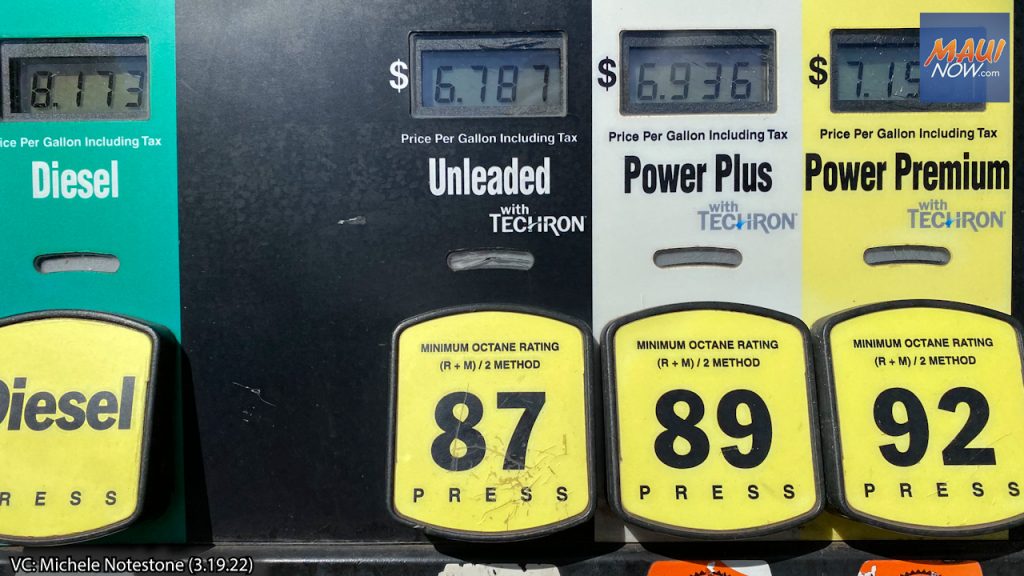
The High Cost of Paradise: Why Fuel Prices Peak in Hawaii
The lifestyle of a traveler in Hawaii often involves significant driving, whether it is exploring the remote corners of the North Shore on Oahu or making the long trek to Hawaii Volcanoes National Park on the Big Island. To manage a budget effectively, one must first understand why gas prices here rarely align with the national average found on the mainland.
Geographical Isolation and Logistics
The primary driver of high gas prices in the islands is the simple reality of geography. Hawaii is the most isolated population center on Earth. Unlike the contiguous states, where fuel can be transported via a vast network of pipelines and interstate trucking, every drop of oil or refined gasoline must reach the islands via tanker ships. This maritime logistics chain adds a layer of expense that is unavoidable. Even though Oahu hosts the Par Hawaii refinery in Kapolei, the raw crude oil must still be imported, often from international sources or the West Coast.
The Influence of State Taxes and Environmental Regulations
Hawaii also maintains some of the highest state taxes on fuel in the country. These taxes are utilized to fund the maintenance of unique island infrastructure, which is often subjected to harsh salt air and volcanic conditions. Furthermore, the state has aggressive environmental goals, aiming for a carbon-neutral economy. These policies, while beneficial for the long-term preservation of landmarks like Diamond Head and Hanauma Bay, contribute to a higher baseline cost for fossil fuels. For the lifestyle traveler, this means that “budgeting” requires a more nuanced approach than it might in a state like Texas or Florida.
Navigating Gas Prices Across the Islands
One of the most surprising aspects of Hawaiian gas prices is the variation between the islands. A gallon of gas in Honolulu can be significantly cheaper than a gallon in a remote village on Maui or Kauai. For travelers moving between islands, this discrepancy can impact which activities are most cost-effective.
Oahu: The Urban Hub Advantage
On Oahu, the presence of the refinery and a higher density of gas stations leads to the most competitive pricing in the state. If you are staying in Waikiki and planning a trip to Pearl Harbor, you will find that prices near the airport or in the industrial areas of Kalihi are relatively lower. Many savvy travelers utilize membership warehouses like Costco located in Iwilei or Hawaii Kai to secure the lowest possible rates before heading out to surf spots like Waimea Bay.
The Neighbor Islands: Maui, Kauai, and the Big Island
Once you leave the urban center of Honolulu, prices tend to climb. On Maui, fuel must be barged from Oahu to Kahului Harbor. If you are driving the Road to Hana, it is essential to fill up in Kahului or Paia, as the few stations in Hana itself command a premium price due to their extreme isolation.
Similarly, on Kauai, gas prices in Lihue are generally more manageable than those found in the resort areas of Poipu or the northern reaches of Hanalei. On the Big Island, the sheer size of the island means you might find yourself far from a station. Prices in Hilo and Kailua-Kona are competitive, but in the rural regions of Ka’u or along the Hamakua Coast, the lack of competition and high transport costs result in higher prices at the pump.

Strategic Planning for the Budget-Savvy Traveler
Embracing a lifestyle of smart travel in Hawaii means adopting strategies to mitigate the impact of fuel costs. While you cannot change the market rate, you can change how and where you spend your money.
Leveraging Memberships and Rewards
If you are a member of national chains like Costco or Sam’s Club, these are often your best bet for saving money. In Hawaii, the lines at these stations are long for a reason—they frequently offer gas at 20 to 50 cents less per gallon than standard retail stations like Shell, Texaco, or 76. Additionally, local grocery stores like Safeway or Foodland offer reward programs where grocery purchases can be translated into significant discounts at participating gas stations like Hele.
Choosing the Right Rental Vehicle
In the context of lifestyle travel, the choice of vehicle is a major factor in fuel consumption. While a Jeep Wrangler is a popular choice for the “island vibe,” it is far from fuel-efficient. Budget-conscious travelers should consider compact cars or, increasingly, electric vehicles (EVs). Hawaii has been expanding its EV charging infrastructure, particularly at major shopping centers like Ala Moana Center and near Whalers Village on Maui. Many hotels and resorts also offer complimentary charging for guests, which can effectively reduce your fuel budget to zero.
Route Optimization and Driving Habits
Driving in Hawaii is different from driving on a mainland highway. The speed limits are generally lower, and the terrain can be mountainous. On the Big Island, a drive from Kona to Mauna Kea involves a steep ascent that will drain a gas tank quickly. By planning your routes to avoid unnecessary backtracking and maintaining a steady, moderate speed, you can maximize your miles per gallon. Furthermore, avoid the temptation to leave the air conditioning running while parked at scenic lookouts like Nu’uanu Pali Lookout—the island breeze is often sufficient and much more economical.
Beyond the Pump: The Impact of Fuel Costs on Your Hawaiian Vacation
While the focus is often on the direct cost of a gallon of gas, these prices have a ripple effect across the entire Hawaiian lifestyle and tourism industry. When gas prices rise, the cost of nearly every activity and service follows suit.
The Cost of Guided Tours and Activities
Many of the most popular experiences in Hawaii are fuel-intensive. Boat tours of the Na Pali Coast, helicopter flights over Waimea Canyon, and even guided bus tours to Kualoa Ranch are all subject to fuel surcharges when prices at the pump spike. For the lifestyle traveler, it is worth comparing the cost of a rental car and gas against the price of these all-inclusive tours. Sometimes, the independence of a personal vehicle is worth the fuel cost; other times, a shuttle service from a central location like Waikiki is the more prudent financial choice.
Food and Goods Transportation
High gas prices also affect the cost of dining. Since most food in Hawaii is imported and then trucked to restaurants and stores, transportation costs are built into every menu price. Whether you are grabbing a plate lunch in Kapahulu or dining at a high-end resort in Wailea, the logistics of fuel play a silent but significant role in the final bill. This is why many budget-savvy travelers opt for local farmers’ markets or “farm-to-table” options that require less transportation.
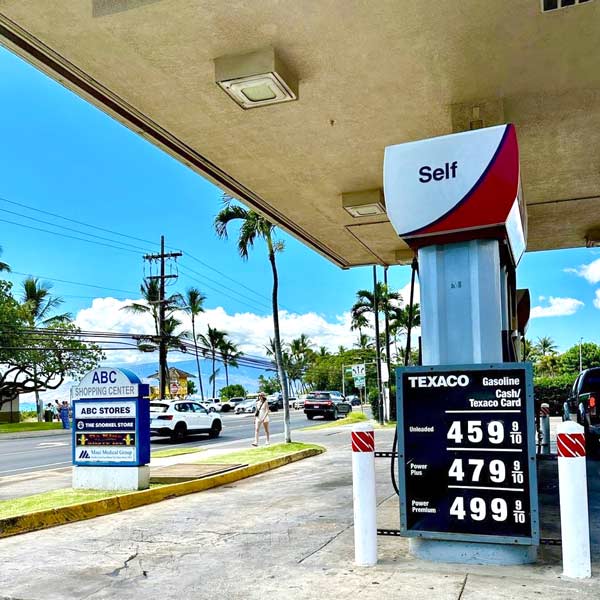
Choosing Alternative Transportation
For those who want to avoid the gas pump entirely, Oahu offers a robust public transportation system known as TheBus. It is one of the most highly rated systems in the United States and can take you from the Arizona Memorial all the way to the Polynesian Cultural Center. Furthermore, the Skyline rail system provides a modern alternative for traversing the western side of the island. On the neighbor islands, while public transit is more limited, many resort areas are highly walkable or offer bicycle rentals, allowing you to immerse yourself in the local environment without the burden of rising gas prices.
In conclusion, while the price of a gallon of gas in Hawaii will likely always be higher than the national average, it does not have to be a deterrent for those seeking an authentic island experience. By understanding the logistics of the Pacific, planning routes carefully across islands like Oahu and Maui, and utilizing local rewards programs, you can navigate the Aloha State with both freedom and financial wisdom. The lifestyle of travel is about balance—balancing the desire to see every corner of Kauai with the practicalities of a budget. With a bit of foresight, the cost of the journey will be a small price to pay for the memories made in paradise.
LifeOutOfTheBox is a participant in the Amazon Services LLC Associates Program, an affiliate advertising program designed to provide a means for sites to earn advertising fees by advertising and linking to Amazon.com. Amazon, the Amazon logo, AmazonSupply, and the AmazonSupply logo are trademarks of Amazon.com, Inc. or its affiliates. As an Amazon Associate we earn affiliate commissions from qualifying purchases.