
Planning a trip to the Big Apple can be an exhilarating prospect, filled with iconic sights, world-class dining, and a vibrant, never-sleeping energy. However, before you can immerse yourself in the magic of New York City, the practicalities of accommodation must be addressed. A key question on every traveler’s mind is: “How much is a hotel in New York City?” The answer, much like the city itself, is complex and multifaceted, with a wide spectrum of prices dictated by a multitude of factors. From the luxurious suites overlooking Central Park to cozy boutique rooms in the heart of Greenwich Village, New York City offers an accommodation for every budget and preference. This article will delve into the various elements that influence hotel pricing in this iconic metropolis, providing you with the insights needed to budget effectively for your unforgettable New York adventure.
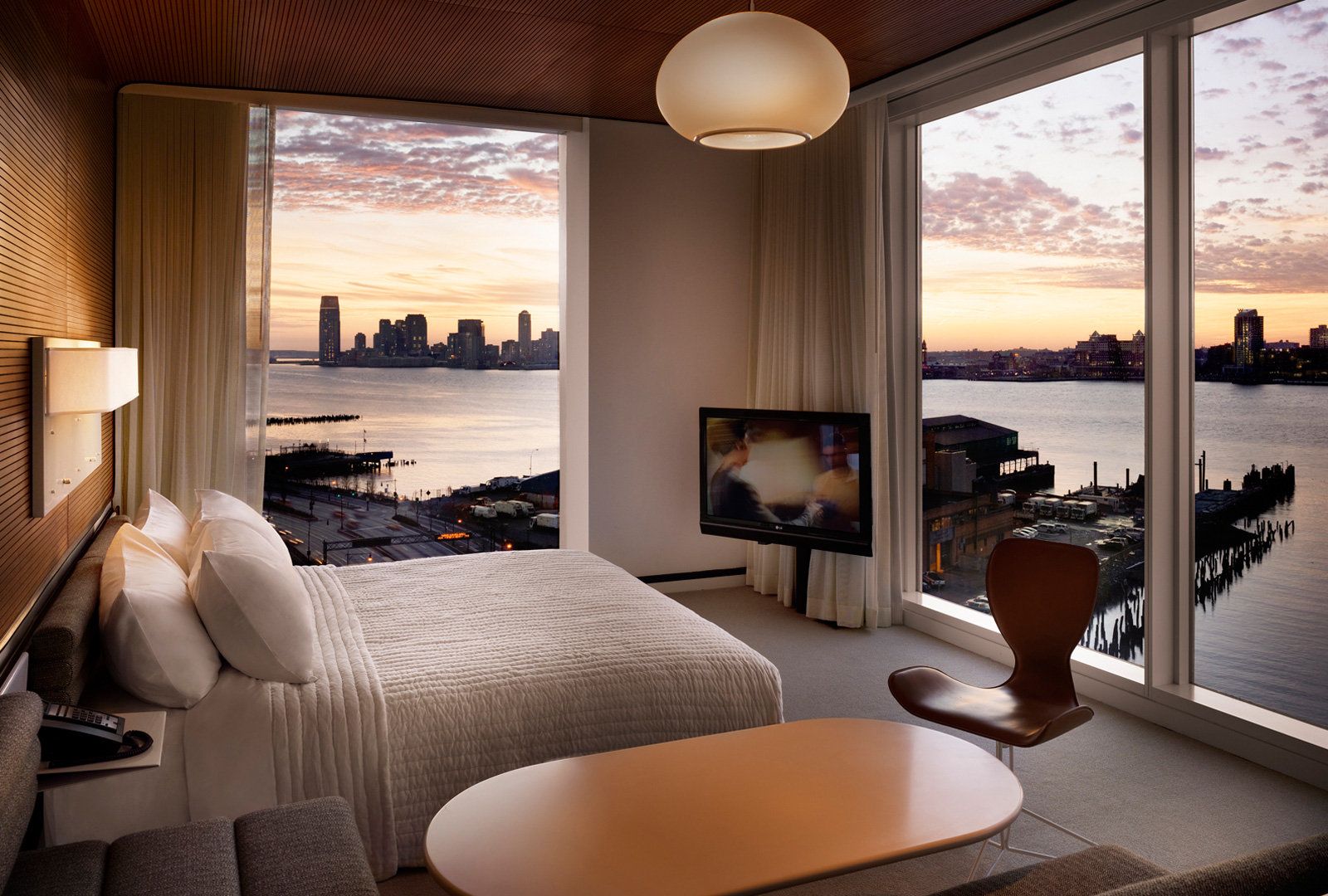
Understanding the cost of a hotel in New York City requires looking beyond a simple dollar amount. It’s about recognizing the variables that contribute to that final price tag. These include the time of year you visit, the specific neighborhood you choose to stay in, the star rating and amenities of the hotel, and how far in advance you book. Whether you’re seeking a lavish stay at a five-star establishment like the The Plaza Hotel or a more budget-friendly option, the city caters to all.
Factors Influencing Hotel Prices in New York City
The price of a hotel room in New York City is not a static figure. It fluctuates significantly based on several key determinants. Understanding these will empower you to make informed booking decisions and potentially save money.
Seasonality and Demand
Perhaps the most significant driver of hotel prices in New York City is the time of year. Like many major tourist destinations, New York experiences peak seasons, shoulder seasons, and off-peak seasons, each with its corresponding pricing.
- Peak Season: This typically spans the summer months (June, July, August) and the holiday season (late November through December). During these periods, New York City attracts the largest influx of tourists, eager to enjoy warm weather, outdoor events, and the festive atmosphere of the holidays. Hotel occupancy rates soar, and with demand at its highest, prices follow suit. Expect to pay a premium for rooms during these months. Special events, such as major conferences, fashion weeks, or sporting events, can also artificially inflate prices even outside of the traditional peak seasons.
- Shoulder Season: The spring (April, May) and fall (September, October) months are often considered shoulder seasons in New York City. The weather is generally pleasant, and many of the city’s attractions are still in full swing. While slightly less crowded than the peak summer months, these periods still see high demand, leading to moderately higher hotel rates than in the off-peak season. However, you might find a better balance of good weather and slightly more manageable prices.
- Off-Peak Season: The winter months, excluding the holiday period (January, February, early March), generally represent the off-peak season. The weather can be cold, and outdoor activities might be limited. Consequently, hotel occupancy tends to be lower, and prices are at their most competitive. This can be an excellent time for budget-conscious travelers to experience New York City at a fraction of the cost. However, be prepared for colder temperatures and fewer daylight hours.
Neighborhood Selection
The borough and specific neighborhood within New York City where you choose to stay will also profoundly impact hotel prices. Each area offers a distinct experience and comes with its own price bracket.
- Manhattan: This is the most sought-after and consequently the most expensive borough for accommodation. Prime locations such as Times Square, Midtown, SoHo, and the Upper East Side are home to a concentration of luxury hotels and are in close proximity to major attractions like Broadway theaters, Rockefeller Center, and the Metropolitan Museum of Art. Expect to pay the highest rates for hotels in these desirable Manhattan districts. Even in less central Manhattan neighborhoods, prices tend to remain higher compared to other boroughs.
- Brooklyn: Once considered a more affordable alternative to Manhattan, Brooklyn has seen a significant surge in hotel development and popularity, especially in areas like Williamsburg and DUMBO. While still potentially offering better value than prime Manhattan locations, prices in these trendy Brooklyn neighborhoods can now rival those in some parts of Manhattan, particularly for boutique hotels and those with waterfront views. Other parts of Brooklyn might still offer more budget-friendly options.
- Queens: Queens offers a more diverse range of accommodation options and price points. Neighborhoods like Long Island City have become increasingly popular with tourists due to their convenient access to Manhattan via public transportation and a growing number of modern hotels, often at more reasonable prices than in Manhattan. Areas further out in Queens might provide even more economical choices, though travel time to major Manhattan attractions will be longer.
- The Bronx and Staten Island: These boroughs generally offer the most affordable hotel rates in New York City. However, they are less frequented by typical tourists due to their distance from many of the iconic landmarks and attractions that draw visitors to Manhattan and parts of Brooklyn. Accommodation here might be more suitable for business travelers or those looking for a more local experience, with less focus on proximity to major tourist sites.
Hotel Type, Star Rating, and Amenities
The inherent nature of the hotel itself plays a crucial role in its pricing. Luxury hotels with extensive amenities will naturally command higher prices than budget-friendly establishments.
- Luxury Hotels: These establishments, often boasting five-star ratings, offer opulent rooms, exceptional service, and a plethora of amenities such as fine dining restaurants, spas, fitness centers, rooftop bars, and personalized concierge services. Hotels like the The St. Regis New York or the Mandarin Oriental, New York epitomize this category, with prices reflecting the high level of comfort and exclusivity provided.
- Mid-Range Hotels: These hotels typically fall into the three- to four-star category. They offer comfortable rooms and a good range of amenities, such as on-site restaurants, gyms, and free Wi-Fi. They strike a balance between affordability and comfort, making them a popular choice for many travelers. Examples include brands like Hyatt Centric or Kimpton Hotels.
- Budget Hotels and Hostels: For travelers on a tighter budget, New York City offers a range of budget-friendly hotels, hostels, and even some limited apartment rentals. These accommodations may have fewer amenities, smaller rooms, or shared facilities (in the case of hostels), but they provide a clean and safe place to stay at a significantly lower cost. Look for options in the outer boroughs or less central Manhattan neighborhoods.
- Boutique Hotels: These smaller, often independently owned hotels offer a unique and personalized experience. They are known for their distinctive design, intimate atmosphere, and often excellent service. Prices can vary widely, from moderate to luxurious, depending on the location and the level of luxury offered.
- Amenities: Beyond the star rating, specific amenities can also drive up the price. Rooms with views of landmarks like the Empire State Building or Central Park, suites with separate living areas, or rooms with access to exclusive club lounges will invariably cost more. In-room features like premium linens, high-end toiletries, and advanced technology also contribute to the price.
Booking Timing and Flexibility
When and how you book your hotel can have a dramatic impact on the final price.
- Advance Booking: Generally, booking your hotel well in advance, especially if you’re traveling during peak season, is advisable. Early bird discounts and a wider selection of rooms are often available. Waiting until the last minute can mean fewer options and inflated prices, as hotels capitalize on residual demand.
- Last-Minute Deals: Conversely, sometimes hotels, particularly those with lower occupancy rates, might offer last-minute discounts to fill rooms. However, this is a gamble, and relying on this strategy for a trip to New York City during a busy period is risky.
- Flexibility: Being flexible with your travel dates can unlock significant savings. If your schedule allows, consider traveling mid-week rather than on weekends, as weekend nights are often more expensive. Similarly, adjusting your travel dates by a few days to avoid a major event or holiday can lead to considerable savings.
Average Hotel Costs in New York City
Given the myriad of influencing factors, providing a single, definitive average cost for a hotel in New York City is challenging. However, we can offer general price ranges to help you set expectations.
Budget-Friendly Stays
For travelers prioritizing cost-effectiveness, expect to find:
- Hostels: Dormitory beds can range from $50 to $100 per night. Private rooms in hostels might cost between $100 and $200 per night.
- Budget Hotels (1-2 Stars): Rooms in basic, no-frills hotels, often located in outer boroughs or further from prime Manhattan attractions, can range from $120 to $200 per night. These might be found in areas of Queens or parts of Brooklyn away from the trendiest spots.

Mid-Range Options
For a comfortable and well-appointed stay:
- Mid-Range Hotels (3-4 Stars): In this category, prices typically fall between $200 and $400 per night. This is where you’ll find many reliable chains and independent hotels offering good amenities and convenient locations, perhaps in areas like Murray Hill or parts of Chelsea.
Upscale and Luxury Experiences
For those seeking comfort, service, and prime locations:
- Upscale Hotels (4-5 Stars): Expect to pay anywhere from $400 to $800 per night for a quality hotel with excellent amenities in a good location.
- Luxury Hotels (5 Stars and above): For the ultimate indulgence at renowned establishments like the The Peninsula New York or suites at hotels in prime Manhattan districts, prices can easily start at $800 and go upwards of $1500-$2000 per night, especially for premium rooms and suites.
It’s crucial to remember that these are approximate figures and can fluctuate based on the specific factors discussed earlier. Always check current prices for your intended travel dates and preferred location.
Maximizing Your Accommodation Budget in New York City
While New York City can be an expensive destination, there are strategies to manage your hotel expenses without sacrificing the quality of your experience.
Leveraging Booking Platforms and Comparison Sites
Utilize online travel agencies (OTAs) and hotel comparison websites like Booking.com, Expedia, Hotels.com, and Kayak. These platforms allow you to compare prices across multiple hotels and dates, often providing user reviews and detailed information about amenities and locations. Many also offer loyalty programs or last-minute deals.
Considering Alternative Accommodation Types
Beyond traditional hotels, New York City offers other lodging options:
- Apartment Rentals: Services like Airbnb can be a great option, especially for longer stays or for families and groups. You can often find apartments in residential neighborhoods, offering a more local feel and the convenience of a kitchen, which can help save on dining costs. Prices vary greatly depending on size, location, and duration of stay.
- Extended Stay Hotels: If you plan to stay for an extended period, look into extended-stay hotels. These often provide kitchenettes and more space, and nightly rates can decrease with longer bookings.
Strategic Location Choices
As discussed, location is key. If staying in prime Manhattan is beyond your budget, consider hotels in adjacent neighborhoods or in Brooklyn or Queens that offer easy subway access to the attractions you wish to visit. Neighborhoods like Long Island City in Queens or parts of Downtown Brooklyn can provide a good balance of affordability and convenience.
Taking Advantage of Deals and Packages
Keep an eye out for special hotel deals, packages, and promotions. Many hotels offer discounts for booking directly, for AAA members, seniors, or for booking multiple nights. Look for packages that include breakfast or other amenities, as these can offer added value.
Off-Season Travel
If your schedule permits, traveling during the off-peak seasons (January to March, excluding holidays) can lead to significant savings on hotel rooms. While the weather may be colder, New York City still offers a wealth of indoor attractions, museums, and cultural experiences.

Conclusion
The question of “How much is a hotel in New York City?” is not one with a simple numerical answer. It’s a dynamic figure influenced by the season, the neighborhood, the hotel’s offerings, and your booking strategy. By understanding these variables, travelers can navigate the New York City accommodation landscape with confidence. Whether you dream of waking up to views of the Statue of Liberty or prefer a cozy nook in a vibrant downtown district, there’s a hotel to suit every desire and budget. Careful planning, flexibility, and a bit of research will help you find the perfect place to rest your head in the city that never sleeps, ensuring your New York adventure is as comfortable and memorable as possible.
LifeOutOfTheBox is a participant in the Amazon Services LLC Associates Program, an affiliate advertising program designed to provide a means for sites to earn advertising fees by advertising and linking to Amazon.com. Amazon, the Amazon logo, AmazonSupply, and the AmazonSupply logo are trademarks of Amazon.com, Inc. or its affiliates. As an Amazon Associate we earn affiliate commissions from qualifying purchases.