
Navigating the lodging landscape in Paris is often the most significant logistical challenge for travelers planning a trip to France. As one of the most visited cities in Europe, the capital offers a dizzying array of options, from historic palaces to tiny budget boutiques. Understanding the costs associated with these accommodations requires more than a simple price check; it demands an insight into the city’s geography, seasonality, and the specific amenities that define the Parisian hospitality industry. Whether you are looking for a view of the Eiffel Tower or a quiet corner in the Latin Quarter, this guide breaks down exactly what you can expect to pay and how to get the most value for your stay.
Understanding Paris Hotel Categories and Price Ranges
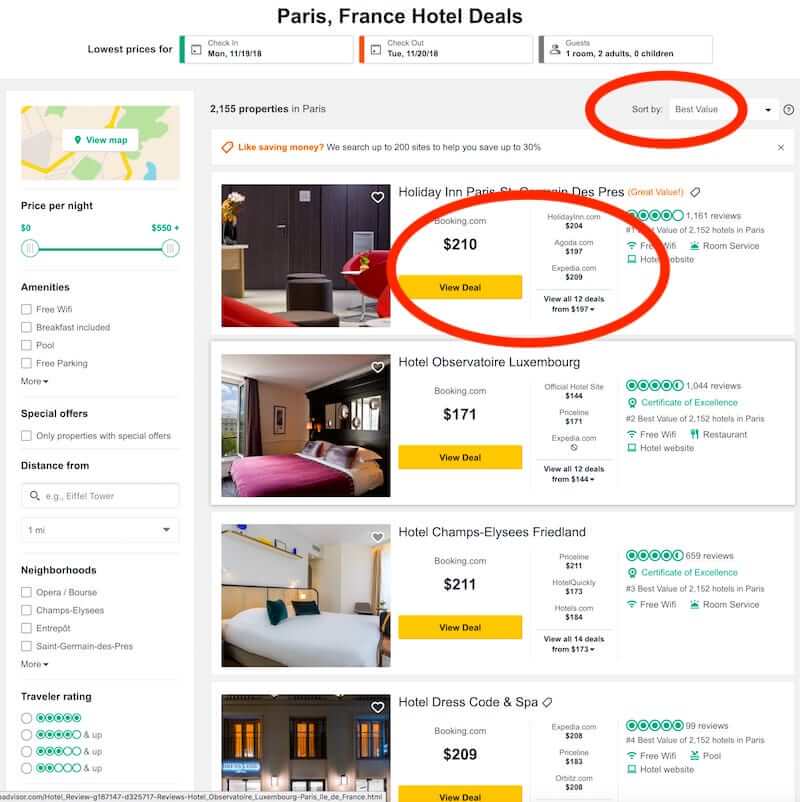
The price of a hotel in Paris is primarily dictated by its classification and the level of service it provides. Unlike many other global cities, the French capital has a specific “Palace” distinction for hotels that go beyond the five-star rating, which naturally skews the high-end average.
Luxury and Palace Hotels
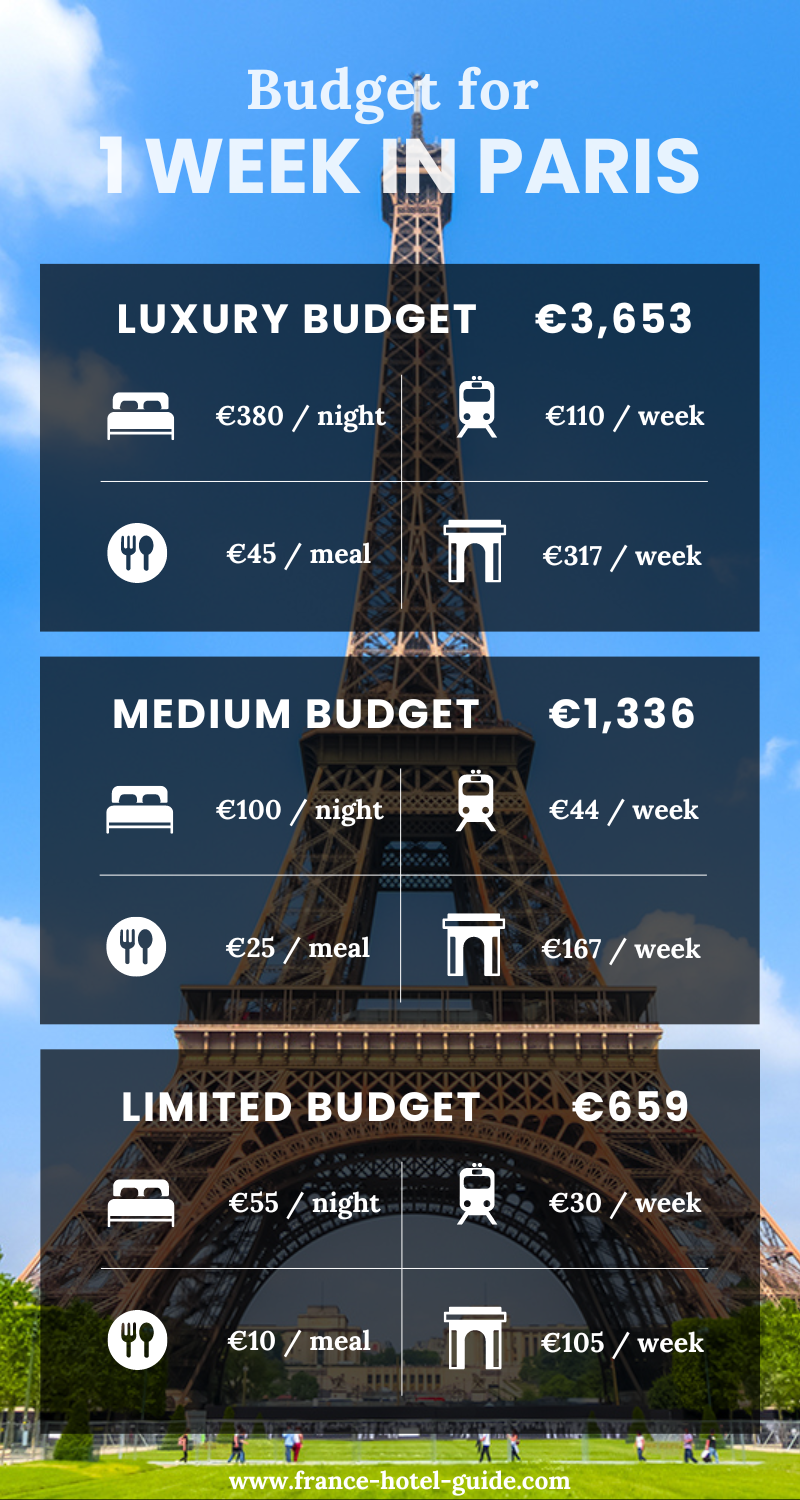
For those seeking the pinnacle of French elegance, the luxury sector in Paris is unparalleled. A night at a legendary establishment like the Ritz Paris or the Four Seasons Hotel George V can easily exceed €1,500 to €2,500 per night for a standard room. These hotels, including the Hotel de Crillon and the Le Meurice, offer more than just a bed; they provide a historical experience, world-class spas, and Michelin-starred dining. If your budget allows for this tier, you are paying for heritage, proximity to the Champs-Elysees, and an level of service that is rarely matched elsewhere.
Mid-Range Boutique Hotels
The “sweet spot” for many travelers lies in the three-star and four-star boutique categories. These hotels typically range from €200 to €500 per night. In areas like Saint-Germain-des-Pres or Le Marais, these establishments offer stylish decor and a central location. A popular choice in this category is the Pullman Paris Tour Eiffel, which provides modern comforts and spectacular views. In these hotels, rooms are notoriously small by North American standards, but they are often impeccably designed to maximize space and comfort.
Budget and Economy Stays
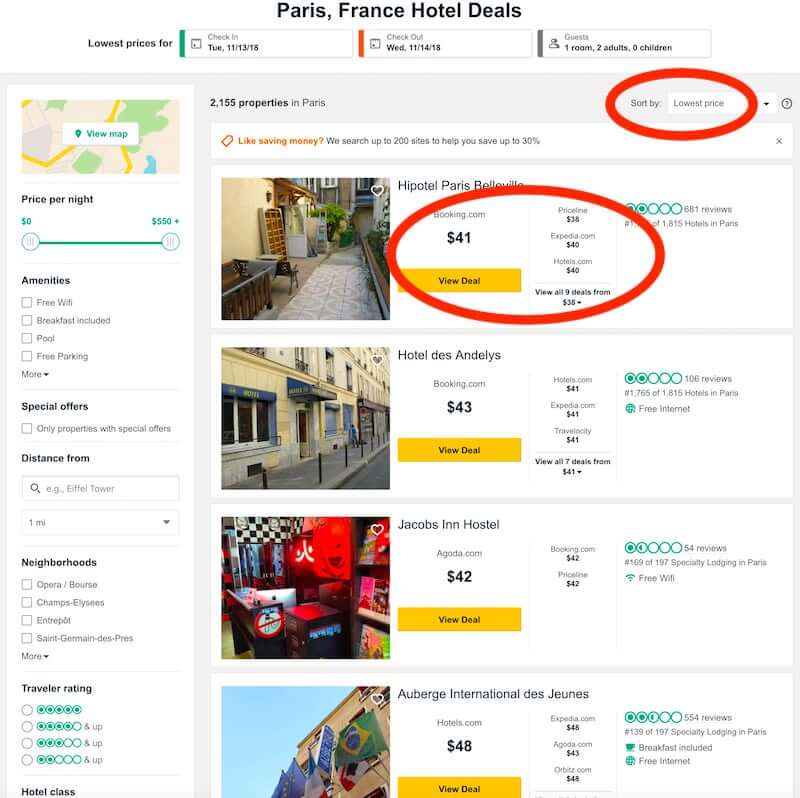
Budget-conscious travelers can still find quality accommodation if they are willing to look slightly outside the immediate city center or stay in smaller, family-run hotels. Prices for budget hotels like the Ibis Paris or independent two-star hotels usually fall between €100 and €180 per night. While you may sacrifice a view of the Louvre Museum, you will find clean, functional spaces that serve as a perfect base for exploration. Areas like the Canal Saint-Martin or the outer edges of Montmartre offer the best value for this price bracket.
Factors Influencing Accommodation Pricing in the City of Light
Several variables can cause hotel prices to fluctuate wildly within a single week. Understanding these factors is key to predicting how much you will actually pay when you hit the “book” button.
Seasonality and Peak Travel Periods
Paris does not have a true “off-season,” but there are definitely periods where demand drives prices to their peak. The highest rates are typically seen in late spring (May and June) and early autumn (September and October). Additionally, the weeks surrounding Christmas and New Year see a significant price surge. Conversely, the deepest discounts are often found in January and February, when the weather is chilly and the post-holiday lull sets in.
Major events also play a role. If your visit coincides with Paris Fashion Week or major international conventions at the Palais des Congres, expect even the most basic rooms to double in price. It is always wise to check the local events calendar before finalizing your dates.
Neighborhood Dynamics and Arrondissement Variations
In Paris, location is everything. The city is divided into 20 arrondissements (districts), and the price per night is often a direct reflection of the district number. The 1st through 8th arrondissements are the most central and house landmarks like the Tuileries Garden and the Place de la Concorde. Consequently, hotels here command a premium.
As you move toward the double-digit arrondissements, prices generally drop. For instance, staying in the 11th or 12th arrondissement near the Place de la Bastille can save you 30% compared to a stay near the Notre-Dame Cathedral. These outer neighborhoods often provide a more authentic local experience while still being easily accessible via the extensive Metro system.
Strategic Booking Tips to Maximize Your Budget
Securing the best price for a Parisian hotel requires a mix of timing, technology, and old-fashioned direct communication.
Timing Your Reservation
The general rule for Paris is to book as early as possible. Most hotels open their booking windows 6 to 12 months in advance, and the “Early Bird” rates are frequently the most competitive. However, if you are traveling during a shoulder season, you might find “Last Minute” deals on mobile apps roughly 48 to 72 hours before arrival, as hotels look to fill remaining inventory. This is a risky strategy for first-time visitors but can yield significant savings for the flexible traveler.
Platforms and Direct Booking Benefits
While third-party booking sites are excellent for comparison, it is often beneficial to visit the hotel’s official website or contact them directly. Many Parisian hotels, such as the Hotel Lutetia or smaller boutiques, offer “Direct Booking” perks. These might include free breakfast, a complimentary room upgrade, or a bottle of wine upon arrival. Furthermore, if you find a lower price on a comparison site, many hotels will match it and throw in an extra incentive to keep the booking direct.
Another tip is to check for “Non-Refundable” vs. “Flexible” rates. If your travel plans are set in stone, opting for a non-refundable rate can typically save you 10-15% per night. However, given the unpredictability of international travel, always weigh this saving against the cost of travel insurance.
Comparing Alternatives: Short-Term Rentals vs. Traditional Hotels
For many travelers, the question isn’t just “how much is a hotel,” but rather “is a hotel the best value?” Paris has a robust market for short-term apartment rentals, which can offer a different pricing structure.
The Cost of Space and Kitchen Access
An apartment in a residential area like the Marais might cost the same as a mid-range hotel room, but it often provides more square footage and a kitchen. For families or long-term stays (over 5 nights), this can significantly reduce the overall cost of the trip by allowing you to prepare some meals at home using fresh ingredients from a local Boulangerie or market.
However, be aware of the “hidden costs” of rentals. Cleaning fees, service fees, and the local tourist tax (Taxe de Séjour) can add €100 to €200 to the total bill. Hotels, conversely, usually include cleaning in the daily rate and offer services like 24-hour reception and luggage storage that apartments lack.
The “Long-Stay” Advantage
If you are planning to stay in Paris for two weeks or more, many hotels and serviced apartments offer significant discounts. These “extended stay” rates are rarely advertised on major booking portals and usually require a direct inquiry. For those working remotely or visiting for an extended holiday, this can bring the nightly cost down to a level comparable with local long-term leases, without the bureaucratic hurdles of a French rental contract.
Making the Final Decision
When calculating “how much is a hotel in Paris,” you must look beyond the base rate. Consider the value of your time—staying far out in the suburbs might save you €50 a night, but if you spend two hours and €15 on transport daily to see the Sacre-Coeur or the Arc de Triomphe, the savings quickly evaporate.
The average traveler should budget approximately €250 per night for a comfortable, well-located, and clean hotel experience. By understanding the nuances of the city’s arrondissements and booking strategically, you can find a stay that fits your financial plan without sacrificing the magic of being in one of the world’s most beautiful cities. From the grand halls of the Opera Garnier to the quiet streets of the Quartier Latin, there is an accommodation option for every budget—it simply requires a bit of Parisian savoir-faire to find it.
LifeOutOfTheBox is a participant in the Amazon Services LLC Associates Program, an affiliate advertising program designed to provide a means for sites to earn advertising fees by advertising and linking to Amazon.com. Amazon, the Amazon logo, AmazonSupply, and the AmazonSupply logo are trademarks of Amazon.com, Inc. or its affiliates. As an Amazon Associate we earn affiliate commissions from qualifying purchases.