
Navigating the hospitality landscape in Thailand offers a unique paradox: it is a destination where a traveler can find a clean, comfortable bed for the price of a fast-food meal, or spend thousands of dollars per night for a private palace suspended over the Andaman Sea. For those planning a visit to the Land of Smiles, understanding the cost of a hotel requires looking beyond mere numbers. It involves evaluating the tiers of service, the variety of amenities, and the regional factors that influence nightly rates. Whether you are seeking a high-rise executive suite in Bangkok or a secluded pool villa in Koh Samui, the Thai hotel market is one of the most diverse and value-driven in the world.
Categorizing the Tiers: From Budget Boutique to Ultra-Luxury
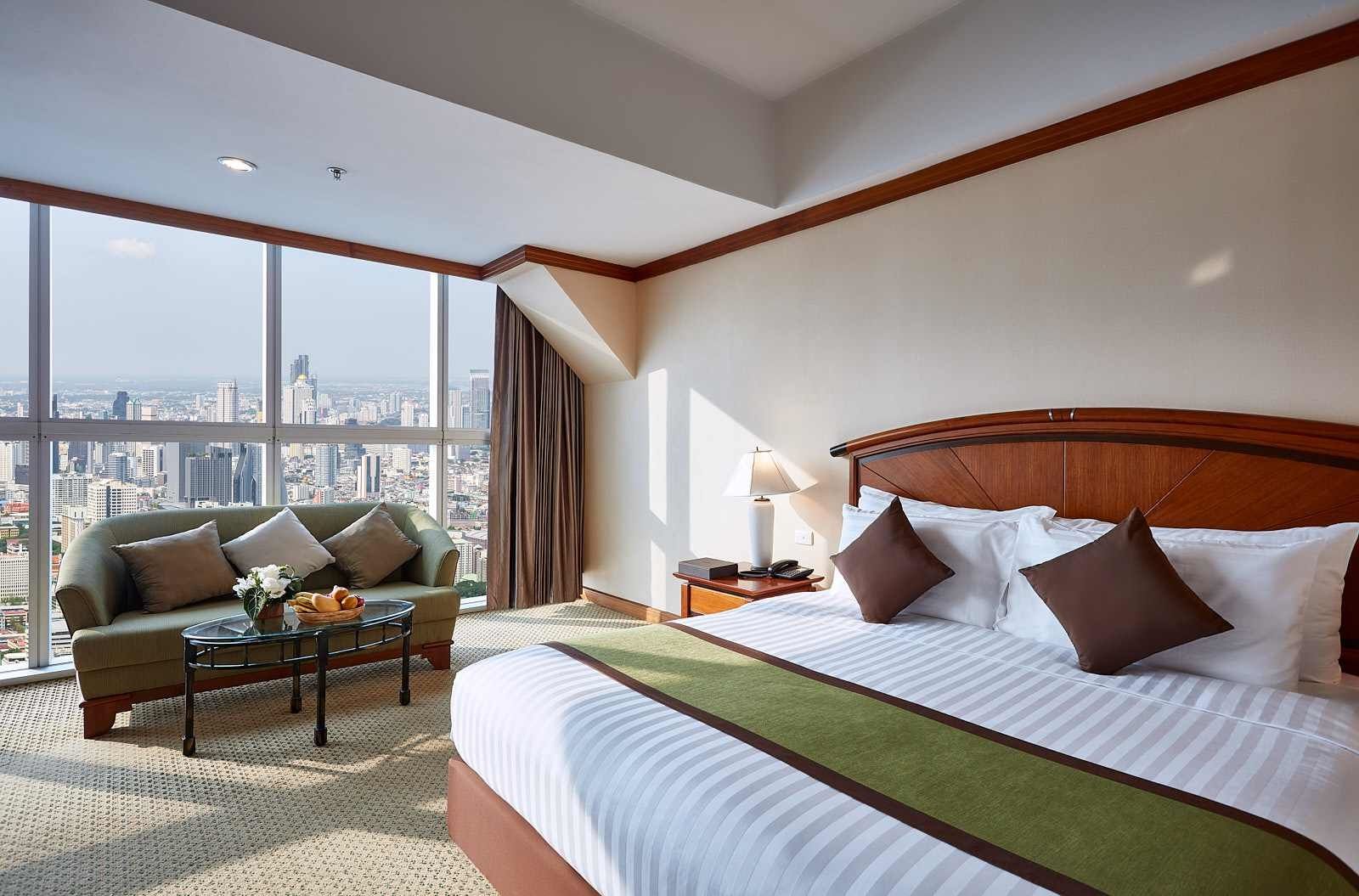
The cost of a hotel in Thailand is largely determined by the “star” system, though local boutique properties often provide 5-star experiences at 4-star prices. To accurately estimate your budget, it is essential to categorize accommodations by their service levels and facility offerings.
Budget Guesthouses and Economy Hotels
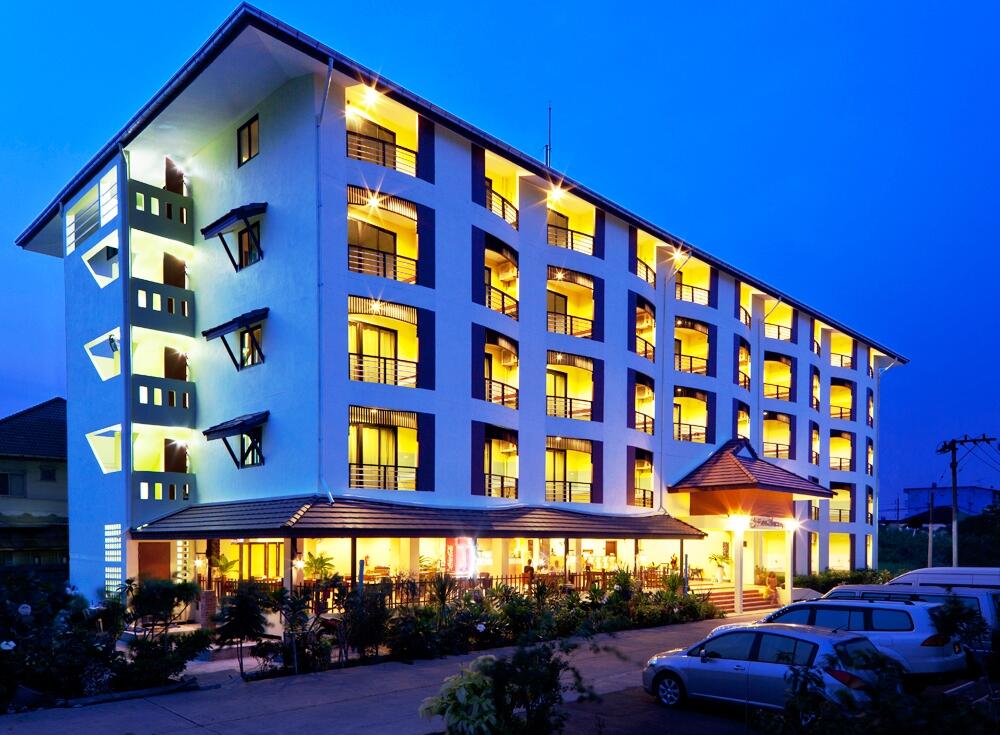
In the economy bracket, prices typically range from $15 to $40 per night. In this category, you can expect clean, air-conditioned rooms, often with minimalist decor. Many of these properties, such as the ibis Bangkok Riverside, offer incredible value for money, providing basic amenities like high-speed Wi-Fi and en-suite bathrooms. In cities like Chiang Mai, budget boutique hotels often incorporate local teak wood architecture, giving guests a sense of place without the premium price tag. While these hotels may lack extensive room service or elaborate spas, they serve as perfect hubs for those who plan to spend their days exploring.
Mid-Range Comfort and International Brands
Mid-range hotels in Thailand generally cost between $50 and $120 per night. This is the “sweet spot” for many international travelers. At this price point, you begin to see the legendary Thai hospitality shine. Hotels such as the Novotel Bangkok Sukhumvit 4 or the Holiday Inn Resort Phuket provide extensive breakfast buffets, well-equipped fitness centers, and often stunning swimming pools. Rooms are larger, often featuring seating areas and superior linens. This tier is dominated by reliable international chains and large-scale local brands like Centara Hotels and Resorts.
Luxury Resorts, Suites, and Private Villas
The luxury market in Thailand is where the sky is truly the limit. Starting at $200 and reaching upwards of $2,000 per night, these properties offer world-class sophistication. Iconic establishments like the Mandarin Oriental Bangkok or The Siam provide personalized butler service, historical architecture, and unparalleled fine dining. In island destinations, luxury is defined by the private pool villa. Resorts like Amanpuri in Phuket or the Four Seasons Resort Koh Samui offer secluded sanctuaries where the villa itself is the destination. These stays focus on privacy, exclusive beach access, and bespoke wellness programs.
Regional Variations in Hotel Pricing
Geography plays a significant role in determining how much you will pay for a hotel. The concentration of demand in major hubs versus the tranquil outskirts of the northern provinces creates a varying price floor.
The Urban Pulse of Bangkok
As the primary gateway to the country, Bangkok has a hotel for every possible budget. However, the price varies wildly by neighborhood. Staying in Sukhumvit or Siam Square puts you at the heart of the action, with 5-star hotels like the Park Hyatt Bangkok commanding premium rates due to their central location and sky-high infinity pools. Conversely, the Riverside area is home to heritage luxury, where the proximity to the Chao Phraya River adds a “view premium” to the room rate. On average, a high-quality 4-star hotel in the capital will cost approximately $70 to $90 per night.
Island Premiums: Phuket, Koh Samui, and Krabi
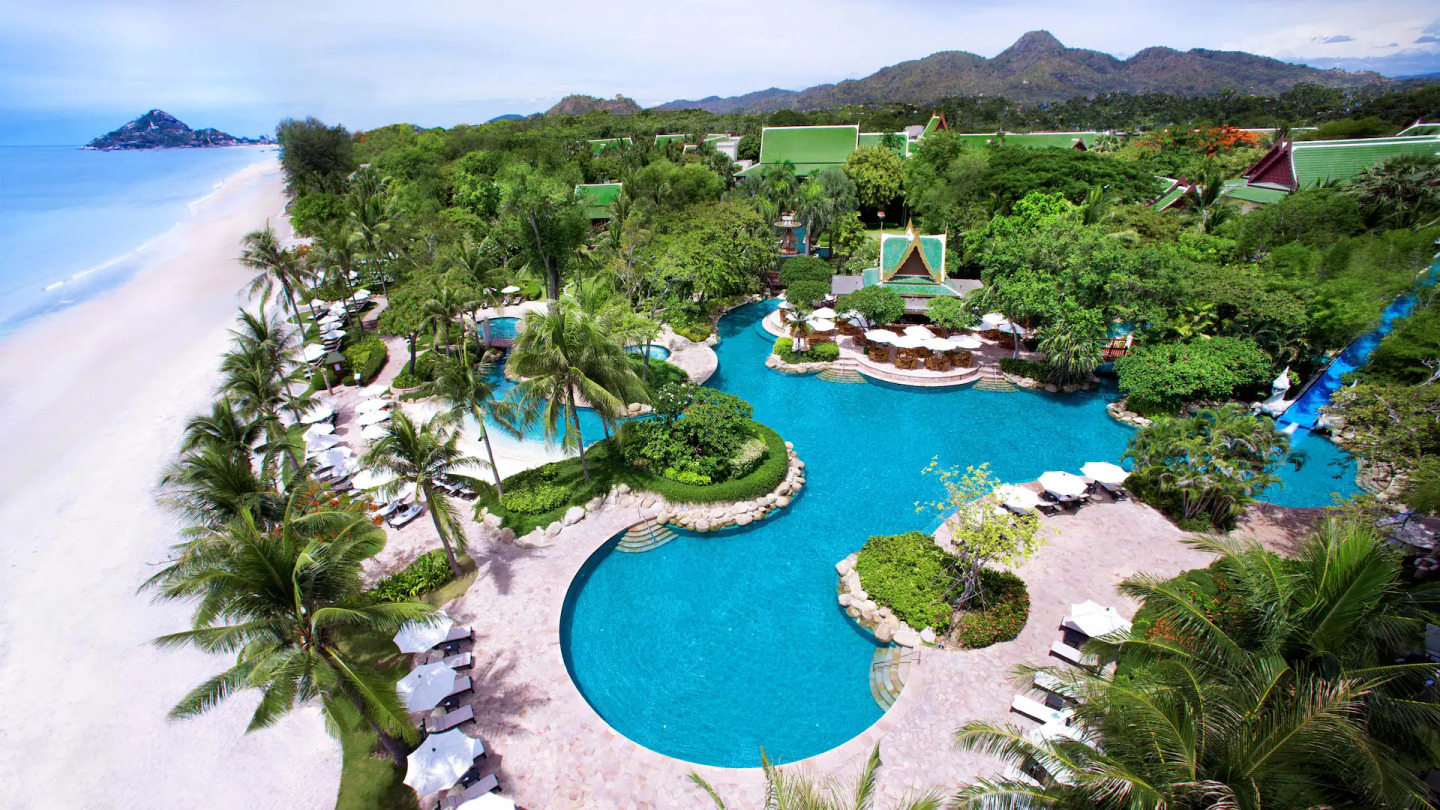
In the south, hotel prices are influenced by the cost of island logistics and the desirability of beachfront real estate. Phuket offers a vast range, but the most sought-after resorts are found on Bang Tao Beach or Surin Beach. A stay at the Rosewood Phuket or the Banyan Tree Phuket can easily exceed $500 per night during the high season. Koh Samui tends to be slightly more expensive on average than Phuket due to the limited number of flights and the high concentration of upscale boutique villas like those at W Koh Samui. Krabi, while offering luxury options like Rayavadee, generally provides more affordable beachfront options compared to its island neighbors.
The Value of Northern Thailand
For those seeking luxury for less, Chiang Mai and Chiang Rai are excellent choices. You can often secure a room at a prestigious property like the Anantara Chiang Mai Resort for a fraction of what a similar property would cost in Phuket. The northern region focuses on “Lanna” style architecture and mountain views. Even the most opulent jungle retreats, such as the Four Seasons Resort Chiang Mai, offer a different kind of value, emphasizing space, tranquility, and cultural immersion within the hotel grounds.
Amenities and Their Influence on Nightly Rates
When asking “how much,” one must also ask “what is included?” The amenities offered by Thai hotels often justify a higher price point by providing a comprehensive lifestyle experience within the property.
Pools, Spas, and Wellness Centers
In Thailand, a swimming pool is almost a standard requirement for mid-range and luxury hotels. However, the design of the pool—such as the iconic rooftop infinity pool at the 137 Pillars Suites & Residences Bangkok—can add a significant premium to the nightly rate. Furthermore, Thailand is a global leader in wellness. Hotels that feature world-class spa facilities, such as the Chiva-Som International Health Resort in Hua Hin, include treatments and consultations in their pricing, which can push rates into the thousands, reflecting the specialized medical and therapeutic staff on-site.
Club Lounges and Executive Benefits
Many business-oriented hotels in Bangkok, such as the JW Marriott Hotel Bangkok or the Banyan Tree Bangkok, offer “Club Level” rooms. Paying an extra $40 to $80 per night for these rooms grants access to executive lounges where complimentary breakfast, afternoon tea, and evening cocktails are served. For many travelers, this amenity provides a net saving on daily food and beverage expenses, making the higher upfront hotel cost a more economical choice in the long run.
Culinary Offerings and In-Hotel Dining
The caliber of a hotel’s restaurants also impacts its pricing. Properties that host Michelin-starred dining rooms, like Le Normandie at the Mandarin Oriental, attract a demographic willing to pay for convenience and excellence. Even in mid-range hotels, the inclusion of an expansive “Super Breakfast” is a hallmark of Thai hospitality. When comparing prices, always check if breakfast is included, as a walk-in breakfast at a 5-star hotel can cost $30 per person, whereas including it in the booking might only add $10 to $15 to the room rate.
Seasonal Fluctuations and Strategic Booking
The time of year you visit Thailand is perhaps the most critical factor in determining hotel costs. The industry operates on a strict seasonal calendar.
Peak Season vs. Green Season
The “Peak Season” runs from November to February, coinciding with the best weather. During this time, particularly around Christmas and New Year, prices can double or even triple. A room that costs $100 in May might be $300 in December. Conversely, the “Green Season” (the monsoon period from May to October) offers incredible deals. Luxury resorts often run promotions such as “Stay 3, Pay 2” or offer significant discounts on suites to maintain occupancy. For the budget-conscious traveler seeking a 5-star experience, the shoulder months of May and September offer the best price-to-quality ratio.
Long-Stay Discounts and Serviced Apartments
For those planning to stay in Thailand for more than a week, serviced apartments provide a cost-effective alternative to traditional hotels. Properties like Ascott Sathorn Bangkok offer full hotel amenities—including housekeeping, pools, and gyms—but with the added benefit of kitchenettes and separate living areas. These are often priced significantly lower for weekly or monthly stays. In popular digital nomad hubs like Pattaya or Chiang Mai, booking a monthly rate at a condo-hotel can bring the nightly cost down to as low as $20 for a high-quality, modern studio.
Booking Platforms and Direct Incentives
While third-party booking sites are popular, many hotels in Thailand offer “Best Price Guarantees” on their own websites. Brands like Minor Hotels, which operates Anantara and Avani, often provide additional perks for direct bookings, such as early check-in, late check-out, or resort credit. When researching how much a hotel is, it is always worth checking the “Special Offers” page of the specific property to find packages that include airport transfers or spa credits, which add substantial value to the base rate.
In conclusion, the cost of a hotel in Thailand is entirely dependent on your expectations for luxury, the region you choose to visit, and the timing of your trip. From $20 per night for a clean bed in a vibrant city to $1,000 per night for a world-class villa overlooking the ocean, Thailand remains one of the few places on earth where every dollar spent on accommodation translates into exceptional service and memorable experiences.
LifeOutOfTheBox is a participant in the Amazon Services LLC Associates Program, an affiliate advertising program designed to provide a means for sites to earn advertising fees by advertising and linking to Amazon.com. Amazon, the Amazon logo, AmazonSupply, and the AmazonSupply logo are trademarks of Amazon.com, Inc. or its affiliates. As an Amazon Associate we earn affiliate commissions from qualifying purchases.