
The architectural skyline of Tokyo is a testament to the city’s status as a global epicenter of finance, culture, and hospitality. For travelers planning a visit to Japan, understanding the financial landscape of accommodation is paramount. The cost of a hotel room in this sprawling metropolis is not a static figure; it is a fluid variable influenced by district prestige, seasonal demand, room square footage, and the specific amenities provided by high-end hospitality brands. From the skyscraper sanctuaries of Shinjuku to the refined elegance of Ginza, the pricing reflects a spectrum of luxury and functional efficiency unique to the Japanese market.
The Luxury Tier: Five-Star Suites and International Resorts
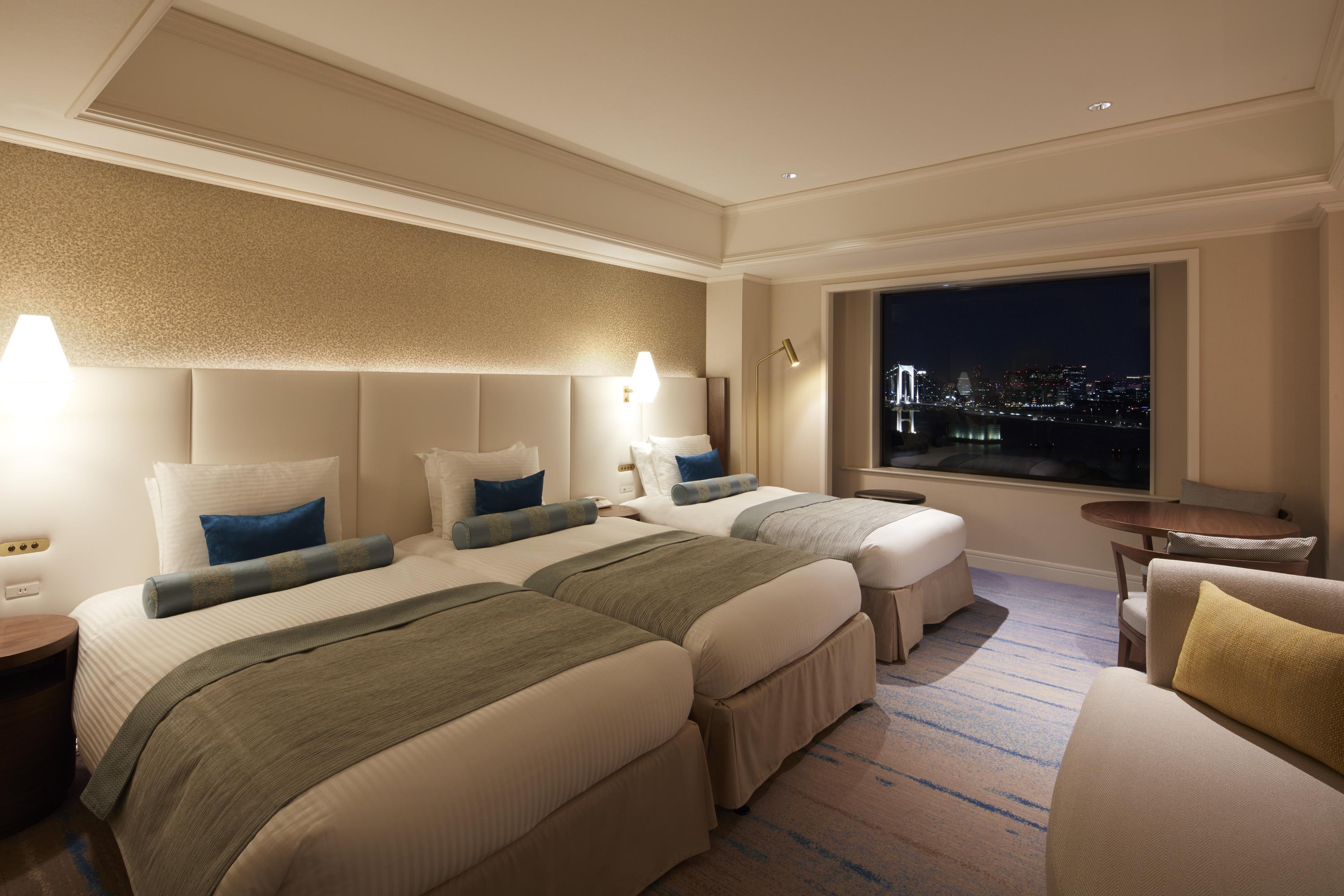
In the upper echelons of Tokyo hospitality, hotel rooms are defined by their elevation, panoramic views of the Imperial Palace, and world-class service. In these establishments, a standard entry-level room—often larger than the average Japanese apartment—typically begins at $700 per night and can easily exceed $1,500 during peak seasons.
The Iconography of High-End Suites
Establishments like the Aman Tokyo and the Park Hyatt Tokyo have set a high bar for pricing. At the Aman Tokyo, located in the Otemachi Tower, rooms are designed with traditional Japanese aesthetics, featuring washi paper sliding doors and deep granite soaking tubs. The cost for such exclusivity reflects the square footage, which is a rare luxury in a dense city. Similarly, the Ritz-Carlton Tokyo, perched atop the Midtown Tower in Roppongi, offers suites that provide unobstructed views of Mount Fuji on clear days. These premium vistas command a significant surcharge, often placing suite prices in the $2,500 to $5,000 range per night.
Amenities and Exclusive Services
The price of a luxury hotel room in Tokyo also encompasses access to highly curated amenities. Guests at the Mandarin Oriental Tokyo pay for the privilege of dining at Michelin-starred restaurants within the building and accessing spas that utilize traditional eastern healing techniques. At the Four Seasons Hotel Tokyo at Otemachi, the cost includes the expertise of a world-class concierge team capable of securing reservations at the city’s most elusive sushi counters. Furthermore, the The Peninsula Tokyo, situated across from the Hibiya Park, justifies its rates with bespoke fleet services, including customized Rolls-Royce transport, ensuring that the hotel room is merely one part of a comprehensive luxury ecosystem.
Mid-Range Urban Stays and Boutique Hotels
For many travelers, the sweet spot of Tokyo accommodation lies in the mid-range category. These hotels offer a blend of modern design, convenient locations near major transit hubs like Shibuya Station or Tokyo Station, and a price point that generally falls between $200 and $500 per night.
The Rise of Lifestyle and Boutique Brands
The boutique hotel scene in Tokyo has expanded rapidly, offering more personality than traditional corporate hotels. Trunk Hotel in Shibuya is a prime example where social design and local artistry are integrated into the room experience. Pricing here is reflective of the “cool factor” and the proximity to the city’s youth culture and fashion districts. Another notable mention is The Gate Hotel Kaminarimon in Asakusa. This hotel provides a modern stay with direct views of the Senso-ji Temple. Mid-range hotels in this category provide better value for money by offering essential luxuries—high-quality linens, designer toiletries, and stylish lounge areas—without the staggering price tag of the grand international resorts.
Premier Business Brands and Upscale Chains
Brands like Mitsui Garden Hotel and The Celestine Hotels occupy the higher end of the mid-range market. A room at the Mitsui Garden Hotel Ginza Premier allows guests to stay in the heart of Tokyo’s premier shopping district for approximately $300 to $450 per night. These hotels often feature sky lobbies and floor-to-ceiling windows, mimicking the experience of five-star resorts at a fraction of the cost. They are particularly popular among business travelers and families who desire a refined atmosphere and reliable service standards without requiring the full suite of “ultra-luxury” offerings.
Economy Efficiency: Business Hotels and Compact Stays

Tokyo is famous for its efficient use of space, and nowhere is this more evident than in its economy hotel sector. For budget-conscious travelers, a hotel room can cost anywhere from $60 to $150 per night, depending on the day of the week and the specific neighborhood.
The Proliferation of the Japanese Business Hotel
The business hotel is a staple of Japan’s urban infrastructure. Chains such as APA Hotel, Toyoko Inn, and Sotetsu Fresa Inn offer small but highly functional rooms. While the square footage may be limited, these rooms are equipped with high-speed internet, private bathrooms, and often include a complimentary breakfast. APA Hotel Shinjuku Kabukicho Tower is a prominent landmark in the nightlife district, providing thousands of rooms that cater to both domestic salarymen and international tourists. The pricing in this category is competitive, making it possible to stay in prime locations like Minato or Chiyoda on a modest budget.
Specialized Stays: Capsule Hotels and Dormy Inns
At the lowest end of the pricing spectrum are capsule hotels, such as Nine Hours. A “room” here is a sleek, futuristic pod designed for sleeping, with shared communal facilities for showering and dressing. These are often priced between $30 and $60 per night. On the slightly more comfortable side of budget travel is the Dormy Inn chain. These hotels are beloved by travelers for their inclusion of “Sento” style public baths and saunas, as well as their late-night complimentary ramen service. Staying at a Dormy Inn Premium Tokyo Kanda offers a cultural experience that transcends the low price point, often hovering around $120 per night.
Traditional Ryokans and Modern Apartment Hotels
Beyond the standard hotel room, Tokyo offers alternative lodging styles that impact the budget in different ways. These include traditional Japanese inns (ryokans) and apartment-style hotels designed for longer stays.
The Urban Ryokan Experience
While most ryokans are located in rural areas like Hakone or Kyoto, Tokyo hosts several high-end urban versions. Hoshinoya Tokyo, located near the Imperial Palace, is a vertical ryokan where guests remove their shoes upon entry and walk on tatami mats throughout the building. A room here is not just a place to sleep but a full cultural immersion, including tea ceremonies and access to an onsen fed by saline waters pumped from deep beneath the city. Prices at Hoshinoya Tokyo are consistent with the luxury tier, often starting at $800 per night. For a more traditional and affordable ryokan experience, neighborhoods like Taito offer smaller family-run inns where rooms might cost between $150 and $250.
Extended Stay and Apartment Hotels
For travelers staying in the capital for a week or more, apartment-style hotels like Mimaru have become increasingly popular. These rooms are designed for families and groups, featuring kitchenettes and dining areas. The pricing for a Mimaru Tokyo Ueno North suite can range from $300 to $600 per night, but the ability to cook meals and the increased space often makes it more economical than booking multiple rooms in a standard hotel. These establishments fill a critical gap in the Tokyo market, catering to a growing demand for “home-away-from-home” amenities.
Geographic and Seasonal Factors Influencing Price
The cost of a hotel room in Tokyo is heavily dictated by the specific ward or district. Ginza and Marunouchi are the most expensive areas due to their proximity to luxury shopping and the financial heart of the city. Conversely, staying in Ueno, Sumida, or near Haneda Airport can often yield significant savings.
The District Premium
A hotel room of identical size and quality will cost substantially more in Shibuya than it will in Ikebukuro. This is due to the “district premium,” where convenience and prestige are baked into the nightly rate. The Cerulean Tower Tokyu Hotel in Shibuya commands higher prices because of its iconic status and proximity to the Shibuya Crossing. Meanwhile, hotels in the Skytree area of Sumida offer more competitive rates while still providing excellent views and transit access via the Tokyo Metro.

The Impact of the Japanese Calendar
Seasonality is perhaps the most aggressive driver of hotel pricing in Japan. During the cherry blossom season (late March to early April) and Golden Week (late April to early May), hotel prices across all categories can double or even triple. A standard room at the Keio Plaza Hotel Tokyo that normally costs $250 might spike to $600 during these peak periods. Conversely, visiting during the winter months of January or February (excluding the New Year holiday) often reveals the lowest rates of the year. Travelers looking to optimize their budget must balance the allure of seasonal festivals with the reality of surge pricing that affects even the most modest accommodations in the city.
LifeOutOfTheBox is a participant in the Amazon Services LLC Associates Program, an affiliate advertising program designed to provide a means for sites to earn advertising fees by advertising and linking to Amazon.com. Amazon, the Amazon logo, AmazonSupply, and the AmazonSupply logo are trademarks of Amazon.com, Inc. or its affiliates. As an Amazon Associate we earn affiliate commissions from qualifying purchases.