
Texas, a state synonymous with vast landscapes, rich wildlife, and a deep-rooted hunting heritage, offers unparalleled opportunities for outdoor enthusiasts. For many, the allure of pursuing game across this sprawling frontier is a significant draw, intertwining with the state’s unique lifestyle and strong connection to nature. However, before any aspiring hunter can cast their line or aim their rifle, understanding the intricacies of obtaining a Texas hunting license is paramount. This guide delves into the costs, types, and considerations surrounding hunting licenses in the Lone Star State, ensuring your adventure is both thrilling and compliant.
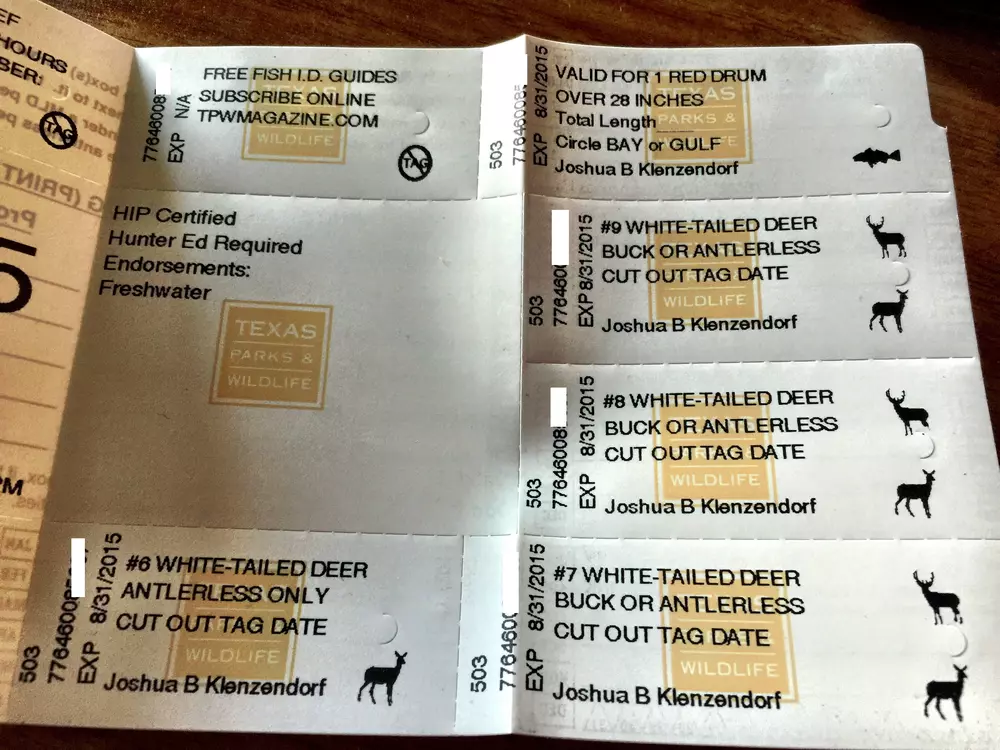
The question “How much is a hunting license in Texas?” is not a simple one, as the price varies considerably based on residency, age, the specific type of hunting you intend to pursue, and the duration of your license. The Texas Parks and Wildlife Department (TPWD) is the governing body responsible for issuing these permits, and their fee structure is designed to support wildlife conservation and management efforts across the state. These fees are crucial for maintaining the health of our ecosystems, ensuring sustainable hunting practices, and preserving the natural beauty that makes Texas such a sought-after destination for travel and outdoor experiences.
Understanding Hunting License Categories in Texas
The complexity of Texas hunting licenses stems from the diverse range of game animals and hunting methods permitted. The TPWD categorizes licenses to reflect these differences, ensuring that fees are allocated appropriately and that conservation goals are met for each specific species or hunting scenario. For a visitor, or even a seasoned resident, navigating these options can initially seem daunting. However, a clear understanding of these categories will illuminate the path to acquiring the correct and most cost-effective license for your needs.
Resident vs. Non-Resident Licenses
The most significant factor influencing the cost of a Texas hunting license is residency status. Texas offers significantly lower prices for residents compared to non-residents. To qualify as a Texas resident for hunting license purposes, you must have resided in the state for at least six months prior to the application date and declared Texas as your primary residence. This distinction is crucial for budgeting your travel plans if you are visiting from out of state. For Texas residents, the investment is a modest contribution to the state’s conservation efforts, allowing access to a wealth of hunting grounds and diverse wildlife. For non-residents, the license fees reflect a broader contribution to the state’s natural resource management, recognizing the economic benefit of tourism and the impact of non-resident hunters on wildlife populations.
Youth and Senior Licenses
Texas also offers discounted licenses for younger and older hunters. Youth licenses are available for individuals under 17 years of age, providing an affordable way to introduce the younger generation to the joys of hunting and fostering a connection with nature. These licenses are typically very reasonably priced, encouraging participation and education in outdoor pursuits. Similarly, senior citizens who have held a Texas hunting license for 50 consecutive years or are 65 years of age or older can qualify for special lifetime licenses at a reduced cost or even free in some cases. These provisions acknowledge the long-standing traditions of hunting within the state and aim to make it accessible across generations.
Special Permits and Endorsements
Beyond the basic hunting license, various endorsements and permits are often required depending on the type of game you are hunting and the area you are in. These can include:
- Upland Game Bird Stamp: Necessary for hunting species like quail, pheasant, and chachalaca.
- Waterfowl Stamp: Required for hunting ducks, geese, and other migratory birds. This stamp helps fund conservation efforts for waterfowl habitats.
- All-Game Combination Licenses: These are popular options for residents, bundling the costs of several basic hunting permits into one package. They often include licenses for deer, turkey, and small game, offering good value for those who plan to hunt a variety of species.
- Special Permits for Specific Wildlife Management Areas (WMAs): Some public hunting areas may require additional permits or have specific draw systems for hunting certain animals.
- Archery and Muzzleloader Endorsements: If you plan to hunt during specific archery-only or muzzleloader-only seasons, you may need an endorsement in addition to your base hunting license.
Understanding these specific requirements is vital to avoid penalties and to ensure you are fully compliant with Texas hunting regulations. The TPWD website provides detailed information on which permits are necessary for each type of game and season.
Determining the Cost of Your Texas Hunting License
The actual monetary cost of a hunting license in Texas can range from a few dollars for youth or senior citizen permits to several hundred dollars for comprehensive non-resident licenses. It’s essential to consult the official Texas Parks and Wildlife Department fee schedule for the most up-to-date pricing. However, we can outline some common scenarios to give you a general idea.
Resident License Costs
For Texas residents, the most basic hunting license, often referred to as the “Resident Hunting Package” or similar, typically includes the core permits needed for general hunting activities. This might cost in the range of $25 to $30. However, to hunt more specific game, such as deer or exotic animals, additional endorsements or a more comprehensive package will be necessary.
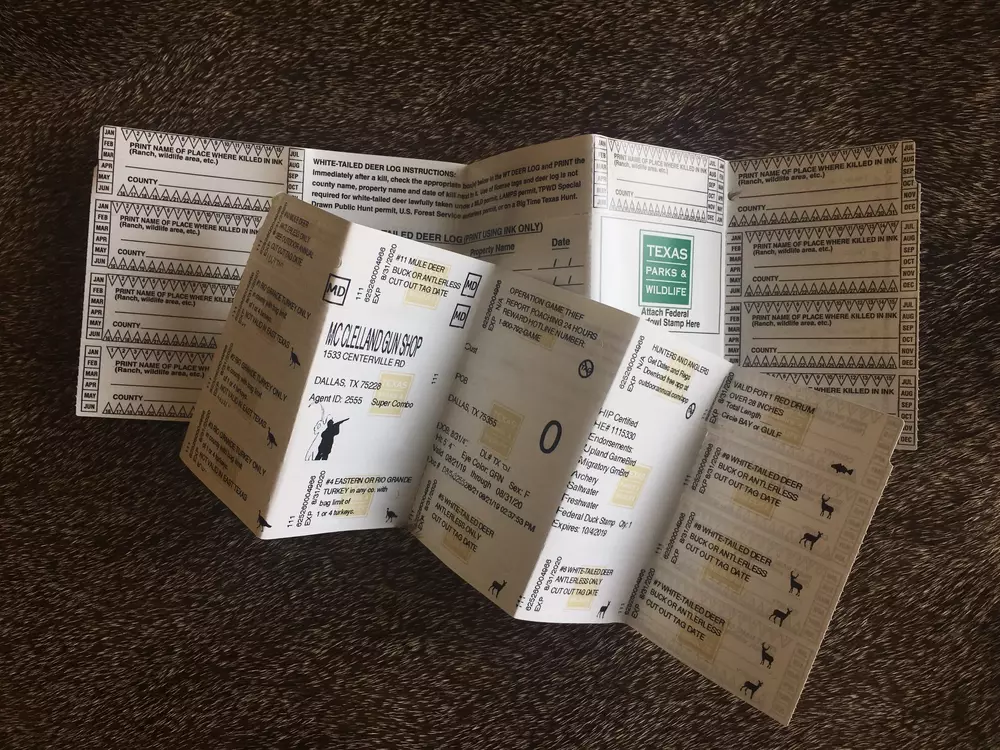
A popular option for Texas residents is the “Super Combo” license, which provides a wide array of hunting privileges for a single price. This package often includes deer, turkey, all-game, and other essential stamps and permits, representing significant savings for avid hunters. The cost for a resident Super Combo can hover around $50-$70, offering excellent value.
For those interested in specific activities, individual endorsements can be purchased. For instance, a youth hunting license might be as low as $5, while a senior citizen hunting license could be free for those meeting specific criteria.
Non-Resident License Costs
Non-resident licenses in Texas are considerably more expensive, reflecting the state’s policy of prioritizing residents for its natural resources while still allowing access for visitors. A basic non-resident hunting license can cost upwards of $50. However, for hunting big game like deer, the costs escalate significantly.
A non-resident “All-Game” license, which is often a prerequisite for hunting larger game, can range from $200 to $300. This license typically covers hunting for deer, turkey, and other game animals throughout the season. For those targeting specific species or wanting more flexibility, additional permits may be required. For example, a non-resident deer tag, which is purchased separately from the license, is also a significant expense.
The most comprehensive option for a non-resident might be a “Super Combo” equivalent, which can reach several hundred dollars. This comprehensive package aims to provide access to most hunting opportunities available to residents, excluding perhaps specific draw hunts or specialized permits. The TPWD fee schedule provides a clear breakdown of these costs, and it’s advisable to review it thoroughly when planning a Texas hunting trip from out of state. This ensures you budget accurately for your travel and accommodations, factoring in all necessary permits for a smooth and enjoyable hunting experience.
Where to Purchase Your Texas Hunting License
Purchasing a Texas hunting license is a straightforward process, with several convenient options available. The Texas Parks and Wildlife Department has made it accessible for both residents and visitors to obtain their permits efficiently, whether they are planning a weekend getaway to hunt dove near San Antonio or a more extensive expedition for deer in the Texas Hill Country.
Online and Mobile Options
The most convenient method for obtaining a Texas hunting license is through the official TPWD website. The online portal allows you to browse license types, check requirements, and complete your purchase securely. This is an excellent option for those who are planning their travel in advance and want to get their permits sorted before arriving in Texas. You can often print a temporary license immediately, and your official card will be mailed to you. The TPWD also offers a mobile app that allows for digital access to your hunting license, which can be presented on your smartphone when needed. This is particularly useful for last-minute purchases or if you forget to bring your printed copy.
Retail Locations
If you prefer to purchase your license in person, the TPWD has a vast network of authorized license vendors throughout the state. These vendors include:
- Sporting Goods Stores: Many well-known retailers like Bass Pro Shops and Academy Sports + Outdoors are authorized vendors and can assist you in selecting the correct license and understanding any additional requirements. These stores are also great places to pick up hunting gear and travel essentials.
- Local Businesses: Smaller bait and tackle shops, general stores, and even some hardware stores in rural communities often serve as license vendors. These local establishments can offer valuable insights into local hunting conditions and regulations.
- County and City Offices: In some cases, certain government offices may also be authorized to sell hunting licenses.
When purchasing in person, be sure to bring a valid form of identification, and if you are applying for a resident license, proof of residency such as a Texas driver’s license or ID card. The staff at these locations can guide you through the process and answer any immediate questions you may have about hunting in their specific area.
By Mail or Phone
While less common, it is also possible to purchase licenses by mail or over the phone through the TPWD. However, these methods are generally slower than online or in-person purchases and are not recommended for those on a tight schedule or planning an immediate hunting trip. The online and retail options provide a more streamlined experience for most hunters looking to explore the attractions and experiences that Texas has to offer.
Understanding the cost and purchasing process for a Texas hunting license is the first step towards an unforgettable outdoor adventure. Whether you’re a seasoned hunter or a curious newcomer drawn by the call of the wild, Texas offers a welcoming and richly rewarding landscape for exploration. With proper planning and adherence to regulations, your hunting expedition in the Lone Star State promises to be both exciting and successful. Remember to always check the latest regulations and fee schedules on the Texas Parks and Wildlife Department website before your trip to ensure you have the most accurate and up-to-date information.
LifeOutOfTheBox is a participant in the Amazon Services LLC Associates Program, an affiliate advertising program designed to provide a means for sites to earn advertising fees by advertising and linking to Amazon.com. Amazon, the Amazon logo, AmazonSupply, and the AmazonSupply logo are trademarks of Amazon.com, Inc. or its affiliates. As an Amazon Associate we earn affiliate commissions from qualifying purchases.