
Navigating the Sunshine State often involves more than just booking your dream vacation. For residents and long-term visitors alike, understanding the practicalities of car ownership in Florida is essential. A key component of this is obtaining and maintaining valid license plates. While seemingly a straightforward administrative task, the cost of a new license plate in Florida isn’t a single, fixed price. It’s a figure that fluctuates based on several factors, including the type of vehicle, its weight, and specific registration requirements. This guide aims to demystify these costs, offering a comprehensive overview for anyone looking to register a vehicle or understand the pricing behind Florida’s distinctive license plates.
When you’re planning a getaway to Florida, perhaps to the vibrant streets of Miami or the family-friendly attractions of Orlando, you might also be considering a longer stay, or even a move. In such scenarios, understanding local regulations, including vehicle registration, becomes paramount. The purchase of a new license plate is a fundamental step in this process, and while it might not be as exciting as exploring the Walt Disney World Resort or relaxing on the beaches of Clearwater, it’s a necessary expense. The price you’ll pay is determined by a combination of state-mandated fees and potential local taxes, all contributing to the overall cost of putting your vehicle on Florida’s roads legally.
Understanding the Base Costs of Florida License Plates
The core of your license plate cost in Florida is comprised of several standard fees levied by the state’s Department of Highway Safety and Motor Vehicles (FLHSMV). These fees are generally consistent across the state, forming the foundation upon which additional costs are built.
Standard Registration Fees
When you first register a vehicle in Florida, or when you renew your registration, you’ll encounter a set of base fees. These are designed to cover the administrative costs associated with issuing and maintaining the registration system, as well as contributing to the state’s general revenue. The primary components of these standard fees typically include:
- Registration Fee: This is the fundamental charge for the privilege of registering your vehicle. The amount can vary slightly depending on the type of vehicle, but for standard passenger cars, it’s a consistent figure.
- Plate Fee: This fee covers the cost of manufacturing the physical license plate itself. While it might seem like a small portion, it’s a necessary charge to fund the production of the plates you’ll be displaying.
- Service Fee: This is a nominal fee often associated with the processing of your application or renewal at a county tax collector’s office or through an authorized third-party vendor.
For a standard passenger car, these base fees typically add up to a modest sum. For instance, the initial registration fee for a private passenger vehicle is often in the range of $20-$25, with the plate fee and service fee adding a few more dollars. It’s important to note that these are the bare minimum costs before any additional charges are applied based on vehicle specifics or optional features.
Vehicle Weight and Type Considerations
The weight and type of your vehicle are significant determinants of the final cost of your license plate. Florida’s fee structure is designed to reflect the potential impact a vehicle has on road infrastructure. Heavier vehicles, such as trucks and RVs, generally incur higher registration fees than lighter passenger cars.
- Passenger Cars: For most sedans, coupes, and smaller SUVs, the fees remain at the lower end of the spectrum.
- Light Trucks: Vehicles classified as light trucks, often based on gross vehicle weight rating (GVWR), will typically have a slightly higher registration fee than passenger cars.
- Heavy Trucks and Commercial Vehicles: Larger trucks and commercial vehicles, with higher GVWRs, will see a more substantial increase in registration fees. These fees are often tiered, meaning the heavier the vehicle, the more you pay.
- Motorcycles: Motorcycles usually have a separate, often lower, registration fee compared to cars.
- Recreational Vehicles (RVs): RVs, depending on their size and class, also have their own fee structure, which can be higher due to their size and weight.
When you visit your local county tax collector’s office or use the FLHSMV’s online services, you will be prompted to provide your vehicle’s details, including its weight, which will then accurately calculate the applicable registration fees. This ensures fairness in how road usage is funded.
Additional Fees and Optional Plate Costs
Beyond the standard registration fees, Florida offers a wide array of specialty license plates, and certain vehicle types might incur additional state-mandated charges. These options and requirements can significantly influence the total amount you pay.
Specialty License Plates
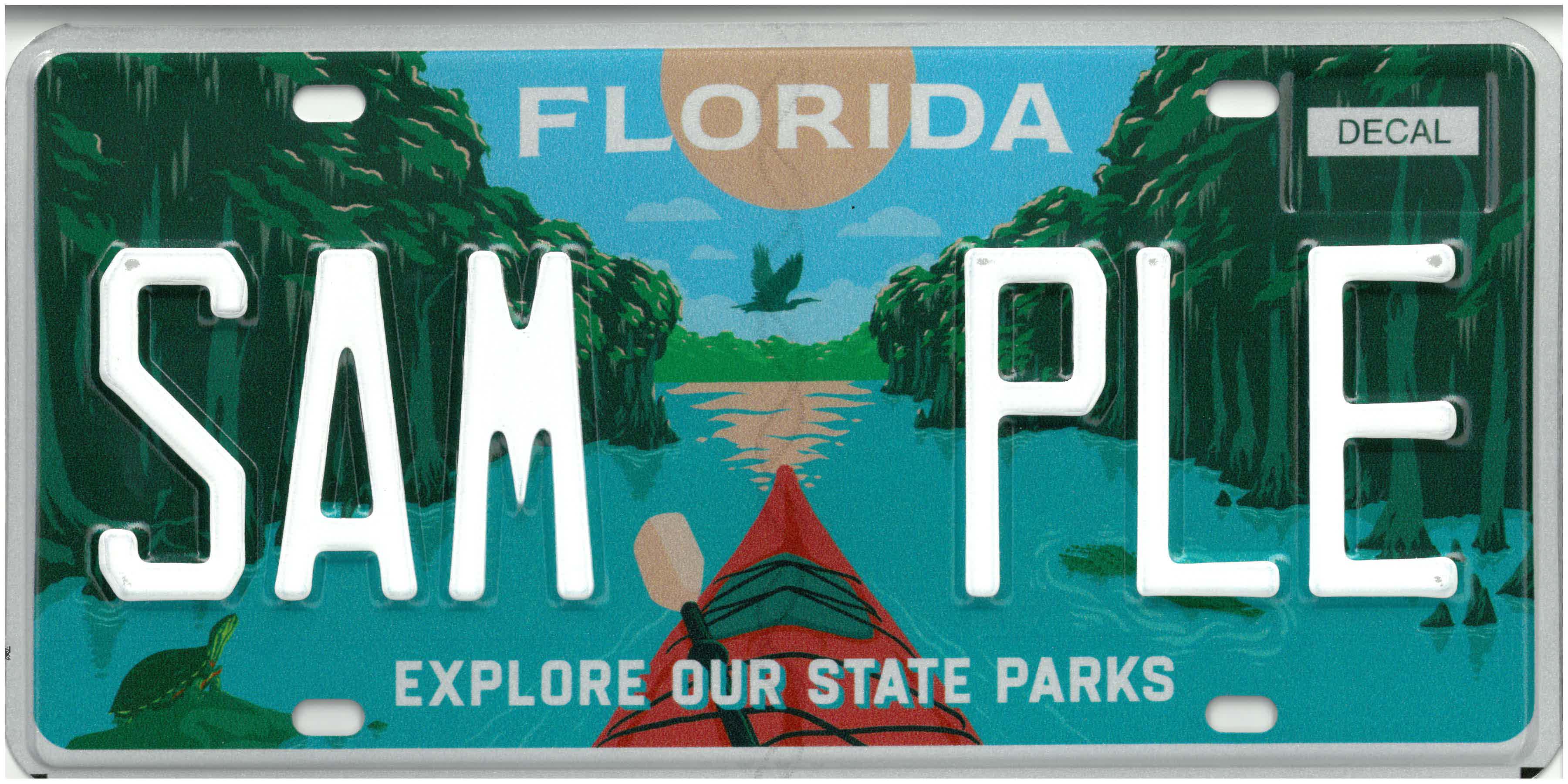
Florida is well-known for its diverse selection of specialty license plates, often referred to as “vanity” or “specialty” plates. These plates allow vehicle owners to express their support for various causes, organizations, or interests, ranging from environmental conservation to educational institutions and professional sports teams.

- Standard Specialty Plates: Many specialty plates are available for an additional annual fee, typically ranging from $25 to $50 on top of the regular registration fees. These funds often go directly to the organization or cause represented by the plate. For example, a plate supporting sea turtle conservation might carry a specific surcharge that benefits marine research and protection efforts.
- Personalized (Vanity) Plates: For those who wish to display a custom message on their plate, personalized plates are an option. These also come with an additional annual fee, usually around $25, and are subject to character limits and content restrictions to ensure appropriateness.
- License Plate Designs: The visual appeal of these plates can also play a role. Whether you choose a plate featuring a Key West sunset, the Seminole Tribe of Florida emblem, or a design celebrating the Florida Panthers, there’s an additional cost associated with selecting these distinctive options.
The popularity of certain specialty plates can also influence their availability and the demand for them. When renewing your registration, you can browse the extensive catalog of available specialty plates on the FLHSMV website and make your selection based on your preferences and desired contribution.
Elective Fees and Local Surcharges
In addition to the state-level fees, some counties in Florida may impose small, elective surcharges on vehicle registrations. These surcharges are often used to fund local transportation projects or other community initiatives.
- County-Specific Surcharges: While not universal, some counties have opted to include a minor surcharge that is added to the total registration cost. These amounts are typically quite small, often just a few dollars per year.
- Elective Donations: Some registration renewals also offer the option to make a small, voluntary donation to specific state programs, such as those supporting law enforcement or children’s health initiatives. While these are optional, they represent an additional way to contribute to public services when renewing your plates.
It’s always advisable to check with your specific county’s tax collector’s office for any localized fees or options that might apply to your vehicle registration. This will ensure you have the most accurate understanding of the total cost.
The Process of Obtaining and Renewing Your Florida License Plate
Understanding the costs is only part of the equation. Knowing the process for obtaining and renewing your license plates in Florida ensures you can do so efficiently and without unexpected hurdles. Whether you’re a new resident in Tampa or a seasoned Floridian, the steps are generally consistent.
Initial Registration for New Residents and New Vehicles
When you purchase a new vehicle from a dealership or move to Florida with an out-of-state vehicle, you’ll need to complete an initial registration process. This typically involves:
- Proof of Ownership: You’ll need to provide documentation such as a Manufacturer’s Certificate of Origin (MCO) for a new vehicle or a title for a used vehicle.
- Proof of Insurance: Florida law requires all drivers to have personal injury protection (PIP) and property damage liability (PDL) insurance. You’ll need to present an insurance card or policy.
- Vehicle Identification Number (VIN) Inspection: For vehicles coming from out of state, a VIN inspection is usually required to verify the vehicle’s identity and ensure it hasn’t been reported stolen or salvaged.
- Payment of Fees: At this stage, you’ll pay all the applicable registration fees, including the base fees, any weight-related charges, and the cost of your chosen license plate.
- Issuance of Plates and Registration: Once all requirements are met and fees are paid, you’ll be issued your Florida license plates and registration certificate.
If you’re buying a new car from a dealership, they often handle much of this paperwork for you, rolling the registration costs into your purchase. For private sales or out-of-state transfers, you’ll need to visit a county tax collector’s office or an authorized tag agency.

Renewing Your Existing Florida License Plate
Florida license plates are typically valid for one or two years. The renewal process is designed to be relatively straightforward, allowing you to complete it either online, by mail, or in person.
- Renewal Notices: The FLHSMV usually sends out renewal notices by mail several weeks before your registration expires. These notices will detail the amount due and the deadline.
- Online Renewals: The most convenient method for many is renewing online through the FLHSMV website or your county’s tax collector’s website. You’ll need your license plate number and some identifying information.
- Mail Renewals: You can also mail your renewal application and payment to your county tax collector’s office.
- In-Person Renewals: For those who prefer face-to-face service or need assistance, visiting your local county tax collector’s office is always an option.
When renewing, you’ll have the opportunity to change your specialty plate if you wish, or simply renew your current one. The renewal fees will include the standard registration costs, any applicable specialty plate surcharges, and any local fees. Failure to renew your registration by the expiration date can result in penalties and fines, so staying on top of these deadlines is crucial. Whether you’re planning a road trip down the Tamiami Trail or simply commuting to work, keeping your vehicle’s registration current is a fundamental aspect of responsible driving in the Sunshine State.
In conclusion, the question of “How Much Is A New License Plate In Florida?” doesn’t have a single, simple answer. It’s a dynamic cost influenced by vehicle type, weight, and the personal choice of specialty or personalized plates. By understanding these components, residents and visitors can accurately budget for vehicle registration and ensure compliance with Florida’s regulations, allowing for smoother travels, whether they’re exploring attractions like Everglades National Park or enjoying the tranquil beaches of the Florida Keys.
LifeOutOfTheBox is a participant in the Amazon Services LLC Associates Program, an affiliate advertising program designed to provide a means for sites to earn advertising fees by advertising and linking to Amazon.com. Amazon, the Amazon logo, AmazonSupply, and the AmazonSupply logo are trademarks of Amazon.com, Inc. or its affiliates. As an Amazon Associate we earn affiliate commissions from qualifying purchases.