
For anyone involved in the accommodation sector in Florida – whether you own a vacation rental in Orlando, manage long-term leases in Miami, or are considering investing in a second home in Naples – the integrity of a property’s roof is paramount. It’s not merely a structural component; it’s a critical investment that protects the entire asset, ensures guest and tenant comfort, and significantly influences property value and insurance premiums. Florida’s unique climate, characterized by intense sun, heavy rainfall, and the constant threat of hurricanes, places extraordinary demands on roofing systems, making roof replacement a frequent and significant consideration for accommodation providers. Understanding the costs involved is not just prudent; it’s essential for sound financial planning and maintaining a competitive edge in the bustling Florida accommodation market.

This comprehensive guide will delve into the various factors that influence the cost of a new roof in Florida, tailored specifically to the concerns of accommodation owners and investors. We’ll explore material choices, labor considerations, and the unique environmental challenges that contribute to the final price tag, ensuring you have the insights needed to make an informed decision for your Florida accommodation property.
The Unique Demands of Florida’s Climate on Accommodation Roofs
Florida’s allure as a top destination for travel and long-term stays is undeniable, but its subtropical climate presents distinct challenges for property maintenance, especially roofing. For accommodation owners, these environmental factors directly translate into specific requirements and costs for roof longevity and performance.
Hurricane Preparedness and Resilience
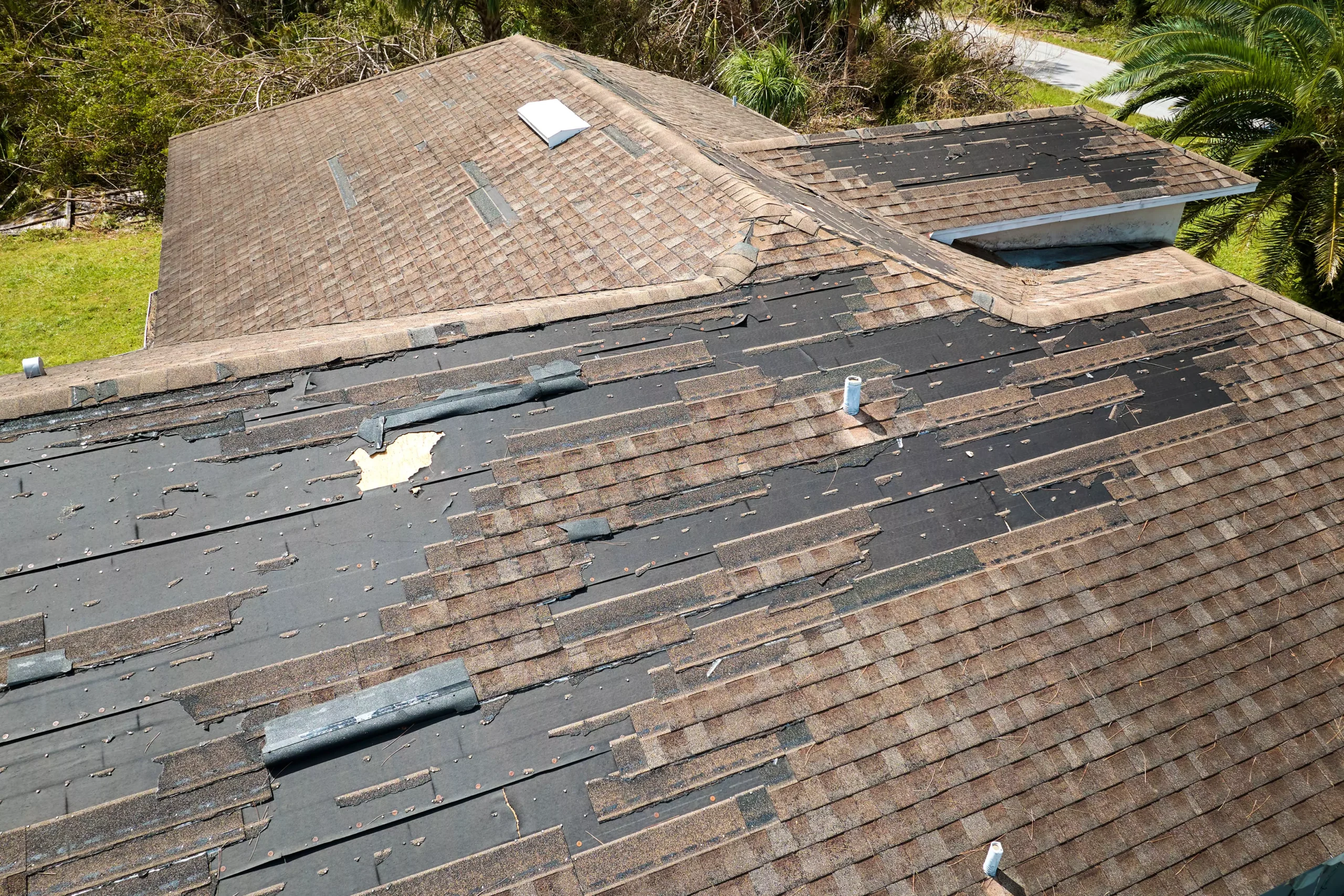
The most significant climatic challenge in Florida is the annual hurricane season. Properties serving as accommodation, whether short-term rentals advertised on platforms like Airbnb or long-term family homes, must withstand extreme winds, torrential rain, and potential debris impact. The Florida Building Code mandates stringent standards for roofing, particularly in coastal and high-velocity hurricane zones, influencing both material selection and installation techniques. This often means higher-grade materials, enhanced fastening systems, and specialized installation methods, all of which contribute to increased costs. However, investing in a robust, hurricane-resistant roof is not an option; it’s a necessity for protecting your accommodation investment and ensuring business continuity after a storm. It also plays a pivotal role in securing adequate property insurance, a crucial operational expense for any Florida accommodation provider.
Heat, Humidity, and UV Exposure
Beyond hurricanes, the relentless heat, high humidity, and intense ultraviolet (UV) radiation take a continuous toll on roofing materials. Constant exposure to the Florida sun accelerates the breakdown of asphalt shingles, fades colors, and can lead to premature cracking or blistering. Humidity creates an ideal environment for mold, mildew, and algae growth, which can degrade roofing materials and detract from the aesthetic appeal of an accommodation property, potentially impacting guest satisfaction and rental rates. These factors collectively shorten the lifespan of many roofing materials, necessitating earlier replacement cycles compared to properties in milder climates. Selecting materials specifically designed to resist these elements is crucial, often incurring a higher initial cost but promising greater durability and fewer maintenance headaches in the long run.
Key Factors Influencing Roof Replacement Costs for Florida Accommodation
Understanding the various components that contribute to the overall cost of a new roof in Florida is essential for accommodation property owners. Each factor plays a significant role in the final estimate, and careful consideration of each can help in budgeting and decision-making.
Roofing Material Choices
The choice of roofing material is arguably the most significant cost driver. For Florida accommodation properties, the decision often balances aesthetics, durability, energy efficiency, and budget.
- Asphalt Shingles: The most common and often the most affordable option. High-quality architectural shingles offer good wind resistance and are a popular choice for many residential rental properties in cities like Tampa and Jacksonville. Costs typically range from $4.50 to $7.50 per square foot installed.
- Metal Roofing: Gaining popularity due to its exceptional durability, longevity (50+ years), and energy efficiency. Metal roofs can significantly reduce cooling costs, a major advantage for Florida accommodation. While more expensive upfront (typically $9 to $18 per square foot), their long-term value, hurricane resistance, and low maintenance make them an attractive investment for premium vacation rentals or long-term properties.
- Tile Roofing (Clay or Concrete): Offers a distinctive aesthetic, superior durability, and excellent resistance to heat and salt air, making it ideal for high-end properties in coastal areas like Sarasota or Naples. Tile roofs are among the most expensive, ranging from $12 to $25+ per square foot, but provide unmatched curb appeal and a very long lifespan.
- Flat/Low-Slope Roofing: For commercial accommodation properties or specific architectural styles, materials like TPO, PVC, or modified bitumen are used. Costs vary widely but typically fall between $6 to $12 per square foot.
Roof Size and Pitch
The total square footage of your roof directly impacts material and labor costs. Larger roofs naturally require more materials and more time to install. The roof’s pitch (steepness) also influences pricing. Steeper roofs are more challenging and dangerous to work on, requiring specialized equipment and more labor hours, thus increasing costs. Complex roof designs with multiple valleys, hips, and dormers also add to the complexity and labor, raising the total price. A simple gable roof on a smaller property will be significantly less expensive than a multi-level, complex hip roof on a sprawling vacation villa.
Labor and Permit Costs
Skilled labor in Florida is highly sought after, especially after severe weather events. Labor costs account for a significant portion of the total roofing expense. Additionally, every roof replacement in Florida requires a permit, which ensures the work complies with the stringent Florida Building Code and local ordinances. Permit fees vary by county and city but are a mandatory part of the process. These permits often involve inspections at various stages of the project, adding a layer of quality control crucial for maintaining the safety and longevity of your accommodation property. Expect permit costs to range from a few hundred to over a thousand dollars, depending on the municipality and project scope.
Old Roof Removal and Disposal
Before a new roof can be installed, the old one must typically be removed. This “tear-off” process involves labor, specialized equipment, and disposal fees. The cost can fluctuate based on the type of existing roofing material (e.g., heavy tile is more difficult to remove than asphalt shingles), the number of layers, and local landfill disposal rates. This critical step ensures a clean, stable base for the new roof, preventing potential structural issues down the line.
Average Cost Breakdown for a New Roof in Florida (Accommodation Focus)
Understanding the typical price ranges for different roofing materials can help accommodation owners budget effectively. These figures are averages and can vary based on location, contractor, and specific project details.
Shingle Roofs
For a typical Florida accommodation property, a new asphalt shingle roof can range from $9,000 to $20,000 for an average 1,500 to 2,000 square foot home. This includes material, labor, tear-off, and permit costs. Architectural shingles, which offer a more aesthetic appeal and better wind resistance, will be at the higher end of this spectrum. They are a popular choice for entry to mid-level rental properties due to their cost-effectiveness and relatively quick installation.

Metal Roofs
A new metal roof for an accommodation property of the same size (1,500-2,000 sq ft) typically costs between $15,000 and $35,000. While the upfront investment is higher, the superior durability, longevity (often 40-70 years), and energy efficiency make it a smart choice for long-term investments, such as premium vacation homes or properties with high energy consumption. The significant reduction in cooling costs can provide a tangible return on investment over the roof’s lifespan.
Tile Roofs
Tile roofs, be it clay or concrete, represent a luxury option often seen on upscale accommodation properties in areas like South Florida or high-value coastal communities. For a 1,500-2,000 square foot roof, expect costs to range from $20,000 to $50,000+. Their elegant appearance and exceptional resistance to Florida’s elements contribute to higher property values and attract discerning guests or tenants.
Hidden Costs and Contingencies
It’s crucial to allocate an additional 10-20% of your budget for unforeseen expenses. These can include:
- Decking Repair: Rotten or damaged plywood decking discovered after tear-off.
- Fascia and Soffit Repair: Damage to the roof’s edge or overhang.
- Structural Repairs: More extensive issues with the roof trusses or framing.
- HVAC or Solar Panel Removal/Reinstallation: If your property has rooftop units, these will need to be temporarily disconnected and reinstalled, adding to the cost.
Always discuss potential contingencies with your contractor and ensure they are transparent about how these additional costs would be handled.
Maximizing Your Roofing Investment for Florida Accommodation Properties
A new roof is a substantial investment, but for Florida accommodation owners, it’s an opportunity to enhance the property’s value, operational efficiency, and overall appeal. Strategic planning can help maximize this investment.
Insurance Considerations
One of the most significant benefits of a new, properly installed, hurricane-rated roof in Florida is its impact on insurance premiums. Many insurers offer discounts for roofs that meet the latest building codes or are certified as wind-resistant. A newer roof significantly reduces the risk of storm-related damage, which can translate into substantial savings on homeowners insurance – a major ongoing expense for accommodation providers. Furthermore, having a sound roof can make your property more insurable, a critical factor in Florida’s challenging insurance market. Always check with your insurance provider before undertaking a roof replacement to understand potential savings and requirements.
Energy Efficiency and ROI
Certain roofing materials and installation techniques can dramatically improve a property’s energy efficiency. Light-colored or “cool roofs,” especially metal or reflective asphalt shingles, reflect more sunlight and absorb less heat, leading to lower interior temperatures. For accommodation properties, particularly vacation rentals where guests often run air conditioning constantly, this can translate into significant reductions in utility bills. Lower operational costs improve your net income and make the property more attractive to long-term tenants who prioritize energy efficiency. Over the roof’s lifespan, these energy savings can contribute to a substantial return on your initial investment.
Choosing the Right Contractor
Selecting a reputable and experienced roofing contractor is paramount. For accommodation properties, this means finding a professional who is:
- Licensed and Insured: Essential for your protection against liability.
- Familiar with Florida Building Codes: Especially concerning hurricane mitigation.
- Experienced with Local Climates: They should recommend materials best suited for Florida’s unique weather patterns.
- Provides a Detailed Contract and Warranty: Clear communication on scope of work, timeline, payment schedule, and material/labor warranties is critical.
- Offers References: Check reviews on platforms like HomeAdvisor or Angi, and ask for local references from other accommodation owners.
A professional contractor will ensure the job is done correctly, efficiently, and to code, safeguarding your investment and minimizing disruption for tenants or guests.
Financing Options
For many accommodation owners, a new roof represents a significant capital outlay. Several financing options are available:
- Home Equity Loan or HELOC: Leveraging your property’s equity can provide favorable interest rates.
- FHA Title I Loans: These government-backed loans are specifically for home improvements.
- PACE (Property Assessed Clean Energy) Programs: Available in some Florida counties, PACE allows property owners to finance energy-efficient and wind-resistant upgrades through a voluntary assessment on their property tax bill. This can be particularly appealing for climate-resilient roofing.
- Contractor Financing: Many roofing companies offer their own financing plans, often through third-party lenders.
Carefully evaluate interest rates, terms, and eligibility requirements for each option to find the best fit for your financial situation.
The Long-Term Value of a Sound Roof for Florida Accommodation
Ultimately, a new roof is more than just a repair; it’s a strategic enhancement that underpins the success and longevity of your Florida accommodation venture.
Protecting Your Investment
Your accommodation property is a significant asset. A sound, well-maintained roof is the primary defense against water intrusion, structural damage, and costly internal repairs. Investing in a quality roof protects the entire building, from its foundation to its interior finishes, preserving the value of your investment against Florida’s demanding climate. This protection is invaluable for maintaining market value, whether you plan to hold the property long-term as a rental or eventually sell it.
Guest and Tenant Satisfaction
For rental properties, a secure and aesthetically pleasing roof directly impacts guest and tenant satisfaction. A leaking roof, damaged shingles, or an unsightly appearance can lead to negative reviews, reduced occupancy rates, and difficulty attracting quality tenants. Conversely, a new, well-maintained roof contributes to a sense of safety, comfort, and pride in the property, enhancing the overall experience for those staying there. This positive experience translates into repeat bookings, higher rental income, and a strong reputation in the competitive Florida accommodation market.
Understanding the cost of a new roof in Florida is a critical component of responsible property ownership within the accommodation sector. While the initial investment can be substantial, the long-term benefits of enhanced protection, lower insurance premiums, increased energy efficiency, and elevated guest satisfaction make it an indispensable upgrade. By considering the unique climatic demands of Florida, exploring material options, and partnering with a reputable contractor, accommodation owners can make an informed decision that safeguards their investment and ensures the continued success of their property in the Sunshine State.
LifeOutOfTheBox is a participant in the Amazon Services LLC Associates Program, an affiliate advertising program designed to provide a means for sites to earn advertising fees by advertising and linking to Amazon.com. Amazon, the Amazon logo, AmazonSupply, and the AmazonSupply logo are trademarks of Amazon.com, Inc. or its affiliates. As an Amazon Associate we earn affiliate commissions from qualifying purchases.