
Navigating the bustling streets of New York State, whether for leisure or business, often involves the intricate dance of finding parking. From the iconic avenues of New York City to the charming small towns scattered across the state, parking regulations are a crucial aspect of any visit. While the allure of New York’s diverse attractions, world-class hotels, and vibrant tourism scene is undeniable, the specter of a parking ticket can cast a shadow over an otherwise enjoyable experience. Understanding the potential costs associated with parking violations is essential for any traveler, resident, or visitor to the Empire State. This comprehensive guide delves into the specifics of parking ticket fines in New York State, exploring the factors that influence their cost and offering practical advice to help you avoid them.
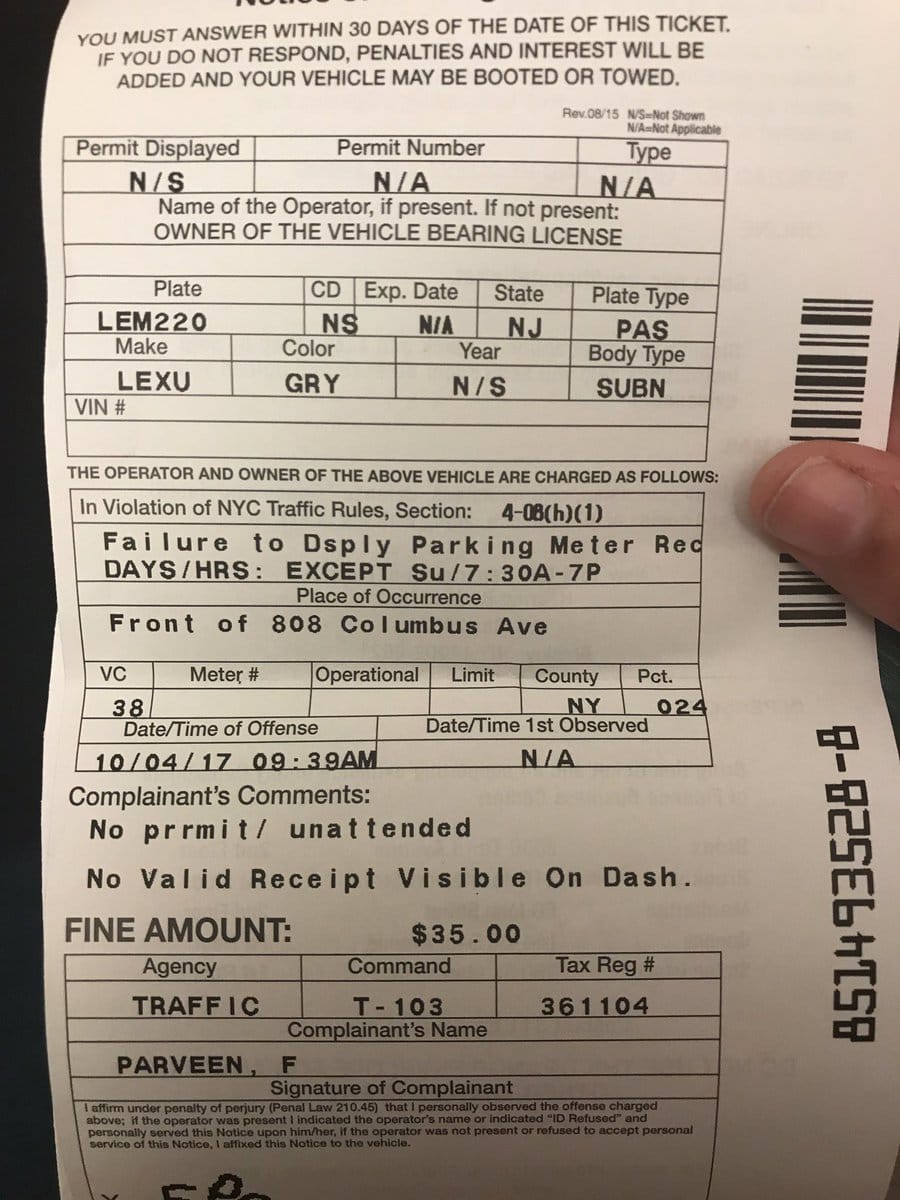
Understanding Parking Violations in New York State
Parking tickets in New York State are issued by various authorities, primarily local municipalities and New York City’s Department of Transportation (DOT) and Parking Violations Bureau (PVB). The cost of a parking ticket is not a fixed statewide rate; instead, it varies significantly based on several critical factors. These include the specific municipality where the violation occurred, the type of parking infraction, and whether it’s a first-time offense or a repeat violation. For instance, parking rules and fines in the concrete jungle of New York City can differ dramatically from those in a quieter upstate city like Albany or a tourist hub like Niagara Falls.
Factors Influencing Parking Ticket Fines
The primary determinant of a parking ticket’s cost is the location of the infraction. New York City, with its dense population and high demand for parking, generally has higher fines compared to other parts of the state. The city’s complex network of streets and varying parking restrictions contribute to this. For example, parking in a “No Standing” zone in Manhattan will invariably incur a steeper penalty than parking illegally on a side street in a less congested area.
Beyond location, the nature of the violation itself plays a pivotal role. Simple infractions, such as expired meters or parking in a restricted zone without a permit, might carry a base fine. However, more serious violations, like parking in a handicapped space without the proper placard, blocking a fire hydrant, or parking in a bus stop, will result in significantly higher fines, often accompanied by additional penalties or even towing. The intent of these stricter penalties is to ensure public safety and maintain the smooth flow of traffic, especially in high-traffic areas like Times Square or near popular attractions like the Metropolitan Museum of Art.
Furthermore, repeat offenses can lead to escalating fines. Many municipalities have a system where subsequent violations of the same type within a certain period can result in doubled or even tripled fines. This policy is designed to deter habitual offenders and emphasize the importance of adhering to parking regulations. For travelers who might be renting a car for a trip that includes visiting various New York landmarks, from the historic Erie Canal to the natural splendor of the Adirondack Mountains, being aware of these accumulating costs is crucial for budget management.
Common Parking Ticket Fines in New York City
New York City is notorious for its strict parking enforcement, and the fines reflect this reality. While the exact amounts can change, here’s a general overview of what you might expect for common parking violations in the five boroughs:
General Parking Infractions
- Expired Meter: Fines for expired parking meters typically start around $65 and can increase if the meter has been expired for an extended period or if it’s a repeat offense. This is a common ticket for those who misjudge time spent exploring areas like Central Park or shopping along Fifth Avenue.
- No Standing/No Parking Zones: Parking in a “No Standing” or “No Parking” zone can result in fines ranging from $115 to $150 or more. These zones are often designated for traffic flow, loading, or to ensure access for emergency vehicles.
- Street Cleaning/Alternate Side Parking: Violating alternate side parking rules, which are in place for street cleaning, can lead to fines of around $65. These rules are strictly enforced, and confusion about the schedule, especially around holidays, can lead to tickets.
- Double Parking: This is a particularly egregious offense in New York City, often resulting in fines of $115 or more, especially if it impedes traffic significantly.
More Serious Parking Violations
- Blocking Hydrants: Parking too close to a fire hydrant is a dangerous violation that can incur fines of $115 or more, and the vehicle may also be towed.
- Handicapped Parking Violations: Parking in a handicapped spot without a valid permit is a serious offense with hefty fines, often starting at $150 and potentially including further penalties.
- Parking in Bus Stops or No Standing Zones for Commercial Vehicles: These violations are typically met with higher fines, often in the range of $115 to $150, to ensure the efficient operation of public transportation and commercial deliveries.
It’s important to note that these are base fines, and additional fees or surcharges might apply. For a precise and up-to-date list, consulting the official New York City Department of Finance website or the New York City DOT is recommended. For travelers staying in hotels like the Plaza Hotel or the St. Regis New York, being aware of these local regulations is paramount.
Parking Ticket Fines Outside of New York City
While New York City often grabs headlines for its parking challenges, other areas in New York State also have their own set of parking regulations and associated fines. These tend to be more modest than those in the city but are still significant enough to warrant attention.
Upstate Cities and Towns
Cities like Buffalo, Rochester, Syracuse, and Albany have their own parking authorities or municipal departments that manage parking enforcement. Fines in these locations are generally lower, often ranging from $25 to $75 for basic infractions like expired meters or parking in restricted areas. However, specific violations, such as parking in a fire lane or blocking driveways, can still result in higher penalties, sometimes comparable to New York City’s less severe tickets.
For visitors exploring destinations like the Finger Lakes region, known for its wineries and natural beauty, or enjoying the historical sites in Saratoga Springs, understanding local parking signs and regulations is key. Many charming towns have limited parking, and adherence to posted rules is crucial to avoid an unexpected expense.
Tourist Destinations and State Parks
Popular tourist destinations, including areas around Niagara Falls State Park or the Thousand Islands, may have specific parking regulations and fees managed by state park authorities or local municipalities. While the fines might not be as high as in New York City, the enforcement can be diligent, especially during peak tourist seasons. For instance, parking in unauthorized areas within Niagara Falls State Park to get a better view could lead to a ticket.
The Escalation of Fines and Consequences
It’s critical to understand that ignoring a parking ticket can lead to a cascade of escalating consequences. In New York State, unpaid parking tickets can result in:
- Increased Fines: Late payment penalties are almost always applied, significantly increasing the original fine amount.
- Vehicle Impoundment: If multiple unpaid tickets accumulate, the vehicle may be subject to booting or towing, incurring additional fees for removal and storage, which can be substantial.
- Driver’s License Suspension: For unresolved parking debt, especially in New York City, the New York State Department of Motor Vehicles (DMV) can suspend a driver’s license, making it illegal to operate any vehicle.
- Credit Score Impact: In some jurisdictions, especially for significant debt, unpaid parking tickets can eventually impact your credit score.
For travelers planning a road trip through New York, perhaps staying at resorts in the Catskills or exploring historical towns like Cooperstown, being mindful of parking is not just about avoiding immediate fines but also about preventing long-term complications that could affect future travel plans or even your ability to drive.
How to Avoid Parking Tickets in New York State
The best way to deal with parking tickets is, of course, to avoid getting them in the first place. This requires a proactive approach and a keen awareness of your surroundings.
Become Familiar with Parking Signs
New York State, like most places, uses standardized signage to indicate parking restrictions. Take the time to read and understand signs, even if they seem inconvenient. Pay close attention to:
- Time Limits: Many spots have a maximum parking duration.
- No Parking/No Standing/No Stopping: These have distinct meanings and penalties. “No Stopping” is the strictest, meaning you cannot even pause momentarily.
- Street Cleaning Schedules: Marked by specific days and times.
- Permit Parking Areas: Only authorized vehicles can park here.
- Handicapped Parking: Reserved for vehicles with valid placards.
Use Parking Apps and Technology
Numerous parking apps are available for New York City and other major cities that can help you find legal parking spots and even pay meters remotely. Some apps can also provide alerts for street cleaning schedules or changes in parking regulations.
Understand Meter Payment Options
Many parking meters in New York State now accept payment via credit card or mobile apps, in addition to coins. Ensure you know the accepted payment methods and have them readily available. Setting a reminder on your phone for when your meter is about to expire is also a useful strategy.
Consider Public Transportation and Ride-Sharing
Especially in dense urban areas like New York City, relying on public transportation (subways, buses) or ride-sharing services (Uber, Lyft) can often be more convenient and cost-effective than driving and struggling to find parking. This allows you to focus on enjoying attractions like the Statue of Liberty, Broadway shows, or a stay at a boutique hotel in SoHo, without the constant worry of parking violations.
When You Do Receive a Ticket
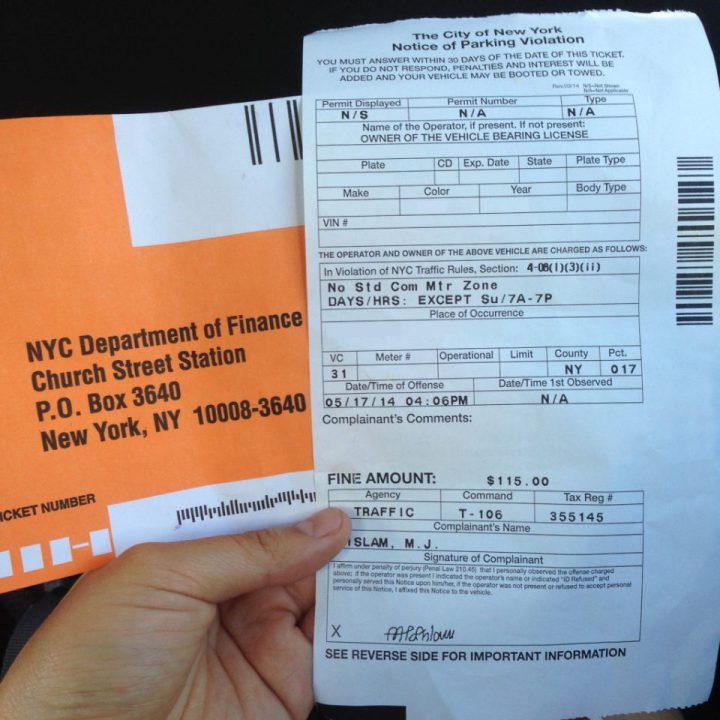
If you do receive a parking ticket, it’s crucial to address it promptly.
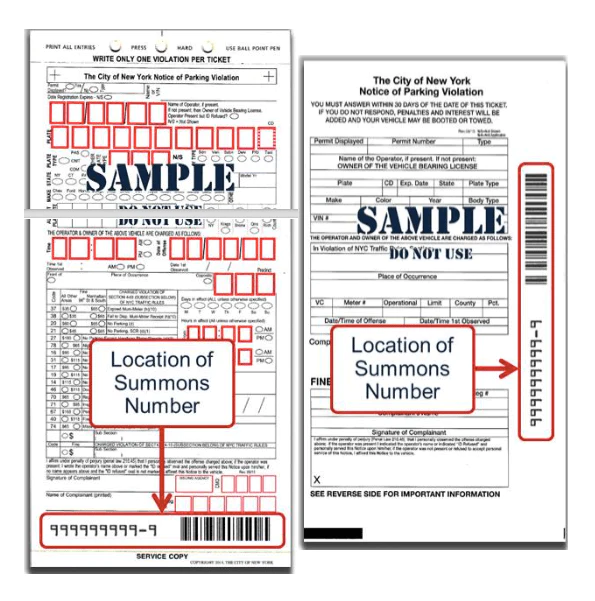
- Review the Ticket Carefully: Ensure all information is accurate. If there are errors, you may have grounds to contest it.
- Pay On Time: To avoid late fees and escalating penalties, pay the fine by the due date. You can typically pay online, by mail, or in person.
- Contest if Necessary: If you believe the ticket was issued in error, you have the right to contest it. Each municipality has its own process for contesting tickets, often involving submitting evidence and potentially attending a hearing.
By staying informed and vigilant, travelers can significantly reduce their chances of receiving a parking ticket, ensuring a smoother and more enjoyable experience exploring all that New York State has to offer. From the iconic skyline of New York City to the serene landscapes of the Adirondacks, a little preparation goes a long way in making your trip memorable for all the right reasons.
LifeOutOfTheBox is a participant in the Amazon Services LLC Associates Program, an affiliate advertising program designed to provide a means for sites to earn advertising fees by advertising and linking to Amazon.com. Amazon, the Amazon logo, AmazonSupply, and the AmazonSupply logo are trademarks of Amazon.com, Inc. or its affiliates. As an Amazon Associate we earn affiliate commissions from qualifying purchases.