
Navigating the bustling streets of Chicago can be an exhilarating experience for visitors, offering access to world-class attractions, diverse neighborhoods, and an iconic skyline. However, for those choosing to explore the city by car, understanding local traffic regulations, particularly concerning red light violations, is paramount. An unexpected red light ticket can not only put a dent in your travel budget but also detract from an otherwise memorable trip. This guide provides comprehensive insights into the costs, implications, and, most importantly, strategies for avoiding red light tickets in the Windy City, ensuring a smoother and more enjoyable visit for tourists.
Navigating Chicago’s Traffic Laws: An Overview for Visitors
Chicago, like many major urban centers, employs automated enforcement systems to enhance traffic safety and compliance. For visitors, this means being extra vigilant, as the enforcement mechanism doesn’t differentiate between residents and tourists. A quick flash from a camera at an intersection can lead to an unwelcome surprise in your mailbox weeks later.
The Red Light Camera Program in Chicago
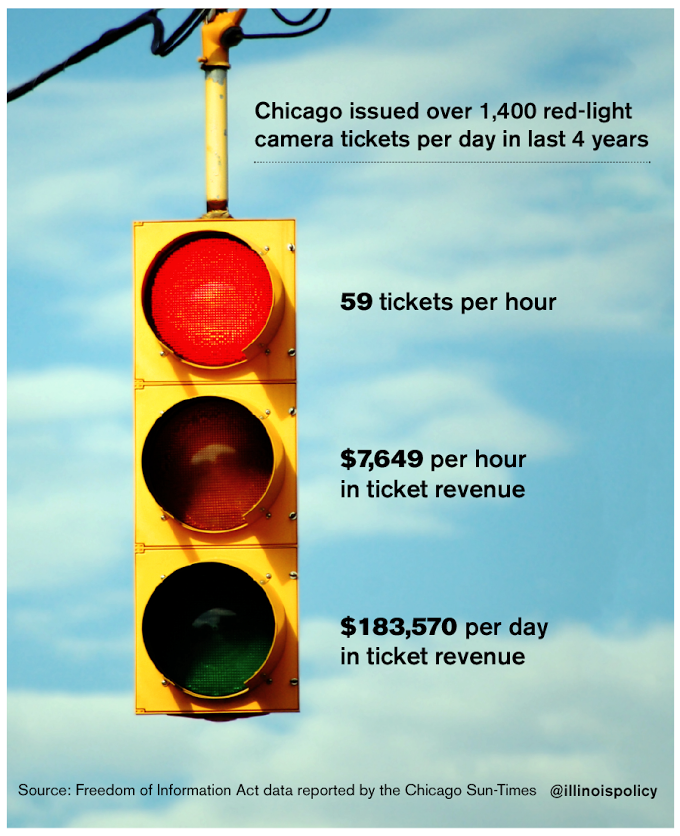
The red light camera program in Chicago is one of the most extensive in the United States. Its primary objective, according to city officials, is to reduce the number of severe intersection crashes, particularly those caused by drivers running red lights. Cameras are strategically placed at high-risk intersections across the city, capturing images and video footage of vehicles that proceed through an intersection after the light has turned red.
The system is designed to capture two distinct images: one showing the vehicle before crossing the white stop line while the light is red, and a second showing the vehicle in the intersection with the red light still active. A clear license plate image is also captured. This evidence is then reviewed by trained personnel before a violation is issued. For tourists, this means that even if you’re unfamiliar with an intersection, the system operates universally, and ignorance of local laws is not typically a defense against a ticket.
Understanding the Fines and Penalties
The financial penalty for a standard red light camera violation in Chicago is consistent. Unlike some moving violations, which can vary based on the specific circumstances, the fine for running a red light caught by camera is fixed. However, the implications extend beyond the initial fine, particularly if the ticket is ignored or if multiple violations occur. It’s crucial for visitors to understand these potential ramifications to avoid further complications during or after their trip.
Types of Red Light Violations and Associated Costs
Understanding the specific nature of a red light violation is key to comprehending its cost and potential impact. In Chicago, most camera-issued tickets fall into a specific category, but it’s important to be aware of other scenarios that could lead to more severe penalties.
Standard Red Light Violation Fines
For a typical red light camera violation in Chicago, the base fine is $100. This amount is consistent for all non-aggravated violations captured by the automated system. It’s important to note that this fine is considered a civil penalty, not a criminal one. This distinction is significant for tourists, as it generally means the violation does not add points to your driver’s license (if you are an out-of-state driver) and typically won’t impact your insurance rates directly from the ticket itself. However, repeated failures to pay can lead to more serious consequences.
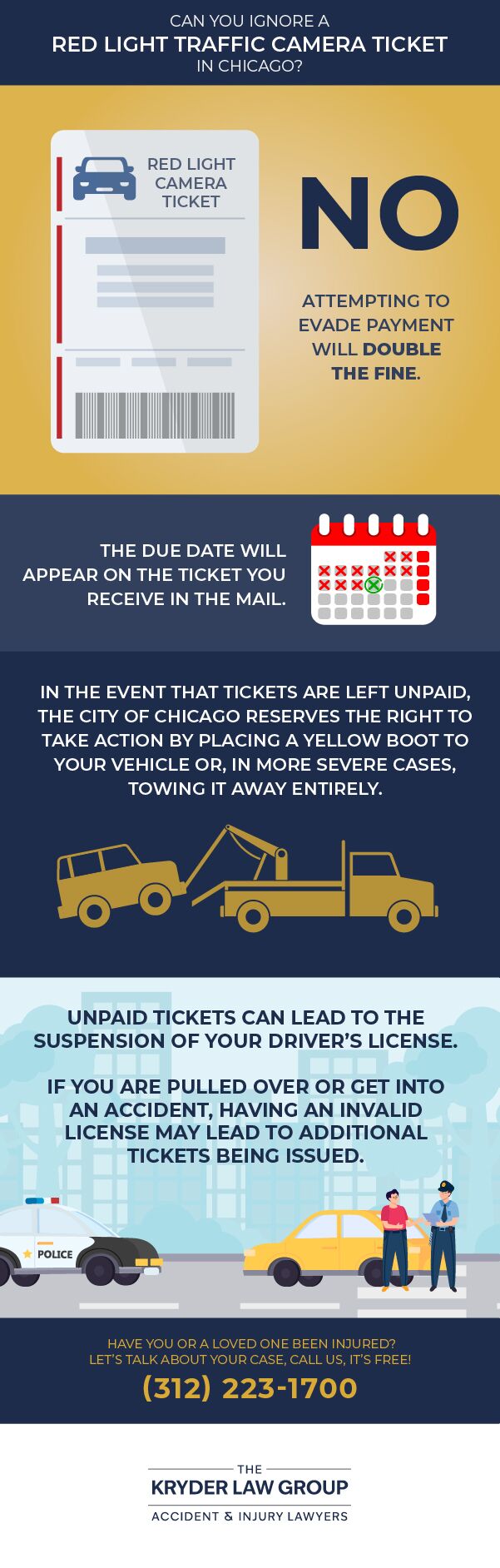
If the fine is not paid by the due date specified on the ticket, the penalty can escalate. Late fees are applied, typically doubling the initial fine. This means a $100 ticket can quickly become a $200 obligation if not addressed promptly. Furthermore, prolonged non-payment can lead to additional collection fees, escalating the total amount owed significantly. For rental car users, unpaid tickets often result in the rental company charging the fine, plus an administrative fee, directly to the credit card on file, sometimes months after your trip has concluded. This highlights the importance of checking for any potential violations, especially if you drove a rental vehicle.
Aggravated Violations and Increased Penalties
While red light camera tickets are civil penalties, there are scenarios where a red light violation, particularly one issued by a police officer, can carry much heavier consequences. If an officer witnesses you running a red light, the ticket issued will be a moving violation, which carries a higher fine (often $150 or more, depending on the circumstances) and can result in points on your driving record. Points on a driving record can lead to increased insurance premiums and, in severe cases, even license suspension, especially for Illinois residents. For out-of-state drivers, these points may be reported to their home state’s Department of Motor Vehicles, depending on inter-state agreements.
Additionally, certain actions related to red light violations can lead to aggravated penalties. For instance, if running a red light contributes to an accident, particularly one involving injuries or fatalities, the legal repercussions become far more severe, escalating beyond simple traffic fines to potential criminal charges. While camera tickets are generally limited to the $100 fine plus late fees, visitors should be aware that aggressive or dangerous driving behaviors around intersections can have much more dire consequences.
What to Do If You Receive a Red Light Ticket in Chicago
Receiving a red light ticket, especially when you’re far from home, can be confusing and stressful. Understanding the process for handling these tickets is crucial for tourists to avoid further complications.
Paying Your Ticket
The simplest and most common way to resolve a red light camera ticket is to pay it. The ticket will clearly state the fine amount, the due date, and instructions for payment. Chicago offers several convenient payment methods:
- Online: The most convenient option for many tourists is paying online through the City of Chicago Department of Finance website. You will need the ticket number and, typically, the license plate number of the vehicle.
- By Mail: Payments can be sent via mail using a check or money order. The mailing address will be provided on the ticket.
- In Person: While less practical for visitors, tickets can also be paid in person at a designated payment facility in Chicago.
It is imperative to pay the ticket by the due date to avoid late fees. If you were driving a rental car, ensure you have a clear understanding with the rental company about how such tickets are handled. Often, rental companies will pay the ticket and then charge your credit card, along with a hefty administrative fee. Proactively paying the ticket yourself before the rental company gets involved can save you money on these additional fees.
Contesting a Ticket
If you believe the ticket was issued in error, you have the right to contest it. The process for contesting a civil red light camera ticket typically involves a request for an administrative hearing. Reasons for contesting might include:
- Vehicle was stolen: Provide a police report to support this claim.
- You were not the driver/owner: Though these tickets are typically issued to the vehicle’s registered owner.
- The traffic signal was malfunctioning: This can be difficult to prove without external evidence.
- Emergency vehicle: If you were pulling over for an emergency vehicle.
- Mistaken identity: E.g., blurry image of the license plate.
To contest, you must follow the instructions on the ticket, which usually involve submitting a written request for a hearing or scheduling an online hearing. For out-of-state visitors, this can be challenging, as attending an in-person hearing might be impractical. Remote or online hearing options are sometimes available, allowing you to present your case without physically being in Chicago. When contesting, provide as much evidence as possible, such as receipts, photographs, or witness statements, though gathering this remotely can be difficult.
The Impact on Your Driving Record (for out-of-state drivers)
As mentioned, red light camera tickets in Chicago are civil violations. This means that, unlike moving violations issued by a police officer, they generally do not result in points on your Illinois driving record. For out-of-state drivers, this distinction is particularly relevant. Most civil infractions, especially those from automated enforcement, are typically not reported to your home state’s Department of Motor Vehicles. Therefore, they are unlikely to affect your driver’s license status or insurance premiums in your home state.
However, repeated or severe failures to pay these civil penalties can lead to consequences. In Illinois, accumulating five or more unpaid non-parking tickets (which include red light camera violations) can lead to the suspension of your vehicle’s registration. For tourists, while this won’t directly impact your out-of-state driver’s license, it could complicate future visits if you own a vehicle registered in Illinois or if the matter escalates to a point where a hold is placed on your ability to renew your license in your home state through interstate compacts (though this is rare for single civil camera violations). Always address any tickets promptly to avoid unforeseen issues.
Essential Tips for Avoiding Red Light Tickets in Chicago
Prevention is always better than dealing with the aftermath of a ticket. By adopting a few key habits and understanding Chicago’s driving environment, tourists can significantly reduce their risk of receiving a red light ticket.
Be Aware of Intersections
Red light cameras are concentrated at intersections with high traffic volumes and accident rates. While it’s impractical to know every camera location, a general heightened awareness when approaching any intersection is beneficial. Look for signs indicating camera enforcement (though not all intersections with cameras are explicitly signed). Always assume that any major intersection could be monitored. Pay extra attention when driving in unfamiliar areas, especially in the downtown Chicago Loop or heavily trafficked commercial districts.
Drive Defensively
Adopt a defensive driving posture. This means maintaining a safe following distance from the vehicle in front of you, which gives you more time to react to changing traffic signals. Avoid distractions like mobile phones or navigating complex GPS instructions while approaching intersections. Keep your focus on the road, traffic lights, and surrounding vehicles. Defensive driving not only helps avoid tickets but also significantly reduces the risk of accidents, contributing to a safer trip.
Understand the Yellow Light Rule
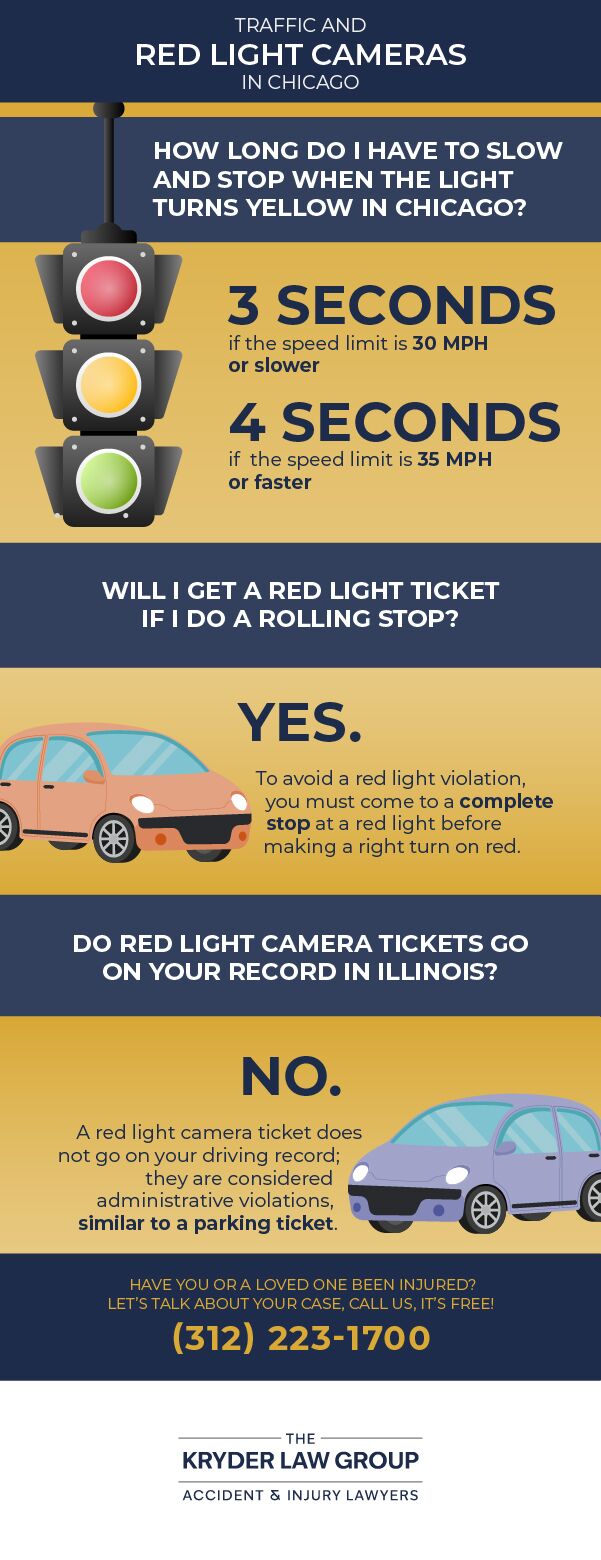
The yellow light is a warning that the signal is about to turn red. The legal interpretation in Illinois states that you should not enter the intersection on a yellow light if you can safely stop before the white stop line. This means that if the light turns yellow and you are far enough back to stop safely, you are expected to do so. Only proceed through a yellow light if stopping safely would cause an immediate hazard (e.g., being rear-ended). Many red light camera violations occur when drivers try to “beat the yellow,” only to find themselves in the intersection as it turns red. Remember, the camera activates when the light is red, not yellow.
Utilize Navigation Apps
Many modern navigation apps, like Google Maps or Waze, offer real-time traffic information and, in some cases, alerts for red light camera locations. While not foolproof, these features can provide an additional layer of awareness for visitors. Use them as a supplement to your own vigilance, not as a replacement for careful driving.
Stay Updated on Local Regulations
Traffic laws and enforcement policies can change. Before your trip, a quick search for “Chicago traffic laws” or “Chicago red light cameras” can help you stay informed about any recent updates or changes in enforcement. The City of Chicago’s official website for its Department of Finance or Department of Transportation is often the best source for current and accurate information. Being informed empowers you to drive more confidently and avoid unnecessary fines during your visit to Chicago.
LifeOutOfTheBox is a participant in the Amazon Services LLC Associates Program, an affiliate advertising program designed to provide a means for sites to earn advertising fees by advertising and linking to Amazon.com. Amazon, the Amazon logo, AmazonSupply, and the AmazonSupply logo are trademarks of Amazon.com, Inc. or its affiliates. As an Amazon Associate we earn affiliate commissions from qualifying purchases.