
Hawaii beckons with its turquoise waters, volcanic landscapes, and vibrant culture, consistently ranking among the most dreamed-about travel destinations. For many, the first and most pressing question when planning a trip to these idyllic Hawaiian Islands is often, “How much will the flight cost?” The answer, unfortunately, is not a simple fixed number. Flight prices to Hawaii are incredibly dynamic, influenced by a myriad of factors ranging from the time of year you travel to your departure city and how far in advance you book. Understanding these variables is key to unlocking an affordable journey to paradise.
The Dynamic Nature of Hawaii Flight Prices: Key Influencers
The cost of a round trip flight to Hawaii can fluctuate wildly, often by hundreds of dollars, depending on several critical elements. Being aware of these influencers can help you strategically plan your trip and potentially save a significant amount.
Seasonality and Demand Cycles
Perhaps the most significant factor affecting flight prices is the time of year you choose to travel. Hawaii experiences distinct peak, shoulder, and off-peak seasons, each with corresponding price variations.
- Peak Season: This typically includes the winter holidays (mid-December through early January), spring break (March to April), and summer vacations (June to August). During these periods, demand is highest, and prices soar. Families traveling with school-aged children, couples seeking warm escapes from colder climates, and holidaymakers all contribute to elevated fares. Expect prices to be at their absolute highest around Christmas and New Year’s.
- Shoulder Season: May, September, and early December (before the holiday rush) fall into this category. The weather is still excellent, crowds are thinner, and flight prices begin to drop as demand lessens. This is often considered an ideal time to visit, offering a balance of good weather and reasonable costs.
- Off-Peak Season: Generally, late January through February (excluding Presidents’ Day weekend) and fall (late August through November, excluding Thanksgiving) offer the lowest prices. While hurricane season in the Pacific officially runs from June 1 to November 30, direct hits on Hawaii are rare, and travel during these months can yield substantial savings.
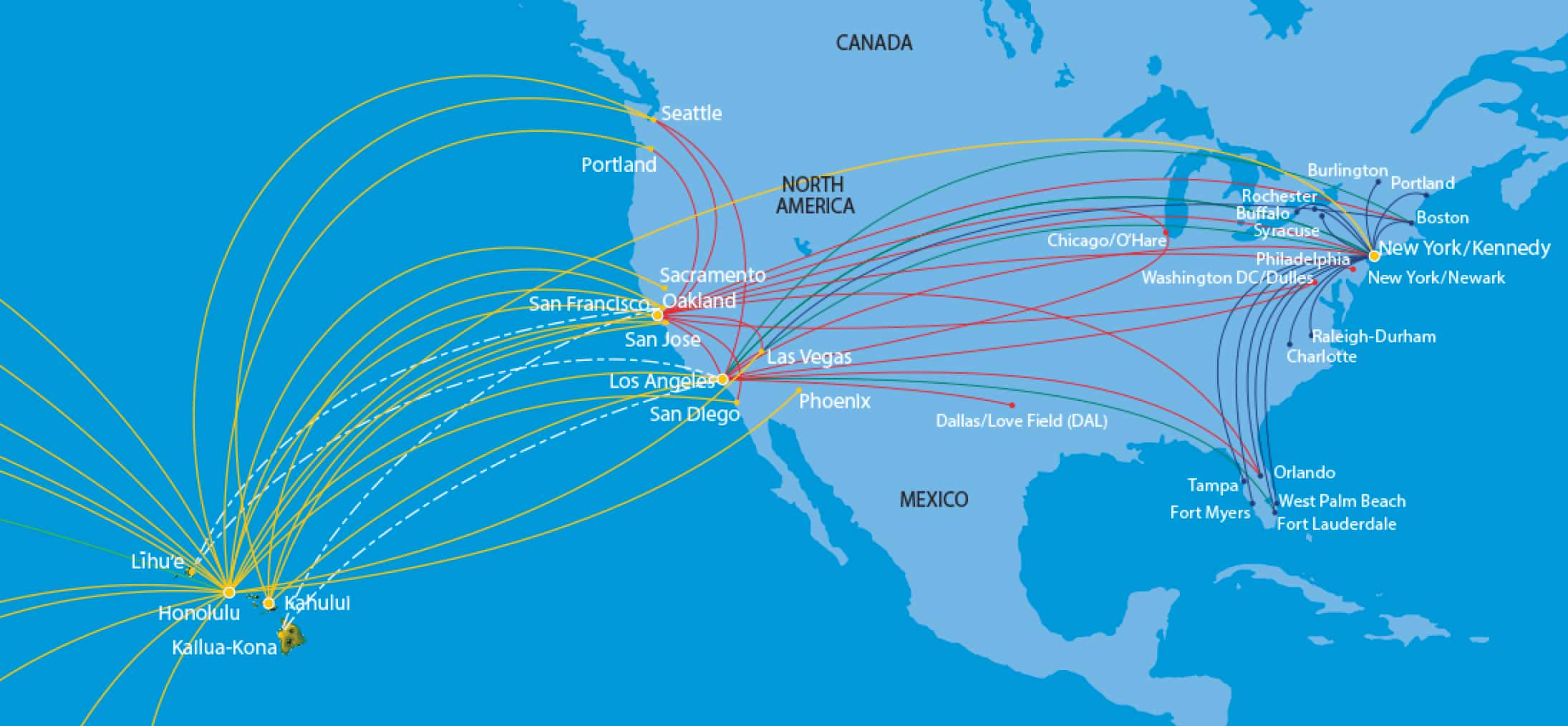
Point of Origin and Flight Routes
Your departure city plays a crucial role in flight costs. Major hub airports, particularly on the West Coast of the United States, typically offer the most competitive fares due to higher competition among airlines and shorter flight distances.
- West Coast Cities: Cities like Los Angeles, San Francisco, and Seattle often have the most direct flights and the lowest base fares to Hawaii.
- Midwest and Central US Cities: Departures from cities such as Chicago, Dallas, or Denver will generally involve longer flights and often require at least one connection, leading to higher prices than West Coast origins.
- East Coast Cities: Travelers from New York, Boston, Miami, and other East Coast locations will almost certainly face the longest travel times and highest costs, usually involving at least one layover.
The Booking Window Sweet Spot
When you book your flight can be just as important as when you fly. Generally, the sweet spot for booking domestic flights (which Hawaii technically is, despite its distance) is 1 to 4 months in advance. For a popular, long-haul destination like Hawaii, extending that to 2 to 5 months out often yields the best results. Booking too far in advance (e.g., 9-12 months) can sometimes mean higher prices as airlines haven’t yet begun their competitive pricing adjustments. Waiting until the last minute is almost always a gamble, typically resulting in significantly higher fares unless you stumble upon a rare, last-minute deal for an undersold flight.
Airline Choice and Fare Class
The airline you choose and the type of fare you select also impact the overall cost.
- Budget vs. Full-Service: Airlines like Southwest Airlines or Alaska Airlines often offer more competitive base fares, but be mindful of their add-on fees for things like checked bags, seat selection, and in-flight amenities. Legacy carriers such as United Airlines, Delta Air Lines, and American Airlines, as well as Hawaiian Airlines, may have slightly higher base prices but might include more in their standard economy fares.
- Fare Class: “Basic Economy” tickets are the cheapest but come with significant restrictions (no seat selection, last to board, no changes). “Standard Economy” offers more flexibility, while “Premium Economy,” “Business Class,” and “First Class” come with escalating comfort and services, and commensurately higher prices.
Your Specific Hawaiian Island Destination
Most international and mainland U.S. flights land at Honolulu International Airport (HNL) on Oahu, making flights to Honolulu generally the most affordable. If your final destination is another island like Maui (Kahului Airport – OGG), Kauai (Lihue Airport – LIH), or the Big Island (Kona Airport – KOA or Hilo Airport – ITO), you might find direct flights available from some West Coast hubs, but they can be pricier. Otherwise, you’ll need to factor in the cost of an additional inter-island flight.
Averages and Expectations: What to Budget for a Round Trip to Hawaii
While prices are highly variable, we can provide some general ranges based on common departure points and seasonality. These are for standard economy class round trips to Honolulu (Oahu). Add $50-$200 for other islands, or consider inter-island flights.
West Coast Departures (e.g., Los Angeles, San Francisco, Seattle)
- Off-Peak (January-February, September-November): $350 – $550
- Shoulder (May, early June, early December): $500 – $700
- Peak (Mid-June to August, Holidays): $650 – $1000+
Central US Departures (e.g., Chicago, Dallas, Denver)
- Off-Peak: $500 – $750
- Shoulder: $700 – $950
- Peak: $900 – $1300+
East Coast Departures (e.g., New York, Boston, Miami)
- Off-Peak: $600 – $900
- Shoulder: $850 – $1200
- Peak: $1100 – $1800+ (or even higher during major holidays)
What Constitutes a “Good Deal”
Generally, a “good deal” to Hawaii would be:
- West Coast: Under $400 round trip.
- Central US: Under $600 round trip.
- East Coast: Under $750-$800 round trip.
Finding prices significantly below these benchmarks is possible, often requiring flexibility and diligent searching, sometimes through flash sales or error fares.
Proven Strategies for Securing Affordable Hawaii Flights
With a strategic approach, you can significantly increase your chances of finding a great deal on your round trip flight to Hawaii.
Embrace Flexibility in Travel Dates
This is arguably the most impactful strategy. If your schedule allows, try to fly during the off-peak or shoulder seasons. Even within a week, flying on Tuesdays, Wednesdays, or Saturdays (sometimes) can be cheaper than Fridays or Sundays. Use “flexible date” search options on flight comparison websites to view a month’s worth of prices at a glance.
Leverage Flight Comparison Tools and Price Alerts
Utilize powerful flight search engines like Google Flights, Skyscanner, Kayak, and Hopper. These platforms allow you to compare prices across multiple airlines and travel agencies. Crucially, set up price alerts for your desired route. You’ll receive email notifications when fares drop, allowing you to snatch up deals as soon as they appear.
Don’t Shun the Layover
While direct flights are convenient, they often come at a premium. If saving money is your priority, be open to flights with one or more layovers. Often, adding a stop, especially on longer routes from the East Coast or Midwest, can reduce the overall ticket price by hundreds of dollars.
The Inter-Island Hopping Hack
If you plan to visit an island other than Oahu, consider booking your mainland flight to Honolulu International Airport (HNL) first, as these are typically the cheapest arrival points. Then, book a separate inter-island flight with carriers like Hawaiian Airlines or Southwest Airlines. Sometimes, these separate bookings can be significantly cheaper than trying to find a direct flight from the mainland to a smaller Hawaiian Island airport.
Strategic Use of Airline Miles and Credit Card Points
For frequent travelers or savvy credit card users, airline miles and credit card reward points can be a game-changer. Accumulating points through travel credit cards (especially those with generous sign-up bonuses) or airline loyalty programs can allow you to book flights to Hawaii for minimal cash outlay, often just covering taxes and fees. Be aware that award availability can be limited, especially during peak seasons, so plan well in advance.
Consider Incognito Browsing and Clearing Cookies
While debated in its effectiveness, some travelers believe that using incognito mode in your browser or clearing your cookies can prevent websites from tracking your searches and potentially inflating prices on repeat visits. It’s a quick and harmless step that might occasionally work in your favor.
Beyond the Base Fare: Accounting for Additional Flight-Related Costs
When budgeting for your trip to Hawaii, remember that the advertised base fare is often just the starting point. Several additional flight-related costs can add up.
Checked Baggage Fees
Many airlines, especially budget carriers or when you book a “Basic Economy” fare, charge for checked luggage. These fees can range from $30-$40 for the first bag each way, quickly adding $60-$80 or more per person to a round trip. Be sure to check your airline’s baggage policy before you fly.
Seat Selection and Upgrades
If you want to choose your seat (e.g., a window, aisle, or exit row with more legroom), airlines often charge an additional fee, particularly for basic economy fares. Upgrading to a premium economy or business class seat for added comfort will naturally incur a much higher cost.
In-Flight Services
While some legacy carriers still offer complimentary meals and entertainment on long-haul flights to Hawaii, many have scaled back. Expect to pay extra for food, alcoholic beverages, premium entertainment, or Wi-Fi access on many flights.
Inter-Island Flight Costs
As mentioned, if your journey involves visiting multiple islands, you’ll need to factor in the cost of separate inter-island flights. These typically range from $40-$100 per segment, per person, depending on the route and booking time.
Airport Transfers
While not strictly a flight cost, getting to and from the airport on both ends of your journey adds to the overall travel expense. Consider the cost of parking, taxis, ride-shares, or public transportation.

Conclusion
A round trip flight to Hawaii represents a significant portion of any travel budget, with prices typically ranging from $350 to over $1800, depending on your origin, time of year, and flexibility. While the allure of paradise often makes the investment worthwhile, a well-informed and strategic approach to booking is essential. By understanding the key factors that influence pricing—seasonality, departure point, booking window, and airline choice—and by employing savvy search tactics like setting price alerts, being flexible with dates, and considering layovers, you can significantly reduce your airfare. Remember to also account for additional costs such as baggage and inter-island flights to get a true picture of your total travel expenses. With careful planning and a bit of persistence, your dream of experiencing the breathtaking beauty of the Hawaiian Islands can become an affordable reality.
LifeOutOfTheBox is a participant in the Amazon Services LLC Associates Program, an affiliate advertising program designed to provide a means for sites to earn advertising fees by advertising and linking to Amazon.com. Amazon, the Amazon logo, AmazonSupply, and the AmazonSupply logo are trademarks of Amazon.com, Inc. or its affiliates. As an Amazon Associate we earn affiliate commissions from qualifying purchases.