
The allure of Hawaii is undeniable. With its pristine beaches, vibrant culture, and breathtaking volcanic landscapes, it’s a dream destination for many. However, before packing your bags and donning your lei, a crucial question often arises: “How much will a round trip ticket to Hawaii cost?” The answer, unfortunately, is not a simple fixed number. Flight prices to the Aloha State are a complex puzzle influenced by a myriad of factors, fluctuating wildly depending on when you travel, where you depart from, and even which airline you choose.
Navigating the world of airfares can be daunting, but with a bit of insight and strategic planning, finding an affordable ticket to paradise is entirely possible. This comprehensive guide will break down the variables that impact flight costs, provide typical price ranges from different regions, and arm you with effective strategies to secure the best deal for your Hawaiian adventure.
Understanding the Variables: What Impacts Flight Prices to Hawaii?
The cost of a round trip ticket to Hawaii is rarely static. Numerous elements conspire to dictate the final price you pay, making it essential to understand these influencing factors to make informed decisions.
Departure Location
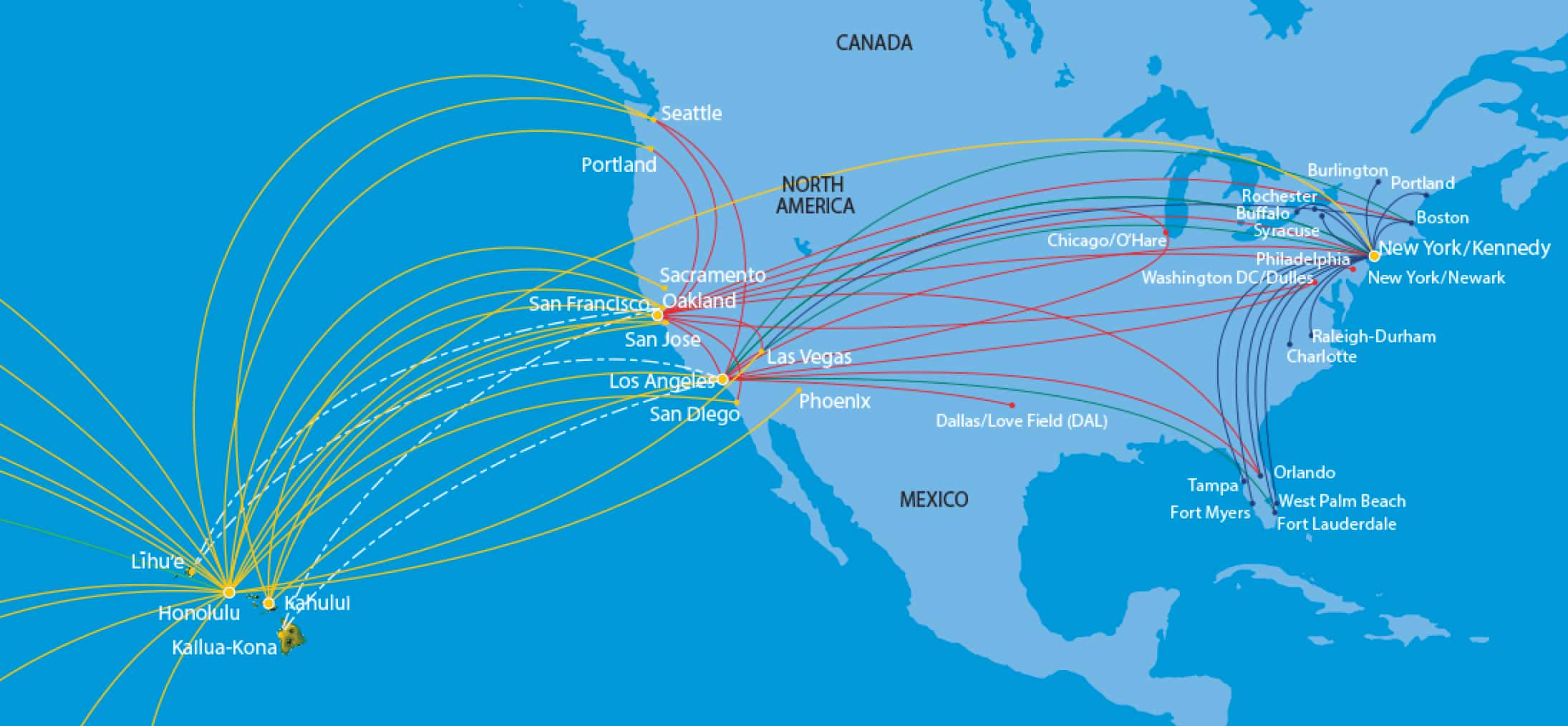
Your starting point plays a significant role in determining flight costs. Travelers departing from the West Coast of the United States typically enjoy shorter flight times and more competitive pricing due to the proximity and higher volume of direct flights. Major hubs like Los Angeles, San Francisco, and Seattle often have the cheapest and most frequent connections. As you move eastward across the country, prices generally increase, reflecting the longer distances and potential need for connecting flights. Passengers flying from the Midwest, East Coast, or even international locations will naturally incur higher fares.
Time of Year and Seasonality
Just like any popular tourist destination, Hawaii experiences peak and off-peak seasons, which directly impact airfare.
- Peak Season: This typically includes major holidays (Christmas, New Year’s, Thanksgiving), spring break (March-April), and the summer months (June-August). During these times, demand is at its highest, and consequently, flight prices soar. You’ll also see spikes around major events like the Ironman World Championship held annually in Kona on the Big Island.
- Shoulder Seasons: These periods, generally April-May (excluding spring break) and September-November (excluding Thanksgiving), offer a sweet spot. The weather is still fantastic, crowds are thinner, and flight prices tend to be more moderate.
- Off-Peak Season: While Hawaii doesn’t have a true “off-season” in terms of weather, late January through early March (after the holiday rush) can sometimes yield lower fares.
Booking Window
Timing your booking can be a game-changer. Airlines constantly adjust prices based on demand, availability, and complex algorithms.
- Sweet Spot: Generally, booking 1 to 3 months in advance for domestic flights to Hawaii is considered ideal. For peak season travel, extending this to 4-6 months out can be beneficial.
- Too Early/Too Late: Booking too far in advance (e.g., 9-12 months) might mean missing out on sales, as airlines often haven’t finalized their most competitive pricing. Conversely, last-minute bookings (within a few weeks) are almost always more expensive, especially for popular routes.
Airline Choice and Fare Class
The airline you choose and the specific fare class you book will profoundly affect the ticket price.
- Full-Service Carriers: Airlines like Hawaiian Airlines, United Airlines, Delta Air Lines, and American Airlines typically offer a more comprehensive experience (e.g., complimentary meals, checked bags, in-flight entertainment) but often come with higher price tags.
- Budget Carriers: Airlines such as Southwest Airlines and Alaska Airlines often provide more competitive base fares but may charge extra for services like checked luggage, seat selection, and in-flight meals. Understanding what’s included in your basic economy ticket is crucial to avoid hidden costs.
- Fare Class: Even within the economy cabin, different fare classes exist (e.g., Basic Economy, Main Cabin, Economy Plus), each with varying levels of flexibility, baggage allowances, and amenities, directly influencing the price.
Specific Hawaiian Island Destination
While flying to Hawaii is the goal, the specific island you choose can also impact your flight cost. Oahu, home to Honolulu and Daniel K. Inouye International Airport (HNL), typically has the most direct flights and highest competition, often resulting in the lowest fares. Flights to other popular islands like Maui (Kahului Airport – OGG), the Big Island (Kona International Airport – KOA, Hilo International Airport – ITO), or Kauai (Lihue Airport – LIH) might be slightly higher, especially if they require an additional connecting flight or an inter-island transfer.
Typical Price Ranges for a Round Trip to Hawaii
Given the multitude of variables, providing exact prices is impossible, but we can offer general ranges to help you budget for your trip. These figures represent typical economy class round trip fares and can fluctuate significantly based on booking time, flexibility, and current airline promotions.
From the West Coast (e.g., Los Angeles, San Francisco, Seattle)
- Budget (Off-Peak/Basic Economy): $300 – $500. These are often sale fares or found during less popular travel times. You’ll likely encounter basic economy restrictions.
- Average (Regular Economy): $500 – $700. This is a common price point for a standard economy ticket outside of peak demand.
- Peak/Premium (Summer, Holidays, Flex Fares): $700 – $1000+. During high season or for more flexible economy tickets, prices can easily climb into this range.
From the Midwest/Mountain States (e.g., Denver, Chicago)
- Budget (Off-Peak, Rare Sales): $500 – $700. Such low prices are less common but can appear during deep sales or very specific dates.
- Average (Standard Economy): $700 – $1000. Most travelers from these regions should expect fares within this bracket for a decent round trip.
- Peak/Premium (Holidays, Summer): $1000 – $1500+. Flights during peak times will often push past the $1000 mark.
From the East Coast (e.g., New York, Miami)
- Budget (Very Rare Sales): $600 – $900. Finding fares this low from the East Coast is exceptional and requires significant flexibility and luck.
- Average (Standard Economy): $900 – $1300. This is a more realistic expectation for a typical round trip ticket.
- Peak/Premium (Holidays, Summer): $1300 – $2000+. Due to the longer travel distance and typically more connections, East Coast flights to Hawaii during peak seasons can be quite expensive.
It’s crucial to remember that these are just general guidelines. Flash sales, airline competition, and fuel price fluctuations can cause prices to deviate significantly from these ranges.
Strategies to Find Cheaper Flights to Hawaii
While the price can vary wildly, you’re not powerless in your quest for affordable Hawaiian flights. Employing a few smart strategies can significantly reduce your travel costs.
Be Flexible with Dates
This is arguably the most impactful strategy.
- Travel During Shoulder Seasons: Aim for late April to early June or September to early December (avoiding Thanksgiving and Christmas). These shoulder seasons offer pleasant weather and fewer crowds at a lower price point.
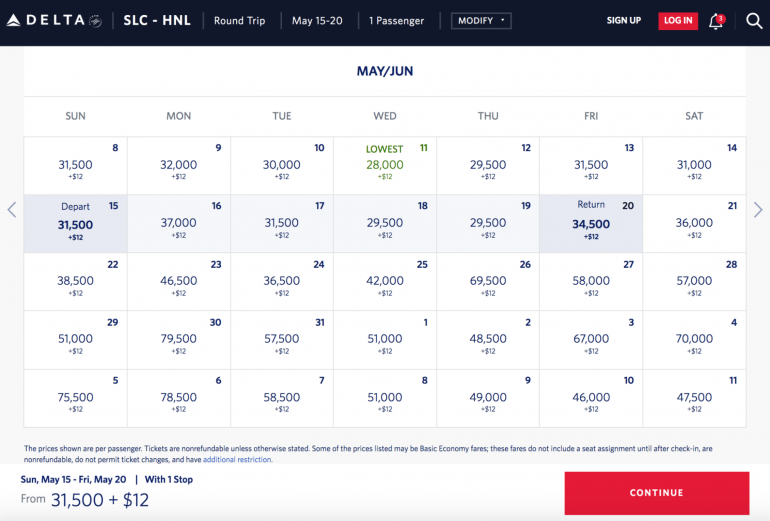
- Mid-Week Travel: Flying on Tuesdays, Wednesdays, or Thursdays is often cheaper than weekend travel.
- Use Flexible Date Search Tools: Most flight comparison websites like Google Flights, Skyscanner, and Kayak allow you to view prices across an entire month or even a flexible date range, helping you pinpoint the cheapest days to fly.
Utilize Flight Comparison Sites and Price Alerts
Don’t just check one airline’s website. Aggregators pull data from multiple carriers, giving you a broader view of the market.
- Comparison Websites: Google Flights, Skyscanner, Kayak, and Expedia are excellent tools. Be sure to check prices in an incognito or private browsing window, as some sites can track your searches and potentially increase prices.
- Set Price Alerts: Almost all comparison sites offer email alerts that notify you when prices drop for your desired route. This allows you to monitor fluctuations without constantly checking manually.
Consider Budget Airlines and Basic Economy
While not for everyone, budget carriers and basic economy fares can offer significant savings.
- Understand Trade-offs: Be aware that these tickets often come with restrictions, such as no free checked bags (sometimes even for carry-ons), no seat selection, and no changes.
- Southwest Airlines: A popular option for Hawaii travel, Southwest Airlines is known for its two free checked bags policy and no change fees, which can offset higher base fares from other budget carriers if you plan to check luggage.
Fly into a Major Hub First
For travelers from the East Coast or Midwest, sometimes it can be cheaper to book two separate tickets: one to a West Coast hub like Los Angeles or San Francisco, and then a second, separate ticket from there to Hawaii. This “hacker fare” strategy requires careful planning and ample layover time to account for potential delays, but it can yield substantial savings.
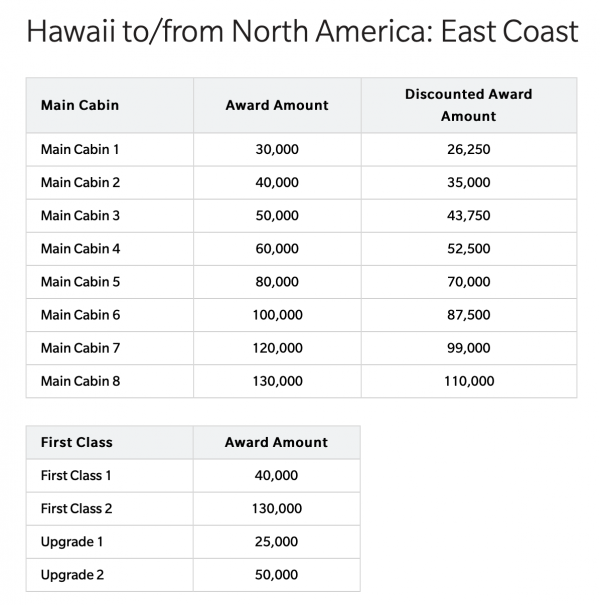
Use Airline Miles and Credit Card Rewards
If you’re a frequent flyer or a savvy credit card user, accumulating airline miles or flexible travel points can make your Hawaiian dream trip a reality for just the cost of taxes and fees.
- Airline Co-Branded Cards: Cards tied to specific airlines (e.g., Hawaiian Airlines credit card) often offer sign-up bonuses and earning rates that make award travel achievable.
- Flexible Travel Point Cards: Cards that earn points transferable to multiple airline partners provide maximum flexibility for finding award space.
Additional Flight-Related Costs to Factor In
While the base fare is the largest component, don’t overlook other potential costs that can add up.
Baggage Fees
Many basic economy and even standard economy fares on full-service carriers no longer include free checked luggage, especially on domestic flights. Expect to pay anywhere from $30-$70 per checked bag, each way, depending on the airline and the number of bags. If you’re traveling with a lot of gear for a longer stay, these fees can quickly erode any savings from a cheap base fare.
Seat Selection Fees
Especially with budget airlines or basic economy tickets, choosing your seat in advance often incurs an extra charge. If you have specific seating preferences (e.g., window, aisle, extra legroom), budget for these add-ons.
In-flight Services
While many airlines now offer free basic entertainment streaming to your personal device, some may still charge for premium content, Wi-Fi access, or full meals beyond basic snacks. Plan accordingly if these services are important to you during the long flight to Hawaii.
Inter-Island Flights
If your Hawaiian adventure involves hopping between islands (e.g., flying into Oahu and then visiting Maui or Kauai), remember to factor in the cost of inter-island flights. These typically range from $50-$150 per segment with airlines like Hawaiian Airlines or Southwest Airlines.
Conclusion
A round trip ticket to Hawaii is a significant investment, but it’s a dream within reach for many travelers. While there’s no single price tag, understanding the factors that influence airfare – from your departure city and the time of year to your chosen airline and booking strategy – empowers you to find the best possible deal.
By being flexible with your travel dates, utilizing flight comparison tools and price alerts, considering different airline options, and accounting for all associated costs, you can significantly reduce the financial barrier to experiencing the magic of the Hawaiian Islands. With careful planning and a bit of savvy, your journey to paradise can be both memorable and surprisingly affordable.
LifeOutOfTheBox is a participant in the Amazon Services LLC Associates Program, an affiliate advertising program designed to provide a means for sites to earn advertising fees by advertising and linking to Amazon.com. Amazon, the Amazon logo, AmazonSupply, and the AmazonSupply logo are trademarks of Amazon.com, Inc. or its affiliates. As an Amazon Associate we earn affiliate commissions from qualifying purchases.