
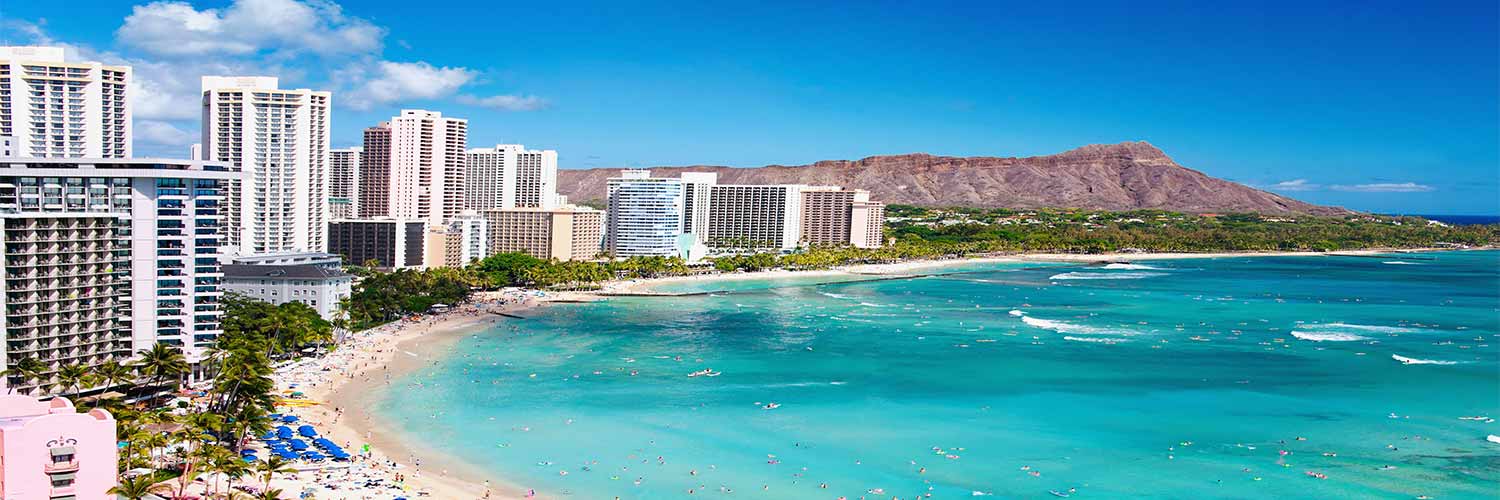
Dreaming of the shimmering turquoise waters, the lush volcanic landscapes, and the spirit of aloha? A trip to the Hawaiian Islands is a bucket-list aspiration for many. But before you start picturing yourself on a pristine Waikiki beach or hiking through a verdant rainforest, the practical question arises: “How much is a round trip to Hawaii?” The answer, as with many travel queries, is not a simple number but a spectrum influenced by a multitude of factors. This comprehensive guide will break down the key components of your travel costs, helping you budget effectively for your dream Hawaiian getaway.
The cost of a round trip to Hawaii is a complex equation, heavily dependent on your departure city, the time of year you choose to travel, your accommodation preferences, the duration of your stay, and the types of experiences you seek. Understanding these variables is crucial for creating a realistic budget and ensuring your Hawaiian adventure is both unforgettable and financially manageable.
Airfare: The Foundation of Your Hawaiian Journey
The most significant component of any round trip to Hawaii is, undoubtedly, the airfare. This is where your budget will likely see its largest allocation, and it’s also the area where prices can fluctuate the most dramatically.
Factors Influencing Airfare Prices
Several key elements dictate how much you’ll pay for your flight tickets to paradise.
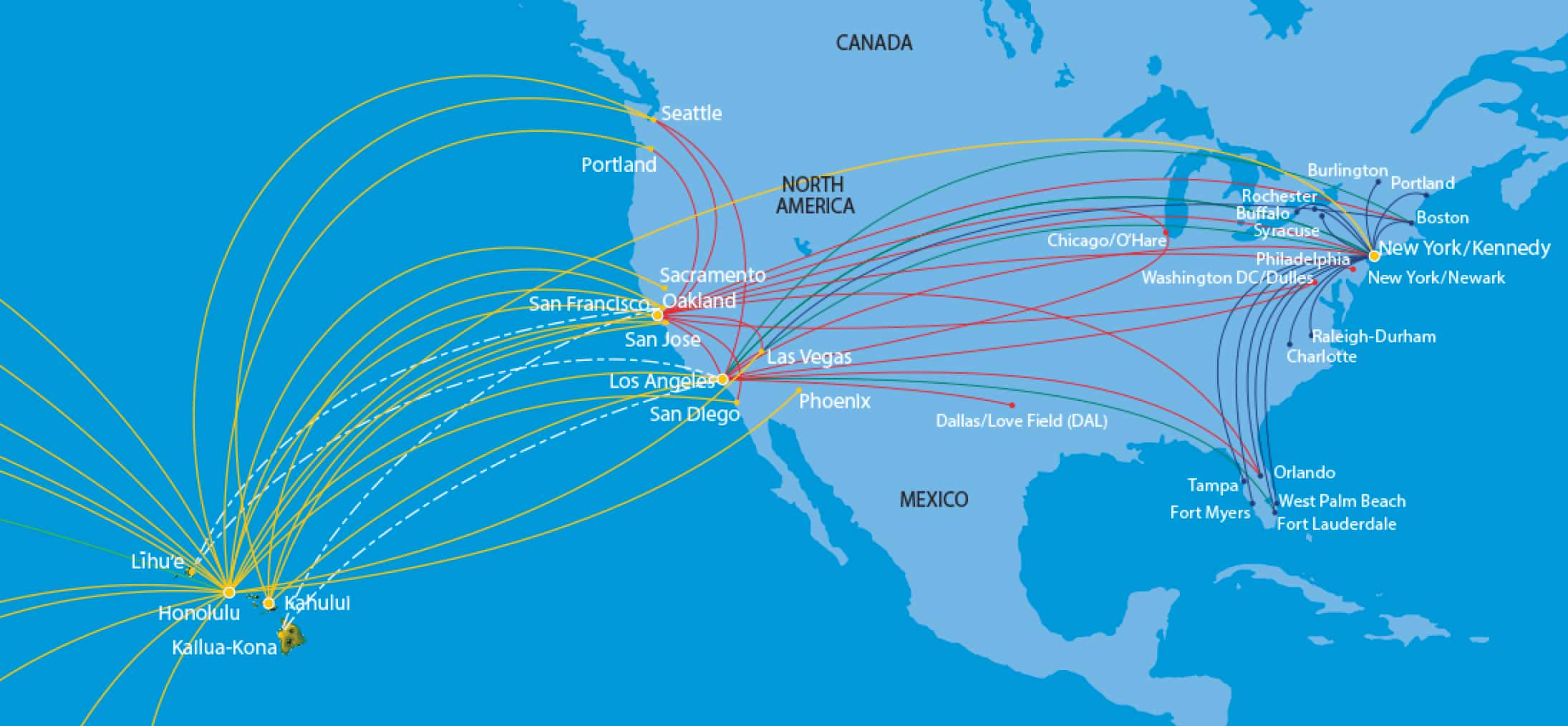
- Departure City: Flights from the West Coast of the United States, particularly cities like Los Angeles or San Francisco, tend to be less expensive than those from the East Coast or Midwest. This is due to the shorter flight distance and higher frequency of flights. Traveling from further afield, such as Europe or Asia, will naturally incur higher costs.
- Time of Year (Seasonality): Hawaii experiences peak tourist seasons, and prices soar accordingly. The most expensive times to fly are generally during the winter months (mid-December to mid-April), when many people seek to escape colder climates, and during the summer vacation months (June to August). The shoulder seasons, such as late April to early June and September to mid-December (excluding the holiday period), often offer more affordable airfare and pleasant weather. Traveling during the off-peak season can lead to substantial savings on flights.
- Day of the Week: Tuesdays and Wednesdays are typically the cheapest days to fly, while Fridays and Sundays are usually the most expensive due to weekend travel demand.
- Booking Window: The age-old adage of “book early” generally holds true for Hawaii flights. While last-minute deals can sometimes emerge, booking your flights several months in advance (ideally 3-6 months out) can often secure you better prices. Conversely, waiting too long can result in inflated fares as seats fill up.
- Airline Choice and Flexibility: Different airlines have varying pricing structures. Budget carriers might offer lower base fares, but it’s essential to factor in potential add-on costs for baggage, seat selection, and in-flight amenities. Being flexible with your travel dates and times, even by a day or two, can unlock significant savings.
- Direct vs. Connecting Flights: Direct flights are convenient but often more expensive. Flights with one or more layovers can be cheaper, but they add to your travel time. Carefully weigh the cost savings against the added travel duration and potential for delays.
Estimating Airfare Costs
As a rough estimate, round-trip airfare to Hawaii from the US mainland can range from $500 to $1,200+ per person. From the East Coast, expect to pay anywhere from $800 to $1,500+. International travelers will likely see higher figures, depending on their origin. For instance, a round trip from London could easily range from $1,200 to $2,000+. These are generalized figures, and diligent research using flight comparison websites is essential for obtaining accurate quotes for your specific travel plans.
Booking Your Flights
When searching for flights, utilize comparison websites such as Google Flights, Skyscanner, or Kayak. These platforms aggregate prices from numerous airlines, allowing you to easily compare options. Don’t forget to check the airlines’ official websites directly, as they sometimes offer exclusive deals. Consider setting up price alerts for your desired routes to be notified when fares drop.
Accommodation: Your Home Away From Home
Once your flights are secured, the next major expense is where you’ll stay. Hawaii offers a diverse range of accommodation options, catering to every budget and travel style, from luxurious beachfront resorts to budget-friendly apartments.
Types of Accommodation and Their Cost Implications
- Luxury Resorts and Hotels: For those seeking an indulgent experience, Hawaii boasts world-class resorts and hotels. Properties on islands like Maui (e.g., the Grand Wailea Maui, A Waldorf Astoria Resort) or Oahu (e.g., the Moana Surfrider, A Westin Resort & Spa) often offer stunning ocean views, multiple swimming pools, fine dining, and extensive amenities. Prices for these can range from $400 to $1,000+ per night.
- Mid-Range Hotels and Boutique Inns: These options provide comfort and good amenities without the premium price tag of luxury resorts. You can expect to find well-appointed rooms, often with pools and convenient locations. Prices typically range from $200 to $400 per night.
- Vacation Rentals (Apartments, Villas, Condos): Platforms like Airbnb and VRBO offer a fantastic alternative, especially for families or groups. Renting an apartment or villa can provide more space, a kitchen for preparing some meals (saving on dining costs), and a more local feel. Prices vary greatly depending on size, location, and amenities, but can range from $150 to $500+ per night.
- Budget-Friendly Options (Hostels, Budget Hotels): For the cost-conscious traveler, hostels and basic hotels offer a place to rest your head. These are more prevalent in areas with higher student populations or near surf spots, but can be found on most islands. Expect to pay $80 to $150 per night.
The Influence of Location on Accommodation Costs
The island and specific location within the island significantly impact accommodation prices. Oahu, being the most populated island and home to Honolulu and Waikiki, generally has a wide range of options but can be more expensive in prime tourist areas. Maui is renowned for its luxury resorts, driving up average prices. Kauai and the Big Island might offer slightly more varied price points, with opportunities for more secluded and potentially more affordable stays, depending on the chosen region. For example, staying in a popular area like Ka’anapali on Maui will likely be more expensive than a more remote location on the Big Island.
Duration of Stay
The length of your trip directly correlates with your total accommodation expenditure. A week-long stay will naturally cost more than a long weekend. It’s also worth considering that some vacation rentals offer discounts for longer bookings (e.g., weekly or monthly rates), which can be beneficial for extended trips.
On-Island Expenses: Beyond Flights and Lodging
While airfare and accommodation form the bulk of your round-trip cost, don’t forget to budget for the expenses you’ll incur once you’ve arrived in Hawaii. These are often referred to as “on-island expenses” and can significantly shape your overall travel budget, especially if you’re aiming for a luxury travel experience or a more immersive budget travel adventure.
Transportation
Getting around the islands is essential. The cost will depend on your chosen method:
- Rental Cars: This is the most common and often most convenient way to explore Hawaii, especially if you plan to visit multiple attractions or venture off the beaten path. Prices can vary widely based on the car type, rental company, and island. Expect to pay anywhere from $50 to $150+ per day for a standard rental car, not including insurance or gas. Booking in advance is highly recommended, as rental cars can be scarce and expensive, particularly during peak seasons.
- Ride-Sharing Services (Uber/Lyft): Available in more populated areas like Honolulu and parts of Maui and the Big Island, these can be a viable option for shorter trips or airport transfers if you aren’t renting a car. Costs will add up quickly for longer distances.
- Public Transportation: Oahu has a decent bus system (TheBus) in Honolulu and surrounding areas, which is very affordable. Other islands have limited public transport, often catering to specific routes and may not be practical for extensive sightseeing.
- Taxis: Similar to ride-sharing, taxis are convenient but can be expensive for frequent use.
- Inter-Island Flights: If you plan to visit multiple islands, you’ll need to factor in the cost of inter-island flights. Airlines like Hawaiian Airlines operate frequent flights between the main islands, typically costing $50 to $150 per person for a one-way trip.
Food and Dining
Hawaii offers a vibrant culinary scene, from local plate lunches to gourmet dining. Your food budget will depend on your preferences:
- Eating Out: Dining at restaurants can range from casual eateries serving local favorites like poke bowls and kalua pig to upscale restaurants with ocean views. A sit-down meal for one person can cost $20 to $50+, excluding drinks and tip.
- Groceries and Self-Catering: If you have a rental with a kitchen, buying groceries from local supermarkets can significantly reduce your food expenses. This is a great option for breakfast, lunch, and even some dinners.
- Food Trucks and Local Grinds: Many islands feature excellent food trucks and local “grindz” (food stalls) offering delicious and affordable meals, a fantastic way to experience authentic Hawaiian cuisine without breaking the bank.
Activities and Attractions
The magic of Hawaii lies in its natural beauty and unique culture. Budget for the experiences that appeal to you:
- Free Activities: Many of Hawaii‘s best attractions are free, including swimming at world-renowned beaches like Hanauma Bay (though an entrance fee may apply), hiking scenic trails, watching sunsets, and exploring local towns.
- Paid Attractions and Tours: This can include activities like:
- Pearl Harbor tours (starting from around $30 for basic access, more for guided tours).
- Luau experiences (typically $100 – $200+ per person).
- Snorkeling or diving excursions (from $70 – $200+).
- Surfing lessons (around $75 – $150).
- National and State Park entrance fees.
- Helicopter tours (can range from $250 to $500+ per person).
- Visits to attractions like the ʻIolani Palace or the Volcanoes National Park.
Miscellaneous Expenses
Don’t forget to factor in:
- Souvenirs: A small budget for gifts and mementos.
- Travel Insurance: Highly recommended for peace of mind.
- Tips: For service staff, tour guides, etc.
- Resort Fees and Taxes: Many hotels and resorts charge daily resort fees on top of the room rate, and all accommodations are subject to state and local taxes. These can add a significant percentage to your accommodation bill.

Putting It All Together: Estimating Your Total Round Trip Cost
To provide a more concrete estimation, let’s consider a hypothetical 7-day trip for one person from the US mainland (West Coast):
Budget Traveler:
- Flights: $600 (booked during shoulder season)
- Accommodation: $100/night x 6 nights (budget hotel/hostel) = $600
- Transportation: $50/day x 7 days (mix of public transport and occasional ride-share/short rental) = $350
- Food: $50/day x 7 days (mix of groceries, food trucks, and casual dining) = $350
- Activities: $300 (focusing on free and low-cost options)
- Total Estimated Budget Cost: ~$2,200 per person
Mid-Range Traveler:
- Flights: $800 (booked in advance, flexible dates)
- Accommodation: $250/night x 6 nights (mid-range hotel/comfortable vacation rental) = $1500
- Transportation: $70/day x 7 days (rental car for a few days, ride-sharing) = $490
- Food: $80/day x 7 days (mix of dining out and some self-catering) = $560
- Activities: $700 (including a couple of tours and paid attractions)
- Total Estimated Mid-Range Cost: ~$4,050 per person
Luxury Traveler:
- Flights: $1200+ (direct flights, premium economy or business class)
- Accommodation: $500+/night x 6 nights (luxury resort/villa) = $3000+
- Transportation: $120+/day x 7 days (premium rental car or private transfers) = $840+
- Food: $150+/day x 7 days (fine dining, cocktails) = $1050+
- Activities: $1500+ (private tours, premium experiences, spa treatments)
- Total Estimated Luxury Cost: ~$7,590+ per person
These figures are illustrative and can vary significantly. For example, choosing to visit only one island can save on inter-island flight costs, while a longer stay will naturally increase overall expenses. Remember to always add a buffer for unexpected costs.
Conclusion:
The question of “How Much Is A Round Trip To Hawaii?” is best answered with a range. By carefully considering your departure point, travel dates, accommodation style, transportation needs, and desired activities, you can accurately forecast your expenses. Diligent research, flexibility, and strategic booking are your best allies in making your Hawaiian dream a reality without overspending. Whether you’re envisioning a serene escape to Maui, an adventurous exploration of the Big Island, or the vibrant energy of Oahu, understanding these cost components will pave the way for an unforgettable journey to the Aloha State.
LifeOutOfTheBox is a participant in the Amazon Services LLC Associates Program, an affiliate advertising program designed to provide a means for sites to earn advertising fees by advertising and linking to Amazon.com. Amazon, the Amazon logo, AmazonSupply, and the AmazonSupply logo are trademarks of Amazon.com, Inc. or its affiliates. As an Amazon Associate we earn affiliate commissions from qualifying purchases.