
Understanding the cost of a New York City subway ticket is fundamental for any visitor or even a local looking to navigate the bustling metropolis efficiently and affordably. The Metropolitan Transportation Authority (MTA), which operates the subway system, has a fare structure that, while generally straightforward, offers various options and considerations that can impact your overall travel expenses.
The Standard Fare: A Single Ride
The most common way to pay for a subway ride is with a single fare. As of the latest updates, the base fare for a single subway ride in New York City is $2.90. This fare grants you access to the subway system and allows for unlimited transfers within the subway system and to connecting local buses for a period of two hours from the time of your first tap-in. This means if you need to switch lines to reach your destination, you won’t be charged an additional fare for the transfer, as long as it’s within that two-hour window and part of a continuous journey.
How to Pay: OMNY vs. MetroCard
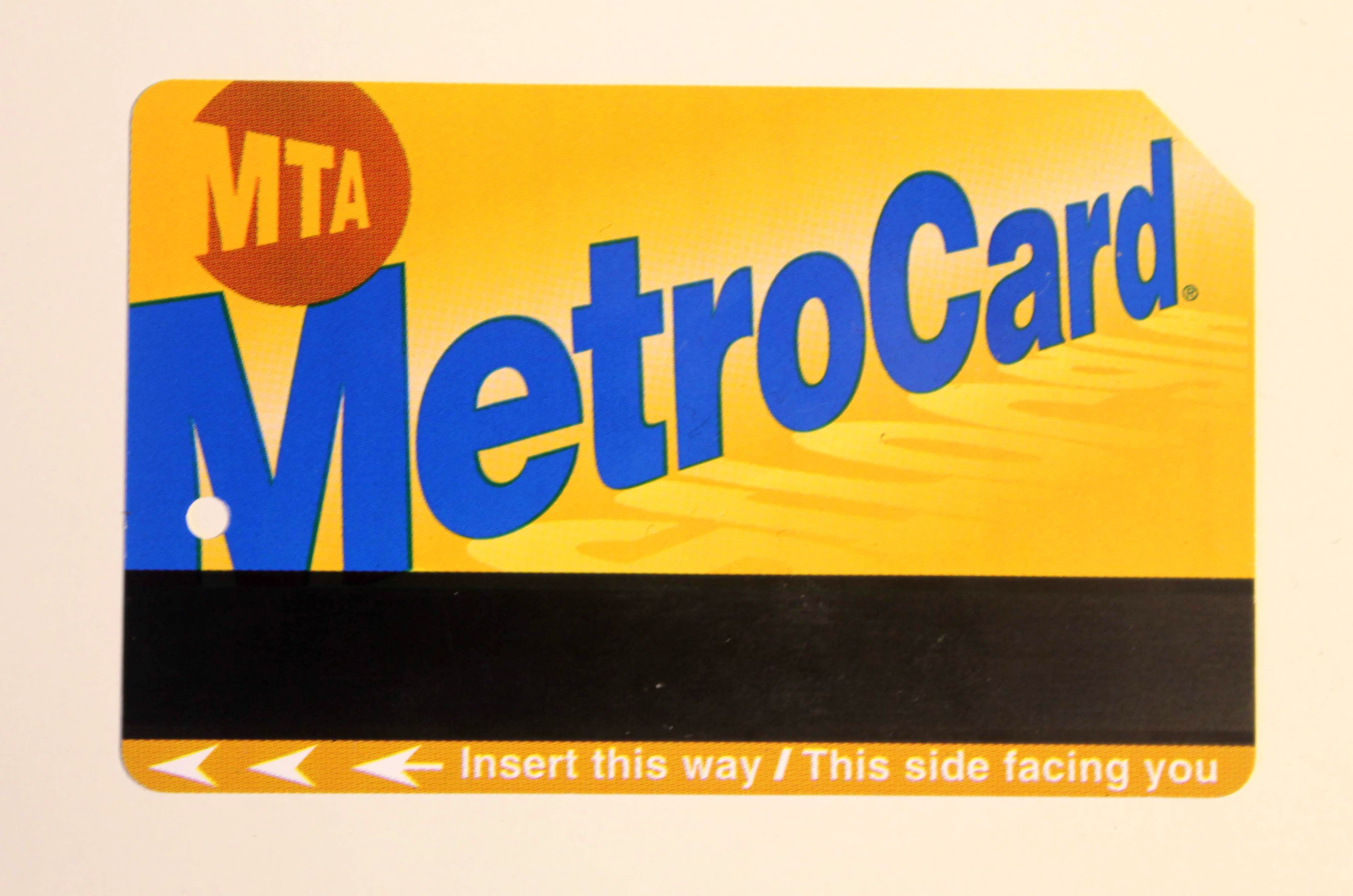
Historically, the primary method of payment was the iconic MetroCard. While still functional, the MTA has been transitioning to a contactless fare payment system called OMNY.
OMNY (One Metro New York)
OMNY offers a more modern and flexible approach to paying for your rides. You can simply tap your contactless credit or debit card, smartphone, smartwatch, or a wearable device that supports contactless payments directly on the OMNY reader at the turnstile. The fare is then automatically deducted from your linked account or device.
- Convenience: This eliminates the need to purchase a physical card or worry about having exact change.
- Fare Capping: One of the most significant advantages of OMNY is its fare capping system. If you use the same payment method (e.g., the same contactless card or device) to pay for multiple rides within a seven-day period (starting on Monday and ending on Sunday), you’ll never pay more than the cost of a 30-day unlimited pass. This means after 12 paid rides within a calendar week, all subsequent rides during that week are free. For the current fare structure, this cap is $34.
- Account Management: You can also create an OMNY account online to manage your payment methods, view your ride history, and track your fare capping progress.
MetroCard
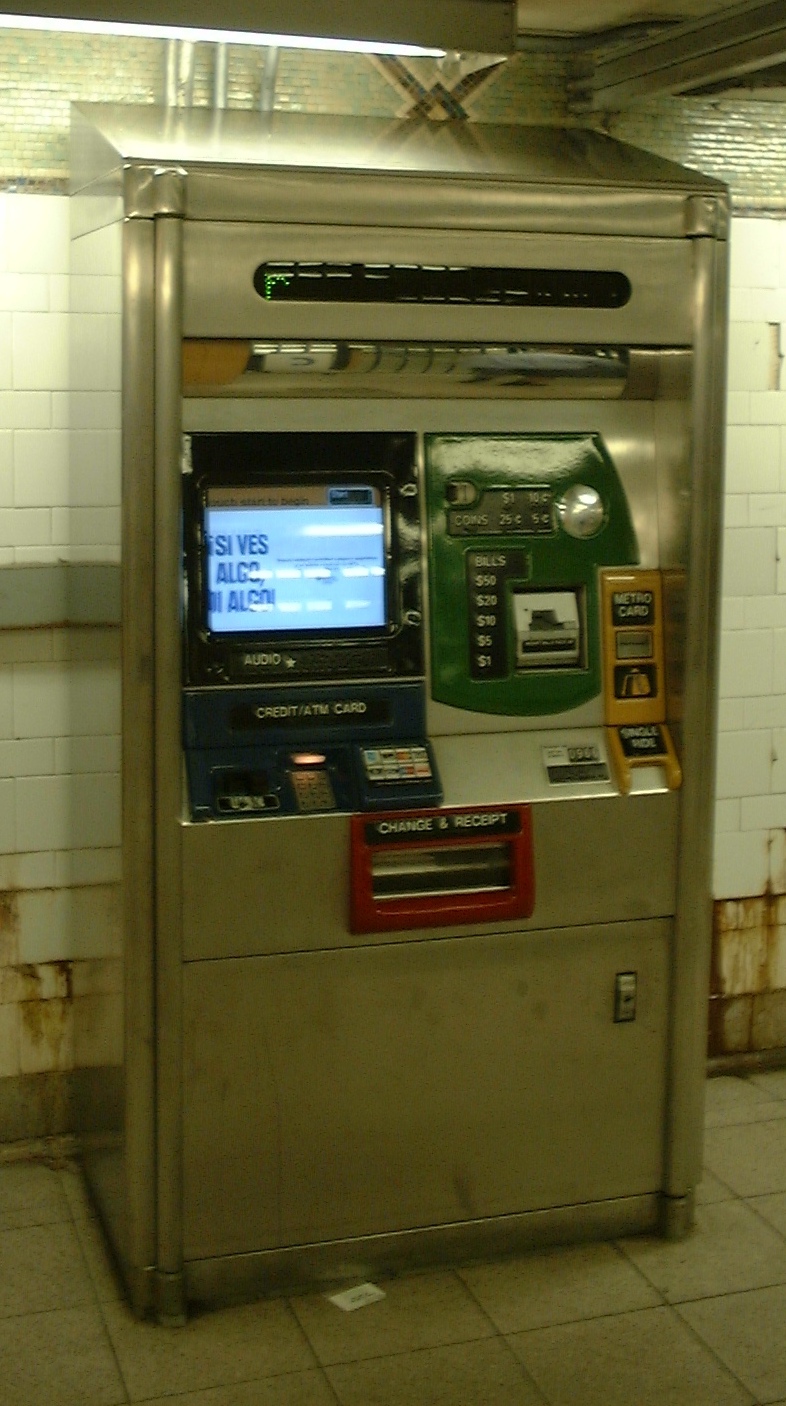
The traditional MetroCard is still available at subway station vending machines and some retail locations. There are two main types of MetroCard you can purchase:
- Pay-Per-Ride: You load a dollar amount onto the card. Each ride deducts $2.90 from the balance. There is a small bonus added when you purchase $5.70 or more, which effectively gives you a small discount per ride. For example, if you put $5.70 on the card, you get $6.00 in value.
- Unlimited Ride: These cards offer unlimited rides for a set period.
- 7-Day Unlimited Ride MetroCard: Costs $34. This is a cost-effective option for visitors planning to use the subway frequently throughout their stay, especially if they are visiting for a week.
- 30-Day Unlimited Ride MetroCard: Costs $132. This is best suited for longer stays or for locals who rely heavily on public transportation.
Important Note on MetroCards: When purchasing a MetroCard, there is a $1 fee for each new card issued, unless you are refilling an existing card. This fee is not present with the OMNY system.
Beyond the Single Ride: Unlimited Options
For visitors spending an extended period in New York City or those who plan on extensive travel across the boroughs, unlimited ride options can offer significant savings and peace of mind.
The 7-Day Unlimited Ride Pass
Priced at $34, the 7-Day Unlimited Ride Pass is often the most popular choice for tourists. If you anticipate taking more than 12 subway or bus rides within a seven-day period, this pass will likely save you money compared to paying the single fare for each journey. It provides unlimited access to the New York City subway system and local buses. This pass is particularly useful for exploring attractions spread across different neighborhoods like Manhattan, Brooklyn, and Queens.
The 30-Day Unlimited Ride Pass
For longer stays or for residents, the 30-Day Unlimited Ride Pass offers the ultimate in convenience and potential savings. At $132, it provides unlimited travel for a full month. This option is ideal for those who consider the subway their primary mode of transportation for daily commutes, errands, and leisure activities.
Special Fares and Concessions
The MTA also offers reduced fares for eligible individuals.
Reduced-Fare Program
Seniors aged 65 and older and individuals with disabilities who qualify can apply for a Reduced-Fare MetroCard or an OMNY Reduced-Fare account.
- Reduced Fare: The reduced fare for eligible individuals is $1.45 per ride.
- Unlimited Options: Reduced-fare customers can also purchase 7-Day and 30-Day unlimited passes at half the price of the standard unlimited passes ($17 for 7 days, $66 for 30 days).
- Application Process: To obtain a Reduced-Fare MetroCard, an application process is required, which includes proof of age or disability. For OMNY, eligible customers can apply for a Reduced-Fare account to tap and pay with their eligible device or card.
This program ensures that public transportation remains accessible to those who might otherwise find it cost-prohibitive.
Navigating the System: Tips for Saving Money
Beyond understanding the base fares and unlimited options, several practical tips can help you optimize your subway ticket expenditure in New York City.
Choose the Right Pass for Your Stay
- Short Visit (1-3 days): If you plan on using the subway only a few times a day, paying the single $2.90 fare might be the most economical. If you anticipate more than 11 rides, consider the 7-Day Unlimited Pass, as the fare cap through OMNY will likely make it the best deal by the end of your trip.
- Mid-Length Visit (4-7 days): The 7-Day Unlimited Ride Pass is almost certainly your best bet. With a $34 cost, it breaks down to less than $5 per day for unlimited travel.
- Long Visit (8+ days) or Frequent Use: If you are staying for a week or more and plan to use the subway extensively, or if you are a resident, evaluate whether the 30-Day Unlimited Ride Pass at $132 offers better value.
Utilize the OMNY Fare Capping
If you are using OMNY with a contactless credit/debit card or mobile device, be aware of the weekly fare cap. This system automatically ensures you don’t spend more than the cost of a 7-Day Unlimited Pass (currently $34) if you make enough rides within a Monday-to-Sunday week, regardless of how you tap. This is particularly beneficial for visitors who may not have planned their travel well enough to pre-purchase an unlimited pass.
Factor in Transfers
Remember that the single fare allows for free transfers between subway lines and between the subway and local buses within a two-hour window. If your journey involves multiple transfers, this is a significant cost-saving feature that is already built into the base fare.
Avoid Card Fees
If you opt for a MetroCard, be mindful of the $1 fee for purchasing a new card. If possible, find a friend or family member with an existing MetroCard to share or refill. With the move towards OMNY, this fee is becoming less relevant for many.

The Subway as an Experience
The New York City subway system is more than just a mode of transport; it’s a vital artery of the city, a place where diverse lives intersect. Understanding its fare structure is a practical necessity, but embracing its efficiency and reach can significantly enhance your experience of exploring iconic landmarks like the Empire State Building, the vibrant streets of Times Square, or the artistic enclave of Greenwich Village. Whether you choose the seamless tap-and-go of OMNY or the tried-and-true MetroCard, navigating the city’s underground network is an essential part of the quintessential New York adventure. The cost of a ticket is a small price to pay for the freedom to explore all that this dynamic city has to offer.
LifeOutOfTheBox is a participant in the Amazon Services LLC Associates Program, an affiliate advertising program designed to provide a means for sites to earn advertising fees by advertising and linking to Amazon.com. Amazon, the Amazon logo, AmazonSupply, and the AmazonSupply logo are trademarks of Amazon.com, Inc. or its affiliates. As an Amazon Associate we earn affiliate commissions from qualifying purchases.