
Embarking on a new adventure in the Lone Star State, whether you’re relocating, investing in a vacation home, or purchasing a vehicle for those epic Texas road trips, often brings with it a fascinating blend of excitement and administrative tasks. Among these, understanding the ins and outs of a title transfer is paramount. Far from being a mere bureaucratic hurdle, a smooth title transfer ensures your journey into the Texas lifestyle, be it budget-conscious or steeped in luxury, begins on the right foot. For anyone planning a stay, a move, or even just an extended visit, comprehending these costs and processes is crucial for seamless financial planning, allowing you to focus on the destinations, experiences, and cultural richness that Texas so generously offers.
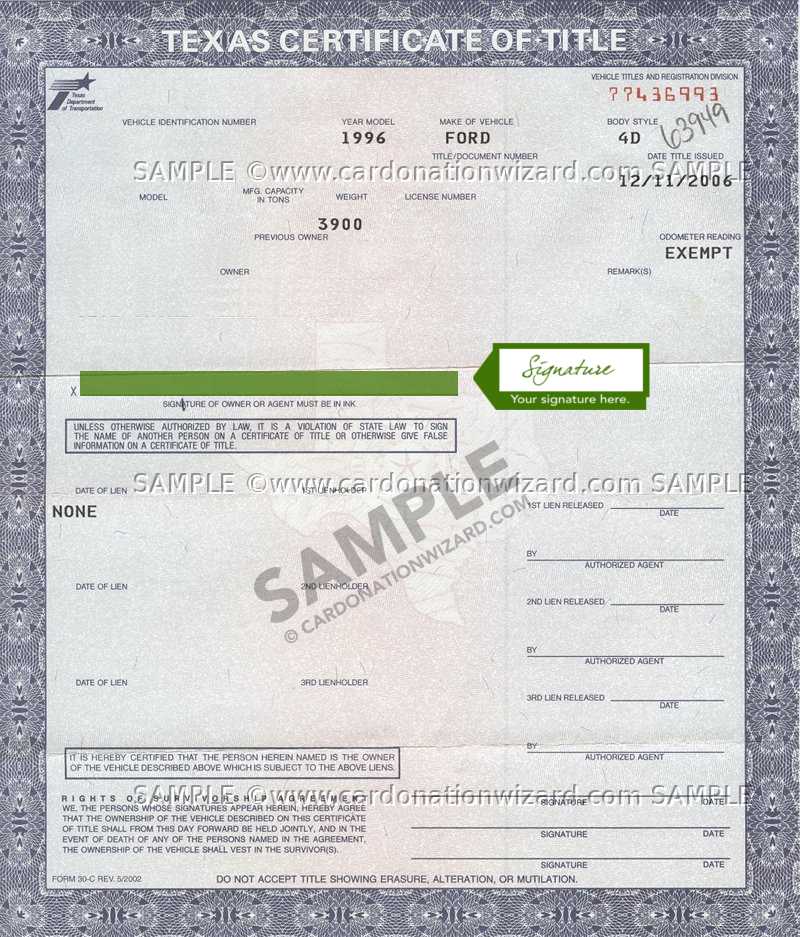
This comprehensive guide will unpack the financial landscape of title transfers in Texas, delving into everything from the mandatory fees for vehicles that will carry you to new Texas landmarks, to the property considerations that might shape your next accommodation choice. We’ll provide clarity on the costs, the necessary steps, and practical advice, all framed within the context of enhancing your travel, lifestyle, and overall experience in this vast and vibrant state.
Navigating Your New Journey in Texas: Understanding Title Transfers
For many, the idea of a title transfer sounds like dull paperwork, a necessary evil before the real fun begins. However, when viewed through the lens of travel and lifestyle, it takes on a much more significant role. It’s the critical step that formalizes your ownership, unlocking the freedom to explore, settle, or invest without legal encumbrances.
More Than Just Paperwork: Why Title Transfers Matter for Your Texas Lifestyle
At its core, a title transfer is the legal process of changing ownership of property – most commonly a vehicle, but also real estate – from one party to another. In Texas, this isn’t just a formality; it’s a foundational element for anyone integrating into the state’s diverse lifestyle.
Imagine you’ve just moved to Austin, drawn by its vibrant music scene and proximity to the Texas Hill Country. You purchase a car to explore the wineries, natural springs, and quaint towns. The title transfer ensures that vehicle is legally yours, allowing you to register it, get proper insurance, and drive freely without legal complications. Similarly, if you’re investing in a charming San Antonio vacation rental or a serene lakeside retreat near Lake Travis, the property title transfer is what solidifies your ownership, giving you peace of mind and the legal right to rent it out to tourists or enjoy it as a personal escape.
Without a proper title transfer, you could face penalties, legal disputes, or simply be unable to legally use or sell your asset. This foundational step is not just about avoiding trouble; it’s about enabling your chosen Texas lifestyle, whether that involves weekend getaways, long-term residency, or a portfolio of investment properties.
Who Needs to Know? From New Residents to Adventure Seekers
Understanding title transfers is relevant to a broad spectrum of individuals and families looking to engage with Texas:
- New Residents: If you’re relocating to cities like Dallas, Houston, or El Paso, bringing your vehicle from out of state requires a Texas title and registration. This process ensures your vehicle meets Texas standards and you can legally drive on its expansive highways.
- Vehicle Purchasers: Whether buying a brand-new SUV for family trips to Big Bend National Park or a used pickup truck for exploring the Texas Gulf Coast, transferring the title is non-negotiable.
- Boat and RV Enthusiasts: Many people come to Texas for its incredible outdoor recreation. If you’re buying a boat for Lake Travis or an RV for touring Palo Duro Canyon State Park, these also require title transfers.
- Property Investors & Vacation Home Owners: Acquiring a vacation home, an Airbnb property, or a long-term rental unit in desirable Texas locations means navigating real estate title transfers, often involving title companies and legal counsel.
- Gift Givers: Even if a vehicle or property is gifted between family members, a title transfer is usually required to legally document the change of ownership, though some fees might be exempt.
For all these scenarios, having a clear picture of the costs and procedures involved means fewer surprises and a smoother transition into your desired Texas life or travel itinerary.
The Financial Landscape: Deconstructing Title Transfer Costs in Texas
When asking “How much is a title transfer in Texas?”, it’s important to understand that the answer isn’t a single, flat fee. Instead, it’s a combination of state fees, local taxes, and potentially additional charges, varying slightly depending on the type of property being transferred and the specific circumstances. For budget-conscious travelers and luxury seekers alike, these figures are critical for comprehensive financial planning.
Unpacking the Fees: State and Local Charges for Vehicle Title Transfers
The most common title transfer in Texas involves motor vehicles. Here’s a breakdown of the typical costs you can expect:
- Title Application Fee: This is a fixed state fee for processing the title change. As of the time of writing, this fee is usually around $33.00. This is a straightforward cost, regardless of the vehicle’s value.
- Motor Vehicle Sales and Use Tax: This is often the largest component of your title transfer cost, especially for purchased vehicles. Texas charges a sales tax of 6.25% on the vehicle’s sales price. However, there’s a crucial nuance: if the sales price is significantly lower than the vehicle’s standard presumptive value (SPV) as determined by the Texas Department of Motor Vehicles (TxDMV), the tax will be calculated on the SPV instead. This prevents people from artificially lowering sale prices to avoid tax.
- Example: If you buy a car for $20,000, the sales tax would be $20,000 * 0.0625 = $1,250. If the SPV is higher, say $22,000, and you bought it for $18,000, the tax would still be on $22,000, making it $1,375.
- Gift Tax: If a vehicle is gifted (without payment) from a qualifying immediate family member (e.g., spouse, parent, child, grandparent, grandchild), a $10.00 gift tax is charged instead of the 6.25% sales tax. This is a significant saving for those eligible and highlights the importance of understanding the rules.
- Registration Fee: While technically separate from the title transfer, vehicle registration is typically done concurrently, especially for new residents or newly purchased vehicles. The base registration fee in Texas is $50.75, but local optional fees (e.g., for road and bridge projects) can add up to another $10.00-$20.00, bringing the total base registration to around $60.00 – $70.00.
- Inspection Fee: Before a vehicle can be registered in Texas, it must pass a safety inspection (and emissions inspection in certain counties like Dallas and Houston). The inspection fee is paid at the inspection station and is typically around $7.00 – $25.50, depending on the type of inspection required for your vehicle and county. You’ll need the Vehicle Inspection Report (VIR) to complete your registration.
- Proof of Financial Responsibility (Insurance): You must have valid liability insurance to register your vehicle in Texas. While this isn’t a direct fee for the title transfer itself, it’s a mandatory prerequisite that adds to your overall cost of vehicle ownership in the state.
Summary for a Typical Vehicle Title Transfer (Purchase):
- Title Application Fee: ~$33.00
- Motor Vehicle Sales Tax: 6.25% of sale price/SPV (can be hundreds to thousands of dollars)
- Registration Fee: ~$60.00 – $70.00
- Inspection Fee: ~$7.00 – $25.50
- Total: $100.00 – $130.00 + 6.25% sales tax (or $10 gift tax)
These costs are generally paid at your local County Tax Assessor-Collector’s Office when you complete the title and registration process.
Beyond Vehicles: Property Title Transfers and Their Implications
While vehicles are a common focus, title transfers also apply to real estate. For those looking to buy a permanent residence, a vacation getaway, or an investment property to leverage Texas’ booming tourism, understanding these costs is vital for your accommodation and lifestyle planning.
Unlike vehicle transfers, which often have direct, itemized fees, real estate title transfers are typically managed as part of the broader closing costs of a property transaction. While Texas does not have a state-level real estate transfer tax (which is common in many other states), there are still significant costs associated with legally transferring property ownership:
- Title Insurance: This is a crucial one. Lenders almost always require a loan policy to protect their interest, and it’s highly recommended for buyers to purchase an owner’s policy. Title insurance protects against past defects in the title, such as unpaid liens, fraudulent transfers, or errors in public records. The cost varies based on the property’s value, but it can range from a few hundred to several thousand dollars.
- Recording Fees: After a deed (the legal document transferring ownership) is executed, it must be recorded with the County Clerk’s Office in the county where the property is located. This recording fee is usually modest, often in the range of $25.00 – $50.00, but it’s a mandatory step to make the transfer official and public.
- Attorney Fees / Escrow Fees: For real estate transactions, it’s common to engage a real estate attorney or a title company to facilitate the closing process, which includes overseeing the title transfer. These fees cover their services in preparing documents, conducting title searches, and ensuring a legally sound transfer. These costs can vary significantly based on the complexity of the transaction and the professionals involved, often ranging from a few hundred to several thousand dollars.
- Survey Fees: If a new survey of the property is required or desired, this cost (typically $400-$800) is also part of the closing expenses that ensure clear property boundaries, directly impacting the title.
While the “title transfer” cost for property isn’t a single line item like a vehicle’s title fee, it’s embedded within the broader closing costs. Properly budgeting for these ensures a secure investment in your Texas home or vacation rental, safeguarding your accommodation and financial future.
The Practical Steps: A Guide to Your Texas Title Transfer
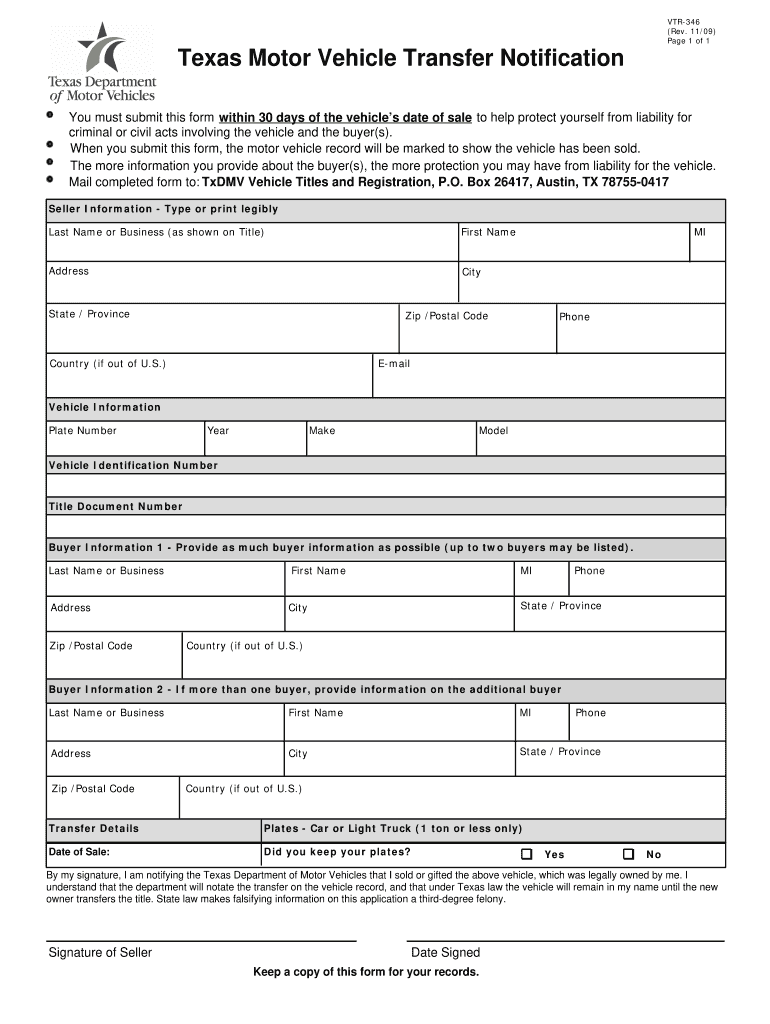
Understanding the costs is only half the battle; knowing the process is equally vital for a seamless transition into your Texas travel or residential experience. Whether it’s for a vehicle to explore diverse landscapes or a property that becomes your home base, the steps are clear, though they differ between asset types.
Essential Documents and Where to Go
Navigating the bureaucratic landscape can seem daunting, but with the right documents and knowledge of where to go, it becomes a straightforward task.
For Vehicle Title Transfers:
The primary location for vehicle title transfers in Texas is your local County Tax Assessor-Collector’s Office. You will need to bring the following essential documents:
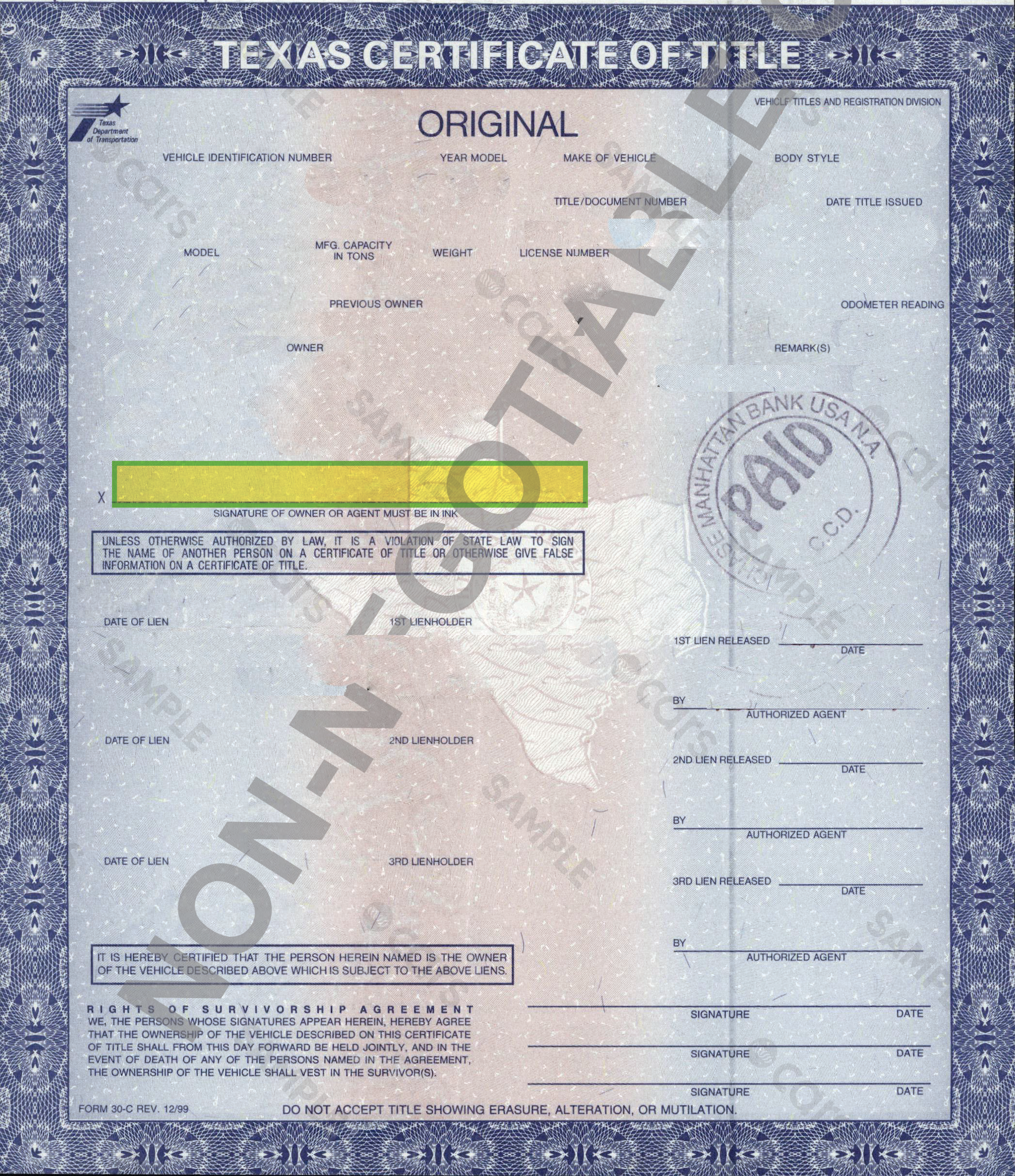
- Original Texas Title (or out-of-state title): This document proves prior ownership and must be properly signed over by the seller (and any lienholders, if applicable). Ensure there are no erasures or alterations.
- Application for Texas Title (Form 130-U): This form is mandatory and must be completed by both the buyer and the seller. It collects all pertinent information about the vehicle, buyer, seller, and sales price (or gift status). You can often download this form from the TxDMV website.
- Proof of Valid Texas Insurance: You must present proof of current liability insurance for the vehicle.
- Vehicle Inspection Report (VIR): This document confirms your vehicle has passed its required Texas safety and emissions inspections. You’ll receive this from a certified inspection station.
- Valid Photo Identification: The buyer (and seller, if present) must present a valid government-issued ID.
- Bill of Sale (Recommended): While the Form 130-U covers sale details, a separate bill of sale is highly recommended, especially for private party transactions, to clearly document the sale price, date, and terms.
- Odometer Disclosure Statement: For vehicles less than 10 years old, an accurate odometer reading is required as part of the title transfer process, often included on the Form 130-U or a separate federal form.
For new residents bringing an out-of-state vehicle, you’ll generally follow the same steps, but you’ll apply for a new Texas title and registration simultaneously. You’ll need your out-of-state title, proof of Texas insurance, and a passing Texas inspection.
For Property Title Transfers:
Property title transfers are more complex and typically involve several parties, usually coordinated by a title company or attorney. The main document is the Deed, which legally conveys ownership. Common types include:
- Warranty Deed: The most common, providing strong assurances of clear title.
- Quitclaim Deed: Often used for transferring property between family members or resolving title issues, but offers no guarantee of clear title.
The process generally involves:
- Preparation of the Deed: This legal document must be accurately prepared, describing the property and identifying the grantor (seller) and grantee (buyer).
- Notarization: The grantor’s signature on the deed must be notarized.
- Recording at the County Clerk’s Office: After signing, the deed must be recorded in the official public records of the county where the property is located. This step makes the transfer legally binding and provides public notice of the new ownership.
- Role of Title Companies: In most real estate transactions, a title company plays a central role. They conduct a thorough title search to ensure the property has no outstanding liens, judgments, or other encumbrances that could affect clear ownership. They then issue title insurance policies and often act as the escrow agent, handling all funds and documentation.
While you don’t typically visit a single office for property title transfers as you do for vehicles, understanding the documents and the role of professionals (like title companies and real estate attorneys) is key.
Timelines, Tips, and Avoiding Common Pitfalls
Adhering to timelines and being prepared can save you time, money, and unnecessary stress, allowing you to quickly enjoy your new Texas surroundings.
- Vehicle Title Transfer Deadline: In Texas, you generally have 30 calendar days from the date of purchase to transfer the title into your name. Failing to do so can result in late fees and penalties.
- Property Recording Timeline: While there’s no strict deadline for recording a deed, it should be done as soon as possible after closing. Delays can lead to legal complications or potential claims against the property.
- Double-Check All Paperwork: Errors on titles or forms can cause significant delays. Verify all names, VINs, property descriptions, and sale prices are accurate and legible.
- Understand the SPV: For vehicle purchases, be aware of the Standard Presumptive Value (SPV). If the sales price you claim is substantially lower, the TxDMV may tax you based on the SPV, not your stated price, unless you can provide compelling evidence (e.g., extensive damage).
- Get Everything in Writing: For private vehicle sales, a clear bill of sale protects both parties. For property, ensure all agreements are documented.
- Professional Advice: For complex property transfers, especially involving trusts, estates, or business entities, consulting a real estate attorney is highly advisable to ensure all legal requirements are met and your interests are protected. For vehicle transfers, the County Tax Assessor-Collector’s Office staff are a great resource for questions.
- Lien Release: If there was a lien on a vehicle or property (e.g., a car loan or mortgage), ensure you receive a lien release document once the debt is satisfied. This is crucial for obtaining a clear title.
By being diligent and informed, you can avoid common pitfalls, ensuring your title transfer is a smooth step towards embracing your desired lifestyle in Texas.
Embracing Your Texas Lifestyle: The Broader Context
Ultimately, understanding the costs and processes of a title transfer in Texas is about more than just legal compliance; it’s about empowering your lifestyle choices. Whether you dream of open-road adventures, serene lakeside living, or establishing a thriving business, the foundation of clear ownership is paramount.
Investing in Your Texas Adventure: From Road Trips to Riverside Retreats
Once your vehicle’s title is securely transferred and registered, the vast expanse of Texas truly opens up. Imagine embarking on spontaneous road trips to the majestic peaks of Big Bend National Park, exploring the historic streets of San Antonio’s Riverwalk, or witnessing the vibrant culture of Houston and Space Center Houston. A properly titled and registered vehicle is your passport to these experiences, providing the freedom and flexibility essential for any Texas explorer. From the cowboy charm of Fort Worth’s Stockyards National Historic District to the tranquil beauty of Padre Island National Seashore, your wheels are key.
Similarly, a smooth property title transfer secures your stake in the Texas dream. Perhaps you’ve acquired a charming bungalow in Austin to experience its unique cultural pulse, or a luxurious lakeside villa for a serene escape. Maybe you’re investing in property in Dallas for its burgeoning economic opportunities, or a rustic cabin in the Hill Country for weekend retreats. Each of these represents an investment in a particular lifestyle or travel experience. A clear title ensures that your retreat is truly yours, free from future complications, allowing you to fully immerse yourself in the local culture, food, and activities without a cloud of legal uncertainty.
Financial Planning for Your Texas Dream: Budgeting for Every Step
Whether you’re planning a budget-friendly move or a lavish luxury stay, financial foresight is your most valuable asset. The costs associated with title transfers, while specific, are integral to this larger financial picture. Ignoring these expenses can derail even the best-laid plans.
For those embracing a budget travel lifestyle, every dollar counts. Factoring in the sales tax, title fee, and registration for your vehicle ensures you don’t face unexpected charges that could impact your ability to afford that extra night in a charming boutique hotel or that memorable dining experience. For luxury travelers and investors, while the individual fees might seem smaller in proportion to larger expenditures, they are nonetheless critical for legal compliance and securing high-value assets.
Consider these costs as an upfront investment in the smooth operation of your life and travels within Texas. By meticulously budgeting for title transfers alongside your accommodation bookings, travel itineraries, and daily expenses, you empower yourself to fully enjoy all that Texas has to offer. This proactive approach to financial planning ensures that your focus remains on the joy of discovery, the warmth of Texas hospitality, and the unforgettable memories you’ll create, rather than administrative headaches.
In conclusion, understanding “How Much Is A Title Transfer In Texas?” is more than just knowing a number; it’s about gaining the knowledge to confidently step into your next chapter. From the vibrant cityscapes of Houston to the expansive beauty of its National Parks, Texas offers a world of experiences. By being prepared for the costs and processes of title transfers, you set the stage for a seamless, enjoyable, and legally sound journey, allowing you to truly live out of the box in the Lone Star State.
LifeOutOfTheBox is a participant in the Amazon Services LLC Associates Program, an affiliate advertising program designed to provide a means for sites to earn advertising fees by advertising and linking to Amazon.com. Amazon, the Amazon logo, AmazonSupply, and the AmazonSupply logo are trademarks of Amazon.com, Inc. or its affiliates. As an Amazon Associate we earn affiliate commissions from qualifying purchases.