
Embarking on a journey through the Golden State, from the sun-drenched beaches of Santa Monica to the majestic peaks of Yosemite National Park, promises an unforgettable experience. California is a dream destination for travelers worldwide, offering everything from the bustling urban charm of Los Angeles and the iconic sights of San Francisco to the serene vineyards of Napa Valley and the rugged beauty of Big Sur. However, whether you’re a seasoned local navigating the freeways or a visitor admiring the scenery, a common pitfall can quickly tarnish your travel memories and impact your budget: the dreaded traffic ticket.
Understanding the true cost of a traffic ticket in California is more complex than just the initial fine. It involves a myriad of fees, potential hikes in insurance premiums, and the inconvenience of dealing with legal processes. For travelers, especially those from out-of-state or international visitors, these implications can be particularly daunting, adding unexpected stress and expense to an otherwise idyllic trip. This comprehensive guide aims to demystify the cost structure of California traffic tickets, offer insights into preventing them, and provide practical advice on how to handle one if it lands in your lap. By being prepared and informed, you can ensure your California adventure remains focused on exploration and enjoyment, rather than unforeseen legal troubles.

Decoding the Financial Impact: Beyond the Basic Fine
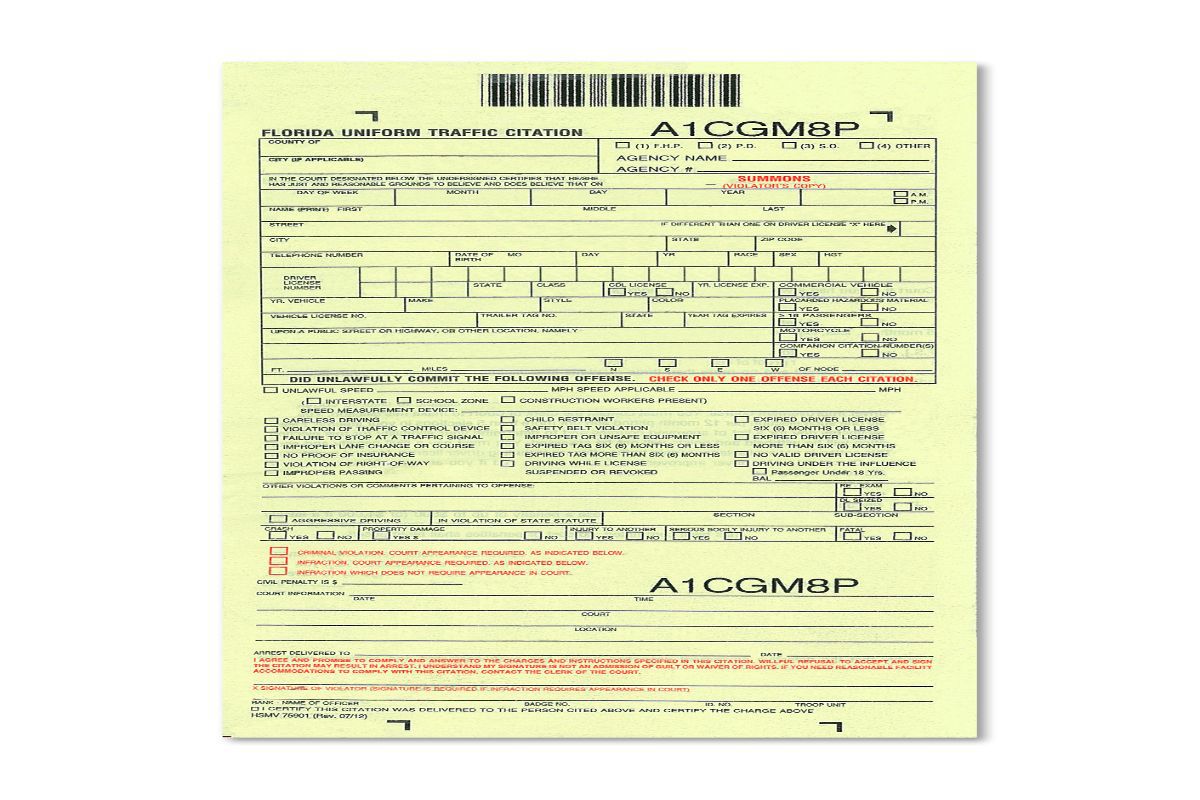
When you receive a traffic ticket in California, the amount printed on the citation is often just the tip of the iceberg. The state employs a complex system of base fines, mandatory court fees, assessments, and penalties that can quickly inflate a seemingly minor infraction into a substantial financial burden. Understanding these components is crucial for anyone, particularly budget-conscious travelers, trying to grasp the true expense.
The Anatomy of a California Traffic Ticket: Base Fines and Add-ons
The initial base fine for a traffic violation in California is set by the statewide bail schedule, but this amount is significantly augmented by various state and county fees. These additional costs contribute to funding everything from court construction and emergency medical services to traffic school programs.
For instance, a seemingly innocuous violation like failing to stop at a stop sign or making an unsafe lane change, which might have a base fine of around $35, can easily balloon to over $230 once all fees and assessments are added. Speeding tickets follow a tiered system, with the fines increasing incrementally based on how far over the limit you were driving. Speeding 1-15 mph over the limit might start with a base fine of $35, but exceed 25 mph, and the base fine jumps to $100, leading to a total closer to $500 or more with all the tacked-on charges.
Parking violations, while typically not carrying point penalties, can also range significantly. A simple expired meter might be $50-75, while parking in a disabled spot without a permit can exceed $400. Even seemingly minor infractions, when compounded by these additional fees, can severely impact a travel budget.
Common Violations and Their Estimated Costs
To give you a clearer picture, here’s an estimated breakdown of what some common traffic tickets might cost in California after all fees are applied (note: these are estimates and can vary by county and specific circumstances):
- Failure to Stop at a Red Light or Stop Sign ( California Vehicle Code 21453(a), 22450(a)): Approximately $230 – $250
- Speeding (1-15 mph over limit): Approximately $230 – $250
- Speeding (16-25 mph over limit): Approximately $360 – $380
- Speeding (26+ mph over limit): Approximately $490 – $500+ (can be higher for excessive speeds)
- Unsafe Lane Change (CVC 22107): Approximately $230 – $250
- Failure to Use Turn Signal (CVC 22108): Approximately $230 – $250
- Driving Without Proof of Insurance (CVC 16028): Can be significantly higher, often $700+ if you don’t provide proof within the given timeframe, plus potential license suspension.
- Using a Handheld Cell Phone While Driving (CVC 23123.5): First offense is around $160; second and subsequent offenses are higher.
- Driving on a Suspended License (CVC 14601.1): This is a serious offense that can incur fines of $300 – $1,000, potential jail time, and further license suspension.
- Illegal U-Turn (CVC 22105): Approximately $230 – $250
- Seatbelt Violation (CVC 27315(e)): Approximately $160 (for driver or passenger over 16)
- Child Restraint Violation (CVC 27360): Approximately $490 (for children under 16)
These figures demonstrate that a moment of inattention or a lapse in judgment can lead to a significant financial setback. For travelers, this can mean cutting short an excursion to Universal Studios Hollywood or downgrading accommodation plans in San Diego.
Navigating California’s Roads: What Travelers Need to Know
For those visiting California from other states or countries, understanding the nuances of local traffic laws is paramount. The joy of exploring destinations like Palm Springs or cruising down the Pacific Coast Highway can quickly turn sour if you’re caught off guard by unfamiliar regulations or unexpected penalties.
Unique California Driving Laws and How They Impact Visitors
While many basic traffic laws are universal (stop at red lights, yield to pedestrians), California has specific rules that often surprise visitors:
- “Right Turn on Red” Rule: While generally allowed after a full stop unless otherwise posted, some intersections, particularly in dense urban areas like Los Angeles or San Francisco, prohibit it. Always look for “No Turn on Red” signs.
- Lane Splitting (Motorcycles): California is unique in that it permits motorcycles to drive between lanes of stopped or slow-moving traffic. While legal for motorcyclists, car drivers must be aware and avoid impeding this maneuver.
- Hands-Free Cell Phone Law: California strictly enforces a hands-free law for cell phone use while driving. This means no holding your phone for calls, texting, or navigation – even at a stop light. A Bluetooth device or car-integrated system is required.
- “Move Over” Law: If you see an emergency vehicle (police, ambulance, fire) or a tow truck, maintenance vehicle, or Department of Transportation vehicle with flashing lights on the side of the road, you are required to move to an adjacent lane if safe to do so, or slow down significantly.
- HOV Lanes: High Occupancy Vehicle (HOV) lanes are common on California freeways. These are typically marked with a diamond symbol and require a minimum number of occupants (usually 2 or 3) during specified hours. Solo drivers caught in an HOV lane face hefty fines.
- Red Light Cameras: Many cities, including parts of Los Angeles and San Francisco, utilize red-light cameras. These cameras automatically ticket vehicles that run a red light, and the tickets are usually mailed to the registered owner of the vehicle. This is particularly relevant for rental car users.

Rental Cars, Out-of-State Licenses, and International Visitors
Getting a ticket in a rental car or with an out-of-state/international license adds layers of complexity:
- Rental Cars: If you receive a ticket in a rental car, the citation will typically be mailed to the rental car company as the registered owner. The rental company will then forward the ticket to you, often adding an administrative fee to your credit card on file. This can lead to unexpected charges weeks or months after your trip. Always check your rental agreement for their specific policies on traffic violations.
- Out-of-State Licenses: For drivers from other United States states, traffic violations in California will generally be reported to your home state’s Department of Motor Vehicles (DMV) via an interstate compact. This means points can transfer to your home driving record, potentially impacting your insurance premiums there.
- International Visitors: Most foreign driver’s licenses are valid in California for up to one year, provided they are accompanied by an International Driving Permit (IDP) or are in English. If your license is not in English, an IDP is highly recommended. Getting a ticket as an international visitor can be confusing. While points typically won’t transfer to your home country’s driving record, unpaid fines can lead to serious issues if you return to the United States in the future, including potential issues at customs or with future visa applications. It’s always best to resolve any outstanding tickets before leaving the country.
Your Options When Faced with a California Traffic Ticket
Receiving a traffic ticket can be unsettling, especially when you’re far from home or on a tight schedule. However, understanding your options and the process for handling a California traffic ticket can alleviate stress and help you make an informed decision.
Pay the Fine: The Easiest, But Not Always Cheapest, Path
The simplest and most common way to resolve a traffic ticket is to pay the fine. This involves pleading “guilty” or “no contest” to the violation and remitting the full bail amount by the due date. You can typically do this online, by mail, or in person at the local Superior Court of California in the county where the ticket was issued.
Pros:
- Convenience: Quick resolution, no court appearance required.
- Finality: Once paid, the matter is generally closed.
Cons:
- Costly: As discussed, the true cost is much higher than the base fine.
- Points on Record: Most moving violations carry “points” that are added to your driving record by the California Department of Motor Vehicles (DMV). Accumulating too many points within a certain period (e.g., 4 points in 12 months) can lead to license suspension.
- Insurance Hikes: Points on your record almost invariably lead to increased insurance premiums, which can be a significant long-term expense.
Traffic School: Erasing Points, But Not the Fine
For most minor moving violations, the court will offer you the option to attend traffic school. This is a common strategy to mitigate the long-term impact of a ticket.
How it Works:
If eligible and you choose traffic school, you still pay the full fine amount (including all fees). Additionally, you’ll pay a traffic school administrative fee to the court (typically around $60) and the cost of the traffic school course itself (usually $20-$50 for an online course). Upon successful completion of an approved traffic school, the DMV will mask the point from your driving record. This means the point won’t be visible to your insurance company, preventing a potential premium increase.
Eligibility:
- You must hold a valid driver’s license (out-of-state licenses are usually fine, international licenses may vary).
- The violation must be a minor moving violation (e.g., speeding, unsafe lane change). Serious offenses like DUI or reckless driving are not eligible.
- You must not have attended traffic school for another violation within the past 18 months.
- The ticket must not involve alcohol or drugs.
- The ticket cannot be for a commercial vehicle.
Pros:
- No Insurance Hike: The primary benefit is preventing points from appearing on your public driving record, thus avoiding increased insurance rates.
- Educational: Traffic school courses review traffic laws, which can be particularly useful for those unfamiliar with California specifics.
Cons:
- Still Expensive: You still pay the full fine PLUS traffic school fees.
- Time Commitment: Requires dedicating several hours to complete the course, typically online.
- Limited Use: You can only use this option once every 18 months.
Contesting the Ticket: Your Day in Court
If you believe you were wrongly cited or have a valid defense, you have the right to contest the ticket in court. This involves pleading “not guilty” and appearing before a judicial officer at the Superior Court of California in the county where the ticket was issued.
The Process:
- Arraignment: This is your initial court appearance where you formally plead “not guilty.” You might be able to do this by mail or online in some counties.
- Trial: If you plead not guilty, a trial date will be set. At trial, you’ll present your case, and the citing officer will also present theirs. You can present evidence (photos, witness statements) and question the officer.
- Outcome:
- Guilty: If found guilty, you’ll be required to pay the fine and fees, and points will be assessed. You may still be eligible for traffic school, depending on the judge’s discretion.
- Not Guilty: If found not guilty, the case is dismissed, and you pay nothing, and no points are assessed.
- Dismissal: The case might also be dismissed if the citing officer fails to appear in court, although this is becoming less common.
Pros:
- Potential Dismissal: If you win, you pay no fine and incur no points or insurance hikes.
- Fairness: Allows you to present your side of the story.
Cons:
- Time-Consuming: Requires multiple court appearances, which can be challenging for travelers.
- Uncertainty: No guarantee of winning.
- Stressful: The court process can be intimidating.
- Costs: If you hire an attorney, that adds to the expense. If you lose, you still pay the full fine.
For travelers, contesting a ticket often presents significant logistical hurdles, making it a less viable option unless the fine is exceptionally high or there’s a clear error in the citation.
Beyond the Ticket: Long-Term Consequences and Prevention
The immediate financial hit from a traffic ticket is often just the beginning. The long-term ramifications, particularly concerning insurance premiums and driving privileges, can have a more profound and lasting impact on your finances and your ability to travel freely.
The Hidden Cost: Insurance Premium Hikes
One of the most significant and often overlooked long-term costs of a traffic ticket is the increase in your auto insurance premiums. Insurance companies view traffic violations as indicators of increased risk. Even a single point on your driving record can lead to a substantial rate hike that can last for several years.
Consider a traveler from Oregon or Arizona who gets a speeding ticket near Lake Tahoe. If they don’t attend traffic school and the point transfers to their home state’s record, their annual insurance premium could increase by 10-25% or even more. Over three to five years, this can easily amount to hundreds or even thousands of dollars – far exceeding the original ticket fine. For residents of California, this impact is immediate and direct.
License Suspension and Travel Restrictions
Accumulating too many points in a given period in California can lead to a “negligent operator” status and subsequent license suspension by the DMV.
- 4 points in 12 months
- 6 points in 24 months
- 8 points in 36 months
A license suspension can severely impact daily life and future travel plans. For out-of-state drivers, this might mean that your home state’s DMV suspends your license based on the California violation, making it illegal for you to drive anywhere. For international visitors, while a California suspension may not directly affect your license validity in your home country, it would make it illegal to drive in California (or potentially anywhere in the United States) until reinstated. Furthermore, failure to pay fines can result in a “hold” on your license, preventing renewal in your home state until the California issue is resolved.
Proactive Measures: Driving Safely in the Golden State
The best way to avoid the financial and administrative headaches of a traffic ticket is, undoubtedly, to drive safely and adhere to all traffic laws.
- Stay Alert to Speed Limits: California’s speed limits can change frequently, especially on scenic routes like the drive to Death Valley National Park or through residential areas. Pay close attention to posted signs. Remember that “prima facie” limits (e.g., 25 mph in residential/business districts) exist even without explicit signage.
- Mind Red Lights and Stop Signs: California has a high number of red-light camera intersections. Always come to a complete stop before the white line.
- Hands-Free Devices Only: Make sure your phone is paired with your vehicle’s Bluetooth or use a headset for calls. No holding the phone for any reason while driving.
- Know HOV Lane Rules: If you’re traveling solo, avoid HOV lanes. If you meet the occupancy requirements, ensure you know the specific hours of operation.
- Maintain Your Vehicle: Ensure your car (or rental car) is in good working order. Unburnt out headlights, taillights, and proper license plate display are common reasons for stops.
- Avoid Distractions: The beautiful scenery from Hollywood to the Golden Gate Bridge can be distracting. Focus on the road.
- Be Aware of Your Surroundings: Different cities like Sacramento, Orange County, and San Diego may have variations in traffic patterns and enforcement.
- Carry Proof of Insurance and Registration: Always have these documents accessible. For rental cars, ensure you know where the rental agreement and proof of insurance (often provided by the rental company) are kept.
Final Thoughts for a Seamless California Journey
While the cost of a traffic ticket in California can be substantial and complex, forewarned is forearmed. By understanding the potential financial implications, being aware of specific California traffic laws, and adopting a proactive approach to safe driving, you can significantly reduce your risk of encountering such an unwelcome souvenir.
Your trip to the Golden State, whether you’re experiencing the magic of Disneyland, exploring the cultural vibrancy of Los Angeles, or enjoying the coastal serenity of Santa Barbara, should be about making incredible memories, not dealing with legal hassles. Drive responsibly, stay informed, and enjoy every moment of your California adventure, free from the shadow of unexpected fines and penalties. Safe travels!
LifeOutOfTheBox is a participant in the Amazon Services LLC Associates Program, an affiliate advertising program designed to provide a means for sites to earn advertising fees by advertising and linking to Amazon.com. Amazon, the Amazon logo, AmazonSupply, and the AmazonSupply logo are trademarks of Amazon.com, Inc. or its affiliates. As an Amazon Associate we earn affiliate commissions from qualifying purchases.